

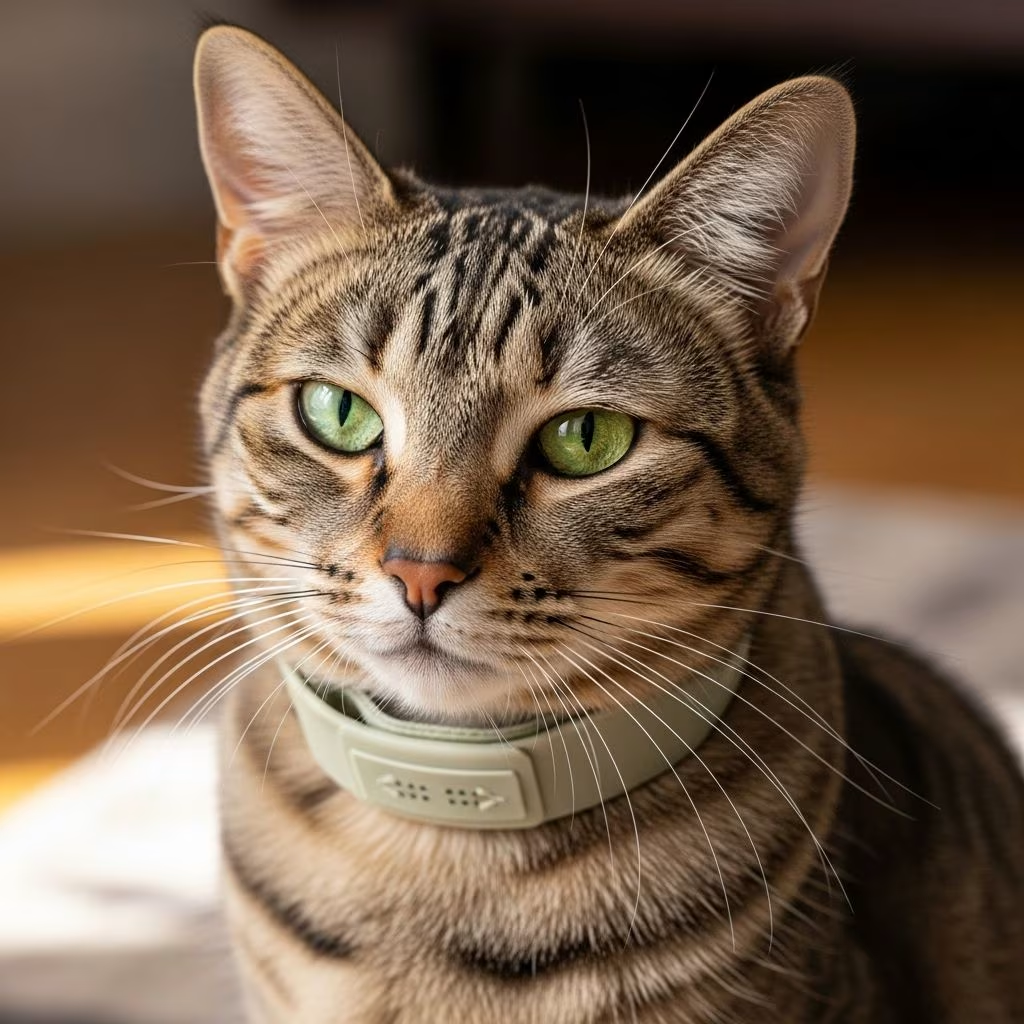
Flea collars can offer extended protection against fleas and ticks for cats when using modern formulations, but their effectiveness varies by product, and safety must be prioritized to avoid adverse reactions.
How Flea Collars Function to Combat Parasites
Flea collars release active ingredients gradually through a polymer matrix, dispersing insecticides onto the cat’s fur and skin for contact-based killing of parasites. These compounds target the nervous systems of fleas and ticks, disrupting their ability to feed or reproduce. For instance, collars containing imidacloprid and flumethrin demonstrate rapid action, eliminating fleas within hours of contact.
The mechanism relies on the collar’s slow-release technology, which maintains consistent pesticide levels over months. Unlike sprays or shampoos that provide short-term relief, collars aim for continuous prevention, acting as a barrier that kills incoming pests before they establish infestations. However, coverage is not uniform; the neck area receives the highest concentration, potentially leaving other body regions like the tail base or belly less protected.
Scientific Evidence on Efficacy Against Fleas and Ticks
Clinical studies confirm high efficacy for certain flea collars. In trials with imidacloprid/flumethrin collars, therapeutic efficacy against existing flea populations reached 99.8% to 100% within two days of application. Sustained protection exceeded 95% for up to eight months against adult fleas, with flea larvae kill rates over 99%. Ticks faced similar fates, with 48-hour mortality rates covering multiple species like Ixodes and Dermacentor.
Speed of action is notable: fleas infesting treated animals died within 2 to 12 hours post-exposure, turning the cat into an effective ‘flea trap’ that prevents egg-laying and environmental spread. Brands like Seresto match or surpass topical treatments in repelling fleas, killing new arrivals in two hours after initial 24-hour activation.
| Parasite Type | Efficacy Level | Duration | Source |
|---|---|---|---|
| Adult Fleas | >95% | 8 months | |
| Flea Larvae | >99% | 8 months | |
| Ticks (48h) | High (species-specific) | Up to 8 months | |
| New Fleas | 100% in 2h | Ongoing |
Safety Profile and Potential Risks for Feline Use
While effective, flea collars pose risks, particularly for cats due to their grooming habits and smaller size. The EPA affirms that products like Seresto meet safety standards under proper use, backed by over 80 studies, though misuse heightens adverse event risks. Common issues include skin irritation, hair loss at the collar site, and gastrointestinal upset if cats chew the collar.
Severe reactions, though rarer, encompass neurological symptoms like tremors or seizures, especially with organophosphate-based older collars. Tetrachlorvinphos in some products links to increased oral cancer risk in long-term cat studies, though specific brands remain unspecified. Cats are uniquely sensitive; dog collars can be fatal if cross-applied due to differing metabolisms.
- High-risk groups: Kittens under 8 weeks, pregnant/nursing queens, or cats with pre-existing skin conditions.
- Environmental concerns: Pesticide residues linger on fur, posing secondary exposure risks to humans, especially children.
- Interaction warnings: Minimal drug interactions reported, but consult vets for medicated cats.
Factors Influencing Performance in Real-World Scenarios
Efficacy drops with frequent bathing or swimming, as water dilutes active ingredients; collars may need earlier replacement if cats are bathed monthly or more. Long-haired breeds might experience reduced spread, concentrating protection near the neck where fleas often hide less.
Environmental flea pressure matters: collars excel in prevention but struggle against heavy, established infestations without household treatments. They primarily safeguard the neck, leaving hindquarters vulnerable since fleas favor warm, hidden spots like groins and armpits.
Comparing Flea Collars to Alternative Flea Control Methods
Flea collars provide convenience with 8-month duration but lag in full-body coverage compared to spot-ons like fipronil or oral isoxazolines.
| Method | Pros | Cons | Best For |
|---|---|---|---|
| Flea Collar | Long-lasting, hands-off | Neck-focused, irritation risk | Indoor/low-water cats |
| Topical Drops | Full coverage, fast-acting | Monthly application, oily residue | Active/outdoor cats |
| Oral Preventatives | Systemic, waterproof | Prescription needed, ingestion risk | Swimmers/groomers |
| Shampoos/Sprays | Immediate kill | Short-term, labor-intensive | Infestation clean-up |
Integrated approaches—combining collars with vacuums, washes, and yard treatments—yield best results, targeting all life stages.
Guidelines for Safe and Effective Collar Application on Cats
Select cat-specific collars labeled for felines over 8 weeks. Fit snugly with two fingers between collar and neck, trimming excess to deter chewing. Monitor daily for redness or lethargy, removing if reactions occur.
- Purchase from reputable sources to avoid counterfeits.
- Avoid combining with other pesticides without vet approval.
- Replace per manufacturer timeline, earlier if wet frequently.
- Treat the home: Wash bedding weekly, vacuum daily during outbreaks.
Recognizing and Responding to Adverse Reactions
Watch for drooling, vomiting, uncoordinated movement, or dermatitis. If suspected, remove collar immediately, bathe cat, and seek veterinary care. Report incidents to EPA or manufacturer for tracking. Early intervention prevents escalation.
Expert Recommendations for Year-Round Flea Management
Veterinarians advocate tailored plans based on lifestyle and region. For low-risk indoor cats, collars suffice; high-risk ones benefit from orals. Annual check-ups ensure optimal protection without overlaps.
Frequently Asked Questions About Flea Collars for Cats
Are flea collars safe for all cats?
No, avoid in kittens under 8 weeks, sick, or pregnant cats; always vet-check first.
How long do they take to start working?
24 hours for existing fleas, then 2 hours for new ones in effective brands.
Can I bathe my cat while using a flea collar?
Yes, but limit to once monthly; excessive water reduces efficacy.
Do they protect against ticks too?
Many do, with studies showing sustained kill rates for common species.
What if my cat chews the collar?
Remove immediately and contact a vet; ingestion risks toxicity.
Long-Term Strategies for a Flea-Free Home
Beyond collars, focus on prevention: monthly preventatives, environmental sanitation, and prompt treatment of all pets. Regular grooming removes eggs, while diatomaceous earth aids yard control safely.
References
- Efficacy of an imidacloprid/flumethrin collar against fleas, ticks, mites… — PMC/NCBI. 2012-08-28. https://pmc.ncbi.nlm.nih.gov/articles/PMC3433312/
- Do Flea Collars Work? — PetMD. Recent (post-2023 update inferred). https://www.petmd.com/dog/general-health/do-flea-collars-work
- Seresto Pet Collar Review — US EPA. Recent (2024+). https://www.epa.gov/pets/seresto-pet-collar-review
- Seresto collars remain in spotlight after hearing — AVMA. Recent. https://www.avma.org/news/seresto-collars-remain-spotlight-after-hearing
- What You Should Know About Flea Product Toxicity in Dogs and Cats — MedVet. Recent. https://www.medvet.com/know-flea-product-toxicity-dogs-cats/



