

Flea Bites on Dogs: Symptoms, Treatment & Prevention
Fleas are one of the most common parasites affecting dogs, and flea bites can cause significant discomfort and health complications. Understanding what flea bites look like, recognizing symptoms, and knowing how to treat and prevent them is essential for any dog owner. This comprehensive guide covers everything you need to know about flea bites on dogs and how to protect your furry companion.
What Do Flea Bites Look Like on Dogs?
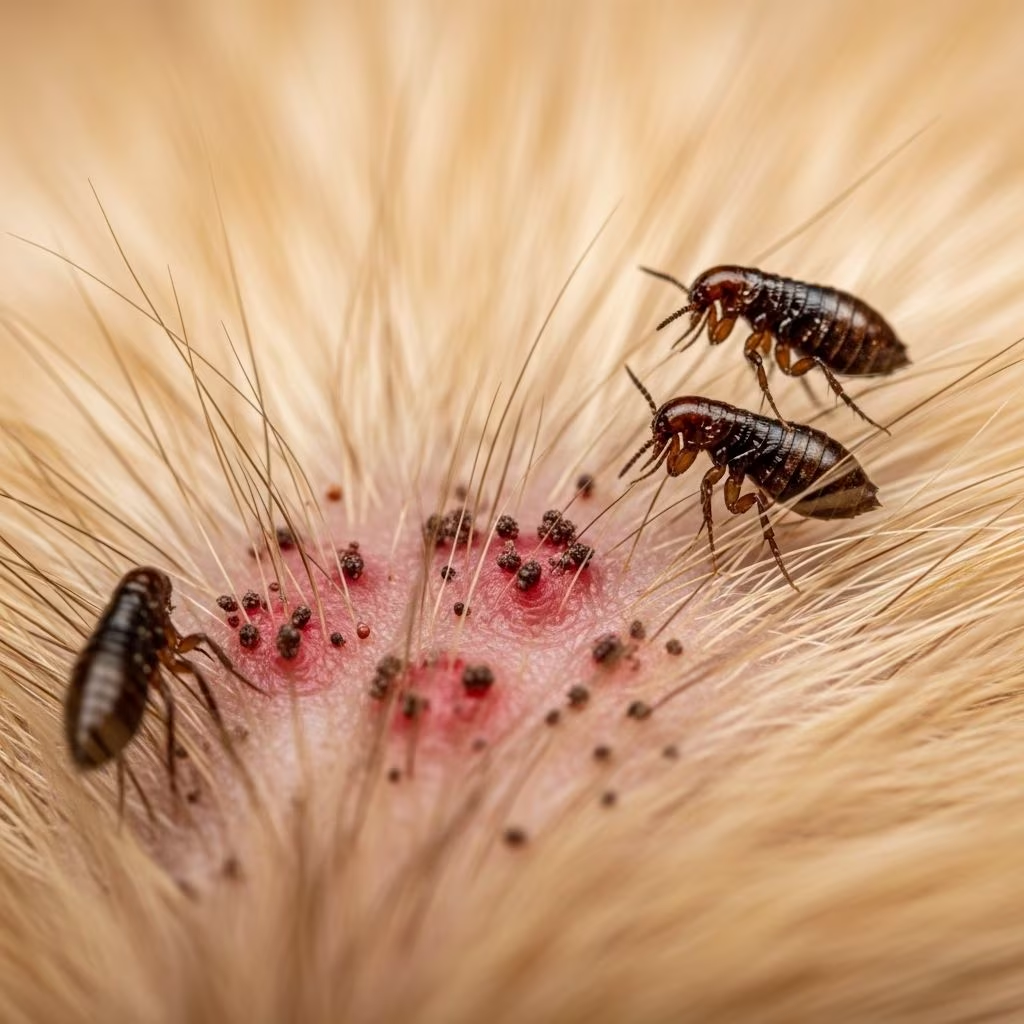
Identifying flea bites on dogs can be challenging because fleas are small and move quickly. However, there are several visual indicators that can help you determine if your dog has been bitten by fleas. Flea bite rashes typically appear as red, raised clusters of bumps on your dog’s skin, particularly in areas where fleas have taken up residence. The rashes can appear anywhere on your dog’s body, but they are most commonly found in specific zones.
One of the most characteristic patterns associated with flea bites is the “flea triangle” – an area that extends from the middle of the back to the tail base and down the rear legs. This region is particularly susceptible to flea infestations and flea allergy dermatitis (FAD). Other common locations for flea bites include the groin, backside, and neck area.
The appearance of flea bites can vary depending on your dog’s skin sensitivity and whether they have developed an allergic reaction. In some cases, you may see small red dots or bumps, while in others, more extensive inflammation and irritation may be visible. Some dogs may also develop scabs or crusts on their skin from scratching and biting at the affected areas.
Common Symptoms of Flea Bites
While visual identification of flea bites is helpful, the symptoms your dog experiences are often more telling than the bites themselves. Dogs with flea bites typically exhibit a range of behavioral and physical signs that indicate discomfort and irritation.
Primary symptoms of flea bites on dogs include:
– Severe scratching and itching- Biting and chewing at the skin- Hair loss in affected areas- Scabs and crusts- Red, irritated, or inflamed skin- Restlessness and agitation- Excessive grooming or licking
The most noticeable symptom is usually excessive scratching. Dogs may scratch so intensely that they cause secondary wounds or hair loss. In some cases, dogs will chew or rip out their hair or fur until the area is completely bare. This excessive scratching is not just a minor annoyance – it can lead to serious complications if left untreated.
Additionally, some dogs may exhibit signs of systemic discomfort, including restlessness, increased body temperature, and lethargy. If your dog is constantly scratching, appears uncomfortable, or shows signs of behavioral changes, it’s time to consult with your veterinarian.
Understanding Flea Allergy Dermatitis (FAD)
Flea allergy dermatitis is one of the most common allergic conditions in dogs and represents a specific type of reaction to flea bites. FAD is not simply a reaction to the flea bite itself, but rather an allergic hypersensitivity to the proteins found in flea saliva. This means that some dogs can experience extreme discomfort even from a single flea bite, while other dogs may tolerate multiple bites with minimal symptoms.
The severity of FAD varies widely among individual dogs. Some dogs may only show mild itching after a flea bite, while others may develop severe, debilitating symptoms that significantly impact their quality of life. Dogs that are severely allergic to flea saliva can experience extreme discomfort even with minimal flea exposure.
Key characteristics of flea allergy dermatitis:
– Hypersensitivity reaction to flea saliva proteins- Can occur with minimal flea exposure- Symptoms often more severe than typical flea bites- Can lead to secondary skin infections if untreated- Requires both flea control and symptom management
If flea allergy dermatitis is not caught early, dogs can develop secondary skin infections and may require more extensive treatment, including oral antibiotics such as cephalexin, Simplicef, or Clavamox. Secondary infections often develop as a result of constant scratching and can become quite serious if not addressed promptly.
Diagnosis of Flea Bites and FAD
Diagnosing flea bites and flea allergy dermatitis typically involves a combination of clinical observation and diagnostic testing. Many veterinarians can diagnose FAD based on clinical signs alone, as the symptoms are often quite characteristic.
Your veterinarian may perform an intradermal allergy test (similar to those used in humans) or specialized blood tests (IgE blood tests) to confirm flea allergy in your dog. A simple intradermal skin test can confirm whether your dog is experiencing a true allergic reaction to flea saliva. However, formal allergy testing is not always necessary, as dogs often respond so quickly to treatment that the diagnosis is evident from the response alone.
The presence of flea dirt (small black specks that are actually flea feces) is another important diagnostic indicator. When combed through your dog’s fur, flea dirt will appear as dark specks that turn reddish when placed on a wet paper towel, indicating the presence of dried blood from your dog.
Treatment Options for Flea Bites
Treating flea bites on dogs requires a two-pronged approach: eliminating the fleas themselves and managing the symptoms and discomfort your dog is experiencing. Both aspects are equally important for your dog’s recovery.
Flea Control and Elimination
The most important aspect of treatment is controlling and removing the fleas. Fortunately, there are multiple effective flea control products readily available. Flea treatment options include topical solutions, oral medications, and flea collars.
Types of flea control products:
– Topical solutions (applied directly to the skin, such as Bravecto topical solution)- Flea collars (worn around the neck, such as Seresto)- Oral medications (monthly chews like Simparica or NexGard)- Flea sprays (fast-acting products like Capstar)
Certain products such as Capstar can start killing fleas within 30 minutes, providing rapid relief. Other treatments may take longer but provide longer-lasting protection. It’s essential to consult your veterinarian to determine the best flea and tick medication for your individual dog, as factors such as age, weight, health status, and lifestyle all influence which product is most appropriate.
Symptom Management
While flea control products address the root cause of the problem, managing your dog’s symptoms is equally important for their comfort and recovery. Several medications and treatments can help relieve itching and discomfort.
Medications for itch relief include:
– Oral corticosteroids (such as prednisone or dexamethasone)- Anti-itch medications (Apoquel, Cytopoint, Zenrelia)- Antihistamines (such as hydroxyzamine or Benadryl)- Anti-inflammatory medications
Corticosteroids are widely used to treat acute episodes of particularly itchy FAD and often bring about almost miraculous relief from itching. These medications work by reducing inflammation and suppressing the immune response that causes the allergic reaction. Your veterinarian will determine the appropriate medication and dosage based on your dog’s specific needs and severity of symptoms.
Secondary Infection Treatment
If your dog has developed a secondary bacterial or fungal infection due to excessive scratching, additional treatment may be necessary. Topical ointments, shampoos, or conditioners with antimicrobials, antifungals, and steroids may help treat the infection and ease symptoms. Infected flea bites may become swollen, red, and oozing pus, and your dog might also develop a fever or appear lethargic.
A recovery cone may be needed initially to prevent your dog from further self-trauma through biting and chewing at affected areas. This protective barrier helps prevent additional damage while the skin heals and medications take effect.
Natural and Home Remedies for Flea Bite Relief
In addition to veterinary-prescribed treatments, several natural remedies can help soothe flea bites and provide comfort to your dog while you’re treating the underlying flea infestation.
Home Remedies and Topical Treatments
Effective natural remedies include:
– Apple cider vinegar (ACV): Dilute ACV 50/50 in a spray bottle and spritz your dog daily on affected areas, or add a splash to food or water- Pure aloe vera gel: Apply daily to affected areas to soothe skin- Castor oil: Massage into skin to help alleviate FAD symptoms- Colostrum paste: Mix powdered bovine colostrum with water, apply to affected areas, and allow to dry- Flea comb: Use a fine-toothed flea comb regularly to remove fleas and flea dirt
These natural remedies can complement veterinary treatment and provide additional relief. However, it’s important to note that while these remedies can help soothe symptoms, they do not eliminate fleas or replace the need for proper flea control products.
Environmental Treatment and Prevention
Treating your dog for fleas is only part of the solution. The environment must also be treated to prevent reinfestation. Fleas can live in your home, yard, and furniture, so comprehensive environmental treatment is essential.
Environmental treatment strategies:
– Vacuum all carpets, rugs, and upholstered furniture regularly- Wash or remove all bedding, including your dog’s bed- Use pet-safe insect sprays or chemicals in your home- Treat outdoor areas where your dog spends time- Wash your dog’s toys and food bowls- Consider professional pest management services for severe infestations
Regular vacuuming is particularly important, as it removes flea eggs, larvae, and pupae from carpets and floors. Washing bedding in hot water helps eliminate fleas and their developmental stages. For severe infestations, professional pest management may be necessary to ensure complete eradication.
Prevention Strategies
Prevention is always better than treatment when it comes to flea bites. Year-round flea prevention can significantly reduce your dog’s risk of flea infestation and the associated health problems.
Flea prevention methods:
– Use year-round flea prevention products (topical, oral, or collar-based)- Maintain regular grooming and bathing schedules- Use a flea comb regularly to detect early infestations- Keep your home clean and vacuum regularly- Wash your dog’s bedding frequently- Maintain your yard to reduce flea habitat- Consider using flea repellents like Vectra 3D along with regular flea control- Consult your veterinarian about the best prevention strategy for your dog
Your veterinarian may recommend a flea repellent like Vectra 3D along with regular flea control to minimize the chance of flea bites altogether. During peak flea season (typically late spring through fall, though fleas can survive indoors year-round), maintaining consistent prevention is especially important.
Recovery Timeline
The timeline for recovery from flea bites depends on the severity of the infestation and your dog’s individual response to treatment. Dogs can recover and symptoms typically will improve within a few days of beginning treatment. However, complete resolution may take longer in severe cases or when secondary infections are present.
Most dogs show significant improvement in itching and discomfort within 24-48 hours of starting appropriate treatment. Hair regrowth and complete healing of skin lesions may take several weeks, depending on the extent of damage and the presence of secondary infections.
Frequently Asked Questions
Q: How can I tell if my dog has fleas?
A: Look for signs of excessive scratching, hair loss, red or irritated skin, and scabs. You may also see small black specks (flea dirt) in your dog’s fur. Use a flea comb to check for actual fleas or flea dirt. The most obvious sign is excessive itching that most dogs are plagued with after a flea biting episode.
Q: Can flea bites cause serious health problems in dogs?
A: Yes, flea bites can cause serious complications, particularly in dogs with flea allergy dermatitis. Unchecked FAD can cause painful sores, bacterial skin infections (hotspots), and secondary infections that require antibiotics. In rare cases, severe flea infestations can cause anemia.
Q: What should I do if my dog has an infected flea bite?
A: If you notice signs of infection such as swelling, redness, oozing pus, fever, or lethargy, contact your veterinarian immediately. Your vet may prescribe topical or oral antibiotics and other treatments to address the infection.
Q: How long does it take for flea treatment to work?
A: Some flea treatments like Capstar start killing fleas within 30 minutes, while oral treatments can eliminate fleas within 30-60 minutes. However, your dog’s skin will still be affected by the flea bites and will require additional treatment for itching and discomfort. Dogs typically show symptom improvement within a few days of starting treatment.
Q: Is flea allergy dermatitis curable?
A: FAD itself cannot be cured, as it is an allergic condition. However, it can be managed effectively through consistent flea prevention and control. By preventing flea infestations, you can prevent the allergic reactions from occurring altogether.
Q: Can I use human anti-itch products on my dog’s flea bites?
A: No, you should not use human products on your dog without veterinary approval. Some human products can be toxic to dogs. Always consult your veterinarian before using any treatment on your dog’s skin.
Q: How often should I use flea prevention on my dog?
A: Frequency depends on the product. Many flea preventatives are applied monthly, while others like flea collars (Seresto) can protect for up to eight months. Some oral medications offer protection for specific periods. Consult your veterinarian for the best prevention schedule for your dog’s needs.
Q: What’s the difference between treating fleas and treating flea allergy symptoms?
A: Flea treatment products eliminate the parasites themselves, while symptom treatments address the itching, inflammation, and discomfort caused by flea bites or allergic reactions. Both are necessary for complete management of flea-related problems.
References
- Flea Allergy Dermatitis in Dogs: Everything a Pet Parent Needs to Know — PetMD. Accessed November 28, 2025. https://www.petmd.com/dog/conditions/skin/flea-allergy-dermatitis-dogs-everything-pet-parent-needs-know
- When Flea Bites On Dogs: How to Identify and Address Dog Flea Allergy — Safari Veterinary Care Centers. Accessed November 28, 2025. https://www.safarivet.com/blog/when-flea-bites-on-dogs-how-to-identify-and-address-dog-flea-allergy/
- Flea Bites can Make Your Dog Sick — Hartz. Accessed November 28, 2025. https://www.hartz.com/flea-bites-can-make-your-dog-sick/
- Flea Bites On Dogs — Four Leaf Rover. Accessed November 28, 2025. https://fourleafrover.com/blogs/natural-health/flea-bites-on-dogs
- A Veterinary Dermatologist’s Guide to Flea Allergy Dermatitis: Prevention, Symptoms, and Treatment — Haarstad Veterinary Dermatology. Accessed November 28, 2025. https://www.haarstadveterinarydermatology.com/blogs/news/flea-allergy-dermatitis-prevention-symptoms-and-treatment
- Flea Allergy Dermatitis in Dogs — VCA Animal Hospitals. Accessed November 28, 2025. https://vcahospitals.com/know-your-pet/allergy-flea-allergy-dermatitis-in-dogs
- What Do Flea Bites Look Like on Dogs? — American Kennel Club. Accessed November 28, 2025. https://www.akc.org/expert-advice/health/flea-bites-on-dogs/



