

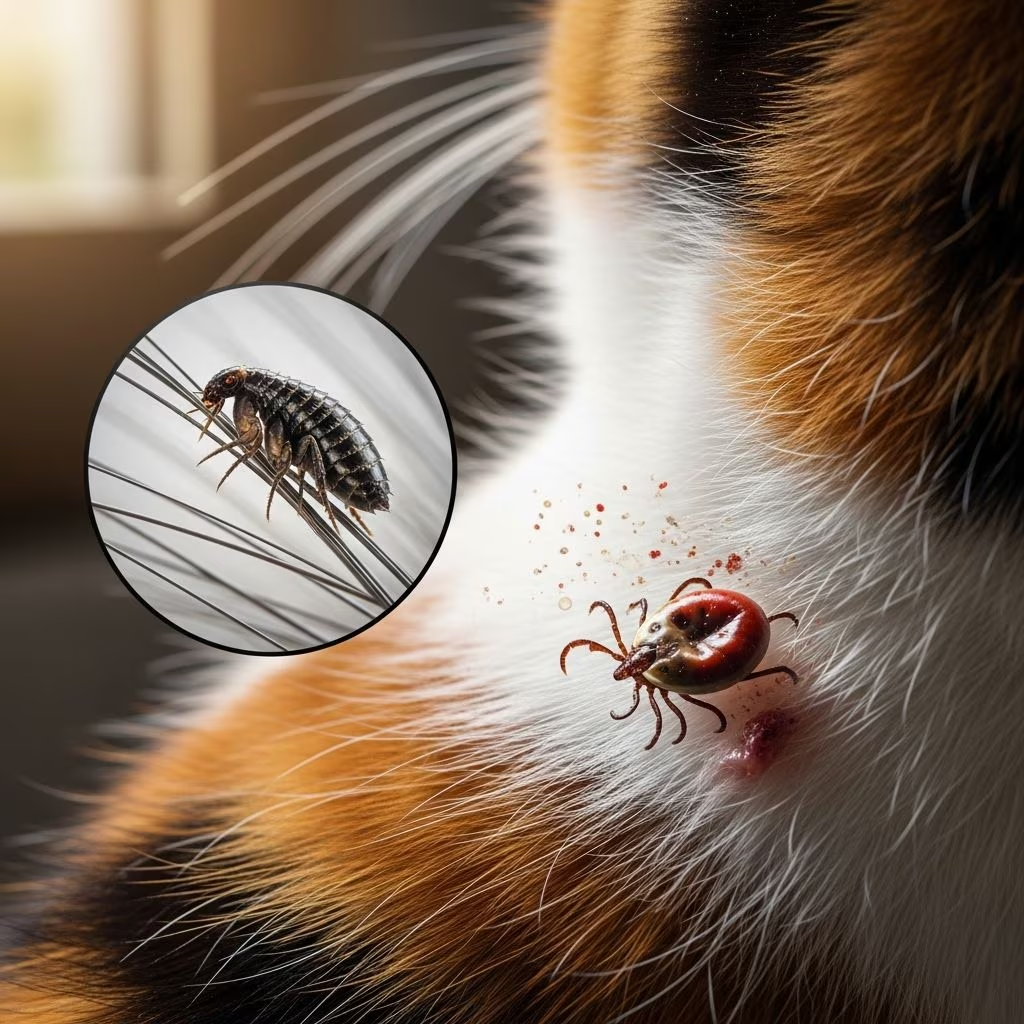
10 Flea and Tick Diseases in Cats: Vet-Verified Facts & FAQ
Fleas and ticks are more than just annoying parasites that cause itching in cats. These bloodsucking pests are carriers of dangerous diseases that can severely impact your feline companion’s health and quality of life. Understanding the diseases transmitted by fleas and ticks is crucial for every cat owner, whether you have an indoor or outdoor cat. Many pet owners mistakenly believe that indoor cats are immune to flea and tick infestations, but these parasites can easily enter your home on clothing, through windows, or via other pets and wildlife. This comprehensive guide explores ten significant diseases that cats can contract through flea and tick exposure, along with prevention strategies and warning signs.
Why Flea and Tick Prevention Matters for Cats
Fleas and ticks represent a serious health threat to cats for several reasons. A single flea can lay 30 to 50 eggs within 24 hours of feeding on your cat, potentially creating a full-blown infestation within days to weeks. Ticks, meanwhile, go through multiple life stages (egg, larva, nymph, and adult) and can transmit diseases at various points in their lifecycle. Beyond direct parasitic damage, these pests serve as vectors for numerous pathogens that cause systemic illness in cats.
According to the Companion Animal Parasite Council (CAPC), year-round, lifelong prevention of common external parasites, including fleas and ticks, is essential for all cats. This recommendation reflects the reality that flea and tick season is extending in many regions, and some parasites remain active throughout the year in warmer climates.
The 10 Flea and Tick Diseases in Cats
1. Flea Allergy Dermatitis
Flea allergy dermatitis is one of the most common conditions affecting cats exposed to fleas. Unlike dogs, cats don’t need to be covered in fleas to experience severe allergic reactions; sometimes just a single flea bite can trigger intense itching and skin inflammation in allergic individuals. This condition manifests as persistent scratching, hair loss, red or irritated skin, and scabs, particularly around the neck and tail base. The allergic response is to flea saliva, making even minimal flea exposure problematic for sensitive cats. If left untreated, the constant scratching can lead to secondary skin infections.
2. Tapeworms
Cats can contract tapeworms by ingesting infected fleas during grooming. These intestinal parasites can cause weight loss, poor coat condition, vomiting, and visible rice-like segments in the cat’s stool or around the anus. Tapeworms absorb nutrients meant for your cat, leading to malnutrition and general poor health. The lifecycle involves fleas as intermediate hosts, making flea control essential for preventing tapeworm infections.
3. Bartonella Infection (Cat Scratch Disease)
Bartonella, commonly known as cat scratch disease, is transmitted through flea feces. When cats scratch flea bites and break the skin, the bacteria enter through these open wounds. Symptoms include fever, loss of appetite, lethargy, and enlarged lymph nodes. While cats often show minimal symptoms, the infection can be serious if left untreated, and infected cats can transmit the disease to humans through scratches or bites.
4. Tularemia
Tularemia, also known as rabbit fever, is a bacterial disease transmitted to cats through tick bites, particularly from ticks that have fed on infected wildlife. Infected cats may exhibit signs of fever, lethargy, loss of appetite, and swollen lymph nodes. Tularemia is a zoonotic disease, meaning it can spread to humans, making prevention critical for both pet and human health.
5. Anemia
Both fleas and ticks feed on your cat’s blood, and severe infestations can cause significant blood loss leading to anemia. Kittens and older cats are particularly vulnerable to severe anemia from parasitic blood loss. Signs include lethargy, pale gums, weakness, and rapid breathing. In extreme cases, severe flea or tick infestations can cause death, particularly in young or immunocompromised cats.
6. Cytauxzoonosis (Bobcat Fever)
Cytauxzoonosis, also called bobcat fever, is a serious protozoal disease transmitted by the Lone Star tick. This disease is particularly concerning because it has a high mortality rate in domestic cats. Infected cats develop fever, lethargy, loss of appetite, and anemia. The disease progresses rapidly, and without prompt veterinary treatment, it can be fatal. Outdoor cats in regions where Lone Star ticks are prevalent face the highest risk.
7. Lyme Disease
Lyme disease, caused by the bacterium Borrelia burgdorferi, is transmitted by infected ticks, particularly the black-legged tick. While cats are somewhat resistant to Lyme disease compared to dogs, they can still become infected. Symptoms may include fever, lameness, joint pain, lethargy, and loss of appetite. Some cats may not show obvious symptoms but can still carry the infection, which can potentially affect organ function over time.
8. Ehrlichiosis and Anaplasmosis
Both ehrlichiosis and anaplasmosis are tick-borne bacterial diseases that affect cats. These diseases can cause fever, lethargy, loss of appetite, joint pain, and potentially serious complications including neurologic dysfunction, cardiac problems, and kidney failure if left untreated. Cats infected with these pathogens may show nonspecific signs of illness, making them easy to overlook initially.
9. Rocky Mountain Spotted Fever
Rocky Mountain spotted fever is caused by the bacterium Rickettsia rickettsii and is transmitted through tick bites. Despite its name, this disease occurs throughout much of the United States. Infected cats may experience fever, lethargy, loss of appetite, rash, and joint pain. The disease can be serious if not treated promptly with appropriate antibiotics.
10. Babesiosis
Babesiosis is a tick-transmitted protozoal disease that affects red blood cells, leading to anemia and hemolytic disease. Cats with babesiosis may show signs of weakness, pale mucous membranes, lethargy, and loss of appetite. The severity of illness depends on the specific Babesia species involved and the cat’s overall health status.
How Cats Contract Fleas and Ticks
Understanding transmission routes is essential for prevention. Cats contract fleas and ticks in several ways. The most common transmission occurs through contact with other pets or humans who venture outdoors and inadvertently bring parasites indoors on clothing, shoes, or fur. Fleas are known to jump onto cats from other animals, while ticks crawl onto cats from tall grasses, shrubs, or wildlife. Even strictly indoor cats are vulnerable if family members or other pets access the outdoors. Additionally, raccoons, opossums, and other wildlife can introduce ticks through windows or by entering garages and basements.
Warning Signs of Flea and Tick Infestation
Recognizing early signs of infestation allows for prompt treatment before disease transmission occurs. Common indicators include:
- Persistent scratching or over-grooming
- Visible fleas or ticks in the fur or on bedding
- Small, dark specks in the fur (flea dirt or flea excrement)
- Red, inflamed, or irritated skin
- Hair loss, especially around the neck, tail base, and hindquarters
- Scabs or crusts from excessive scratching
- Behavioral changes such as head shaking or ear scratching
- Lethargy or decreased appetite
- Pale gums indicating potential anemia
The best places to look for fleas on your cat are the hindquarters, base of the tail, abdomen, and groin. Ticks are often found in the same areas but may also attach to the ears, neck, and between the toes.
Flea and Tick Prevention Options
Multiple effective prevention options are available. Choosing the right product depends on your cat’s age, weight, lifestyle, and any existing health conditions. Cats are sensitive to many pesticides, so only use products specifically labeled for feline use.
Topical Treatments
Revolution Plus is applied topically at the base of the neck for cats 8 weeks of age and older weighing 5.6 pounds or more. It protects against fleas, ticks, heartworms, roundworms, hookworms, and ear mites.
Bravecto is a topical preventive applied to the skin at the base of the cat’s neck for cats at least 6 months old weighing at least 2.5 pounds. It provides 12 weeks of protection against fleas and the black-legged tick, and 8 weeks against the American dog tick.
Advantage kills adult fleas and stops eggs and larvae from developing for one month.
Seresto Collar kills adult fleas, flea larvae, and ticks for up to 8 months, providing extended protection.
Oral Medications
Credelio for Cats is a monthly chew formulation available for cats 8 weeks and older weighing 2 pounds or more. It treats and prevents fleas and prevents ticks in cats 6 months of age and older. This option is ideal for cats that may resist topical applications.
Injectable Options
Some long-acting injectable products provide flea prevention for several months, offering an alternative for cats that resist oral or topical treatments. Discuss these options with your veterinarian to determine if they’re appropriate for your cat.
Comprehensive Flea and Tick Control Strategy
Preventing infestation requires a multi-faceted approach. First, apply year-round preventive medication appropriate for your cat’s age and weight. Second, regularly inspect your cat’s fur and skin, especially during warmer months or if your cat spends time outdoors. Third, maintain a clean home environment by vacuuming regularly, washing bedding frequently, and treating your yard if your cat has outdoor access. Fourth, treat all pets in your household with appropriate preventive products. Finally, consult with your veterinarian to develop a personalized prevention plan based on your cat’s specific risk factors and lifestyle.
When to Seek Veterinary Care
If you suspect your cat has fleas, ticks, or symptoms of flea or tick-transmitted disease, contact your veterinarian promptly. A thorough examination can assess the extent of infestation and identify any signs of disease. Your veterinarian can prescribe appropriate treatments, provide guidance on treating your home environment, and recommend follow-up care to ensure complete resolution.
Frequently Asked Questions (FAQs)
Q: Can indoor cats get fleas and ticks?
A: Yes, indoor cats can contract fleas and ticks. These parasites can enter your home on clothing, through windows, or via other pets and wildlife. All cats, regardless of indoor or outdoor status, should receive year-round preventive treatment.
Q: How often should I apply flea and tick prevention?
A: The frequency depends on the specific product. Some topical treatments require monthly application, while others like Bravecto provide 12-week protection. Oral medications like Credelio are typically monthly. Always follow your veterinarian’s recommendations and product instructions.
Q: Are flea and tick diseases in cats contagious to humans?
A: Some flea and tick diseases can affect humans. Bartonella (cat scratch disease), tularemia, Lyme disease, and Rocky Mountain spotted fever are zoonotic diseases that can spread from cats to people. Proper prevention and prompt treatment reduce transmission risk.
Q: What should I do if I find a tick on my cat?
A: Remove the tick carefully using fine-tipped tweezers, grasping it as close to the skin as possible and pulling straight out. Place the tick in a sealed container or plastic bag. Don’t squeeze the tick or use nail polish or petroleum jelly, as these can cause the tick to inject more pathogens. Clean the area with antiseptic and contact your veterinarian.
Q: Can cats use the same flea and tick prevention as dogs?
A: No, cats are sensitive to many pesticides toxic to dogs. Always use products specifically labeled for cats. Never apply dog flea and tick products to cats, as this can cause serious poisoning.
Q: How quickly can a flea infestation develop?
A: A single flea can lay 30 to 50 eggs within 24 hours. These eggs develop into adults within 2 to 3 weeks under ideal conditions, resulting in a full-blown infestation within days to weeks if left untreated.
Q: Is year-round prevention necessary?
A: Yes, veterinary organizations including the Companion Animal Parasite Council recommend year-round, lifelong flea and tick prevention for all cats. Parasites can remain active throughout the year in many regions, particularly in warmer climates.
References
- Pet Flea and Tick Hitchhikers: Our Control Guide — El Paso Animal Hospital. 2024. https://elpasoanimalhospital.com/pet-flea-and-tick-hitchhikers-our-control-guide/
- Cat Flea and Tick Prevention — Acton Veterinary Group. 2024. https://www.actonvetgroup.com/services/cat-flea-tick-prevention-granbury
- Flea and Tick For Cats – Get Information and Treatment — Love Animal Hospital & Urgent Care. 2024. https://love.vet/flea-and-tick-for-cats-get-information-and-treatment/
- Kitten Flea and Tick Prevention in Dillsburg, PA — Timberview Veterinary Clinic. 2024. https://www.timberviewvet.com/kitten-flea-and-tick-prevention/
- The Case for Year-Round Flea and Tick Control — Companion Animal Parasite Council (CAPC). 2023. https://capcvet.org/articles/the-case-for-year-round-flea-and-tick-control/
- Your Guide to Preparing for Flea and Tick Season — ASPCA. 2024. https://www.aspca.org/news/your-guide-preparing-flea-and-tick-season



