

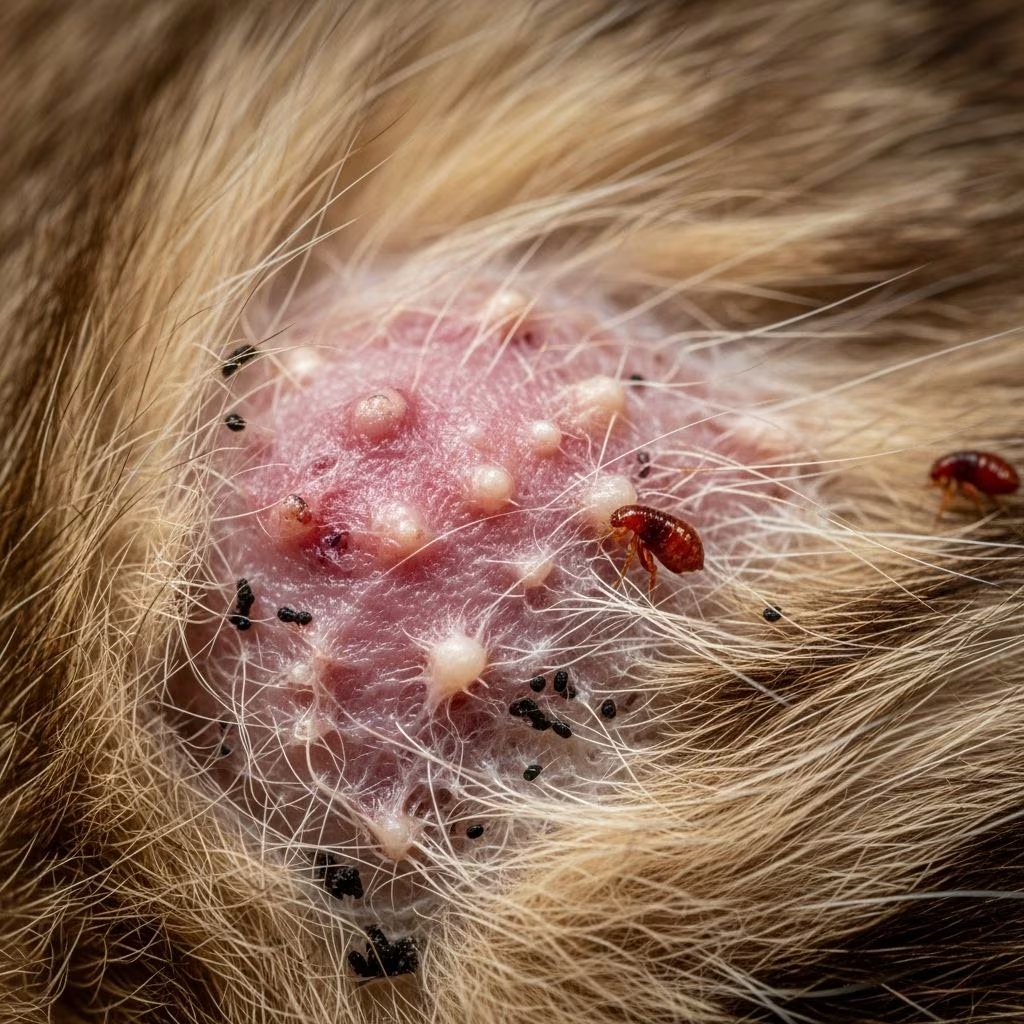
Understanding Flea Allergy in Cats
Flea allergy dermatitis (FAD) is one of the most common skin conditions affecting cats today. Unlike other allergies, flea allergy is not simply a reaction to the flea itself, but rather a hypersensitivity to proteins found in flea saliva. When an allergic cat is bitten by a flea, their immune system overreacts to these proteins, triggering an intense allergic response that can cause severe itching, skin inflammation, and secondary infections. This condition can develop at any point during your cat’s life, regardless of age or breed, and can significantly impact their quality of life if left untreated.
What makes flea allergy particularly challenging is that cats with FAD may react severely to just one or two flea bites, whereas non-allergic cats might tolerate numerous bites without significant reaction. This means that even indoor cats with minimal flea exposure can experience serious complications if bitten. However, the good news is that with proper treatment and management, cats with flea allergic dermatitis can live normal, happy lives.
What Causes Flea Allergy Dermatitis?
Flea allergy dermatitis develops as a result of an exaggerated immune response. When a flea bites a cat, it injects saliva into the skin to prevent blood from clotting while feeding. In allergic cats, the immune system recognizes certain proteins in this saliva as dangerous invaders and launches an intense inflammatory response. This is fundamentally different from a normal flea bite reaction and explains why allergic cats suffer so much more than their non-allergic counterparts.
It’s important to understand that cats with underlying allergies or sensitive skin are more susceptible to developing flea allergy dermatitis than those without pre-existing conditions. Additionally, some cats may develop FAD after years of flea exposure, suggesting that sensitization can occur gradually over time. Once a cat becomes sensitized to flea saliva, they remain allergic for life, making continuous flea prevention essential.
Recognizing the Symptoms of Flea Allergy
The symptoms of flea allergic dermatitis in cats can vary in severity, ranging from mild discomfort to severe, debilitating itching. Being able to recognize these signs early is crucial for seeking prompt veterinary care and preventing complications.
Primary Symptoms
The most common and noticeable symptom is intense itching and scratching. Cats with FAD often engage in excessive grooming, licking, and biting at their skin in attempts to relieve the itch. This self-trauma can quickly lead to visible hair loss and open wounds.
Hair loss (alopecia) typically appears in specific patterns, most commonly around the neck, ear base, tail base, back, thighs, and groin areas. The hair loss may be symmetrical along the back or concentrated in particular regions depending on where the flea bites occurred.
A characteristic small bumpy rash often develops, which can feel like grit or crumbs under the fur when you run your hand over the affected area. In cats, this is known as miliary dermatitis and typically appears on the head, neck, lower back, tummy, and back legs. These tiny scabs and bumps are not the actual flea bites themselves, but rather a manifestation of the systemic allergic reaction.
Secondary Symptoms
Due to the constant scratching and self-trauma, cats often develop crusts, scabs, and irritated skin that may become infected. In severe cases, you might notice red, raw, infected patches or even oozing sores. These secondary skin infections can lead to a condition called eosinophilic dermatitis, which presents as additional inflammation and tissue damage.
Some cats may display restlessness and behavioral changes due to discomfort, such as whining or acting anxious. The constant discomfort can significantly affect a cat’s overall quality of life, sleep patterns, and temperament.
Finding Evidence of Fleas
You may spot flea dirt (black specks) in your cat’s fur or on their skin, which is actually flea feces. However, it’s important to note that the absence of visible fleas or flea dirt does not rule out FAD, as allergic cats are typically excellent groomers and often remove fleas before they can be seen. Additionally, you might occasionally notice tapeworms, which appear as short, rice-like segments around the anus, as these parasites are transmitted through fleas.
Diagnosing Flea Allergy Dermatitis
Diagnosing FAD typically begins with a thorough history and physical examination by your veterinarian. Your vet will ask questions about your cat’s symptoms, flea exposure, and previous treatments. During the examination, they will look for the characteristic signs of flea allergy, including the distribution of hair loss, presence of miliary dermatitis, and any secondary skin infections.
In some cases, your veterinarian may perform additional tests such as skin scrapings, fungal cultures, or bacterial cultures to rule out other skin conditions like mange, ringworm, or bacterial infections that might present with similar symptoms. A trial flea treatment may also be recommended to confirm the diagnosis, as improvement in symptoms following rigorous flea prevention is often diagnostic for FAD.
Treatment Options for Flea Allergy Dermatitis
Treatment of flea allergic dermatitis involves a two-pronged approach: addressing the allergic symptoms and eliminating the flea infestation. Both components are essential for successful management.
Flea Prevention and Treatment
The cornerstone of managing flea allergy dermatitis is strict flea control. Since cats with FAD can react severely to even a single flea bite, prevention is absolutely critical. Many conventional flea treatments only kill fleas after they have already bitten, which means your cat may still experience allergic reactions from time to time. For this reason, veterinarians often recommend using both flea-killing products and flea-repellents to stop cats from being bitten altogether.
Prescription flea preventatives are highly recommended and should be applied year-round. These include topical treatments, oral medications, and injectable options. Your veterinarian can recommend the most appropriate product based on your cat’s specific needs, lifestyle, and any other health conditions. It’s crucial that all pets in the household are treated simultaneously, even indoor-only cats, to prevent cross-infestation.
Common prescription flea preventatives include Revolution Plus®, Credelio®, Simparica®, Bravecto®, and other veterinary-approved products. These medications are generally safer and more effective than over-the-counter options and can provide protection for extended periods.
Managing Allergic Symptoms
While flea prevention is being established, your veterinarian will likely prescribe medications to manage the itching and inflammation. Oral corticosteroids such as prednisone or prednisolone are commonly prescribed to reduce the allergic reaction and provide relief from severe itching. These medications work by suppressing the immune response and reducing inflammation.
Anti-itch medications such as Apoquel®, Zenrelia®, or Cytopoint® may be prescribed as alternatives or in conjunction with steroids to control pruritus without the side effects associated with long-term corticosteroid use. These newer medications specifically target the itch response through different mechanisms.
Medicated shampoos and topical treatments can provide symptomatic relief and help prevent secondary infections. These may include antibacterial or antifungal formulations and can be used regularly during flare-ups. Medicated leave-in conditioners and mousses are also available options.
Treating Secondary Infections
If your cat has developed a secondary bacterial or fungal infection from excessive scratching, your veterinarian may prescribe oral or topical antibiotics. Common oral antibiotics include Convenia® (injectable), Clavamox® (Amoxicillin/Clavulanate Potassium), and Cephalexin. It’s important to complete the full course of antibiotics as prescribed, even if symptoms improve, to ensure the infection is fully cleared.
In severe cases where scratching has caused significant wounds, your veterinarian might recommend an Elizabethan collar (E-collar) or recovery suit to prevent further self-trauma while the skin heals.
Environmental Management and Prevention
In addition to treating your cat, it’s essential to manage the home environment to prevent flea infestations from recurring. Environmental control is a critical component of preventing future flare-ups.
Wash your cat’s bedding regularly in hot, soapy water to eliminate flea eggs and larvae. Vacuum frequently throughout your home, particularly in areas where your cat spends the most time, to remove flea eggs and flea dirt, which serves as food for developing fleas. Dispose of vacuum debris in a sealed outdoor trash bin to prevent re-infestation.
Clean all surfaces in your home, including furniture, carpets, and hard floors. Treat your home with pet-safe flea products that include an insect growth regulator (IGR), which prevents flea eggs and larvae from developing into adults. If your cat has access to the outdoors, consider consulting a pest control company to treat your yard for fleas.
Some pet owners have found success with natural flea control options such as diatomaceous earth and borax, though these should only be used if they are safe for use around cats and their manufacturers’ guidelines should always be followed.
Supporting Skin Health
Beyond specific flea allergy treatments, supporting your cat’s overall skin health can help minimize symptoms and reduce the severity of flare-ups. Omega-3 fatty acid supplements can support skin barrier health and may help reduce inflammation. Some cats with additional sensitivities may benefit from hypoallergenic or limited-ingredient diets that reduce other potential allergens.
Regular grooming helps you monitor your cat’s skin condition and can help prevent matting that might trap moisture and promote secondary infections. It also allows you to catch early signs of flea infestation or skin problems before they become severe.
Timeline for Improvement
Many cat owners wonder how quickly they can expect to see improvement after starting treatment. Once treatment begins, symptoms typically take a few weeks to subside. While some flea products start killing fleas in as little as 30 minutes, it takes considerably longer for the inflammation and itching to resolve completely. The skin must heal from the damage caused by scratching and secondary infections, which requires time. Patience and consistency with treatment are essential during this period.
Long-term Management and Prognosis
Flea allergy dermatitis is a lifelong condition, meaning your cat will remain allergic to flea saliva for the rest of their life. However, this does not mean your cat cannot live a normal, happy life. With consistent year-round flea prevention and prompt treatment of any flare-ups, most cats with FAD maintain excellent quality of life.
Regular veterinary check-ups allow your veterinarian to monitor your cat’s skin condition and adjust treatment plans as needed. Some cats may eventually require lower doses of medications, while others may need adjustments based on seasonal factors or changes in their environment.
Frequently Asked Questions
Q: Can indoor cats get flea allergy dermatitis?
A: Yes, even indoor cats can develop flea allergy dermatitis if exposed to fleas. Fleas can be brought into the home on clothing, other pets, or wildlife, so year-round prevention is recommended for all cats, including those that never go outside.
Q: Is flea allergy dermatitis contagious to other cats?
A: The allergy itself is not contagious, but fleas are. If one cat in your household has FAD, all other pets should be treated with flea prevention to prevent infestation and potential allergic reactions in them as well.
Q: Can I use human flea allergy treatments on my cat?
A: No, many human medications and flea treatments are toxic to cats. Always consult your veterinarian before using any product on your cat, and use only veterinary-approved treatments designed specifically for feline use.
Q: How long does it take for symptoms to appear after a flea bite?
A: Symptoms can appear within hours of a flea bite in severely allergic cats. The intensity and speed of reaction depend on the degree of the cat’s sensitivity to flea saliva.
Q: Will my cat’s hair grow back after flea allergy alopecia?
A: Yes, once the underlying flea allergy is controlled and secondary infections are treated, your cat’s hair will typically regrow. However, this process takes time, usually several weeks to months.
Q: Do I need to treat my cat year-round for fleas?
A: Yes, year-round flea prevention is highly recommended for cats with flea allergy dermatitis. Even in cooler months, fleas can survive indoors in heated homes, making consistent prevention essential.
Q: What should I do if I think my cat has flea allergy dermatitis?
A: Contact your veterinarian as soon as possible. Early diagnosis and treatment can prevent complications and improve your cat’s comfort significantly.
References
- Flea Allergic Dermatitis in Cats — PDSA. 2024. https://www.pdsa.org.uk/pet-help-and-advice/pet-health-hub/conditions/flea-allergy-in-cats
- What Is Flea Allergy Dermatitis in Cats? Symptoms, Causes, and Treatment — PetMD. 2024. https://www.petmd.com/cat/conditions/skin/what-flea-allergy-dermatitis-cats-symptoms-causes-and-treatment
- A Veterinary Dermatologist’s Guide to Flea Allergy Dermatitis: Prevention, Symptoms and Treatment — Haarstadt Veterinary Dermatology. 2024. https://www.haarstadveterinarydermatology.com/blogs/news/flea-allergy-dermatitis-prevention-symptoms-and-treatment
- The Best Treatments for Flea Allergy Dermatitis in Pets — Vets Marquette. 2024. https://vetsmarquette.com/the-best-treatments-for-flea-allergy-dermatitis-in-pets/
- Flea Allergy Dermatitis in Dogs and Cats – Integumentary System — Merck Veterinary Manual. 2024. https://www.merckvetmanual.com/integumentary-system/fleas-and-flea-allergy-dermatitis/flea-allergy-dermatitis-in-dogs-and-cats



