

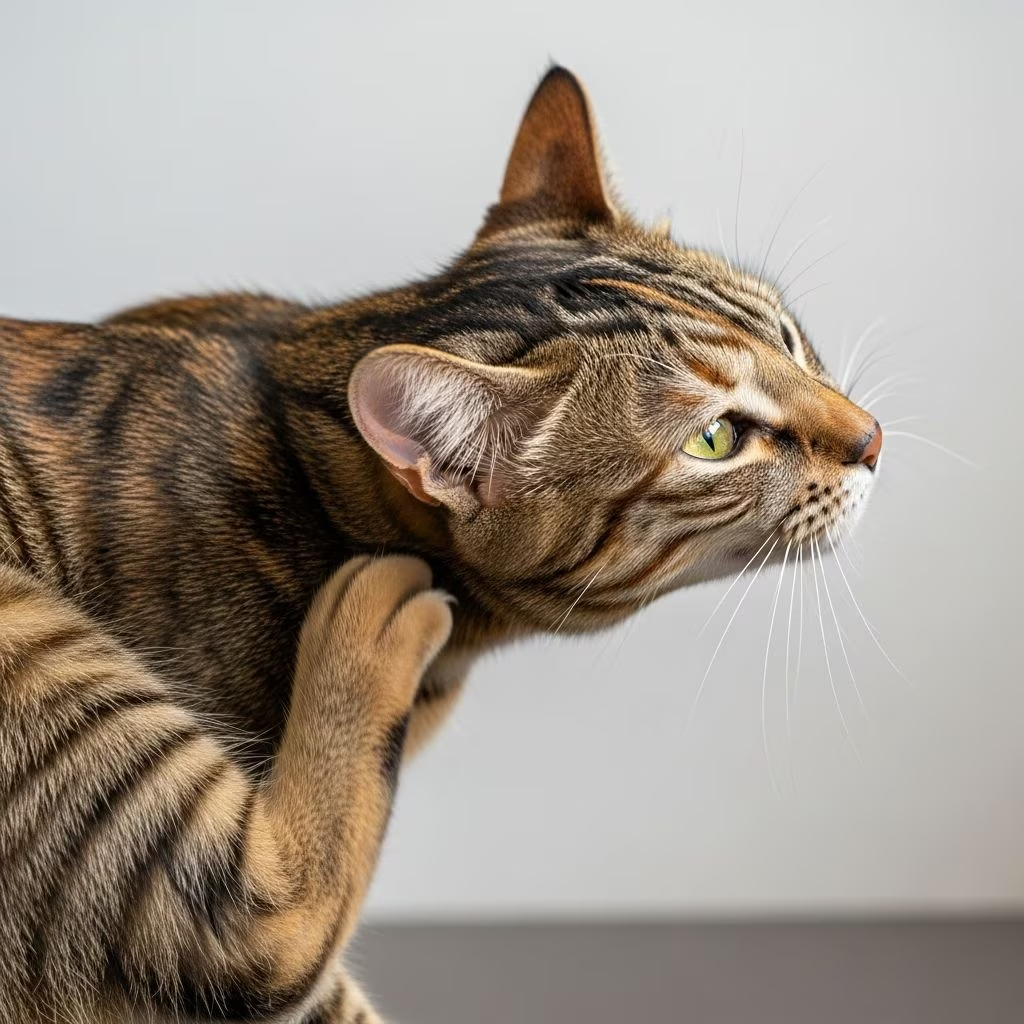
Understanding Flea Allergy in Cats
Flea allergy dermatitis, commonly referred to as FAD, is a hypersensitivity reaction that occurs when a cat’s immune system overreacts to proteins found in flea saliva. Unlike a simple flea infestation, cats with flea allergies develop intense itching and inflammatory responses even from a single flea bite. This condition can develop at any point throughout your cat’s life, regardless of age, and represents one of the most common allergic skin conditions in cats.
When fleas bite cats, their saliva enters the bloodstream and triggers an allergic response in susceptible individuals. It is important to note that cats with underlying allergies are more likely to develop flea allergy dermatitis than those without pre-existing allergic conditions. Fortunately, with proper treatment and management, cats with flea allergic dermatitis often live a normal and happy life.
Recognizing the Symptoms of Flea Allergy Dermatitis
The symptoms of flea allergy in cats can vary in severity but typically develop around specific areas of the body. Understanding these signs helps pet owners identify the condition early and seek veterinary care promptly.
Primary Symptoms
The most common symptoms associated with flea allergy dermatitis include:
– Intense itching, scratching, licking, or biting at specific areas- Hair loss, often on the neck, ear base, tail base, groin, and along the back- Constant grooming and overgrooming behavior- Restlessness or whining from discomfort- Rashes, crusts, scabs, or irritated skin- Red, raised bumps or papules
One notable presentation in cats is miliary dermatitis, which appears as tiny scabs around the neck or back that can look like crumbs or grit under the fur. These scabs develop as a result of the cat’s intense scratching and licking in response to the allergic reaction.
Secondary Complications
If flea allergy dermatitis is left untreated, secondary complications may develop. Constant scratching can lead to self-trauma, creating open wounds that become susceptible to bacterial or fungal infections. Signs of secondary infection include odor, thickened skin, crusty or oozing sores, and pustules. Additionally, some cats may develop tapeworms, typically witnessed as short, “rice-like” segments around the anus, as fleas can transmit these parasites.
Important Diagnostic Considerations
One key aspect of diagnosing flea allergy dermatitis is understanding that the absence of visible fleas does not rule out FAD. Cats are excellent groomers and often remove fleas before they become visually apparent. Additionally, you may see flea dirt (flea feces) on your cat’s skin, which appears as tiny black specks. However, a definitive diagnosis should always be confirmed by a veterinarian through physical examination and, if necessary, skin scrapings or other diagnostic tests.
Treatment Options for Flea Allergy Dermatitis
Treatment of flea allergy dermatitis in cats requires a comprehensive, two-part approach that addresses both the immediate symptoms and the underlying flea problem. Effective management combines relieving current symptoms while preventing future infestations.
Part 1: Relieving Symptoms
When your cat experiences a flare-up of symptoms, your veterinarian may prescribe medications to reduce the allergic reaction, inflammation, and itching:
Steroids and Anti-Itch Medications
Steroids such as prednisone or prednisolone are commonly prescribed to reduce allergic reactions and inflammation. These can be administered as tablets, injections, or topical creams. Alternative anti-itch medications like Apoquel®, Zenrelia®, or Cytopoint® may also be recommended depending on your cat’s specific needs and response to treatment.
Antibiotics for Skin Infections
If your cat has developed a secondary skin infection from scratching, antibiotics may be necessary. These are typically prescribed as oral tablets, injections, or medicated shampoos and creams. It is important to follow your veterinarian’s instructions carefully and complete the full course of antibiotics as prescribed. Commonly prescribed antibiotics include Clavamox (Amoxicillin/Clavulanate Potassium) and Cephalexin, among others.
Topical Treatments
Medicated baths or shampoos with antibacterial or antifungal properties help soothe irritated skin and prevent secondary infections. Topical sprays or creams containing anti-inflammatory ingredients may also provide localized relief. In cases where intense licking or scratching is causing significant wounds, your veterinarian may recommend an E-collar (cone) or recovery suit to prevent further self-trauma.
Part 2: Eliminating Fleas and Preventing Future Infestations
The most critical aspect of treating flea allergy dermatitis is establishing strict flea control. Since cats with this condition can experience reactions from even a single flea bite, comprehensive flea prevention is essential.
Flea Prevention Products
Many conventional flea treatments only kill fleas after they have already bitten your cat, meaning your pet may still experience allergic reactions. Therefore, using a combination of flea-killing products and flea repellents is often necessary to prevent bites altogether. Prescription flea preventatives are recommended year-round and include:
– Topical flea preventatives (Revolution, Advantage, Bravecto)- Oral medications (NexGard, Simparica, Capstar)- Injectable products like Credelio®- Veterinarian-approved flea collars such as Seresto
Your veterinarian can recommend the most appropriate product based on your cat’s individual needs, health status, and lifestyle. Consistency is key—flea control must be applied regularly to all pets in the household, including indoor-only cats.
Environmental Management
Approximately 95% of fleas in a flea infestation exist in the environment rather than on your pet’s body. Therefore, treating your home is crucial to breaking the flea life cycle. Recommended environmental treatments include:
– Treating your home with household sprays as advised by your veterinarian- Washing all bedding, blankets, and clothes your cat has contacted at temperatures exceeding 60 degrees Celsius- Thorough vacuuming to remove flea eggs and flea dirt, which serve as food sources for developing fleas- Disposing of vacuum debris in a sealed outdoor trash bin- Cleaning all surfaces where your cat spends time- Treating your car if your cat travels with you
All other pets in the household must also receive flea treatment with veterinarian-recommended products to prevent reinfection and cross-contamination.
Supportive Care
In addition to medications, your veterinarian may recommend supportive care measures to promote skin health and reduce itching. These may include omega-3 fatty acid supplements to support skin barrier function and hypoallergenic or limited-ingredient diets for cats with additional food sensitivities.
Timeline for Recovery
Once treatment begins, the timeline for symptom improvement varies. While some flea products begin killing fleas in as little as 30 minutes, it will take time for the inflammation and itching to subside. In most cases, symptoms should clear within a few weeks of starting comprehensive treatment. However, if a secondary bacterial or fungal infection has developed, recovery may take longer, and regular veterinary check-ups are important to ensure the infection has completely resolved.
Prevention Strategies
The best approach to managing flea allergy dermatitis is prevention. Since this condition can significantly impact your cat’s quality of life, implementing year-round flea prevention is far more effective than treating active flare-ups. Consistent application of veterinary-approved flea preventatives to all household pets, combined with environmental management, creates multiple barriers against flea infestations. Regular grooming and monitoring of your cat’s skin can also help catch early signs of problems before they escalate.
When to Contact Your Veterinarian
You should contact your veterinarian if you notice:
– Excessive scratching, licking, or grooming behavior- Hair loss or bald patches- Rashes, scabs, or crusty skin- Signs of skin infection or open wounds- Persistent restlessness or discomfort- Any combination of symptoms that suggests flea allergy dermatitis
Early intervention typically results in better outcomes and faster symptom relief. Your veterinarian can properly diagnose the condition and develop a treatment plan tailored to your cat’s specific needs.
Frequently Asked Questions About Flea Allergy in Cats
Q: Can indoor-only cats develop flea allergies?
A: Yes, indoor-only cats can develop flea allergies. Fleas can be brought into the home on clothing, shoes, or other pets, so year-round flea prevention is recommended for all cats regardless of lifestyle.
Q: How long does it take for symptoms to go away after starting treatment?
A: Symptoms typically take a few weeks to resolve once comprehensive treatment begins. While flea products may start killing fleas quickly, the inflammation and itching take longer to subside.
Q: Is flea allergy dermatitis curable?
A: While flea allergy dermatitis cannot be cured, it can be effectively managed with strict flea control and symptomatic treatment. With proper preventive care, most cats live normal, comfortable lives.
Q: Why don’t I see fleas on my cat even though the itch is severe?
A: Cats are excellent groomers and often remove fleas before they become visually apparent. Additionally, it only takes a single flea bite to trigger a severe allergic reaction in susceptible cats.
Q: Do I need to treat all my pets if one has flea allergies?
A: Yes, all pets in the household should receive flea treatment with veterinarian-recommended products to prevent reinfection and maintain the effectiveness of your management plan.
Q: Can diet help with flea allergy dermatitis?
A: While diet alone cannot treat flea allergies, hypoallergenic or limited-ingredient diets combined with omega-3 fatty acid supplements may support skin health and reduce inflammation in cats with additional sensitivities.
References
- Flea Allergic Dermatitis in Cats — People’s Dispensary for Sick Animals (PDSA). 2025. https://www.pdsa.org.uk/pet-help-and-advice/pet-health-hub/conditions/flea-allergy-in-cats
- Flea Allergy Dermatitis in Cats — Joii Pet Care. 2025. https://www.joiipetcare.com/blogs/infections-and-parasites/flea-allergy-dermatitis-in-cats
- What Is Flea Allergy Dermatitis in Cats? Symptoms, Causes, and Treatment — PetMD. 2025. https://www.petmd.com/cat/conditions/skin/what-flea-allergy-dermatitis-cats-symptoms-causes-and-treatment
- A Veterinary Dermatologist’s Guide to Flea Allergy Dermatitis: Prevention, Symptoms, and Treatment — Haarstad Veterinary Dermatology. 2025. https://www.haarstadveterinarydermatology.com/blogs/news/flea-allergy-dermatitis-prevention-symptoms-and-treatment
- The Best Treatments for Flea Allergy Dermatitis in Pets — Vets Marquette. 2025. https://vetsmarquette.com/the-best-treatments-for-flea-allergy-dermatitis-in-pets/
- Flea Allergy Dermatitis in Dogs and Cats — Merck Veterinary Manual. 2025. https://www.merckvetmanual.com/integumentary-system/fleas-and-flea-allergy-dermatitis/flea-allergy-dermatitis-in-dogs-and-cats
- Fleas & Flea Allergy — Animal Dermatology Group. 2025. https://www.animaldermatology.com/services/flea-flea-allergy



