

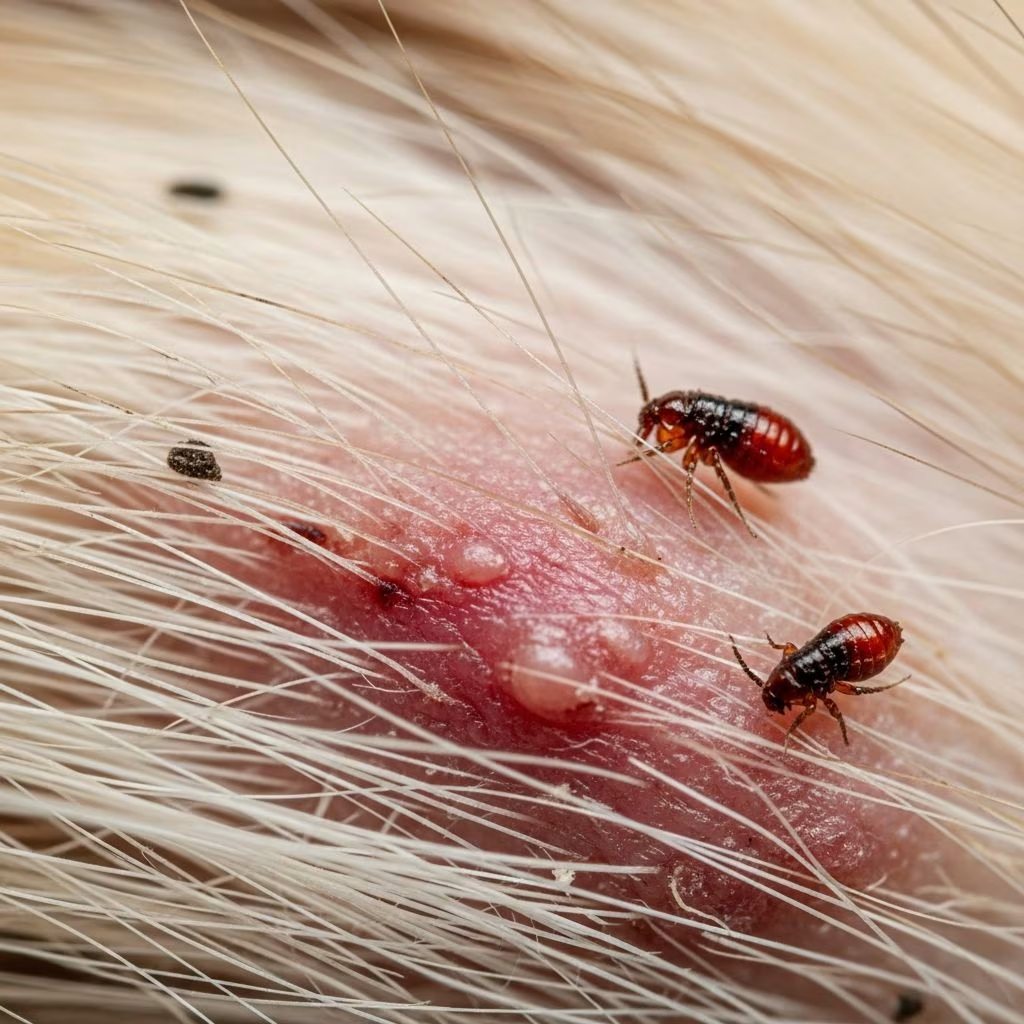
Flea allergy dermatitis (FAD) represents one of the most common allergic skin conditions affecting dogs and cats, triggered by hypersensitivity to flea saliva proteins. Even a single flea bite can provoke severe symptoms in sensitive pets, leading to intense discomfort and potential complications if untreated.
The Science Behind Flea Allergy Reactions
When fleas feed on a pet’s skin, they inject saliva containing proteins that most animals tolerate without issue. However, in pets with FAD, the immune system overreacts, releasing histamines and inflammatory mediators that cause prolonged itching and skin damage. This hypersensitivity affects up to 15% of dogs and is particularly prevalent in warmer climates where fleas thrive year-round.
The flea’s life cycle exacerbates the problem: eggs, larvae, and pupae can persist in environments for months, re-infesting pets despite initial treatments. Breaking this cycle requires targeted interventions beyond pet treatment alone.
Recognizing Early Warning Signs in Dogs and Cats
Early detection prevents escalation to secondary infections. Dogs typically show symptoms on the dorsal lumbosacral area (lower back), tail base, thighs, and abdomen, while cats often exhibit subtler signs like miliary dermatitis—small, crusty bumps resembling dandruff.
- Intense pruritus: Excessive scratching, chewing, or licking, often worse at night
- Alopecia: Patchy hair loss from self-trauma, frequently symmetrical
- Skin changes: Redness, papules, crusts, or hyperpigmentation
- Behavioral shifts: Restlessness, irritability, or reduced appetite due to pain
- Secondary issues: Pyoderma (bacterial infections), moist dermatitis (hot spots), or otitis in severe cases
In cats, overgrooming can mimic FAD, leading to ventral alopecia (belly baldness). Veterinary skin scrapings or flea combing confirm diagnosis, as clinical signs alone overlap with food or environmental allergies.
Comprehensive Diagnostic Approaches
Veterinarians start with a thorough history and physical exam, focusing on flea dirt (flea feces appearing as black pepper specks that turn red in water). Acetone tests or intradermal flea antigen injections aid confirmation. Ruling out differentials like atopy or scabies ensures accurate therapy.
| Diagnostic Tool | Purpose | Key Findings in FAD |
|---|---|---|
| Flea Combing | Detect live fleas or dirt | Positive in 90% of cases |
| Skin Cytology | Check for infections | Bacteria/yeast from self-trauma |
| Intradermal Testing | Confirm allergy | Positive wheal to flea extract |
| Trial Flea Control | Therapeutic diagnosis | Resolution within 4-6 weeks |
Step-by-Step Treatment Protocols
Treatment divides into immediate symptom relief, flea eradication, and skin restoration. Success hinges on owner compliance with multi-modal plans.
1. Controlling the Flea Infestation
Year-round preventatives target all life stages. Veterinary products outperform over-the-counter options due to resistance patterns.
- Oral isoxazolines: Simparica, NexGard, Credelio (monthly, kill within hours)
- Topicals: Revolution Plus, Bravecto (8-month duration for some)
- Collars: Seresto (8 months, repels and kills)
Treat all household pets simultaneously and apply premise cleaners (IGRs like methoprene) weekly for 3-4 weeks.
2. Alleviating Itch and Inflammation
Short-term glucocorticoids like prednisone (0.5-1 mg/kg/day, tapered) provide rapid relief but require monitoring for side effects. Alternatives include Apoquel, Cytopoint (IL-31 inhibitor, lasts 4-8 weeks), or oclacitinib.
3. Managing Secondary Infections
Cefovecin or cephalexin antibiotics pair with antifungal shampoos (chlorhexidine, miconazole) for 2-4 weeks. Oatmeal or ceramide-based baths restore the barrier.
Long-Term Management for Lasting Relief
Prevent recurrence with consistent protocols. Omega-3 supplements (EPA/DHA at 50-100 mg/kg) reduce inflammation chronically. Hypoallergenic diets or novel protein trials address concurrent allergies.
- Vaccuum daily, wash bedding in hot water weekly
- Enclose yard treatments if outdoor access
- Annual vet flea checks
Immunotherapy (flea saliva desensitization) shows promise in refractory cases, per Merck guidelines.
Differences Between Dogs and Cats
| Aspect | Dogs | Cats |
|---|---|---|
| Common Sites | Tail base, back, thighs | Neck, back, head (miliary dermatitis) |
| Symptom Severity | Dramatic hair loss, hot spots | Subtle overgrooming, scabs |
| Treatments | Oral meds dominant | Topicals, Revolution Plus preferred |
FAQs on Flea Allergy Dermatitis
What triggers FAD in indoor pets?
Even indoor pets face risk from fleas carried on clothing, rodents, or other animals. Eggs hatch indoors year-round.
How long until improvement?
With strict control, 70% improve in 2-4 weeks; full recovery may take 8 weeks.
Are natural remedies effective?
Limited evidence; essential oils risk toxicity. Vet products are safest.
Can FAD resolve without meds?
No—flea elimination alone insufficient; anti-itch therapy essential.
Cost of treatment?
Initial: $100-300; monthly preventives: $15-25. Pet insurance offsets recurrent costs.
Preventive Strategies for Flea-Free Homes
Proactive measures outperform reactive care. Integrate flea control into routine wellness, per AAHA guidelines. Monitor with monthly combings and prompt vet visits for suspected reactions.
References
- A Veterinary Dermatologist’s Guide to Flea Allergy Dermatitis: Prevention, Symptoms and Treatment — Haarstad Veterinary Dermatology. 2023. https://www.haarstadveterinarydermatology.com/blogs/news/flea-allergy-dermatitis-prevention-symptoms-and-treatment
- Comprehensive Guide to Flea Allergy Dermatitis for Pet Owners — Santa Monica Vet. 2024. https://santamonicavet.com/comprehensive-care-for-flea-allergy-dermatitis-a-santa-monica-pet-owners-guide/
- Flea Lifecycles — CDC. 2025. https://www.cdc.gov/parasites/fleas/index.html
- Flea Allergy Dermatitis in Dogs and Cats — Merck Veterinary Manual. 2025-02-15. https://www.merckvetmanual.com/integumentary-system/fleas-and-flea-allergy-dermatitis/flea-allergy-dermatitis-in-dogs-and-cats
- Flea Allergy Dermatitis in Dogs | Causes, Symptoms & Treatment — Express Vets. 2024. https://www.expressvets.com/blog/flea-allergy-dermatitis-in-dogs-causes-symptoms-treatment—express-vets
- Flea Allergy Dermatitis in Dogs — VCA Animal Hospitals. 2024. https://vcahospitals.com/know-your-pet/allergy-flea-allergy-dermatitis-in-dogs



