
Flea Allergy Dermatitis in Pets
Understand flea allergy dermatitis symptoms, causes, and effective treatments for dogs and cats to keep your pets itch-free and healthy.
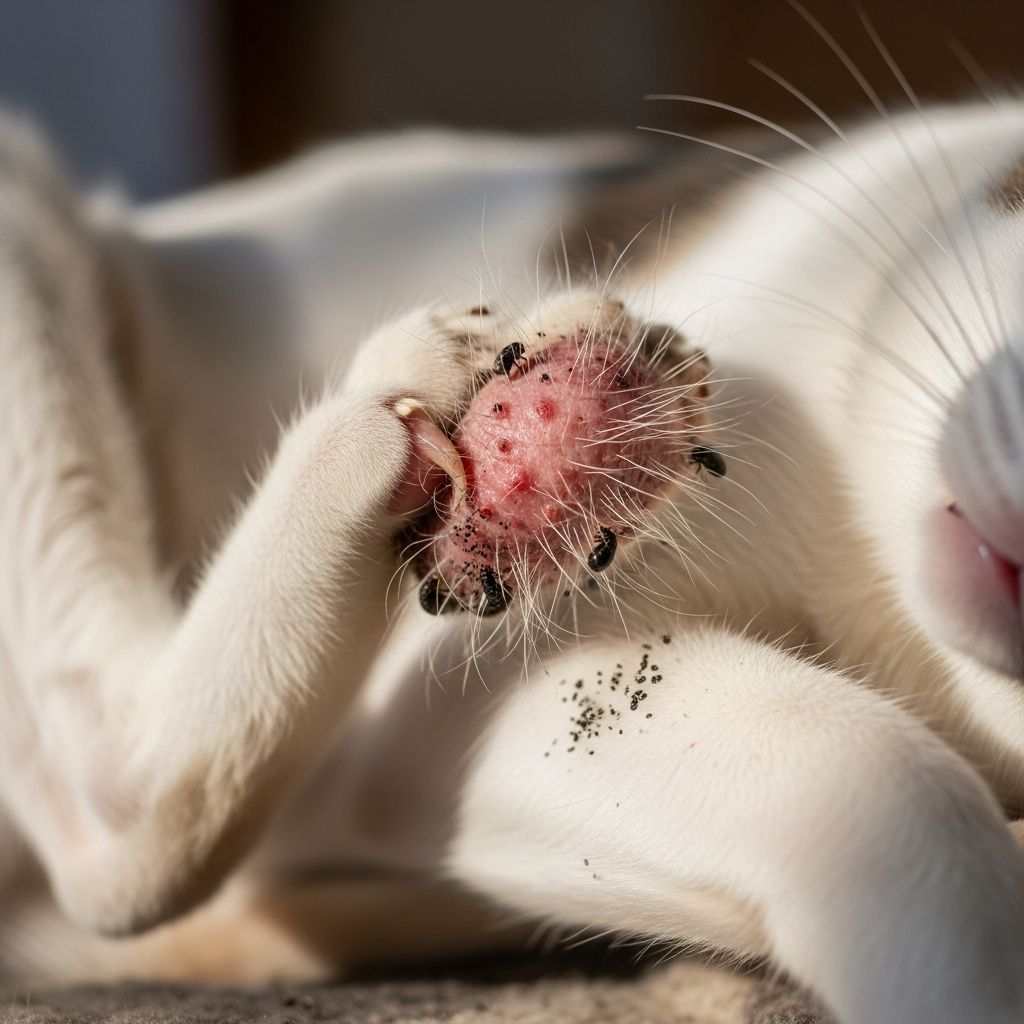
Flea allergy dermatitis (FAD) represents one of the most prevalent skin conditions affecting dogs and cats, triggered by an immune overreaction to flea saliva proteins. Even a single bite can provoke severe symptoms in hypersensitive animals, leading to persistent discomfort if not addressed promptly.
Understanding the Roots of Flea Allergy Dermatitis
The condition arises when fleas bite pets, injecting saliva containing proteins that most animals tolerate without issue. In those with FAD, the immune system releases histamines, sparking inflammation, redness, and extreme itching. This hypersensitivity means symptoms can emerge from minimal flea exposure, not necessarily heavy infestations.
Fleas thrive in warm environments, completing their life cycle—egg, larva, pupa, adult—rapidly under ideal conditions. Adults represent only 5% of the population, with the rest hidden in surroundings like carpets and bedding, perpetuating reinfestation risks.
Recognizing Symptoms in Dogs
Dogs with FAD typically exhibit intense pruritus (itching) concentrated in the ‘flea triangle’: the dorsal lumbosacral area (lower back), tail base, and caudal thighs. Affected pets scratch, chew, or lick excessively, resulting in hair loss (alopecia), erythematous skin, papulocrustous lesions, and potential hot spots or self-trauma.
- Persistent scratching or biting at the rump, tail, and hind legs
- Hair loss and scaly, red skin in affected areas
- Development of secondary infections from broken skin
- Behavioral changes like restlessness or irritability due to discomfort
Symptoms may extend to the belly, flanks, or paws in severe cases, mimicking other allergies but distinguished by their rapid response to flea control.
Identifying Signs in Cats
Cats display more variable presentations, ranging from mild to severe. The hallmark is miliary dermatitis—small, crusted papules resembling millet seeds—primarily along the back, neck, and face. Generalized pruritus leads to overgrooming, causing alopecia, especially in a ‘racing stripe’ pattern on the dorsal midline.
- Crusted bumps and excessive grooming on the neck, back, and tail
- Symmetrical hair loss on flanks or abdomen
- Facial or ear dermatitis with scabs
- Occasional eosinophilic plaques or indolent ulcers as complications
Unlike dogs, fleas may be scarce or absent on examination, complicating initial suspicion.
Diagnostic Approaches for Accurate Identification
Veterinarians rely on history, clinical signs, and targeted tests. The classic distribution in the flea triangle strongly suggests FAD, often confirmed by a therapeutic trial: rapid improvement post-flea elimination validates the diagnosis.
Flea combing can reveal dirt (flea feces) turning red on moistening (digested blood test). For confirmation, intradermal skin testing or serum IgE assays detect flea-specific allergies, though not always necessary given the condition’s responsiveness.
Differential diagnoses include food allergies, atopy, or scabies, necessitating exclusion via response to strict flea control and environmental management.
Comprehensive Treatment Strategies
Effective management combines immediate symptom relief with rigorous flea eradication. Anti-inflammatory therapies like short-term corticosteroids (e.g., prednisone at 0.5–1 mg/kg/day, tapering to alternate days) or modern options such as oclacitinib (Apoquel), lokivetmab (Cytopoint), or cyclosporine quickly curb pruritus.
| Treatment Type | Examples | Application | Purpose |
|---|---|---|---|
| Anti-itch Medications | Prednisone, Apoquel, Cytopoint | Oral/injectable | Reduce inflammation and pruritus |
| Topical Therapies | Medicated shampoos, sprays | Baths/external | Soothe skin, prevent infection |
| Antibiotics/Antifungals | Cephalexin, ketoconazole | Oral/topical | Treat secondary infections |
| Protective Devices | E-collars, recovery suits | Wearable | Prevent self-trauma |
Supportive care includes oatmeal baths or aloe for natural soothing.
Eradicating Fleas: On-Pet and Environmental Control
Flea control demands multifaceted action. Rapid-kill adulticides like afoxolaner, fluralaner (dogs), lotilaner, sarolaner, spinosad, or nitenpyram target existing fleas within hours.
Long-term preventatives—topical (fipronil, imidacloprid, selamectin), oral isoxazolines (Credelio, Simparica, NexGard, Bravecto), or collars—provide 1–3 months protection. Insect growth regulators (IGRs) like methoprene or pyriproxyfen inhibit egg/larval development.
Environmental treatment is crucial: vacuum daily, wash bedding in hot water, and apply premise sprays with adulticides plus IGRs. Treat all household pets simultaneously.
Prevention: Year-Round Vigilance
Prevent recurrence with continuous, vet-recommended flea preventatives tailored to lifestyle and regional flea pressures. Monthly administration year-round, regardless of season, breaks the life cycle effectively.
- Consult vets for species-appropriate products (e.g., Revolution Plus for cats)
- Regular home cleaning and yard maintenance
- Monitor for early signs during grooming
- Avoid over-the-counter products lacking proven efficacy
Potential Complications and Prognosis
Untreated FAD risks pyoderma, Malassezia dermatitis, or anal sacculitis from chronic irritation. With diligent flea control, most pets achieve full resolution; steroids taper off as itching subsides, avoiding long-term use.
Prognosis excels with owner compliance—90% improvement typical within weeks of integrated therapy.
Frequently Asked Questions (FAQs)
Can one flea cause FAD symptoms?
Yes, hypersensitive pets react intensely to a single bite’s saliva proteins.
How long until treatment works?
Pruritus often eases in days with combined flea kill and anti-inflammatories.
Is FAD contagious?
No, but fleas spread easily to other pets and home.
What if symptoms persist after flea control?
Reevaluate for co-existing allergies or resistance; consult a veterinary dermatologist.
Are natural remedies sufficient?
They soothe mildly but lack speed/efficacy of prescription options for severe cases.
References
- Comprehensive Guide to Flea Allergy Dermatitis for Pet Owners — Santa Monica Vet. 2023. https://santamonicavet.com/comprehensive-care-for-flea-allergy-dermatitis-a-santa-monica-pet-owners-guide/
- Flea Allergy Dermatitis in Dogs and Cats — Merck Veterinary Manual. 2024-10-15. https://www.merckvetmanual.com/integumentary-system/fleas-and-flea-allergy-dermatitis/flea-allergy-dermatitis-in-dogs-and-cats
- Flea Allergy Dermatitis in Dogs: Causes, Symptoms & Treatment — Express Vets. 2023. https://www.expressvets.com/blog/flea-allergy-dermatitis-in-dogs-causes-symptoms-treatment—express-vets
- A Veterinary Dermatologist’s Guide to Flea Allergy Dermatitis — Haarstad Veterinary Dermatology. 2024. https://www.haarstadveterinarydermatology.com/blogs/news/flea-allergy-dermatitis-prevention-symptoms-and-treatment
- Fleas & Flea Allergy — Animal Dermatology Group. 2023. https://www.animaldermatology.com/services/flea-flea-allergy
- Flea Allergy Dermatitis: Prevention and Treatment — Midtown Veterinary Hospital. 2024. https://mvethospital.com/flea-allergy-dermatitis-prevention-and-treatment/
Similar Articles








Read full bio of Sneha Tete


