

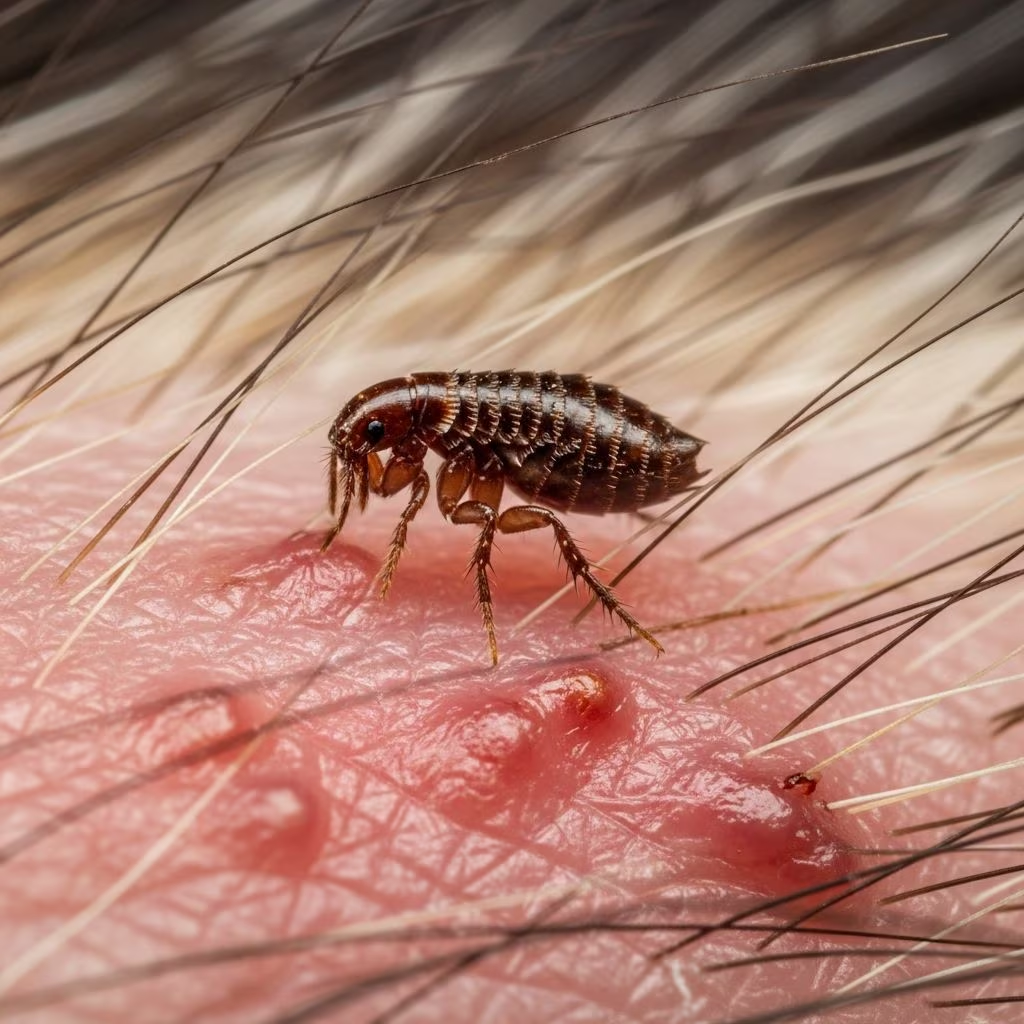
Flea allergy dermatitis (FAD) affects many dogs and cats, triggered by an allergic reaction to flea saliva. Even a single bite can cause severe itching and skin problems, making prompt recognition and treatment essential for pet comfort.
Understanding the Roots of Flea Allergy Dermatitis
FAD develops when pets hypersensitive to proteins in flea saliva experience an immune overreaction. Fleas feed by piercing the skin and injecting saliva, which contains allergens that provoke inflammation in allergic animals. Not all pets react this way; only those with genetic predispositions show dramatic symptoms.
The flea’s life cycle exacerbates the issue: eggs, larvae, pupae, and adults spread indoors and outdoors, sustaining infestations. Warm, humid environments accelerate reproduction, but year-round prevention remains crucial everywhere.
Recognizing FAD Symptoms in Dogs
Dogs with FAD often display intense **pruritus** (itching) focused on the dorsal lumbosacral area, tail base, and hind legs. Common signs include:
- Red, inflamed skin with papules and crusts
- Excessive scratching, biting, or licking leading to hair loss (alopecia)
- Moist dermatitis or hot spots from self-trauma
- Secondary bacterial infections causing odor and pus
Symptoms vary by exposure level and concurrent conditions, but the pattern typically spares the head and front legs.
Spotting FAD in Cats
Cats manifest FAD differently, often with **miliary dermatitis**—small, crusty papules on the neck, back, and face. Key indicators are:
- Generalized itching prompting overgrooming and symmetric hair loss
- “Racing stripe” alopecia along the back
- Facial or ear edge excoriations
- Eosinophilic plaques or severe scaling in advanced cases
Cats may hide discomfort, so monitor for subtle signs like restlessness or excessive grooming.
How Veterinarians Diagnose Flea Allergies
Diagnosis combines history, clinical exam, and flea combing to detect flea dirt (digested blood appearing as pepper-like specks). Intradermal skin testing or serology confirms flea-specific IgE in some cases. Ruling out differentials like food allergies or sarcoptic mange is vital.
| Method | Description | Advantages |
|---|---|---|
| Flea Comb Exam | Comb skin to find fleas or dirt | Quick, non-invasive |
| Skin Scraping | Check for mites or infections | Identifies secondaries |
| Allergy Testing | Intradermal or blood tests | Confirms hypersensitivity |
Core Treatment: Eradicating Fleas
Eliminating fleas is paramount. Use vet-recommended products targeting all life stages:
- Topicals: Fipronil, imidacloprid, selamectin (e.g., Revolution, Advantage)
- Orais: Afoxolaner, fluralaner, sarolaner (e.g., NexGard, Bravecto, Simparica), spinosad
- Collars: Seresto for 8-month protection
Treat all household pets simultaneously, even indoors-only ones.
Managing Itch and Skin Inflammation
Symptom relief involves:
- Anti-itch injectables: Cytopoint (lokivetmab) or Apoquel (oclacitinib) for rapid, side-effect-light control
- Corticosteroids: Short-term prednisone for severe cases, tapered to minimize risks
- Antihistamines and omegas: Supplements for mild support
- Medicated baths: Oatmeal or chlorhexidine shampoos to soothe and clean
Antibiotics treat secondary pyoderma; duration varies by severity.
Environmental Flea Control Strategies
Premises harbor 95% of fleas, so clean thoroughly:
- Vacuum daily (carpets, furniture, cracks); seal and discard bags outdoors
- Wash bedding in hot water weekly
- Apply IGRs like methoprene or pyriproxyfen sprays/foggers to kill eggs/larvae
- Yard treatment: Beneficial nematodes or professional services
Modern systemic flea meds often suffice without heavy premise treatments.
Year-Round Prevention Essentials
Prevent relapse with consistent protocols:
| Product Type | Examples | Duration | Suitable For |
|---|---|---|---|
| Oral Chewables | NexGard, Simparica | 1 month | Dogs |
| Topical Spot-On | Revolution, Frontline | 1 month | Dogs & Cats |
| Injectable | Bravecto | 3-6 months | Dogs |
| Collars | Seresto | 8 months | Dogs & Cats |
Consult vets for tailored plans, especially multi-pet homes.
Potential Complications and Monitoring
Untreated FAD leads to chronic skin thickening (lichenification), recurrent infections, or behavioral changes from pain. Monitor progress weekly; adjust if no improvement in 7-14 days. Nutrition aids recovery—consider omega-3 enriched diets.
FAQs on Flea Allergy Dermatitis
Can indoor pets get FAD?
Yes, fleas hitchhike indoors via shoes, clothing, or wildlife.
How quickly do treatments work?
Flea kills start in hours (e.g., Capstar); itch relief in days with injectables.
Is FAD curable?
Not curable, but fully manageable with prevention.
What if my pet reacts to flea meds?
Switch products under vet guidance; rare allergies occur.
Do natural remedies suffice?
No—vet products are safest and most effective; avoid essential oils.
Long-Term Management for Healthy Skin
Integrate flea control into routine care. Annual vet checks catch issues early. Hypoallergenic diets help if food allergies coexist. Educate families on flea vigilance—prevention beats cure.
(Word count: 1678)
References
- The Best Treatments for Flea Allergy Dermatitis in Pets — Vets Marquette. 2023. https://vetsmarquette.com/the-best-treatments-for-flea-allergy-dermatitis-in-pets/
- Flea Allergy Dermatitis in Dogs and Cats — Merck Veterinary Manual. 2023-10-17. https://www.merckvetmanual.com/integumentary-system/fleas-and-flea-allergy-dermatitis/flea-allergy-dermatitis-in-dogs-and-cats
- Flea Allergy Dermatitis in Dogs: Signs, Treatment & Prevention — UrgentVet. 2024. https://urgentvet.com/flea-allergy-dermatitis-in-dogs/
- What Is Flea Allergy Dermatitis in Cats? — PetMD. 2024. https://www.petmd.com/cat/conditions/skin/what-flea-allergy-dermatitis-cats-symptoms-causes-and-treatment
- A Veterinary Dermatologist’s Guide to Flea Allergy Dermatitis — Haarsad Veterinary Dermatology. 2023. https://www.haarstadveterinarydermatology.com/blogs/news/flea-allergy-dermatitis-prevention-symptoms-and-treatment
- Flea Allergy Dermatitis in Cats — VCA Animal Hospitals. 2024. https://vcahospitals.com/know-your-pet/allergy-flea-allergy-in-cats



