

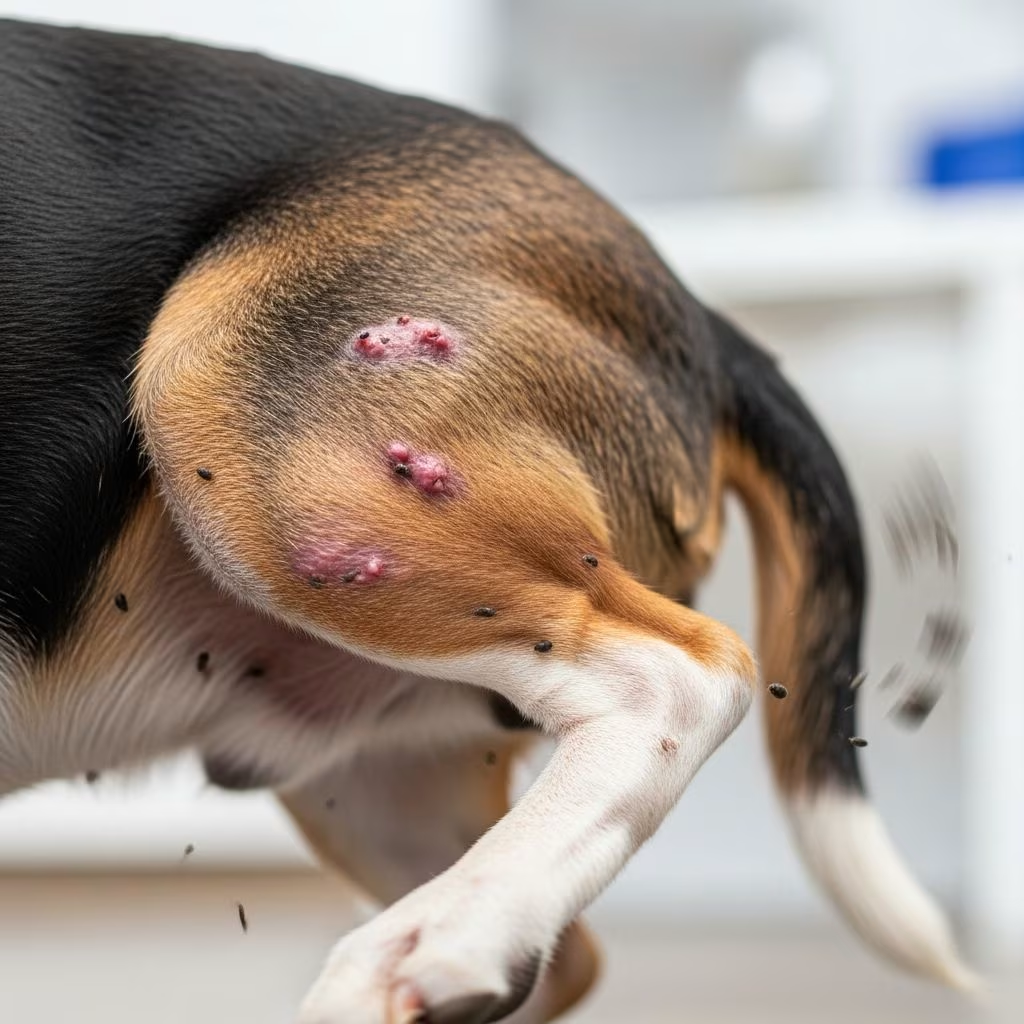
Understanding Flea Allergy Dermatitis in Dogs
Flea allergy dermatitis (FAD) is one of the most common allergic skin conditions affecting dogs today. Unlike a simple flea bite reaction that most dogs experience, FAD represents an exaggerated immune response to proteins found in flea saliva. When a flea bites a dog, it injects a small amount of saliva containing these proteins into the skin. For dogs with flea allergy dermatitis, even a single flea bite can trigger an intense and prolonged allergic reaction that causes significant discomfort and skin damage.
What makes FAD particularly challenging for pet owners is that it doesn’t require a heavy flea infestation to develop. A hypersensitive dog may experience weeks of intense itching and skin problems from just one or two flea bites. This means that even dogs on preventative medication can occasionally develop symptoms if they experience breakthrough flea exposure. Understanding this condition is essential for dog owners who want to maintain their pet’s skin health and overall quality of life.
Symptoms and Clinical Signs of FAD
The symptoms of flea allergy dermatitis can vary in severity, but certain signs are characteristic of this condition. Recognizing these symptoms early allows for prompt veterinary intervention and prevents complications.
Primary Symptoms
The most notable symptom of flea allergy dermatitis is persistent and intense itching, often more severe than what you would expect from typical flea bites. This itching typically concentrates in specific areas of the body:
– Base of the tail- Lower back and rump area- Thighs and hind legs- Belly and underside- Neck and shoulder regions
This pattern of itching is sometimes referred to as the “flea triangle” and is a classic indicator of FAD. Dogs with this condition will scratch, chew, lick, or bite at affected areas excessively, sometimes to the point of causing injury to themselves.
Secondary Symptoms and Complications
As dogs continue to scratch and bite at their skin, secondary complications often develop. These may include:
– Hair loss and baldness in affected areas- Red, inflamed, and irritated skin- Development of open sores and hot spots- Crusting and scabbing of the skin- Skin thickening and darkening (lichenification)- Secondary bacterial infections from constant scratching- Yeast infections due to compromised skin barrier
The constant trauma from scratching and licking can break down the skin’s protective barrier, allowing bacteria and yeast to colonize the affected areas. This is why many dogs with FAD develop secondary skin infections that require additional treatment beyond flea control.
Risk Factors and Predisposition
While any dog can develop flea allergy dermatitis, certain factors increase the likelihood of developing this condition. Understanding these risk factors can help you determine if your dog is at higher risk and warrant closer monitoring.
Age and Breed Susceptibility
Research indicates that flea allergy dermatitis is more commonly diagnosed in middle-aged dogs, though it can occur at any age. Certain dog breeds appear to have a genetic predisposition to skin sensitivities and allergies, making them more vulnerable to developing FAD. Dogs with compromised immune systems are also at increased risk, as their immune response may be dysregulated.
Other Contributing Factors
Dogs that suffer from other allergic conditions, such as food allergies or atopic dermatitis, are more likely to develop flea allergy dermatitis. Additionally, dogs living in warm, humid climates or those with limited flea prevention tend to have higher rates of FAD. Environmental factors, stress levels, and overall health status can all influence the severity and frequency of allergic reactions.
Diagnosis of Flea Allergy Dermatitis
Veterinarians use several diagnostic approaches to confirm flea allergy dermatitis and rule out other skin conditions that may present with similar symptoms.
Physical Examination and History
The diagnostic process typically begins with a thorough physical examination and detailed history of your dog’s symptoms. Your veterinarian will look for characteristic signs such as scratching patterns, hair loss distribution, and skin inflammation. They will ask about the onset of symptoms, their seasonality, and how your dog has responded to previous treatments. The classic presentation of itching concentrated in the “flea triangle” area often provides strong clinical indication of FAD.
Flea Detection Methods
Your veterinarian may perform a flea comb examination to detect live fleas or flea dirt (fecal matter). Flea dirt appears as small black specks and can be confirmed by placing it on wet white paper—it will turn reddish-brown as the blood content dissolves. In some cases, skin scrapings may be performed to rule out other parasitic causes of itching, such as mange mites.
Allergy Testing
For cases where the diagnosis is unclear or when managing multiple allergies, veterinarians may recommend specialized allergy testing. Intradermal allergy tests involve injecting small amounts of allergen extracts into the skin and observing for reactions, similar to allergy testing performed in humans. Alternatively, IgE blood tests can measure specific antibody levels to flea allergens. However, because FAD typically responds so quickly to proper flea control and treatment, formal allergy testing is not always necessary for diagnosis.
Treatment Approach for Flea Allergy Dermatitis
Treating flea allergy dermatitis requires a comprehensive two-part approach: eliminating the fleas and managing the allergic symptoms. Both components are essential for successful treatment and prevention of future episodes.
Part 1: Flea Elimination and Prevention
The foundation of FAD treatment is effective flea control. Your veterinarian will recommend prescription-strength flea preventatives that are more potent and reliable than over-the-counter options. These medications work through various mechanisms to kill adult fleas and interrupt the flea life cycle.
Prescription Flea Prevention Options:
– Oral medications (Simparica, NexGard, Credelio, Bravecto)- Topical treatments (Revolution Plus, Advantage, Bravecto Plus)- Long-acting flea collars (Seresto)- Injectable options for dogs that cannot tolerate oral or topical treatments
It’s crucial to treat all pets in the household simultaneously, as fleas can spread between animals. Additionally, environmental treatment is necessary to eliminate flea eggs and larvae from bedding, carpets, furniture, and outdoor areas. Your veterinarian may recommend environmental sprays containing insecticides or insect growth regulators (IGRs) that prevent flea reproduction.
Part 2: Symptom Management and Skin Healing
While flea control is being implemented, managing your dog’s discomfort is equally important. Several medication classes can provide relief from itching and inflammation.
Anti-Itch Medications:
– Corticosteroids (prednisone, prednisolone): Provide rapid relief from acute itching episodes; often bring “miraculous” relief but typically used short-term due to potential side effects with prolonged use- Oclacitinib (Apoquel®): A newer alternative to steroids that selectively targets itch pathways without the side effects associated with systemic corticosteroids- Lokivetmab (Cytopoint®): A monoclonal antibody injection that provides targeted anti-itch relief for several weeks- Topical treatments: Sprays, creams, and medicated shampoos to soothe affected areas
Supporting Skin Recovery:
– Medicated shampoos with antibacterial or antifungal properties- Omega-3 fatty acids to reduce inflammation and support skin barrier function- Oatmeal-based or aloe-infused shampoos for soothing relief- Moisturizing topicals to repair the skin barrier
If your dog has developed a secondary bacterial or yeast infection from excessive scratching, antibiotics or antifungal medications will be prescribed. In severe cases, your veterinarian may recommend an Elizabethan collar or recovery suit to prevent further self-trauma while the skin heals.
Recovery Timeline and Long-Term Management
Most dogs show significant improvement within a few weeks once proper flea control is established and anti-itch medications are started. However, the timeline can vary depending on the severity of the condition and the presence of secondary infections.
For dogs with frequent or severe reactions to flea bites, ongoing management is necessary. This includes:
– Year-round flea prevention without interruption- Regular veterinary check-ups to monitor skin health- Consistent grooming and skin hygiene practices- Monitoring for early signs of flea exposure or allergic flare-ups- Consideration of additional allergy management if your dog has multiple allergic conditions
Prevention Strategies
Preventing flea allergy dermatitis is far more effective than treating it after symptoms develop. Consistent year-round flea prevention is the most important preventative measure.
Year-Round Flea Prevention
Many pet owners mistakenly believe that flea prevention is only necessary during warm months. However, indoor environments can sustain flea populations even during winter, and outdoor fleas can survive in protected areas. For dogs with FAD, any gap in flea prevention can result in exposure and allergic flare-ups.
Environmental Management
Maintaining a flea-free environment is essential for long-term management. Regular Cleaning of bedding, carpets, and furniture helps eliminate flea eggs and larvae. Vacuuming frequently, washing pet bedding in hot water weekly, and treating outdoor areas where your dog spends time all contribute to comprehensive flea control.
Lifestyle Modifications
Avoiding areas with known flea populations and minimizing contact with stray animals can reduce exposure risk. Regular grooming and bathing help maintain skin health and allow early detection of any flea activity. A healthy diet rich in omega-3 fatty acids supports optimal skin function and can enhance the natural skin barrier.
Frequently Asked Questions About Flea Allergy Dermatitis
Q: Can a dog develop flea allergy dermatitis if it’s on flea prevention?
A: Yes, breakthrough flea exposure can occasionally occur even with preventative medication. If a dog experiences a flea bite while on prevention, it may still develop an allergic reaction if it is hypersensitive. This is why consistent, year-round prevention from a reputable source is important.
Q: How long does it take to see improvement after starting treatment?
A: Most dogs show noticeable improvement within one to two weeks of starting appropriate flea control and anti-itch medications. Significant healing typically occurs within four to six weeks, though individual timelines vary.
Q: Is flea allergy dermatitis contagious to other pets or humans?
A: FAD itself is not contagious, but fleas are. If one dog has fleas and develops FAD, other pets in the household can acquire fleas and potentially develop FAD as well. Humans are not affected by flea bites in the same way as dogs.
Q: Can diet help manage flea allergy dermatitis?
A: While diet alone cannot treat FAD, a high-quality diet rich in omega-3 fatty acids and essential nutrients supports skin health and can enhance the skin barrier function. This may help reduce the severity of allergic reactions.
Q: What should I do if my dog shows signs of flea allergy dermatitis?
A: Contact your veterinarian promptly. Early intervention prevents complications and reduces your dog’s suffering. Your vet will diagnose the condition and prescribe appropriate flea prevention and symptom management medications.
Q: Are there natural or alternative treatments for flea allergy dermatitis?
A: While natural remedies may provide temporary relief, prescription flea prevention and proven anti-itch medications are most effective. Always consult your veterinarian before using alternative treatments, as some may be ineffective or even harmful.
When to Seek Emergency Veterinary Care
While most cases of FAD can be managed with routine veterinary care, certain situations warrant emergency attention. Take your dog to an emergency veterinary clinic if you notice:
– Severe, widespread hair loss- Large open wounds or sores that are bleeding or oozing- Signs of infection such as pus, excessive swelling, or warmth in affected areas- Your dog showing signs of severe distress or inability to sleep due to itching- Rapid worsening of symptoms despite treatment
Emergency care ensures your dog receives prompt intervention to prevent serious complications and provide relief from acute suffering.
Conclusion
Flea allergy dermatitis is a manageable condition when approached with proper veterinary guidance and consistent preventative care. By understanding the causes, recognizing symptoms early, and implementing comprehensive treatment strategies, you can significantly improve your dog’s quality of life. The key to success lies in maintaining year-round flea prevention, prompt veterinary consultation when symptoms appear, and following your veterinarian’s recommendations for both flea control and symptom management. With dedication to prevention and treatment, most dogs with FAD can live comfortably without experiencing frequent flare-ups.
References
- Flea Allergy Dermatitis in Dogs and Cats – Integumentary System — Merck Veterinary Manual. 2024. https://www.merckvetmanual.com/integumentary-system/fleas-and-flea-allergy-dermatitis/flea-allergy-dermatitis-in-dogs-and-cats
- Flea Allergy Dermatitis in Dogs – VCA Animal Hospitals — VCA Animal Hospitals. 2024. https://vcahospitals.com/know-your-pet/allergy-flea-allergy-dermatitis-in-dogs
- A Veterinary Dermatologist’s Guide to Flea Allergy Dermatitis: Prevention, Symptoms and Treatment — Haarstad Veterinary Dermatology. 2024. https://www.haarstadveterinarydermatology.com/blogs/news/flea-allergy-dermatitis-prevention-symptoms-and-treatment
- Flea Allergy Dermatitis in Dogs – Express Vets — Express Vets. 2024. https://www.expressvets.com/blog/flea-allergy-dermatitis-in-dogs-causes-symptoms-treatment—express-vets
- Flea Allergic Dermatitis in Dogs: Urgent Signs and Rapid Relief Guide — GSVS (Golden State Veterinary Specialists). 2024. https://gsvs.org/blog/urgent-flea-allergic-dermatitis-dogs/



