

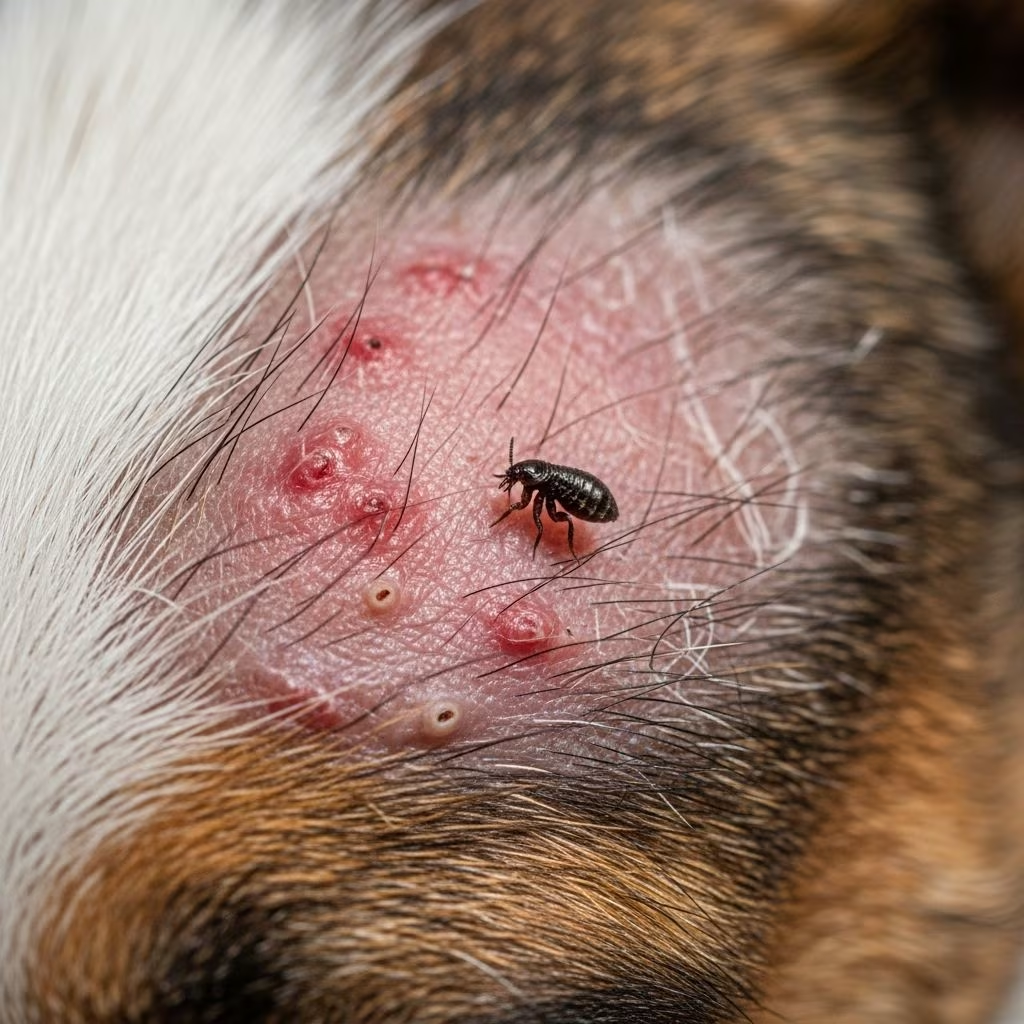
Flea Allergy Dermatitis in Dogs
Flea allergy dermatitis (FAD) is one of the most common allergic skin conditions affecting dogs today. Unlike general flea infestations that cause mild itching, FAD represents a hypersensitive immune response to proteins present in flea saliva. This condition can significantly impact your dog’s quality of life, causing intense discomfort and leading to serious secondary skin infections if left untreated. Understanding this condition, recognizing its symptoms, and knowing treatment options are essential for any dog owner concerned about their pet’s health and well-being.
What Is Flea Allergy Dermatitis?
Flea allergy dermatitis is an allergic reaction that occurs when a dog’s immune system becomes hypersensitive to specific proteins found in flea saliva. When a flea bites a dog, it injects a small amount of saliva into the skin. In dogs without FAD, this typically causes mild irritation. However, in dogs with flea allergy dermatitis, even a single flea bite can trigger an intense and prolonged immune response that results in severe itching, inflammation, and skin damage.
What makes FAD particularly challenging is that it doesn’t require a heavy flea infestation to develop. A dog with hypersensitivity to flea saliva proteins may experience weeks of intense itching from just one or two flea bites. This means that outdoor dogs, indoor dogs, or even strictly indoor pets can develop FAD if exposed to fleas, making year-round prevention crucial.
Recognizing the Symptoms of Flea Allergy Dermatitis
The symptoms of flea allergy dermatitis are often distinctive and can help veterinarians identify the condition. The most prominent symptom is persistent and intense itching, typically concentrated in specific body areas.
Common Symptom Locations
The primary areas affected by FAD include:
– The base of the tail- Lower back and rump- Thighs and hindquarters- Belly and groin area- Neck and face
This pattern of itching is so characteristic that veterinarians often refer to the affected area as the “flea triangle.” Dogs experiencing FAD typically scratch, chew, or lick these areas excessively, which can lead to significant hair loss, raw and inflamed skin, and the development of open sores or hot spots.
Secondary Complications
The constant scratching and skin trauma associated with FAD can lead to secondary bacterial or yeast infections. These infections further complicate the condition and may require additional medications to resolve. Signs of secondary infection include crusting, pustules, foul odor, or increased skin sensitivity.
Who Is at Risk for Flea Allergy Dermatitis?
While any dog can theoretically develop flea allergy dermatitis, certain factors increase the risk of developing this condition. Middle-aged dogs appear more commonly affected, and some breeds may have genetic predisposition to skin sensitivities. Dogs with compromised immune systems or those with other existing allergies are particularly vulnerable to developing FAD. Additionally, dogs living in warm, humid climates with year-round flea activity face higher risks than those in cooler regions.
How Is Flea Allergy Dermatitis Diagnosed?
Diagnosing flea allergy dermatitis typically involves a combination of clinical evaluation and diagnostic testing. Your veterinarian will perform a thorough physical examination and review your dog’s complete medical history, including any previous allergic reactions or skin conditions.
Diagnostic Methods
– Physical examination: Your vet will look for characteristic itching patterns and skin lesions in the “flea triangle” area- Flea combing: Your veterinarian may perform flea combing to detect live fleas or flea dirt (small black specks), even if you haven’t seen fleas on your dog- Skin scrapings: These tests help rule out other parasitic conditions like mange- Allergy testing: Intradermal allergy tests (skin tests similar to those used in humans) or specialized blood tests (IgE blood tests) can confirm flea allergy in your dog
In many cases, the clinical signs are so classic and the response to treatment so rapid that formal allergy testing may not be necessary for diagnosis and treatment to begin.
Treatment Approaches for Flea Allergy Dermatitis
Effective treatment for flea allergy dermatitis requires a comprehensive two-part approach: eliminating the fleas and managing the allergic symptoms. Both components are essential for successful outcomes and preventing future episodes.
Step 1: Flea Elimination and Prevention
The foundation of FAD treatment is controlling and eliminating the flea population. Your veterinarian will recommend fast-acting flea preventatives that kill adult fleas and break the flea life cycle. These medications come in several forms:
Flea Control Options
| Type | Examples | Benefits |
|---|---|---|
| Topical treatments | Revolution Plus, Advantage, Bravecto | Applied directly to skin; fast-acting; monthly application |
| Oral medications | Simparica, NexGard, Credelio, Capstar | Easy administration; systemic protection; some offer long-term coverage |
| Flea collars | Seresto collar | Continuous protection for extended periods; no monthly application needed |
| Injectable options | Prescription medications | Professional administration; long-acting formulations available |
It is critical to treat all pets in the household, not just the affected dog, to prevent reinfestation. Additionally, your home environment must be thoroughly treated. This includes vacuuming carpets, washing bedding at high temperatures, and treating furniture and other areas where flea eggs and larvae may reside. Without environmental treatment, fleas can continue their life cycle and reinfest your pet.
Year-round flea prevention is essential for dogs with FAD. Many pet owners mistakenly believe fleas are only a problem during warm months, but indoor environments can sustain flea populations even in winter. Consistent use of veterinary-recommended preventatives provides the best defense against flea bites and allergic reactions.
Step 2: Managing Itching and Inflammation
While flea control is being established, your dog needs relief from the intense itching and skin inflammation. Several medication options are available to manage these symptoms and promote healing.
Anti-Itch and Anti-Inflammatory Medications
Corticosteroids, particularly oral medications like prednisone, have long been used to treat acute episodes of FAD. These medications often bring rapid relief from itching, sometimes appearing to work almost miraculously. However, modern veterinary medicine now offers effective alternatives that may be preferred in many cases:
– Oclacitinib (Apoquel®): An oral medication that addresses itching and inflammation without the side effects associated with long-term steroid use- Lokivetmab (Cytopoint®): An injectable medication that provides targeted relief from itching- Zenrelia®: Another option for managing allergic itching- Oral corticosteroids (prednisone): Still useful for acute episodes but less frequently used for long-term management
Topical and Supportive Treatments
In addition to systemic medications, several topical and supportive treatments can aid recovery:
– Topical sprays and creams to reduce inflammation- Medicated baths or shampoos with antibacterial or antifungal properties- Oatmeal or aloe-based shampoos to soothe irritated skin- Moisturizing topicals to repair the skin barrier- E-collars or recovery suits to prevent further licking or scratching that could cause additional wounds
Treating Secondary Infections
If your dog has developed a secondary bacterial or yeast skin infection due to excessive scratching, antibiotics or antifungal medications will be necessary. Your veterinarian will prescribe these based on culture results and the specific organisms involved.
Supporting Skin Recovery
Once the acute allergic reaction is controlled and fleas are eliminated, supporting ongoing skin health helps prevent future episodes. Many veterinarians recommend:
– Omega-3 fatty acids: These supplements reduce inflammation and support overall skin health- Specialized shampoos: Continuing to use soothing, medicated shampoos can maintain skin barrier integrity- Proper grooming: Regular brushing helps identify any early signs of problems and maintains healthy skin- Dietary support: High-quality nutrition supports skin health and immune function
Most dogs show significant improvement within a few weeks once fleas are eliminated and appropriate treatments begin. However, ongoing preventive care remains important to prevent future flare-ups and maintain your dog’s comfort and quality of life.
Frequently Asked Questions About Flea Allergy Dermatitis
Q: Can a dog develop flea allergy dermatitis without having a heavy flea infestation?
A: Yes, absolutely. Dogs with FAD can experience severe symptoms from just one or two flea bites. The intensity of the allergic reaction depends on the dog’s immune sensitivity to flea saliva proteins, not the number of fleas present.
Q: Is flea allergy dermatitis contagious between dogs?
A: No, FAD itself is not contagious. However, fleas can spread between dogs, so if one dog has FAD, other pets in the household should also be treated with preventative medications.
Q: How long does it take to see improvement after starting treatment?
A: Most dogs show significant improvement within a few weeks of starting appropriate flea elimination and treatment. Some experience relief from itching within days, especially if corticosteroids or anti-itch medications are prescribed.
Q: Is flea allergy dermatitis curable?
A: FAD cannot be cured, but it can be effectively managed through consistent flea prevention and appropriate treatment when flare-ups occur. Year-round preventative measures are essential for preventing symptoms.
Q: Can indoor dogs develop flea allergy dermatitis?
A: Yes, even strictly indoor dogs can develop FAD if exposed to fleas. Fleas can enter homes on clothing, other pets, or through open doors and windows, making prevention important for all dogs.
Q: What should I do if my dog has severe symptoms requiring emergency care?
A: Take your dog to an emergency veterinary clinic if you notice open wounds from scratching, large areas of hair loss, signs of infection like pus or swelling, or if your dog appears in severe discomfort. Call ahead to ensure the clinic can see your dog immediately.
Prevention and Long-Term Management
The best approach to flea allergy dermatitis is prevention. Year-round flea prevention is far more effective and often less expensive than treating active FAD episodes. Your veterinarian can recommend the most appropriate preventative product for your dog based on factors such as age, weight, health status, and lifestyle. Regular veterinary check-ups allow your vet to monitor your dog’s skin health and adjust prevention strategies as needed to keep your pet comfortable and healthy throughout the year.
References
- Flea Allergy Dermatitis in Dogs | Causes, Symptoms & Treatment — Express Vets. 2024. https://www.expressvets.com/blog/flea-allergy-dermatitis-in-dogs-causes-symptoms-treatment—express-vets
- A Veterinary Dermatologist’s Guide to Flea Allergy Dermatitis: Prevention, Symptoms and Treatment — Haarstad Veterinary Dermatology. 2024. https://www.haarstadveterinarydermatology.com/blogs/news/flea-allergy-dermatitis-prevention-symptoms-and-treatment
- Flea Allergy Dermatitis in Dogs and Cats – Integumentary System — Merck Veterinary Manual. 2024. https://www.merckvetmanual.com/integumentary-system/fleas-and-flea-allergy-dermatitis/flea-allergy-dermatitis-in-dogs-and-cats
- Flea Allergy Dermatitis in Dogs | VCA Animal Hospitals — VCA Animal Hospitals. 2024. https://vcahospitals.com/know-your-pet/allergy-flea-allergy-dermatitis-in-dogs
- More Than Just Fleas: What You Need to Know About Flea Allergy Dermatitis — Emerald Animal Hospital. 2024. https://emeraldanimal.com/more-than-just-fleas-what-you-need-to-know-about-flea-allergy-dermatitis/
- Flea Allergic Dermatitis in Dogs: Urgent Signs & Rapid Relief Guide — Georgia School of Veterinary Science. 2024. https://gsvs.org/blog/urgent-flea-allergic-dermatitis-dogs/



