

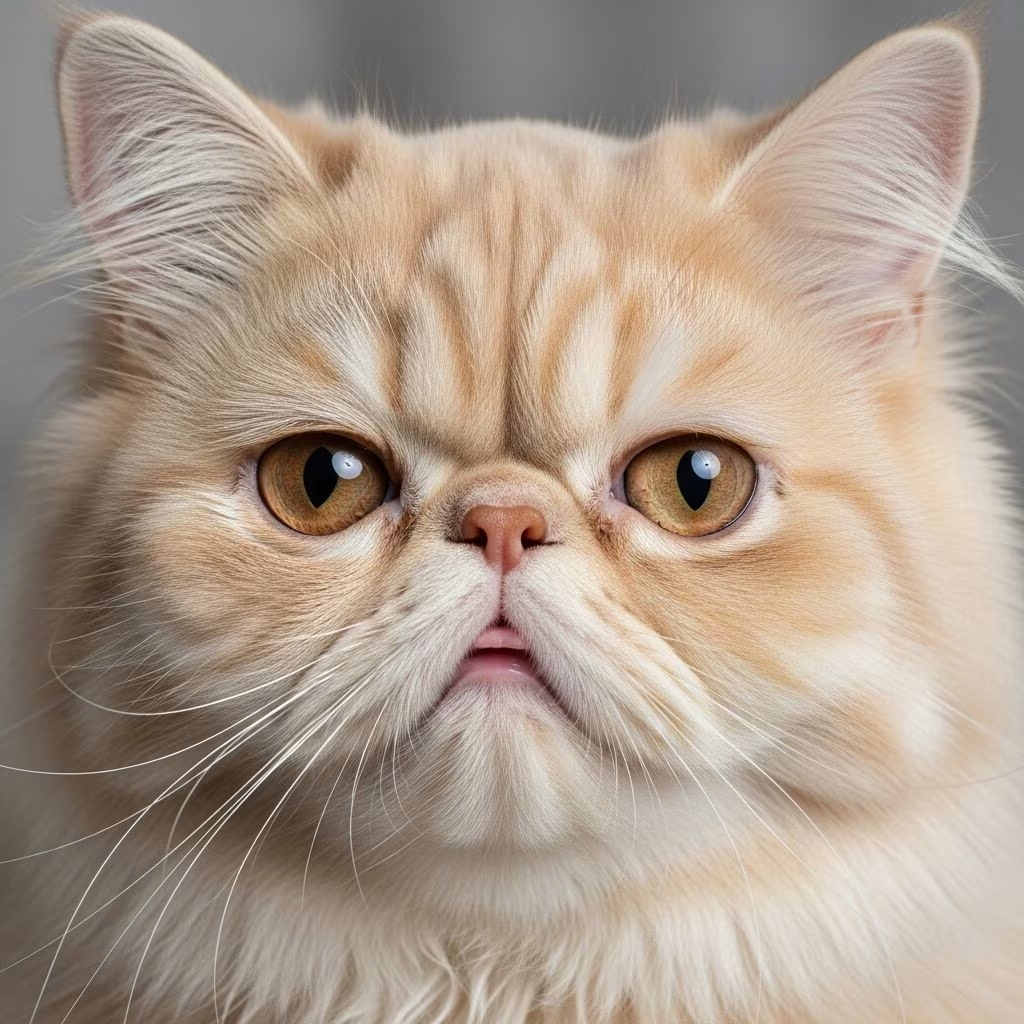
Flat-Faced Cats With Smushed Faces: Charm, Personality, and Health
There’s something undeniably charming about cats with big round faces, expressive eyes, and adorable smushed noses. Flat-faced cats have captured the hearts of pet lovers worldwide, becoming some of the most sought-after companions in households everywhere. Beyond their irresistible appearance, these felines possess unique and endearing personalities that make them beloved by their owners. However, before bringing home a flat-faced kitten, it’s essential to understand the specific health considerations and care requirements associated with these distinctive breeds. This comprehensive guide explores the most popular flat-faced cat breeds and provides insights into their characteristics and health needs.
Understanding Flat-Faced Cat Breeds
Flat-faced cat breeds, scientifically known as brachycephalic cats, are characterized by their rounded skulls, shortened muzzles, and distinctive facial features. These anatomical characteristics create their signature smushed appearance, but they also come with specific considerations that prospective owners should understand. The bones in their skulls tend to be shorter, resulting in rounded heads, short noses, and lower jaws that are often longer than upper jaws, creating a distinctive underbite. Understanding these physical characteristics helps owners appreciate both the beauty and the challenges of caring for these special felines.
Popular Flat-Faced Cat Breeds
1. Persian Cats
The Persian is arguably the most iconic flat-faced cat breed. This long-haired, smushed-faced feline is one of the most popular and recognizable cat breeds worldwide. According to certified feline training and behavior specialists, Persians are beloved not only for their striking appearance but also for their calm, even temperament and peaceful nature. These laid-back companions prefer lounging on laps and soaking up sun rays to climbing elaborate cat trees or engaging in vigorous play. Persian cats are gentle players and are easily entertained with simple toys like feather wands. Their serene disposition makes them excellent companions for those seeking a calm, low-energy feline friend.
2. British Shorthair
The British Shorthair presents a fascinating variation in flat-faced breeds. While they have a longer muzzle than some other flat-faced cats like the Persian, they maintain an unmistakably round face that, combined with their plush, dense coat, gives them an endearing teddy bear-like appearance. These fluffy companions have a strong preference for staying grounded and typically don’t enjoy being picked up or held extensively. British Shorthairs maintain an independent streak while remaining affectionate and devoted. Their self-sufficient nature makes them ideal for busy pet parents who appreciate a confident, companionable presence that doesn’t demand constant attention.
3. British Longhair
The British Longhair represents a beautiful blend of two distinct breeds. This cat breed is a cross between the British Shorthair and Persian, inheriting the thick, luxurious coat from the Persian parent, the rounded face from the British Shorthair side, and a temperament that combines the best qualities of both breeds. British Longhairs are exceptionally intelligent and highly food-motivated, making them wonderful candidates for interactive training sessions. Their eagerness to learn new tricks provides excellent mental stimulation and creates fantastic bonding opportunities between cat and owner.
4. Himalayan Cats
Himalayan cats are the result of breeding Persian and Siamese cats together, creating a stunning blend of characteristics from both parent breeds. These cats inherit their luxurious fluff from their Persian heritage while displaying the striking color-point markings from their Siamese ancestry, featuring darker coloring on their ears, nose, feet, and tail. Beneath their abundant fur lies a medium-sized cat, typically weighing between 7 and 12 pounds. Himalayans are adaptable and friendly, extending warmth and affection to almost anyone who shows them kindness. These wonderful companions fit well into various family situations, though their daily grooming needs must be consistently met to maintain their beautiful coat.
5. Scottish Fold
Scottish Folds have achieved remarkable popularity due to their distinctive rounded facial features, uniquely folded ears, and celebrity status—including recognition as the beloved companion breed of notable public figures. Despite their undeniable charm and the sweet, friendly demeanor they typically display, ethical concerns surround this breed. Their signature folded ears result from a genetic mutation that causes osteochondrodysplasia (OCD), a painful joint condition affecting bone and cartilage development. Prospective Scottish Fold owners should carefully consider these hereditary health implications and source their cats from responsible breeders committed to genetic testing and health screening.
6. Selkirk Rex
The Selkirk Rex stands out among flat-faced breeds for its distinctive curly coat. This breed carries a gene that produces a mane of dense, curly hair ranging from tight ringlets to gentle waves, often enhanced through selective breeding with Persian and British Shorthair lines. Selkirk Rex cats shed moderately and require weekly grooming to maintain their unique coat texture, though excessive brushing can lead to frizz or hair breakage. Personality-wise, these felines are generally sweet and people-loving, thriving on human interaction and companionship. Early socialization with new people, sights, and sounds helps them develop into well-adjusted, confident adults.
Health Considerations for Flat-Faced Cats
While all cats can experience health challenges throughout their lives, flat-faced cats face elevated risks for specific health conditions directly related to their distinctive anatomy. Understanding these potential issues enables owners to provide appropriate preventative care and recognize symptoms early. The anatomical characteristics that create their appealing appearance can contribute to respiratory and other systemic challenges.
Brachycephalic Obstructive Airway Syndrome (BOAS)
BOAS represents the most significant health concern for flat-faced cats. This condition results from multiple anatomical abnormalities related to their shortened skulls and muzzles. Key anatomical features contributing to BOAS include:
- An elongated soft palate that extends into the airway
- A narrow windpipe (hypoplastic trachea)
- Everted laryngeal saccules (small sacks inside the larynx that protrude into the airway)
- Overly narrow nostrils (stenotic nares)
While the snoring and snorting sounds characteristic of flat-faced cats often seem endearing, these noises actually indicate airway obstruction. Depending on severity, cats with BOAS may exhibit open-mouthed breathing, noisy breathing, exercise and heat intolerance, coughing, gagging, reverse sneezing, and increased breathing effort. Owners who notice these symptoms should consult veterinary professionals for proper evaluation and management recommendations.
Ocular and Tear Duct Issues
The prominent eyes and facial structure of flat-faced cats can lead to tear duct abnormalities, including kinking of the nasolacrimal ducts. This can result in excessive tearing, eye discharge, and increased susceptibility to eye infections. Regular eye cleaning and veterinary monitoring help maintain ocular health.
Dental Abnormalities
The jaw misalignment common in flat-faced cats, particularly the dorso-rotation of the maxilla and the horizontal positioning of upper canines in extreme cases, can lead to malocclusion and other dental problems. Regular dental examinations and professional cleanings help prevent complications.
Owner Awareness and Breed Motivation
Research indicates that many brachycephalic cat owners (BCOs) were not initially aware of the health disorders common in these breeds. Character and appearance served as the primary motivations for choosing these cats. Interestingly, studies show that BCOs report higher perceived emotional closeness and cat-owner interaction compared to non-brachycephalic cat owners, likely related to the heightened care needs these breeds require. However, BCOs also reported higher separation-related behaviors in their cats, suggesting these breeds may develop stronger dependency bonds with their owners.
Grooming and Maintenance Needs
Flat-faced cats with longer coats, particularly Persians, British Longhairs, Himalayans, and Selkirk Rex breeds, require consistent grooming to maintain healthy skin and coats. Daily or near-daily brushing prevents matting and tangling while allowing owners to monitor skin condition. This regular grooming routine also provides opportunities to inspect ears, eyes, and skin for any signs of infection or irritation requiring veterinary attention.
Personality Traits and Living Arrangements
Despite their health considerations, flat-faced cats offer wonderful companionship and distinct personality types. Some breeds are highly playful and affectionate, while others prefer independence and quiet observation. Understanding individual breed temperaments helps match cats with appropriate living situations and owner lifestyles. Busy professionals may appreciate the independence of British Shorthairs, while those seeking constant companionship might prefer the interactive nature of British Longhairs or Selkirk Rex cats.
Frequently Asked Questions About Flat-Faced Cats
Q: What are the main health concerns for flat-faced cats?
A: The primary health concern is Brachycephalic Obstructive Airway Syndrome (BOAS), which results from anatomical abnormalities including elongated soft palates, narrow windpipes, narrow nostrils, and everted laryngeal saccules. Other concerns include eye issues, tear duct problems, and dental abnormalities.
Q: Which flat-faced cat breed is best for busy pet owners?
A: British Shorthairs are excellent choices for busy pet parents due to their independent nature, self-sufficient attitude, and preference for low-intensity interaction while still maintaining affection and companionship.
Q: Do all flat-faced cats require extensive grooming?
A: Not all flat-faced cats require intensive grooming. Short-haired breeds like British Shorthairs need occasional brushing, while long-haired breeds like Persians, Himalayans, and British Longhairs require daily or near-daily grooming to prevent matting and maintain coat health.
Q: Are flat-faced cats suitable for families with children?
A: Many flat-faced cat breeds can adapt well to family environments, though individual temperament varies. Himalayans and Selkirk Rex cats tend to be friendly and adaptable, making them good family companions. British Shorthairs prefer minimal handling. Always supervise interactions between cats and young children.
Q: How can I minimize respiratory issues in flat-faced cats?
A: Maintain a cool environment, avoid excessive exercise in heat, keep them at healthy weights, provide regular veterinary check-ups, and monitor for symptoms like open-mouth breathing or excessive snoring. Discuss concerns with your veterinarian who may recommend additional interventions if needed.
Q: What should I know before adopting a Scottish Fold?
A: Before adopting a Scottish Fold, understand that their folded ears result from a genetic mutation causing osteochondrodysplasia (OCD), a painful joint condition. Adopt only from responsible breeders who conduct genetic health screening, and maintain regular veterinary care to monitor joint health.
Q: Are Persian cats good for first-time cat owners?
A: Persians can be suitable for first-time owners who appreciate their calm temperament and laid-back personality. However, their extensive grooming requirements and potential health issues require commitment and resources, making them best for owners prepared for intensive long-term care.
References
- 7 Flat-Faced Cats With Smushed Faces — PetMD. Retrieved November 27, 2025. https://www.petmd.com/cat/general-health/flat-faced-cats
- Flat-Faced or Non-Flat-Faced Cats? That Is the Question — National Center for Biotechnology Information (NCBI). 2023. https://pmc.ncbi.nlm.nih.gov/articles/PMC9854927/



