

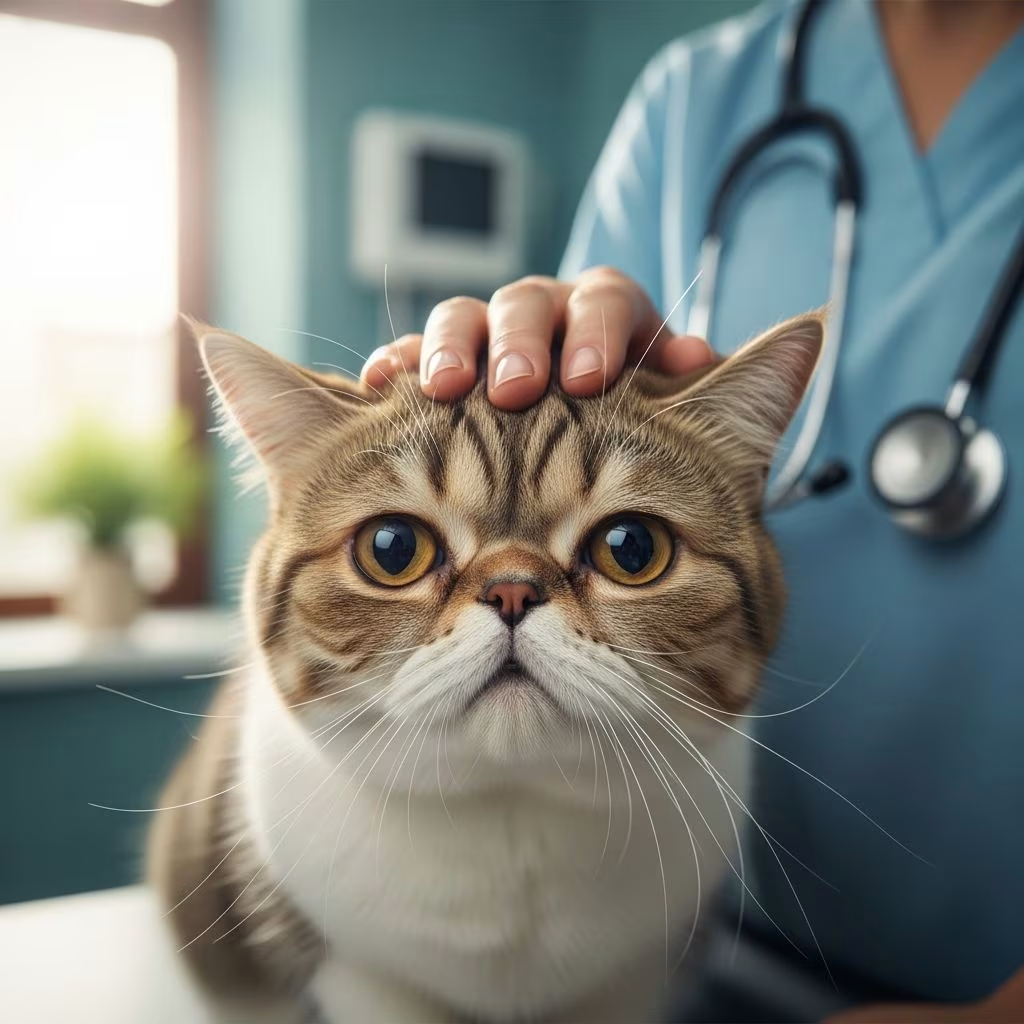
The Anatomy Behind the Adorable Face
The term brachycephalic originates from two Greek words: “brachy,” meaning short, and “cephalic,” meaning head. This distinctive facial structure results from an inherited developmental defect affecting skull bone growth. Rather than a simple cosmetic variation, brachycephaly involves fundamental changes to skeletal architecture that cascade throughout the cat’s body.
The characteristic shortened skull develops when the bones forming the jaw and muzzle grow more slowly than other cranial bones. This creates a peculiar biological mismatch: the skeletal framework shrinks, but the soft tissues—including mucous membranes, skin, and internal structures—maintain their original size. Consequently, facial skin folds inward, and internal airways become crowded with excess tissue that was never meant to occupy a compressed space.
The most commonly affected breeds include Persians, Himalayans, Burmese cats, and Exotic Shorthairs. Some Persian breeding lines have been pushed to extremes, producing “ultra-Persians” with category III and IV skull shapes, featuring massive round eyes, domed craniums, and virtually absent nasal bones.
Respiratory Challenges in Compressed Airways
Perhaps the most significant health consequence of flat-faced anatomy is brachycephalic airway obstruction syndrome (BAOS). This condition encompasses multiple structural abnormalities that collectively compromise breathing efficiency.
The most prevalent BAOS complications include:
- Elongated soft palate that extends deeper into the throat than normal
- Stenotic nares, or abnormally narrow nostrils that restrict airflow
- Hypoplastic trachea, meaning an underdeveloped windpipe with reduced diameter
- Everted laryngeal saccules—small pouches in the voice box that turn outward or collapse inward due to increased breathing effort
When a flat-faced cat must work harder to breathe, the increased pressure within the airway can cause laryngeal saccules to invert, further obstructing airflow. This creates a vicious cycle where breathing difficulty worsens over time.
Owners often notice characteristic symptoms including open-mouthed breathing, noisy snoring and snorting, exercise intolerance, heat sensitivity, coughing, gagging, reverse sneezing, and visibly labored breathing. While the snoring may seem endearing, it represents the cat’s struggle against anatomical constraints.
Ocular Complications and Tear Drainage Problems
The distinctive large, prominent eyes of flat-faced cats sit in shallow sockets that offer insufficient protection. This anatomical vulnerability creates multiple eye-related complications that require vigilant monitoring.
Exophthalmos, or eyeball protrusion, occurs because the shortened facial structure cannot accommodate normal eye depth. When eyelids cannot fully close over protruding eyes, the cornea experiences chronic exposure. This leads to exposure keratitis and increased risk of corneal ulcers.
Additionally, the tear duct system becomes severely compromised. Tears are normally meant to drain through ducts into the nasal cavity, but the dramatic reshaping of facial bones distorts these delicate channels. When drainage becomes impossible, tears accumulate and spill onto the face—a condition called epiphora. Beyond the cosmetic concern of persistent tear staining, improper drainage can result in serious infections and chronic inflammation.
Persians are particularly predisposed to developing corneal sequestra—dark pigmented lesions on the cornea surface associated with chronic ulcerative disease. These lesions may require veterinary intervention to prevent vision compromise.
Dental Misalignment and Bite Problems
The skeletal abnormalities affecting flat-faced cats extend beyond the nose and eyes to compromise the entire jaw structure. Maxillary dorsorotation—rotation of the upper jaw upward—and brachygnathism—abnormal shortness of the upper jaw—disrupt proper dental alignment.
When teeth no longer meet correctly, cats cannot bite and chew with normal efficiency. This predisposes them to accelerated dental disease, as improper occlusion increases stress on individual teeth and compromises the normal mechanical cleaning action of chewing. Some flat-faced cats require specialized dental care throughout their lives to manage complications from misaligned teeth.
Reproductive Challenges in Breeding Females
Research has revealed a troubling connection between extreme brachycephaly and reproductive difficulty. Studies demonstrate that the degree of facial shortening correlates with reduced pelvic size in Persian cats. This anatomical constraint can lead to dystocia—difficulty or inability to give birth naturally. Female flat-faced cats may require cesarean sections to safely deliver kittens, carrying associated surgical risks and recovery complications.
Behavioral and Temperament Considerations
Beyond physical health complications, flat-faced cats exhibit behavioral patterns distinct from non-brachycephalic felines. Research utilizing standardized behavioral assessment tools reveals that brachycephalic cats score significantly lower on playfulness and affection-seeking measures compared to their flat-faced counterparts.
Interestingly, this behavioral difference may partially stem from the care demands these breeds require. Owners report that brachycephalic cats display higher separation-related behaviors and anxiety, possibly reflecting the increased supervision and veterinary attention necessary for their wellbeing. The demanding care requirements can influence both the cat’s stress levels and owner-cat interaction patterns.
Grooming Difficulties and Skin Complications
The facial folds characteristic of flat-faced cats, while visually distinctive, create practical challenges for grooming. Excess skin folds trap moisture, debris, and bacteria, increasing infection risk. Many flat-faced cats cannot adequately groom their own faces due to their facial structure, requiring regular human assistance to maintain skin health.
Additionally, the persistent tear discharge from eye drainage problems frequently stains the facial fur and skin around the eyes. This requires frequent cleaning to prevent skin irritation and secondary infections in the tear-stained areas.
Severity Spectrum: Understanding Variation in Brachycephaly
Not all brachycephalic cats experience problems with equal severity. The extent of health complications correlates directly with the degree of facial flattening. Cats with moderate brachycephaly may experience minimal symptoms, while those with extreme skull reshaping—particularly ultra-Persians—face significantly greater health burdens.
This spectrum explains why individual cats of the same breed can have vastly different health experiences. A lightly brachycephalic individual may live comfortably with minimal intervention, while an extremely flat-faced littermate may require ongoing medical management.
Health Monitoring and Veterinary Care Needs
Owners of flat-faced cats should establish regular veterinary relationships specifically attuned to breed-related concerns. Research indicates that brachycephalic cat owners visit veterinarians 3-5 times annually at rates substantially higher than non-brachycephalic cat owners, reflecting the increased healthcare requirements.
Proactive monitoring should include:
- Regular respiratory assessment, noting changes in breathing patterns or exercise tolerance
- Ophthalmologic examination to monitor eye health and tear production
- Dental evaluation to catch misalignment complications early
- Weight management to reduce respiratory system strain
- Environmental temperature control to prevent heat stress
- Periodic facial skin inspection for fold-related infections
Environmental Modifications for Comfort
Flat-faced cats demonstrate significantly reduced heat tolerance compared to other breeds. Owners should provide air-conditioned spaces during warm months and avoid strenuous activity during heat. Many brachycephalic cats benefit from cooling mats, increased water access, and restricted outdoor time in summer conditions.
Because these cats experience exercise intolerance, activity should be carefully modulated to prevent respiratory distress. Playtime should be shorter and less intense than what other cats might enjoy, with frequent rest breaks.
Nutrition and Weight Management
Maintaining ideal body weight becomes particularly important for flat-faced cats, as excess weight increases demand on already-compromised respiratory systems. Consultation with veterinarians about appropriate caloric intake and feeding schedules helps prevent obesity-related complications from compounding breathing difficulties.
The Ethical Breeding Conversation
The health challenges facing brachycephalic cats have prompted important discussions within veterinary and animal welfare communities. The fact that these complications stem entirely from intentional human selective breeding raises ethical questions about continuing these practices. Some animal welfare organizations advocate for breeding standards that prioritize health over extreme facial features, encouraging breeders to select for cats with moderate rather than extreme brachycephaly.
Living Well With a Flat-Faced Companion
Despite their health challenges, many flat-faced cats live fulfilling lives with committed, informed owners. Success requires realistic expectations about their capabilities, dedication to preventive veterinary care, and willingness to modify the home environment for their specific needs. Owners who understand the breed’s vulnerabilities and plan accordingly can help their feline companions enjoy good quality of life.
Frequently Asked Questions
Are all brachycephalic cats unhealthy?
Not necessarily. Cats with moderate brachycephaly may experience minimal health problems, while those with extreme facial flattening face greater challenges. Health outcomes vary considerably based on individual genetics and responsible ownership.
Can respiratory problems in flat-faced cats be surgically corrected?
Some airway obstructions may be surgically addressed, particularly stenotic nares or everted laryngeal saccules. However, the fundamental structural changes cannot be reversed. Surgery may improve symptoms but cannot eliminate underlying anatomical constraints.
What causes excessive eye discharge in these cats?
The distorted tear ducts prevent proper drainage of tears into the nasal cavity, causing tears to spill onto the face. The shallow eye sockets and protruding eyes increase tear production while simultaneously preventing effective drainage.
Should people avoid adopting flat-faced cats?
Adoption decisions depend on individual circumstances. Those willing to provide specialized care, accept higher veterinary costs, and manage environmental modifications can provide good homes for these cats. However, prospective owners should thoroughly research breed-specific challenges beforehand.
References
- Persian – Brachycephaly — Universities Federation for Animal Welfare (UFAW). 2024. https://www.ufaw.org.uk/cats/persian-brachycephaly
- Flat-Faced or Non-Flat-Faced Cats? That Is the Question — National Center for Biotechnology Information (NCBI/PMC). PMC9854927. https://pmc.ncbi.nlm.nih.gov/articles/PMC9854927/
- Brachycephalic Airway Syndrome in Cats — VCA Animal Hospitals. 2024. https://vcahospitals.com/know-your-pet/brachycephalic-airway-syndrome-in-cats
- Brachycephalic Breeds of Cats — ASPCA Pet Health Insurance. 2024. https://www.aspcapetinsurance.com/resources/brachycephalic-cats/
- What to Know about Flat-Faced Cats — Creative Science Education. 2024. https://creative.science/education/what-to-know-about-flat-faced-cats
- Brachycephalic cats — Orchard House Vets. 2024. https://www.orchardhousevets.com/health-wellbeing/brachycephalic-cats/
- 7 Flat-Faced Cats With Smushed Faces — PetMD. 2024. https://www.petmd.com/cat/general-health/flat-faced-cats
- Brachycephalic Pets — Gentle Touch Animal Hospital. 2024. https://www.gentletouchanimalhospital.com/blog/brachycephalic-pets



