

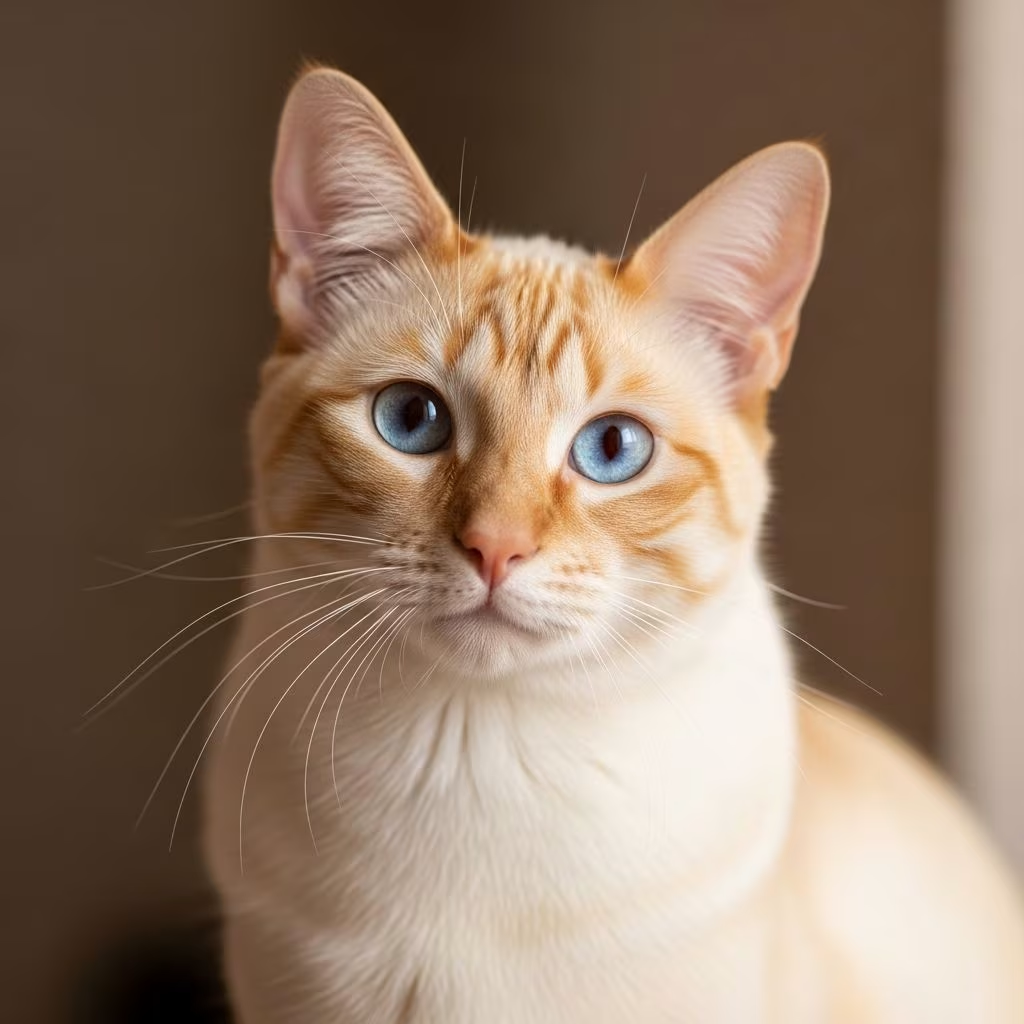
The **Flame Point Siamese cat** is a captivating rare variant of the iconic Siamese breed, distinguished by its creamy white body accented with vivid red or orange points on the ears, face, paws, and tail. These striking felines inherit the classic Siamese elegance—sleek bodies, wedge-shaped heads, and piercing blue eyes—while their warm flame-like markings add a unique, fiery charm that sets them apart from traditional seal, chocolate, or blue points.
Developed through selective breeding crossing Siamese with red-point tabby cats, Flame Points are cherished for their dog-like loyalty, high intelligence, and chatty nature. They thrive in social environments, forming deep bonds with families, and live 15-20 years with proper care. While not always recognized as pure Siamese by all registries like the Cat Fanciers’ Association (CFA), which groups them under Orientals, they embody the breed’s spirited essence.
Breed Overview
Flame Point Siamese cats blend Siamese grace with a warm, reddish glow, making them a standout choice for cat enthusiasts seeking a vibrant companion.
| Attribute | Details |
|---|---|
| Height | 8–12 inches |
| Weight | 9–14 pounds (males larger, up to 5 pounds more than females) |
| Lifespan | 15–20 years |
| Colors | Flame point (red/orange points on creamy white body) |
| Suitable For | Families, companionship, with or without other pets and children |
| Temperament | Dignified, caring, intelligent, vocal, affectionate |
Males often weigh 11-14 pounds and stand slightly taller, exhibiting a more laid-back demeanor, while females (8-11 pounds) are petite and territorial. Their short, glossy coats require minimal grooming, and kittens are born pure white, developing points over weeks to months.
History of the Flame Point Siamese Cat
The Flame Point Siamese emerged in the mid-20th century as breeders aimed to expand Siamese’s color palette beyond traditional dark points. Originating from Thailand (Siam), where Siamese were temple cats revered for their beauty, the breed’s pointed pattern—darker extremities on lighter bodies—is due to a temperature-sensitive enzyme that activates pigment in cooler areas like ears and paws.
Creating the red point required crossing Siamese with red tabby or American Shorthair lines carrying the orange gene, which is sex-linked and rare in pointed breeds. This results in striping on faces, legs, and tails, as tabby markings prove challenging to eliminate completely. By the 1960s, Flame Points gained recognition in registries like the Governing Council of the Cat Fancy (GCCF), categorized under specific shades: bright reddish-gold, apricot (hot cream), or cream points.
Today, they remain rarer than other Siamese variants due to breeding complexities—75% are male, as females need two orange genes. The CFA accepts them in the Oriental division rather than Siamese, reflecting ongoing debates over purity, but their popularity surges for their sunny disposition and eye-catching looks.
Temperament & Intelligence of the Flame Point Siamese Cat
**Flame Point Siamese cats** are extroverted dynamos, blending high energy with profound affection. Highly social and dog-like, they shadow owners room-to-room, demanding involvement in daily life. Their vocal prowess is legendary—expect endless meows, chatters, and ‘conversations,’ earning them the nickname ‘meezers.’ They sense moods, offering comfort when sad or play when bored.
Intelligence shines through puzzle-solving, command-learning (like fetch), and household dominance, often bossing dogs or other cats. Active explorers, they’re curious about novelties but gentle, rarely aggressive unless provoked. Traits include:
- Active & Playful: Zoomies and toys keep them engaged; daily play prevents boredom-induced overgrooming.
- Vocal & Needy: Crave attention; separation anxiety leads to louder protests.
- Gentle & Laid-Back: Especially males, who lap-sit contentedly.
- Curious & Obsessive: Groom excessively; some develop pica (eating non-food), often outgrown by age 2.
- Protective & Loyal: Bond deeply, defending family fiercely.
- Tolerant & Fun-Loving: Adapt to chaos, great with kids and pets.
Owner testimonials rave: ‘He’s protective, always touching me, and talks adorably’. Anxiety may increase shedding or vocalizing, eased by bonding and enrichment.
Are These Cats Good for Families? 👪
Absolutely. Their tolerant, patient nature suits homes with children; they’re gentle despite energy, avoiding purposeful aggression. Elderly adore their companionship, and self-sufficiency shines if someone’s home. Supervise young kids due to size, but their playfulness fosters bonds.
Does This Cat Get Along With Other Pets?
Yes, Flame Points are exceptionally friendly, adapting to cats, dogs, and non-aggressive pets—even later in life. They may assert dominance initially but integrate smoothly, especially with socialization.
Male vs Female
Sex differences are pronounced:
| Aspect | Male | Female |
|---|---|---|
| Size | Larger (11-14 lbs, taller) | Smaller (8-11 lbs) |
| Temperament | Laid-back, affectionate, lap cats | Temperamental, prowls territory |
| Behavior | Lounges in sun, relaxed | More active patroller |
Males’ chill vibe contrasts females’ feistiness, but both adore humans.
Appearance & Grooming
Sleek and elegant, Flame Points boast lithe, muscular frames (16-21 inches long), wedge heads, large ears, and sapphire-blue almond eyes. Coats are short, fine, cream-white with flame points: red-gold ears/mask/tail, sometimes striped. Groom weekly with brushing; bathe rarely. Nails monthly, teeth daily, ears weekly. Shed moderately; stress increases it.
Training
Smart as whips, they master litter training, harness walks, tricks like sit/high-five. Use clickers, treats, consistency. Channel energy into agility or fetch; socialize early.
Exercise & Health
High-energy: 30+ minutes daily play, vertical spaces, interactives. Prevent obesity with measured food.
Nutrition, Diet & Feeding
High-protein wet/dry food; 3-4 meals/day for adults, free-feed kittens. 200-300 calories; monitor weight. Fresh water always.
Grooming & Care
Minimal: brush 1-2x/week, dental care vital. They self-groom obsessively.
Health & Wellness
Prone to HCM, PKD, dental issues, PRA, amyloidosis, cancer, allergies. Annual vet checks, HCM screening. Lifespan 15-20 years with care.
Pros & Cons
- Pros: Affectionate, smart, beautiful, long-lived, family-friendly.
- Cons: Vocal, needy, potential health issues, expensive ($800-$2000).
Is the Flame Point Right for You? & Price
Ideal if you want an interactive, loving cat. Price: $800-$2000 from breeders. Adopt if possible.
Frequently Asked Questions (FAQs)
Are Flame Point Siamese cats rare?
Yes, due to genetics; mostly male.
Do Flame Points talk a lot?
Very vocal, holding ‘conversations’.
Good with kids?
Excellent, tolerant and gentle.
Other pets?
Friendly, adapts well.
Grooming needs?
Low-maintenance short coat.
References
- Flame Point Siamese Personality And Characteristics — YouTube/SeniorCatWellness. 2023-01-15. https://www.youtube.com/watch?v=EnZtmz3A-Hs
- Flame Point Siamese Cat Breed: Vet-Verified Info — Catster. 2024-05-20. https://www.catster.com/cat-breeds/flame-point-siamese-cat/
- The Flame Point Siamese Cat — Life with Siamese Cats. 2023-08-10. https://www.life-with-siamese-cats.com/flame-point-siamese-cat.html
- What to Know About a Siamese Cat — WebMD. 2025-03-12. https://www.webmd.com/pets/cats/what-to-know-about-a-siamese-cat
- 7 Facts You Didn’t Know About Red Point Siamese Cats — Cats.com. 2024-11-05. https://cats.com/red-point-siamese-cats



