

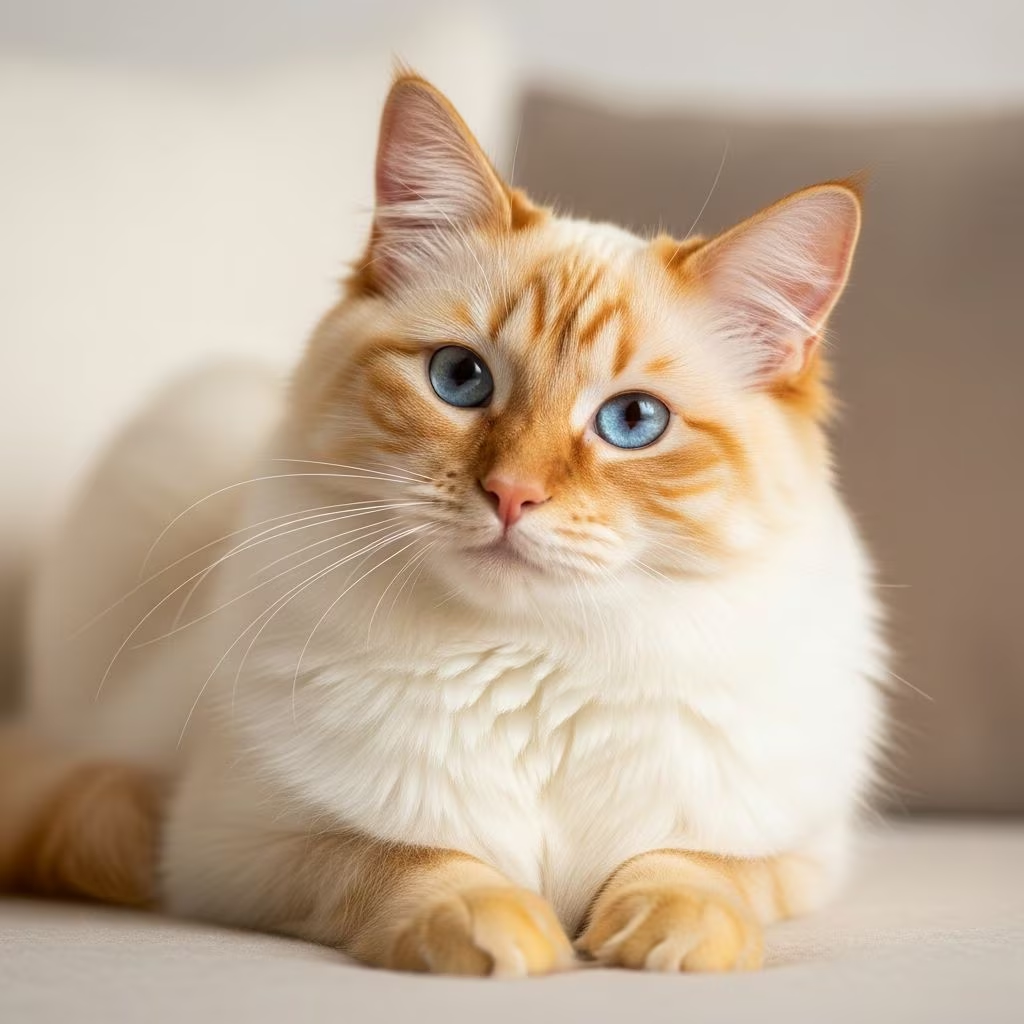
The Flame Point Ragdoll stands out as a captivating variant of the beloved Ragdoll breed, renowned for its substantial size, serene disposition, and eye-catching coloration featuring a pale body accented by vivid orange extremities. These cats combine elegance with companionship, making them a top choice for those seeking a devoted pet that thrives in relaxed settings.
Origins and Development of the Breed
Ragdolls trace their roots to the 1960s in California, where breeder Ann Baker selectively crossed domestic longhaired cats to create a line known for its relaxed demeanor and striking pointed patterns. The Flame Point coloration, also referred to as Red Point in some registries, emerged from genetic combinations involving the red gene, which is sex-linked and requires specific parentage—typically a red-point sire or tortie dam—to produce these kittens. Over decades, dedicated breeders refined the breed, gaining recognition from major organizations like The Cat Fanciers’ Association (CFA), which lists Red Point among its color classes with bright apricot to deep red points on a clear white body.
The breed’s name ‘Ragdoll’ stems from its tendency to go limp when lifted, a trait stemming from early selective breeding for docility. Flame Points inherited this alongside their unique hue, where points on ears, face, paws, and tail deepen from pale cream to rich orange as the cat matures, while the body remains mostly white or faint cream.
Distinctive Physical Appearance
Flame Point Ragdolls are among the largest domesticated cats, with males often reaching 20 pounds and females slightly smaller at 14 pounds or more. They possess a muscular, rectangular body frame, broad chest, and substantial boning, supported by medium-long legs ending in large, rounded paws. Their semi-long, plush coat lacks a dense undercoat, contributing to minimal shedding and resistance to matting.
Coat and Color Patterns
- Body: Clear white to pale cream, with subtle shading that matches the points’ tone.
- Points: Bright orange (flame) on ears, mask, paws, and tail tip, intensifying with age.
- Eyes: Striking sapphire blue, a hallmark of pointed Ragdolls.
- Tail: Darker orange with ringed patterning toward the end.
- Paws: Orange ‘gloves’ extending up the legs.
This colorpoint pattern follows Siamese genetics, where cooler body areas remain light, while warmer extremities develop pigment.
Size and Build Specifications
| Attribute | Males | Females |
|---|---|---|
| Height | 15-16 inches | 12-15 inches |
| Weight | 15-20 lbs | 12-18 lbs |
| Length (body) | 17-21 inches | 15-19 inches |
These dimensions make them imposing yet graceful, with a lifespan averaging 13-15 years when properly cared for.
Personality Traits and Behavior
Flame Point Ragdolls epitomize gentleness, displaying dog-like loyalty by shadowing their humans and craving physical closeness. They are intelligent but not highly trainable, preferring interactive play like fetch over complex tricks. Vocalization is minimal—soft chirps rather than meows—suited to quiet homes. Their ‘floppy’ relaxation when held endears them to owners, though it requires gentle handling.
Shy around strangers, they may retreat initially but warm up in familiar, low-stress environments. Stubborn streaks appear in selective eating or routine preferences, but positive reinforcement yields cooperation.
Compatibility with Families and Kids
In calm households, these cats flourish with children, especially older ones who respect boundaries. They tolerate gentle petting and play but may hiss or swat if teased. Early socialization teaches kids proper interaction, fostering lifelong bonds.
Interactions with Other Animals
Low prey drive allows harmony with dogs, other cats, and even small pets like birds or rodents if introduced gradually. They often cuddle with canine companions, forming interspecies friendships.
Health and Wellness Considerations
Robust overall, Ragdolls including Flame Points face breed-specific risks like hypertrophic cardiomyopathy (HCM), a heart condition screened via genetic tests. Hip dysplasia and polycystic kidney disease (PKD) occur less frequently. Annual vet exams, including echoes for HCM, are essential. Obesity risks from sedentary lifestyles necessitate portion control.
Expected lifespan: 13-17 years with preventive care. Recent studies emphasize early HCM screening, with breeder transparency vital for healthy lines.
Grooming and Daily Maintenance
The silky coat requires weekly brushing to distribute oils and check skin, but daily sessions suit show cats. No undercoat means low shedding; baths are rare. Nail trims biweekly, ear cleaning monthly, and dental care via brushing or additives prevent issues.
- Bathing: 2-4 times yearly or as needed.
- Shedding: Minimal, seasonally higher.
- Tools: Slicker brush, comb, cat-safe shampoo.
Litter training is instinctive; covered boxes suit their privacy preference.
Nutrition and Exercise Needs
High-quality, protein-rich food supports their size—aim for 300-500 calories daily, adjusted for age/activity. Wet food aids hydration; obesity monitoring is key given lap-cat tendencies.
Exercise via toys, towers, and play sessions (20-30 mins daily) keeps them fit without high energy demands. They enjoy laser pointers, balls, and window perches.
Choosing and Bringing Home a Flame Point Ragdoll
Seek reputable breeders with HCM/PKD testing; avoid pet stores. Kittens cost $1,500-$4,000, reflecting lineage. Adoptions via rescues offer adults. Prepare with scratching posts, beds, and quiet intro spaces.
Training and Enrichment Tips
Litter, leash, and basic commands respond to clicker training. Puzzle feeders combat boredom; vertical spaces encourage exploration.
Common Myths Debunked
- Myth: All Ragdolls shed excessively. Fact: Low-shedding coat.
- Myth: Too lazy for play. Fact: Playful in moderation.
- Myth: High-maintenance groomers. Fact: Simple weekly care.
Frequently Asked Questions (FAQs)
Are Flame Point Ragdolls hypoallergenic?
No, but low shedding reduces allergens compared to double-coated breeds.
How big do they get?
Males up to 20 lbs, females 14-18 lbs; full size by 3-4 years.
Do they like being picked up?
Yes, they go limp and relax completely.
What’s the difference between Flame and Red Point?
Nomenclature varies; CFA uses Red, TICA Flame—same color.
Are they good apartment cats?
Excellent for apartments due to moderate activity and quiet nature.
Ideal Living Environments
Best in quiet homes, apartments, or houses with access to calm outdoor enclosures. Avoid chaotic or high-traffic settings.
References
- Flame Point Ragdoll Cat Breed: Info, Pictures, Temperament & More — Catster. 2023. https://www.catster.com/cat-breeds/flame-point-ragdoll/
- Flame Point Ragdoll Cat — Riverside Rags. 2023. https://riversiderags.com/flame-point-ragdoll-cat/
- Ragdoll Breed Standard — The Cat Fanciers’ Association. 2024-10-01. https://cfa.org/breed/ragdoll/
- Ragdoll — Wikipedia. 2026-01-28. https://en.wikipedia.org/wiki/Ragdoll
- Flame Point Ragdoll Kittens — Rust’s Ragdolls. 2023. https://rustsragdolls.com/flame-point-ragdoll



