
Fixing Potty Pad Misses in Dogs
Discover proven strategies to stop your dog from missing the potty pad and achieve reliable indoor housetraining success.
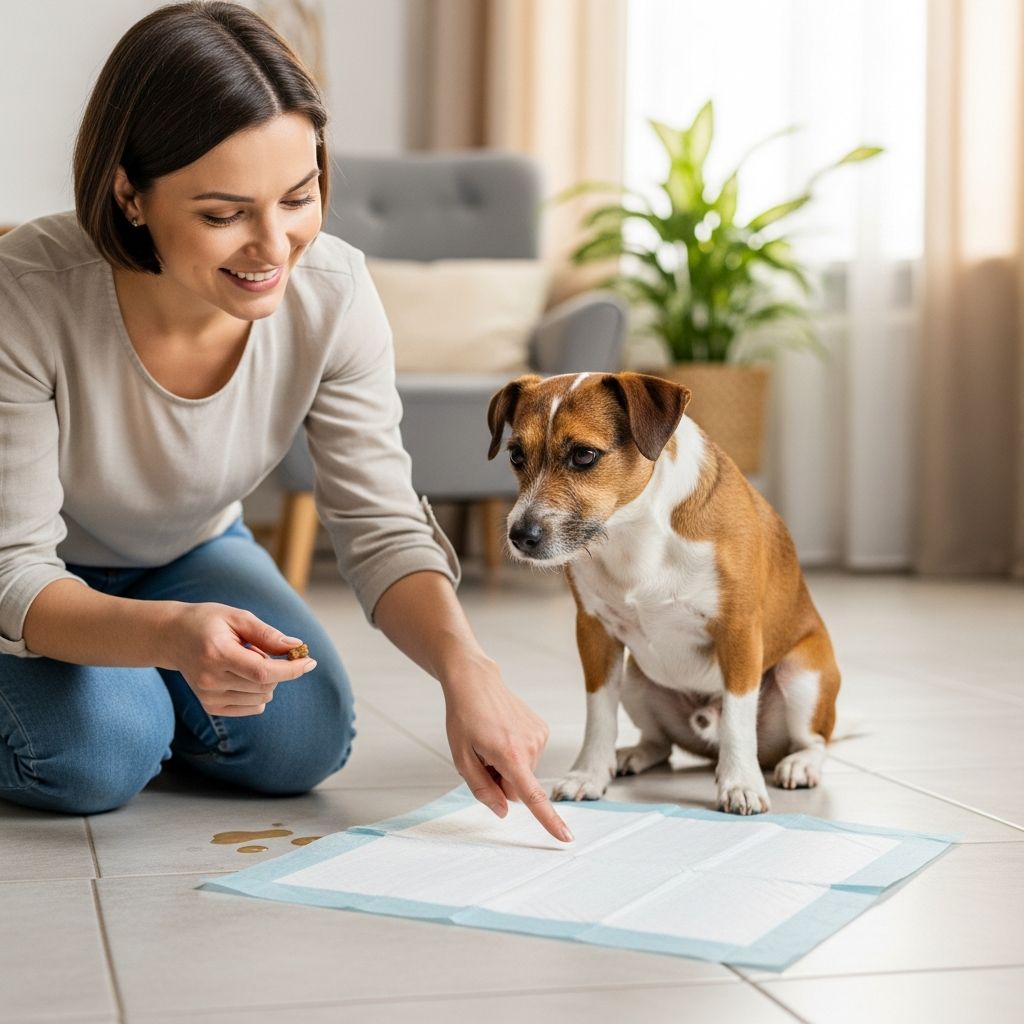
Many dog owners face the frustration of their pets missing designated potty pads, leading to messes and setbacks in housetraining. This issue often stems from inconsistent routines, improper pad placement, or lack of supervision, but it can be resolved with structured approaches focusing on prevention, positive reinforcement, and environmental management.
Understanding Why Dogs Miss Potty Pads
Dogs may miss potty pads due to their natural instincts conflicting with indoor setups. Puppies, in particular, have limited bladder control, holding urine for roughly their age in months plus one hour. Small breeds face additional challenges with smaller bladders and higher metabolisms, making precise targeting harder.
Other factors include lingering scents attracting repeat accidents in the same spots, as dogs’ sense of smell is vastly superior to humans’. Excitement from play before potty breaks can also trigger elimination inside. Medical issues like urinary tract infections (UTIs) must be ruled out first via a vet visit.
Essential First Steps: Rule Out Health Problems
Before training adjustments, consult a veterinarian to exclude infections or conditions causing frequent urination. Symptoms like straining, blood in urine, or sudden changes warrant immediate checks. Once cleared, proceed with behavioral strategies.
Creating a Consistent Daily Schedule
A predictable routine accelerates housetraining. Take dogs out or to pads every hour initially, then adjust based on observed patterns. Key times include upon waking, after meals, post-naps, and before bedtime. Document successes and accidents to identify trends, such as nighttime needs.
- Wake-up potty break immediately.
- Post-meal waits of 15-30 minutes.
- Hourly checks for puppies under 6 months.
- Evening wind-down with final pad access.
For adult dogs, re-establish routines even if previously trained, especially after moves or stress.
Optimizing Potty Pad Setup and Location
Placement matters: position pads in quiet, accessible areas away from food, water, and high-traffic zones. Use exercise pens or playpens to confine the area, papering the floor initially and gradually reducing to one pad. This teaches boundaries clearly.
Choose absorbent, grass-like pads for texture preference, especially in urban settings. Elevate pads slightly or use holders to prevent slipping. For dogs ignoring pads, start with a small penned space containing bed, play area, and potty zone, luring with treats.
| Pad Type | Best For | Pros | Cons |
|---|---|---|---|
| Disposable absorbent | Puppies | Highly absorbent, easy cleanup | Costly long-term |
| Reusable washable | Adults | Eco-friendly, durable | Requires laundry |
| Artificial turf | Apartment dogs | Mimics outdoors | Initial training needed |
Supervision and Confinement Strategies
Constant monitoring prevents misses. Use leashes for indoor tethering, crates for short absences (sized for standing/turning only), and playpens for supervised freedom. Never use confinement punitively; make it positive with meals and toys.
If accidents occur, interrupt gently without scolding—rush to the pad. Missing them reinforces bad habits, prolonging training by days.
Cleaning Up Accidents Properly
Thorough cleaning eliminates scents drawing dogs back. Enzymatic cleaners break down proteins in urine, unlike regular soaps. For repeat spots, block access temporarily or use belly bands for males to manage marking.
Steps for effective cleanup:
- Blot excess moisture.
- Apply enzymatic cleaner; let sit 10-15 minutes.
- Rinse and dry completely.
- Air out or use fans to dissipate odors.
Positive Reinforcement Techniques
Reward pad use lavishly with high-value treats (e.g., meat chunks) delivered within 2 seconds. Pair with verbal praise and play afterward, not before, to associate outdoors/pads positively. Ignore indoor accidents; focus on successes.
For stubborn cases, jackpot rewards (multiple treats) build excitement. Track progress in a journal to stay motivated.
Addressing Common Challenges
Dogs Refusing Pads Entirely
Transition from pads by placing them outside or using turf in pens. Confine to small areas with designated zones, rewarding outdoor success heavily.
Frequent Misses Despite Pads
Enlarge confinement if soiling crate; shrink if too spacious. Add pad borders or multiple pads temporarily.
Adult Dogs Regressing
Re-treat as puppies: full supervision, schedules, and rewards. Stress or changes trigger setbacks; maintain vigilance during transitions.
Advanced Tools and Alternatives
Belly bands prevent indoor marking; litter boxes suit some but complicate outdoor shifts. Bells on doors signal needs for older dogs. For apartments, balcony pens with real grass patches ease training.
Long-Term Success and Prevention
Consistency yields results in weeks. Gradually increase freedom as reliability grows. Puppies master control by 6 months; adults faster with basics.
FAQs
Why does my puppy miss the pad even after going frequently?
Often due to oversized confinement or unseen accidents. Tighten supervision and use smaller areas.
Can I switch from pads to outdoors later?
Yes, but start outdoors if possible to avoid transitions. Use consistent cues.
How long until my dog stops missing?
2-4 weeks with strict adherence; longer for small breeds or adults.
What if my dog soils the same spot repeatedly?
Clean with enzymes and restrict access.
Is crate training effective for pad users?
Yes, combined with pen setups for designated potty zones.
References
- House Training Mistakes Dog Owners Make with Their Dog — Leerburg. Accessed 2026. https://leerburg.com/housetrainingproblems.htm
- Solving Your Puppy Potty Training Problems — Peach on a Leash. Accessed 2026. https://peachonaleash.com/solving-puppy-potty-training-problems/
- All the Worst Puppy Problems: Housetraining Hang-Ups — IAABC Foundation Journal. Accessed 2026. https://journal.iaabcfoundation.org/housetraining-hang-ups/
- 5 Common Puppy Potting Training Problems and How to Address Them — Sykesville Vet Clinic. Accessed 2026. https://sykesvillevetclinic.com/news/5-common-puppy-potting-training-problems-and-how-to-address-them/
- Housetraining an Adult Dog (Potty Training for the “Stubborn” Dog) — Dog Spring Training. Accessed 2026. https://www.dogspringtraining.com/tips/housetraining-adult-dog/
- 4 Tips To FIX Your Puppy Potty Training Problems — McCann Dog Training (YouTube). Accessed 2026. https://www.youtube.com/watch?v=sCninH3Z078
- Re-Housetraining Your Adult Dog — PAWS. Accessed 2026. https://www.paws.org/resources/re-housetraining-your-adult-dog/
Similar Articles








Read full bio of medha deb




