

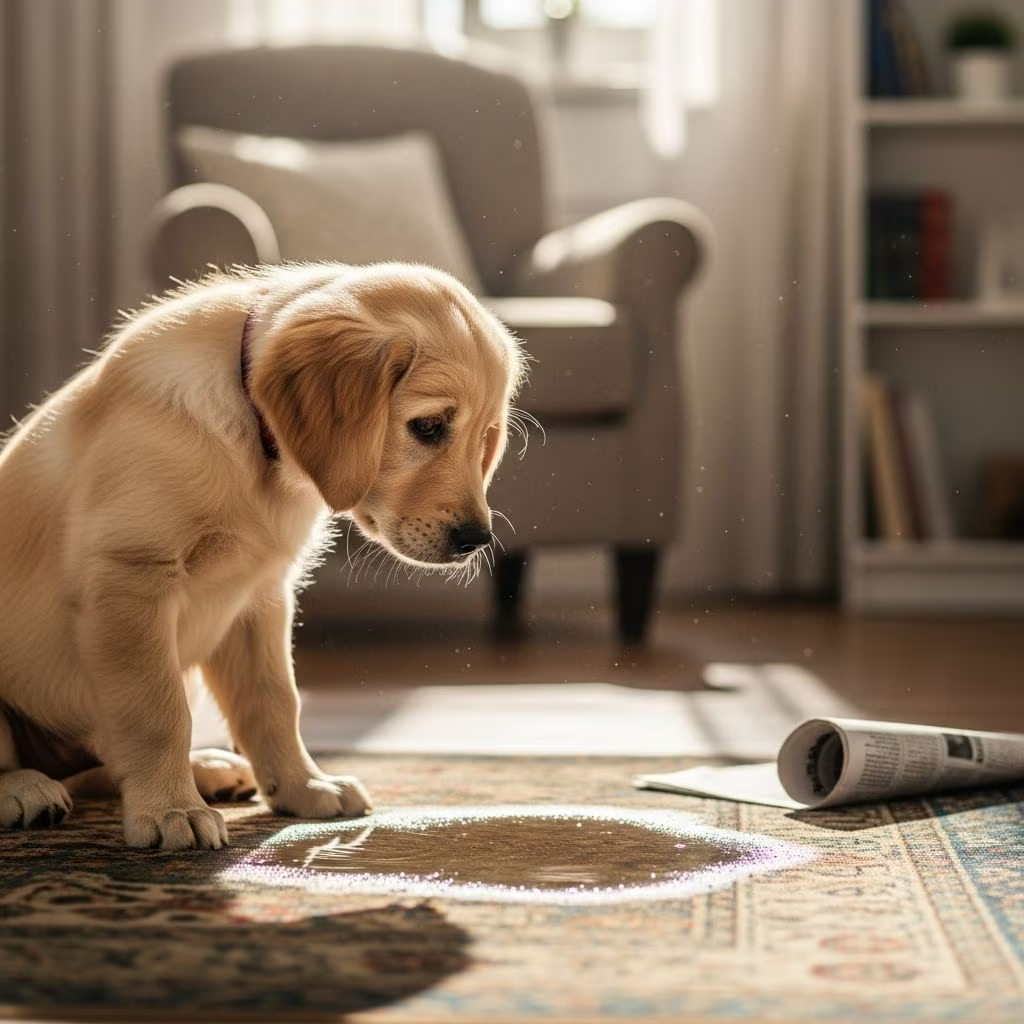
Potty training regression in dogs occurs when a previously reliable pet starts having indoor accidents, often due to changes in routine, stress, or health factors. This setback is common across all ages and can be resolved with consistent retraining and addressing root causes.
Recognizing Signs of Potty Training Regression
Owners often notice sudden indoor elimination in areas the dog once avoided. Key indicators include frequent small accidents, elimination in new spots, or failure to signal needs. Puppies may regress during adolescence, while adults face issues from environmental shifts. Track patterns like timing after meals or when alone to pinpoint triggers.
Primary Causes Behind Indoor Accidents
Several factors contribute to these setbacks. Understanding them helps tailor solutions effectively.
Disruptions in Daily Routines
Inconsistent schedules confuse dogs about expected behaviors. Skipping rewards after successful outdoor trips or extending potty breaks too soon leads to lapses. Owners may relax supervision once progress seems solid, allowing unsupervised access that enables accidents.
Emotional Stress and Anxiety Factors
Stress from new family members, moves, loud noises, or separation triggers involuntary elimination. Anxious dogs may leak urine submissively or forget training amid fear. Puppies especially struggle with routine changes, viewing them as instability.
Underlying Medical Conditions
Health problems often mimic behavioral issues. Urinary tract infections cause urgent needs, while kidney disease, diabetes, or gastrointestinal disorders increase frequency. Parasites, bladder stones, or incontinence weaken control. Sudden onset, especially with straining or blood, signals vet attention.
Age-Related Bladder Challenges
Older dogs experience weakened bladder muscles, reducing hold times. Puppies under six months have immature systems, prone to regressions during growth spurts.
Dietary and Environmental Influences
Food changes or sensitivities cause loose stools or urgency. Access to absorbent rugs or unsupervised rooms reinforces poor habits, as dogs prefer soft surfaces.
Step-by-Step Strategies to Retrain Your Dog
Revert to foundational methods with heightened vigilance. Patience yields results in weeks.
- Establish a Strict Schedule: Feed at set times, removing bowls after 15 minutes. Take out every 2-4 hours, post-meals, naps, and play. Gradually extend intervals as success builds.
- Boost Supervision Levels: Use leashes indoors, crate during absences, or confine to easy-clean areas. Watch for sniffing or circling cues.
- Implement Positive Rewards: Praise and treat immediately upon outdoor success. Use consistent cues like “go potty” to link action with approval.
- Clean Thoroughly: Enzymatic cleaners eliminate scents, preventing re-marking.
- Limit Home Access: Gate off rooms, roll rugs, and use playpens to manage environment.
Addressing Specific Regression Types
| Regression Type | Common Signs | Solutions |
|---|---|---|
| Stress-Induced | Accidents during alone time or storms | Calming aids, desensitization, extra comfort |
| Medical | Frequent small puddles, straining | Vet exam, medication if needed |
| Routine Slip | Accidents after schedule changes | Reset schedule, consistent enforcement |
| Age-Related | Slower signals in seniors | More frequent breaks, vet check for incontinence |
Common Mistakes to Avoid During Retraining
- Punishing Accidents: Scolding creates fear, worsening anxiety and hiding behaviors.
- Inconsistent Household Rules: Family members must align on schedules and responses.
- Premature Freedom: No unsupervised roaming until 100% reliable for months.
- Ignoring Vet Visits: Rule out health first to avoid futile behavioral fixes.
Tools and Products for Success
Enlist aids like belly bands for males, pheromone diffusers for calm, or indoor potties for apartments. Crates leverage natural aversion to soiling dens. Track progress with journals noting accident times and successes.
When to Seek Professional Guidance
If regressions persist post two weeks of basics, or accompany lethargy/vomiting, consult vets for diagnostics. Trainers help with severe anxiety or multi-dog dynamics. Early intervention prevents chronic issues.
FAQs on Dog Potty Training Regression
How long does potty regression typically last?
With consistent retraining, most resolve in 1-4 weeks, depending on cause.
Can adult dogs regress after years of perfection?
Yes, often from health declines or upheavals like moves.
Is crate training effective for regressions?
Absolutely, as dogs avoid soiling sleeping areas, aiding scheduled outings.
What if my dog pees submissively?
Ignore calmly, build confidence via training, avoid excited greetings.
Does spaying/neutering prevent regressions?
It reduces marking but not all regressions; training remains key.
Building Long-Term Reliability
Post-recovery, maintain schedules, teach bells for signaling, and proof in distractions. Annual vet checks catch age-related shifts early. Celebrate milestones to sustain motivation.
Regression tests patience but reinforces bonds through teamwork. Most dogs rebound stronger, proving training’s durability.
References
- Understanding Puppy House Training Regression — Woofz. 2023. https://www.woofz.com/blog/puppy-potty-training-regression/
- Backtracking Basics: Top 5 Tips to Handle Potty Training Regressions — Porch Potty. 2023. https://porchpotty.com/blogs/news/backtracking-basics-top-5-tips-to-handle-potty-training-regressions
- Puppy Potty Training Regression: What is it and how to fix it? — Zigzag. 2023. https://zigzag.dog/en-us/blog/puppy-training/toilet-training/puppy-potty-training-regression/
- Why Is My Dog Having Accidents Again? Causes and Fixes for Potty Training Regression — PetPlace. 2023. https://www.petplace.com/article/dogs/pet-behavior-training/puppy-potty-training-regression
- Potty Training Regression: Quick Fixes by Age & Solutions — Sniffspot. 2023. https://www.sniffspot.com/blog/dog-training/what-is-and-how-to-handle-potty-training-regression
- Why Is Your Dog’s Potty Training Regressing? — Greenside Canine. 2023. https://www.greensidecanine.com/why-is-your-dogs-potty-training-regressing/



