

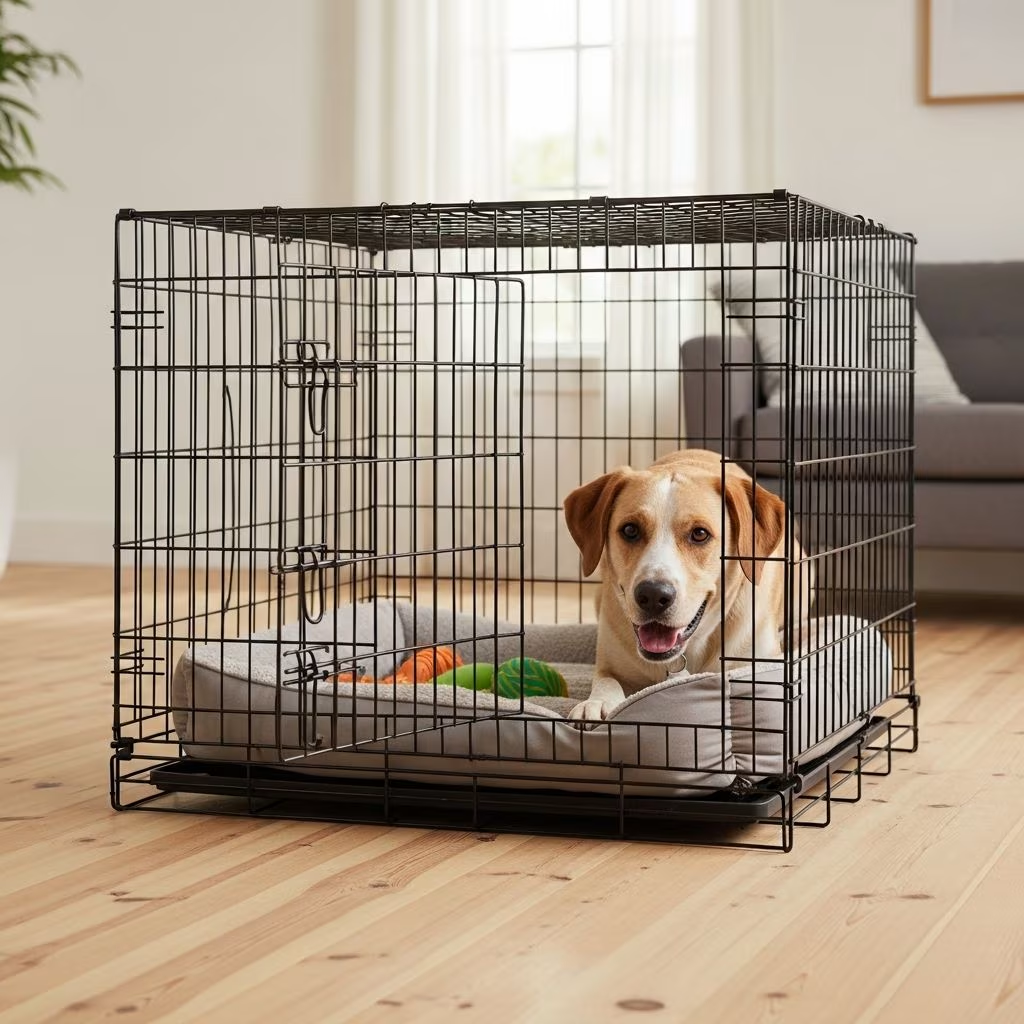
Crate training provides dogs with a secure den-like space, aiding housetraining, preventing destructive behavior, and easing separation. However, many owners face obstacles like refusal to enter, excessive vocalization, or accidents inside. This guide offers original, step-by-step solutions drawn from expert insights to transform crate time into a positive routine.
Understanding Why Crate Problems Occur
Dogs may resist crates due to past negative experiences, improper sizing, or underlying anxiety. Common triggers include over-confinement leading to discomfort, using the crate as punishment, or sudden environmental changes that erode trust in the space. Recognizing these roots is essential before applying fixes.
- Negative Associations: If a dog was forced inside or soiled previously, it links the crate to stress.
- Physical Discomfort: Crates too small restrict movement, causing frustration.
- Anxiety Types: Separation or confinement anxiety manifests as panic when isolated.
Addressing these requires patience and consistency, rebuilding confidence through gradual exposure.
Selecting the Perfect Crate Setup
The foundation of success starts with the right equipment. Measure your dog to ensure the crate allows standing, turning, and lying down fully—typically 1.5 times their length from nose to tail base.
| Dog Size | Ideal Crate Dimensions (inches) | Recommended Features |
|---|---|---|
| Small (under 25 lbs) | 24L x 18W x 19H | Wire with divider, soft bedding |
| Medium (25-50 lbs) | 30L x 21W x 24H | Secure latches, ventilation |
| Large (50+ lbs) | 42L x 28W x 30H | Heavy-duty, escape-proof |
Opt for wire crates for airflow or plastic for travel. Add familiar bedding but avoid absorbent materials if soiling is an issue. For fearful dogs, start with a topless crate base to reduce intimidation.
Building Positive Crate Associations from Scratch
Transform the crate into a rewarding haven using treats, toys, and meals. Begin with the door open, tossing high-value rewards inside randomly to encourage voluntary entry.
- Place meals inside daily, letting your dog eat freely.
- Introduce toys like Kongs stuffed with peanut butter for self-entertainment.
- Praise calmly for any interest, avoiding force.
Progress to short closures: Close the door for seconds, rewarding silence, then extend durations. Feed through the bars during triggers like doorbells to counter-condition fear.
Handling Refusal to Enter the Crate
When dogs balk at entering, revert to basics without pressure. Remove the top panel if possible, creating an open tray for play. Surround with a puppy pen and pads for safe exploration.
- Use a happy “kennel up” cue paired with treats.
- Never drag or push—lure with favorites like cheese.
- Practice 5-10 sessions daily, 2-3 minutes each.
If regression hits after progress, check for stress sources like routine changes and reintroduce comforts. Professional trainers can assess for deeper issues like pain.
Stopping Barking and Whining Effectively
Vocalizing often stems from attention-seeking or unmet needs. Ensure potty breaks, exercise, and play precede crating. Ignore noise completely, releasing only during quiet moments marked with a clicker or “yes”.
Start with 5-second silences, building to 30 minutes. For persistent cases:
- Cover the crate partially to dim stimuli.
- Play white noise or calming music.
- Exercise mentally with puzzle toys pre-crate.
A balanced diet and daily walks prevent pent-up energy fueling outbursts.
Solving In-Crate Soiling and Messes
Accidents indicate full bladder, learned habit, or oversized crates. Remove bedding temporarily, switching to non-absorbent surfaces like foam mats. Tether to furniture as a nighttime interim if needed.
Retraining steps:
- Frequent potty outings before crating.
- Clean thoroughly with enzymatic cleaners to erase scents.
- Supervise closely, returning to crate post-potty.
If chronic, rule out medical issues via vet check—UTIs mimic training failures.
Managing Anxiety-Related Crate Reactions
Distinguish separation anxiety (destroying when alone) from confinement panic (immediate distress in crate). Test by leaving the door open: relaxed lounging suggests incomplete training; bolting indicates anxiety.
- Slow Desensitization: Close door for 1 second, open with treat; repeat 100x daily.
- Counter-Conditioning: Pair solitude with chews, gradually increasing absence.
- Alternatives: Use exercise pens for claustrophobic dogs.
Avoid over-crating—limit to 4-6 hours adult dogs, less for puppies—to prevent health woes like muscle atrophy.
Advanced Techniques for Stubborn Cases
For entrenched issues, integrate mental stimulation: Scatter kibble hunts pre-crate or use snuffle mats. Consult certified trainers for behavior analysis, especially reactive aggression near the crate.
Track progress in a journal:
| Day | Duration Quiet | Notes |
|---|---|---|
| 1-3 | 5-10 sec | Treat focus high |
| 4-7 | 1-5 min | Add door close |
| 8+ | 30+ min | Overnight trial |
Daily Routines for Lasting Success
Incorporate crating into life: naps, meals, bedtime. Combine with 30-60 minutes exercise daily—walks, fetch—to tire physically. Consistency across family members prevents confusion.
Long-term: Fade crate reliance as reliability grows, using for travel or alone time.
Frequently Asked Questions (FAQs)
How long can I crate my adult dog?
Up to 6-8 hours daytime with breaks; monitor for distress.
What if my puppy cries the first night?
Ensure needs met, ignore after brief check; quiet releases only.
Is crate training cruel?
No, when done positively—mimics natural dens.
My rescue dog hates crates—now what?
Go ultra-slow, use pen alternatives, seek pro help.
Can older dogs learn crate love?
Yes, with patience; many thrive via food luring.
References
- Crate Training Regression: Tips for Frustrated Dog Parents — Impact Dog Crates. 2023. https://www.impactdogcrates.com/blogs/news/crate-training-regression
- Ask Crystal: Crate Training Troubleshooting — Blue Ridge Humane Society. 2024. https://www.blueridgehumane.org/crate-training-troubleshooting/
- Puppy Hates the Crate? 10 Tips to Fix It Fast — How To Train A Dream Dog (YouTube). 2023. https://www.youtube.com/watch?v=Nlicq0JvZVs
- Dog Crating Difficulties — Whole Dog Journal. 2023. https://www.whole-dog-journal.com/training/dog-crating-difficulties/
- Crate Training Made Easy: Solutions to Common Issues — Delta Tails. 2024. https://www.deltatails.com/blog/crate-training-made-easy-solutions-to-common-issues



