

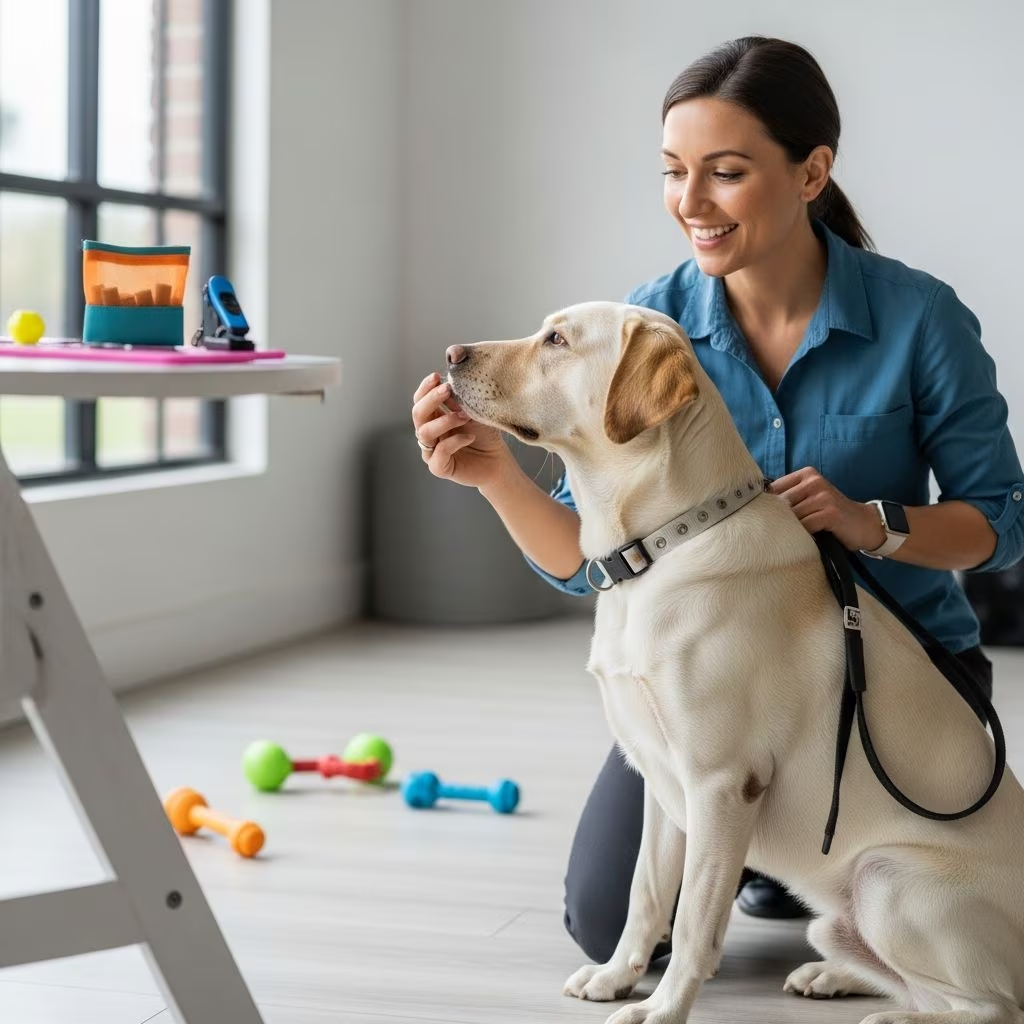
Dogs enrich our lives, but unwanted behaviors can strain the bond. Most issues stem from unmet needs like exercise, stimulation, or clear guidance. Positive reinforcement training resolves many problems by rewarding good choices and preventing bad ones. This article explores frequent challenges and practical fixes grounded in veterinary and training expertise.
Understanding Why Dogs Misbehave
Dogs communicate through actions. Behaviors like excessive barking or chewing often signal boredom, anxiety, fear, or instinct. Identifying triggers—such as isolation, loud noises, or lack of routine—allows targeted solutions. A tired dog from physical and mental activity rarely acts out, as energy fuels mischief.
Key causes include:
- Boredom: Understimulated dogs seek outlets in furniture or noise.
- Anxiety: Fear of abandonment or strangers prompts defensive reactions.
- Instinct: Breeds dig or herd naturally without outlets.
- Poor Training: Inconsistent rules confuse dogs on expectations.
Addressing root causes with consistency yields faster results than punishment, which heightens fear.
Mastering Excessive Barking
Barking serves alerts, greetings, or frustration. Dogs bark at passersby, doors, or solitude from boredom or anxiety. To curb it:
- Observe patterns: Note times, triggers like doorbell or alone time.
- Teach “quiet”: Say the word when pausing, reward silence with treats.
- Boost exercise: Daily walks and fetch drain energy fueling barks.
- Mental games: Puzzle toys distract from noise cues.
Create calm zones with white noise or covered windows to mute external stimuli. Socialize early to build confidence against fear barks. Consistency across household members prevents mixed signals.
Stopping Destructive Chewing and Digging
Puppies teethe, adults vent stress via chewing shoes or digging yards. Boredom or anxiety drives this; provide alternatives.
| Problem | Causes | Solutions |
|---|---|---|
| Chewing | Teething, stress, boredom | Chew toys of varied textures; praise use. Confine unsupervised. |
| Digging | Instinct, escape, cooling | Designated sand pit; reward digging there. Block access. |
Supervise, redirect to toys, and increase play. Crates or gates limit damage during training. Exercise like runs prevents excess energy.
Eliminating Jumping Greetings
Dogs jump for attention, mimicking puppy play bows. Humans reinforce by petting. Turn it around:
- Ignore jumps: No eye contact, turn away until sitting.
- Reward calm: Treats/praise for four-on-floor.
- Practice arrivals: Guests cue sit before entry.
Family-wide consistency speeds change. Leash control helps initially.
Teaching Loose Leash Walking
Pulling hurries dogs to scents or play. Counter by stopping motion on tension.
- Start indoors: Reward slack leash with forward steps.
- Use treats: Lure beside you, fade lure over time.
- Front-clip harness: Discourages pulling mechanically.
- Reverse direction: Call back, reward return.
Short, fun sessions build habit. Praise calm strides profusely.
Managing Separation Anxiety
Dogs left alone may howl, destroy, or soil from distress. Gradual desensitization works:
- Short absences: Start seconds, build to hours with calm exits/entries.
- Comfort items: Puzzle feeders mimic presence.
- Exercise pre-departure: Tired dogs cope better.
- Calm cues: No big goodbyes; use same phrase routinely.
Severe cases need vet for meds alongside training.
Resolving House Soiling
Accidents arise from routine gaps, excitement, or medical issues. Rule out UTIs first.
- Strict schedule: Out after meals, play, naps.
- Supervise: Crate or tether when unreliable.
- Clean thoroughly: Enzyme cleaners erase scents.
- Reward outdoors: Jackpot treats for success.
Consistency retrains bladder control.
Handling Resource Guarding and Aggression
Guarding food/toys stems from fear of loss. Never challenge directly.
- Trade-up: Offer better treats for items.
- Desensitize: Approach bowls tossing treats.
- Train “drop”: Reward relinquishing low-value first.
- Professional help: For bites or stiffening.
Positive methods build trust, reducing reactivity.
Building a Strong Foundation with Basic Training
Obedience prevents issues. Teach sit, stay, come via rewards.
- Mental stimulation: Tricks, scents tire brains.
- Exercise routine: 30-60 min daily walks/runs.
- Socialization: Controlled exposures build confidence.
A well-trained dog anticipates cues, reducing frustration.
Daily Habits for Lasting Change
Prevention beats cure:
- Enrichment toys daily.
- Family training alignment.
- Track progress in journal.
- Professional consults for stalls.
Patience yields results in weeks.
Frequently Asked Questions
What if training doesn’t work?
Check medical issues or hire certified trainer. Consistency is key.
How much exercise is enough?
Breed-dependent: 30 min for small, 2 hours for high-energy.
Is punishment okay?
No; it worsens fear/aggression. Rewards build trust.
When to see a vet for behavior?
Sudden changes, aggression, or elimination issues signal health problems.
Can older dogs change?
Yes, with patience; they learn slower but reliably.
References
- Top Dog Behavior Problems and Proven Ways to Correct Them — Tranquility Vet. 2023. https://www.tranquilityvet.com/dog-behavior-problems-and-proven-ways-to-correct-them/
- 12 Common Dog Behavioral Issues and Conditions — Lemonade. 2024. https://www.lemonade.com/pet/explained/dog-behavioral-issues/
- Addressing Behavior Problems in Dogs — Oakland Veterinary Referral Services. 2023. https://www.ovrs.com/blog/behavior-problems-in-dogs/
- Behavior Problems of Dogs — Merck Veterinary Manual. 2025. https://www.merckvetmanual.com/behavior/behavior-of-dogs/behavior-problems-of-dogs
- ‘Bad’ behaviour: dealing with your dog’s behaviour problems — PDSA. 2024. https://www.pdsa.org.uk/pet-help-and-advice/looking-after-your-pet/puppies-dogs/bad-behaviour
- How to Curb Unwanted Dog Behaviors — American Kennel Club. 2024. https://www.akc.org/expert-advice/training/how-to-curb-unwanted-dog-behaviors/
- Common Dog Behavior Issues — ASPCA. 2025. https://www.aspca.org/pet-care/dog-care/common-dog-behavior-issues



