

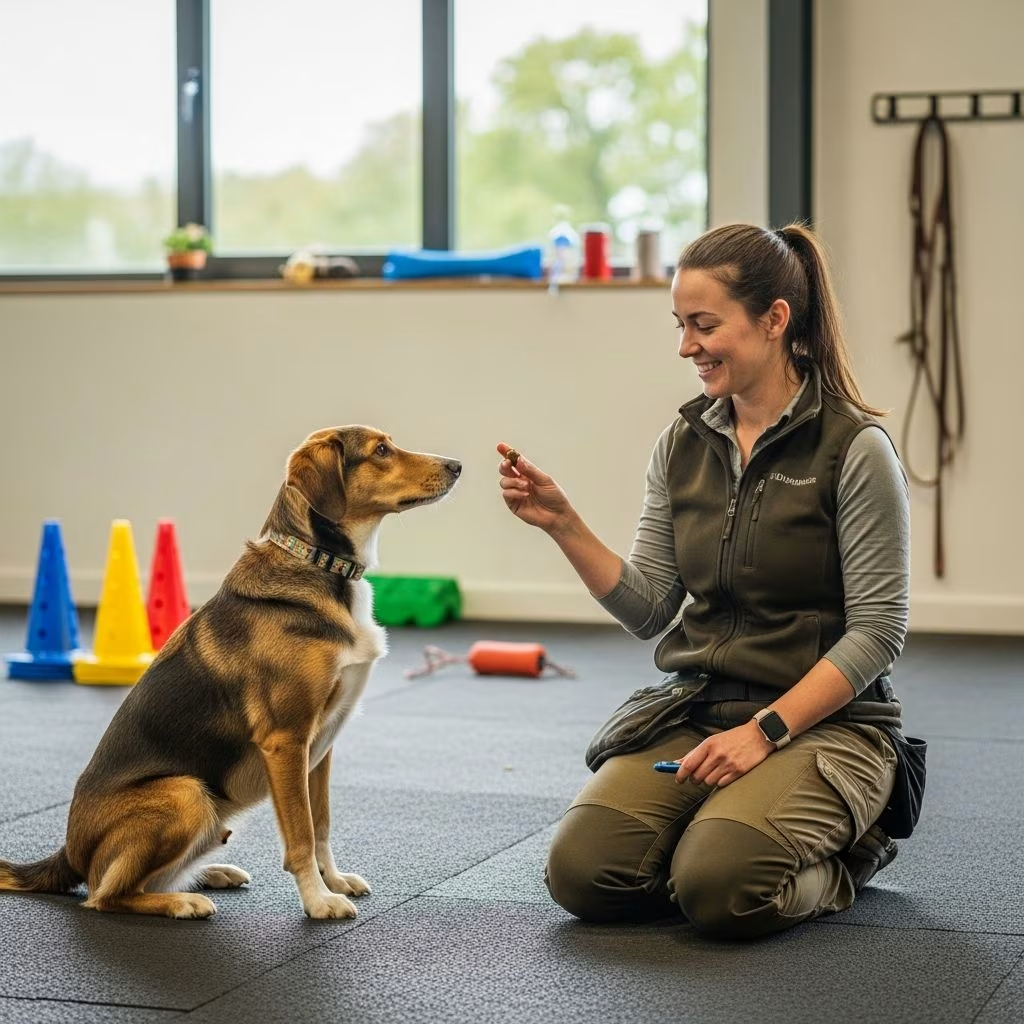
Dog owners frequently encounter frustrating behaviors such as excessive barking, destructive chewing, or leash pulling that disrupt daily life. Addressing these requires a systematic approach grounded in understanding canine psychology and applying evidence-based training methods. This guide outlines actionable steps to diagnose problems, implement solutions, and foster long-term harmony between you and your dog.
Understanding the Foundations of Canine Behavior
Canine behavior stems from instinct, environment, past experiences, and unmet needs. Dogs communicate through body language, vocalizations, and actions, often reacting to stimuli in predictable ways. Recognizing patterns—such as resource guarding or fear responses—allows owners to intervene effectively before issues escalate.
Key drivers include lack of exercise, boredom, inconsistent rules, or medical conditions. A thorough assessment begins with ruling out health issues via veterinary consultation, as pain can manifest as aggression or withdrawal.
Pinpointing the Root Causes of Problem Behaviors
Effective resolution starts with observation. Track when, where, and under what conditions the behavior occurs. Use a journal to note triggers like doorbells for barking or solitude for destructive chewing.
- Environmental Factors: High-traffic homes may provoke anxiety in sensitive dogs.
- Learned Responses: Unintended rewards, like attention during jumping, reinforce unwanted actions.
- Breed Tendencies: Herding breeds might nip heels due to genetic predispositions.
- Age-Related Issues: Puppies explore with mouths; seniors may develop cognitive decline.
Professional trainers emphasize analyzing these elements to craft tailored plans, preventing misdirected efforts.
Core Principles of Positive Reinforcement Training
Positive reinforcement rewards desired actions to encourage repetition, building trust without fear. Unlike punishment, which can increase anxiety, this method promotes confidence and quick learning.
Tools include treats, praise, toys, or clickers to mark precise moments of good behavior. Timing is critical: reward within seconds of the action.
| Method | Description | Example Application |
|---|---|---|
| Clicker Training | Sound marks correct behavior, followed by treat | Click for calm sitting during greetings |
| Treat Luring | Guide with food to shape position | Lure into ‘down’ command |
| Verbal Praise | Enthusiastic words paired with pets | Praise loose-leash walking |
Consistency across family members ensures the dog understands expectations clearly.
Proven Techniques for Behavior Modification
Several scientifically supported methods transform unwanted habits. These draw from operant and classical conditioning principles.
Desensitization and Counterconditioning
Gradually expose dogs to triggers at low intensity while pairing with positives. For doorbell reactivity, play the sound softly during mealtime, increasing volume over sessions.
Extinction Strategies
Withdraw attention for attention-seeking behaviors like jumping. Turn away silently until paws hit the ground, then reward calm standing.
Shaping Alternative Behaviors
Reinforce incremental steps toward goals. To curb counter-surfing, reward ‘four on the floor’ near kitchen counters.
These approaches, when combined, yield sustainable changes without force.
Tackling Common Behavior Challenges
Leash Reactivity and Pulling
Many dogs lunge at passersby due to excitement or fear. Stop walking when tension builds, rewarding slack leashes. Practice in low-distraction areas, progressing to busier streets. Reverse direction as a redirect tool.
Destructive Chewing and Digging
Provide outlets like durable toys and puzzle feeders. Confine unsupervised access initially, using crates for safety. Exercise fulfills physical needs, reducing boredom-driven destruction.
Excessive Barking
Differentiate alert, demand, and fear barking. Teach ‘quiet’ by rewarding silence after brief vocalization. White noise machines mask external triggers.
Separation Anxiety
Build tolerance with short departures, returning before distress. Toys dispensed on exit associate absence with pleasure.
Aggression Management
Never use confrontation. Identify triggers like food proximity, then create distance and countercondition with treats. Consult certified professionals for safety.
Building a Supportive Daily Routine
Structure prevents issues. Incorporate morning walks, midday mental games, and evening calm sessions. Mental stimulation via scent work or obedience rivals physical exercise in fatigue.
- Daily walks: 30-60 minutes based on breed.
- Training sessions: 5-15 minutes, multiple times daily.
- Rest periods: Enforced downtime in crates or beds.
Calm-assertive leadership—relaxed posture and clear commands—models desired composure.
Advanced Strategies for Stubborn Cases
For persistent problems, integrate multiple methods. Put behaviors ‘on cue’ to control them: teach ‘bark’ then ignore off-cue instances. Shape absence by clicking non-problem actions in fearful dogs.
Change motivations: Indoor sleeping resolves nighttime barking from isolation. Balanced training blends positives with clear boundaries.
When to Seek Professional Help
DIY works for mild issues, but aggression, severe anxiety, or multi-dog conflicts warrant experts. Look for force-free certified trainers (CPDT-KA) or veterinary behaviorists (DACVB).
Early intervention maximizes success; delays entrench habits.
FAQs: Dog Behavior Training Essentials
How long does behavior change take?
Typically 2-8 weeks with daily practice, varying by dog age, issue severity, and consistency.
Is punishment ever okay?
Avoid; it erodes trust. Focus on rewards for alternatives.
What if my dog regresses?
Return to basics, shorten sessions, and check for changes like illness.
Can puppies be trained this way?
Yes, starting early prevents problems through socialization and foundations.
How to choose the right trainer?
Verify credentials, observe sessions, ensure positive methods.
Long-Term Prevention and Maintenance
Reinforce rules lifelong. Annual vet checks catch underlying issues. Enroll in group classes for socialization. Celebrate progress to sustain motivation.
Ultimately, patient, informed ownership transforms challenges into strengths, enriching the human-canine bond.
References
- Behavior Modification in Dogs – Dog Owners — Merck Veterinary Manual. 2023-01-15. https://www.merckvetmanual.com/dog-owners/behavior-of-dogs/behavior-modification-in-dogs
- How to Curb Unwanted Dog Behaviors — American Kennel Club. 2024-05-20. https://www.akc.org/expert-advice/training/how-to-curb-unwanted-dog-behaviors/
- The Eight Ways of Changing Behavior — Karen Pryor Clicker Training. 2022-11-10. https://clickertraining.com/the-eight-ways-of-changing-behavior/
- Common Dog Behavior Issues — ASPCA. 2025-02-14. https://www.aspca.org/pet-care/dog-care/common-dog-behavior-issues
- Effective Dog Problem Solving Training Solutions — K-9 Specialist. 2024-08-05. https://k-9specialist.com/dog-problem-solving-training-solutions/



