

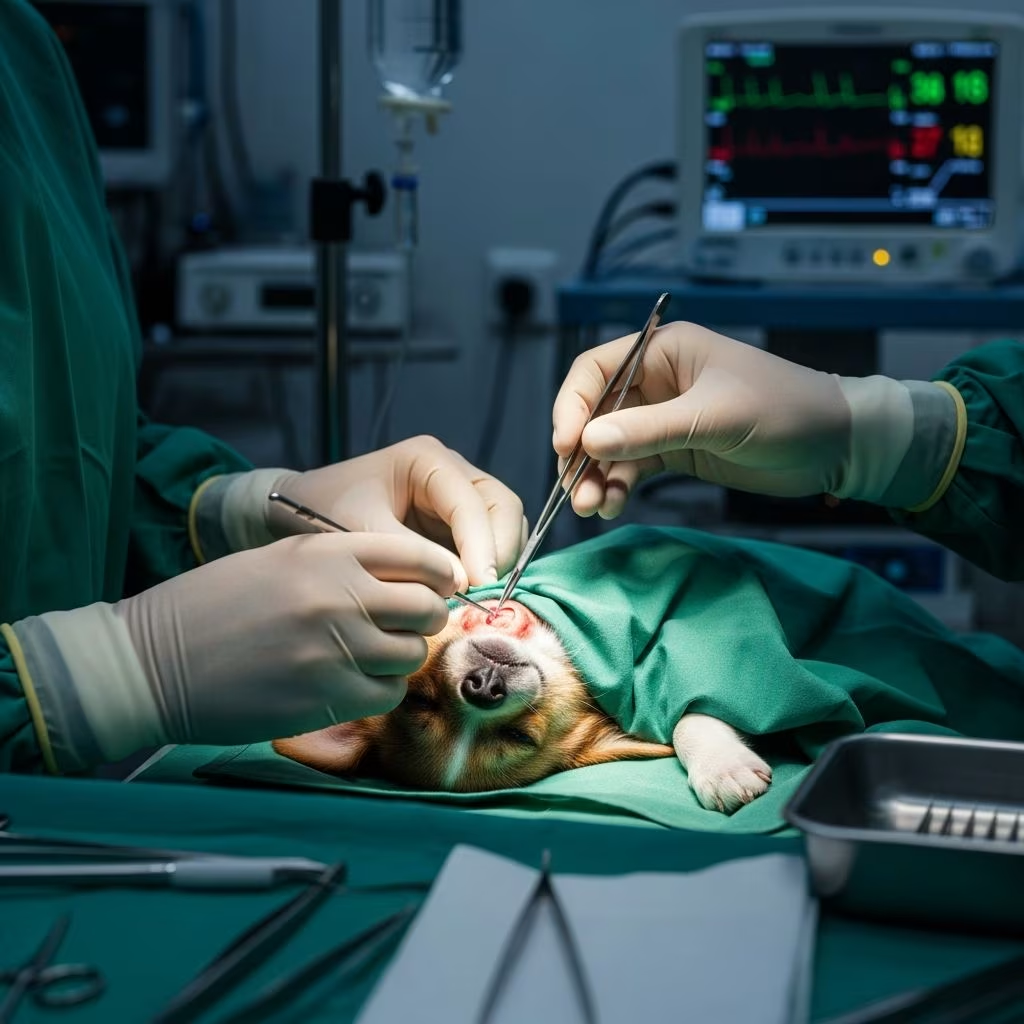
Congenital flaws, also known as birth defects, impact a notable percentage of newborn pets, with studies indicating up to 7% of canine litters affected. These anomalies range from minor cosmetic issues to life-threatening conditions affecting vital organs. While some defects stem from genetic predispositions, others arise from maternal health during gestation. Veterinary advancements offer promising corrections, from surgical interventions to supportive therapies, enabling many pets to lead normal lives.
Understanding the Roots of Pet Birth Defects
Birth defects in pets develop during fetal stages due to a mix of genetic, nutritional, infectious, and toxic influences. Genetic factors often follow inheritance patterns like dominant or recessive traits, where mutant genes disrupt normal development. Environmental triggers, including maternal infections or poor nutrition, compound these risks.
Hereditary issues frequently target specific breeds. For instance, Yorkshire Terriers commonly exhibit portosystemic shunts, abnormal blood vessel connections bypassing the liver, while Dobermans face heightened risks of dilated cardiomyopathy. Ragdoll cats show propensities for eyelid colobomas.
Nutritional shortfalls in pregnant dams critically impair fetal growth. Deficiencies in vitamins A, B2, D, or minerals like calcium lead to skeletal deformities, eye problems, and organ failures. Excesses, such as vitamin D, can produce ‘swimmer puppy’ syndrome with limb immobility.
Infectious diseases pose severe threats; parvovirus or distemper in mothers induces fevers causing cerebellar hypoplasia in kittens, manifesting as tremors. Chemical teratogens like pesticides further exacerbate developmental disruptions.
Prevalent Congenital Conditions in Dogs and Cats
Several defects recur across breeds, each with distinct symptoms and implications. Awareness aids early detection crucial for intervention.
- Cleft Lip and Palate: Occurring in about 25% of affected cases, this failure of palate fusion hinders nursing and growth. Brachycephalic breeds like Beagles and Dachshunds face 30% risks.
- Umbilical Hernias: Incomplete umbilical closure allows abdominal contents to protrude, forming belly bulges. Common and often benign, but sizable ones require repair.
- Heart Anomalies: Congenital murmurs from valve defects like pulmonic stenosis affect oxygenation. Predisposed breeds include Boxers, Bulldogs, and Labrador Retrievers.
- Liver Shunts (Portosystemic Shunts): Bypassed liver filtration causes toxin buildup, stunting growth. Yorkshire Terriers and Maltese are vulnerable.
- Hydrocephalus and Anasarca: Fluid accumulation in brains or generalized edema, prevalent in brachycephalics.
| Defect | Common Breeds | Symptoms |
|---|---|---|
| Cleft Palate | Beagles, Cocker Spaniels | Poor nursing, weight loss |
| Portosystemic Shunt | Yorkshire Terriers, Goldens | Stunted growth, seizures |
| Pulmonic Stenosis | Boxers, Samoyeds | Murmurs, fatigue |
| Umbilical Hernia | All breeds | Abdominal bulge |
Diagnostic Approaches for Early Identification
Timely diagnosis hinges on comprehensive veterinary exams post-birth. Physical assessments reveal overt defects like clefts or hernias. Blood tests detect liver enzyme anomalies in shunts, while ultrasounds visualize heart structures and blood flows. Radiographs confirm skeletal issues, and advanced imaging like CT scans detail cranial malformations.
Breed history informs screening; genetic testing identifies carrier status for heritable traits. Puppies showing tremors or failure-to-thrive warrant immediate investigation to differentiate defects from infections.
Surgical Solutions for Structural Defects
Surgery remains the cornerstone for many corrections, performed once puppies reach safe weights, typically 8-12 weeks. Cleft palate repairs involve multilayer closures using flaps from surrounding tissues, restoring feeding ability with high success rates exceeding 80% in uncomplicated cases.
Umbilical hernias undergo simple excision and suturing under anesthesia, preventing strangulation risks. Portosystemic shunts demand precise ligation or vascular banding to redirect blood, normalizing liver function in 85-95% of patients.
Heart defects like pulmonic stenosis may require balloon valvuloplasty, inflating catheters to widen valves, or open surgeries for severe fusions. These interventions, guided by echocardiography, dramatically extend lifespans.
Non-Surgical Management and Therapies
Not all defects necessitate surgery. Mild heart murmurs often stabilize with medications like beta-blockers, monitoring via regular echos. Nutritional support counters deficiencies; high-protein diets aid shunt-affected pets pre-surgery.
Physical therapy rehabilitates swimmer puppies, using slings and exercises to strengthen limbs. Hydrocephalus management employs diuretics and shunts in refractory cases. Holistic approaches, including acupuncture, alleviate neurological symptoms from hypoplasia.
Preventive Strategies for Breeders and Owners
Prevention starts with responsible breeding. Genetic screening via DNA tests excludes carriers of known defects. Health certifications for sires and dams mitigate hereditary risks.
Pregnant pets require balanced diets rich in essential vitamins and minerals, avoiding excesses. Vaccinations timed pre-pregnancy prevent fetal infections; toxin-free environments shield developing litters. Spaying non-breeding pets curtails defect propagation.
Brachycephalic breeding reforms reduce exaggerated traits fueling defects like clefts and airway issues.
Long-Term Care and Prognosis
Post-correction, pets thrive with tailored care. Surgical sites demand cone collars and restricted activity to ensure healing. Regular vet checkups track organ functions, adjusting meds as needed.
Prognoses vary: repaired clefts yield normal lifespans, while managed heart conditions allow active lives sans heart failure. Owners report high satisfaction, with corrected pets engaging fully in family activities.
Frequently Asked Questions (FAQs)
Can all pet birth defects be corrected?
Many structural defects respond well to surgery, but some neurological or genetic ones require lifelong management. Early intervention boosts success.
Are certain breeds more prone to defects?
Yes, brachycephalics and small breeds like Yorkshire Terriers face higher incidences due to genetics and breeding practices.
How much do defect corrections cost?
Costs range from $500 for hernias to $5,000+ for heart surgeries, varying by complexity and location.
Should pets with defects be bred?
No, to prevent passing traits; spay/neuter recommended.
What signs indicate a birth defect?
Failure to thrive, abnormal gaits, breathing issues, or visible malformations warrant vet visits.
Advancements in veterinary care transform congenital flaw outcomes, turning potential tragedies into success stories. Owners partnering with vets achieve remarkable recoveries, underscoring proactive health measures’ value.
References
- Pet Birth Defects – Detection, Causes, Prevention, Treatments — Vippets.net. 2023. https://vippets.net/pet-birth-defects-detection-causes-prevention-treatments/
- The Common Pet Birth Defects — Smoochie-Pooch.com. 2023. https://smoochie-pooch.com/pet-birth-defects/
- Congenital and Inherited Disorders Affecting Multiple Body Systems of Dogs — Merck Veterinary Manual. 2024. https://www.merckvetmanual.com/dog-owners/disorders-affecting-multiple-body-systems-of-dogs/congenital-and-inherited-disorders-affecting-multiple-body-systems-of-dogs
- The most common congenital malformations in dogs — PubMed (Peer-reviewed). 2024-03-15. https://pubmed.ncbi.nlm.nih.gov/38492280/
- Common Congenital Conditions in Puppies — Boca Midtown Vet. 2023. https://bocamidtownevet.com/common-congenital-conditions-in-puppies/
- Congenital Health Problems In Puppies — Pawlicy Advisor. 2023. https://www.pawlicy.com/blog/congenital-conditions-defects-in-puppies/



