

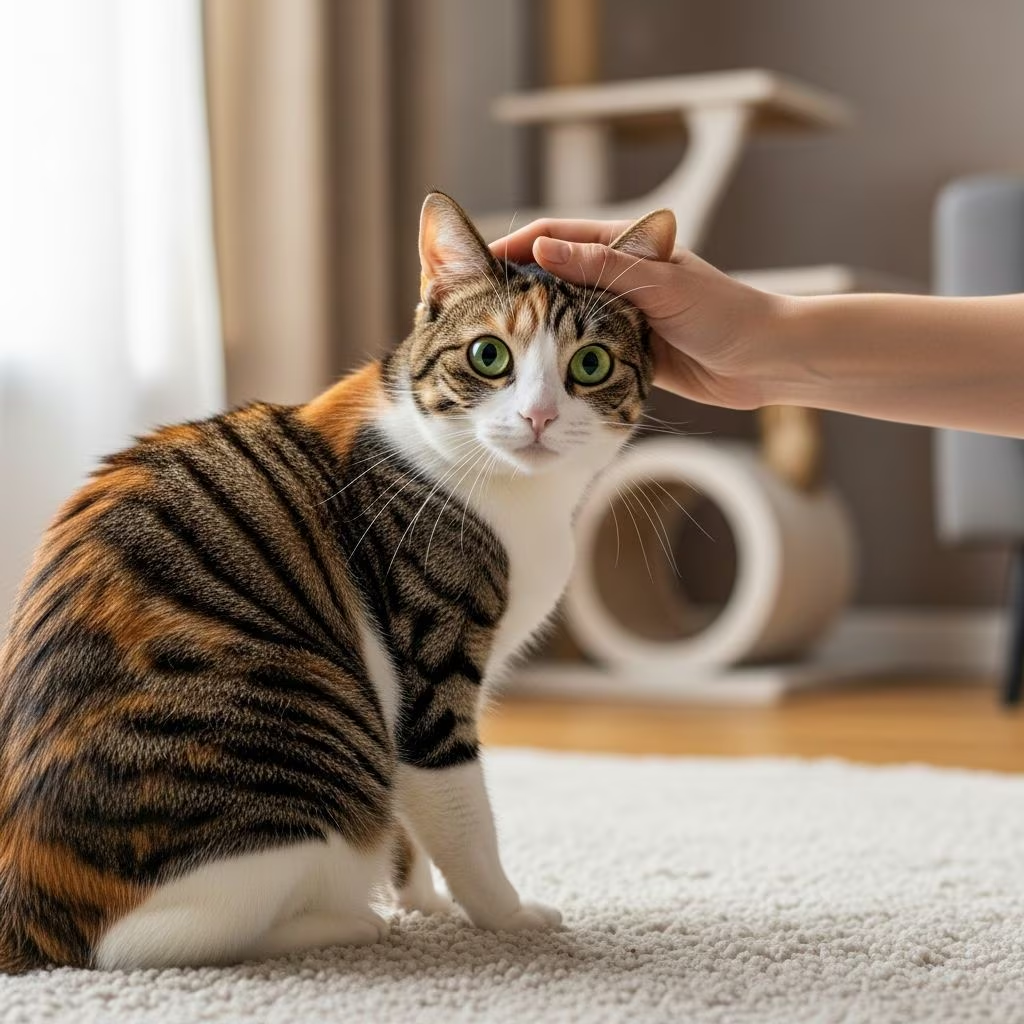
Cat behavior problems can strain the bond between pets and owners, but most issues respond well to targeted interventions. Start with a veterinary checkup to exclude medical causes, then apply environmental adjustments, training, and sometimes medication for lasting improvement.
Why Cats Develop Behavior Problems
Cats exhibit unwanted behaviors due to stress, medical conditions, or unmet needs. Conditions like hyperthyroidism or pain can trigger aggression or elimination outside the litter box. Environmental stressors, such as new pets or routine changes, also contribute significantly. Early detection prevents escalation, as young cats adapt faster to corrections, though all ages can improve with consistent effort.
Step-by-Step Diagnosis Process
Begin every behavior plan with a professional evaluation. Veterinarians rule out health issues through exams, bloodwork, or imaging. For instance, dental pain or arthritis might cause litter avoidance. Once cleared, identify triggers like territorial disputes or boredom via observation. Document incidents, noting time, location, and preceding events to pinpoint patterns.
- Schedule a full wellness exam first.
- Track behavior logs for 1-2 weeks.
- Consult certified behaviorists for complex cases.
Addressing Inappropriate Elimination
Litter box avoidance tops feline complaints, often stemming from unclean boxes, inaccessible locations, or substrate dislikes. Medical issues like urinary infections must be excluded first. Solutions include one box per cat plus one extra, placed in quiet spots. Experiment with litter types—clumping, non-clumping, or even puppy pads for picky cats.
| Problem | Quick Fixes | Long-Term Prevention |
|---|---|---|
| Box too dirty | Scoop twice daily | Self-cleaning boxes or more frequent changes |
| Wrong litter | Switch gradually | Offer multiple litter choices |
| Stress-related | Pheromone diffusers | Safe spaces and routine stability |
Positive reinforcement works: reward box use with treats. Avoid punishment, which heightens anxiety.
Solving Destructive Scratching
Scratching fulfills natural claw maintenance and marking needs. Provide sturdy posts of varied materials like sisal, cardboard, or wood near favored spots. Rub with catnip to attract use. Trim nails biweekly and consider soft caps for protection. Deter furniture with double-sided tape or sprays, but pair with approved alternatives.
- Place posts by windows, sofas, and beds.
- Reward appropriate scratching immediately.
- Nail trims: Use clippers designed for cats during calm moments.
Declawing is discouraged due to pain, complications, and failure to resolve root behaviors.
Managing Aggression in Cats
Aggression types include fear-based, play-related, territorial, and redirected. Petting-induced aggression arises from overstimulation—watch for tail twitching or ear flattening. Inter-cat conflicts often involve resource guarding. Counter with separate feeding stations, vertical spaces, and slow reintroductions.
Steps to reduce aggression:
- Identify triggers via video observation.
- Use counter-conditioning: Pair stimuli with treats.
- Employ calming aids like pheromone collars.
- Avoid physical punishment, which worsens fear.
For severe cases, vets prescribe anti-anxiety meds alongside behavior plans.
Calming Anxious and Stressed Cats
Anxiety manifests as hiding, over-grooming, or vocalizing. Create retreats with boxes or perches. Maintain routines for meals and play. Interactive toys and puzzle feeders expend energy, reducing stress. Products like Feliway diffusers mimic soothing pheromones.
- Daily 10-15 minute play sessions.
- Consistent feeding schedules.
- Calming collars or treats for multi-cat homes.
Stopping Nighttime Activity and Meowing
Nightly zoomies or cries signal hunger, boredom, or pain. Pre-bed play exhausts cats, followed by a meal to mimic hunting satiety. Ignore demands to avoid reinforcement; respond only during day. If persistent, check for hyperthyroidism.
Evening routine example:
- 5 PM: Interactive play with wand toys.
- 7 PM: Small meal or puzzle feeder.
- Ignore post-bedtime vocalizing.
Environmental Enrichment Essentials
Cats need stimulation mimicking wild instincts. Install shelves, tunnels, and window perches. Rotate toys weekly. Multiple resources prevent competition: food bowls, scratchers, and beds per cat in distant locations. Vertical space expands territory peacefully.
Training Techniques for Better Behavior
Clicker training builds positive associations. Mark desired actions with a click and treat. For litter training, place kittens in boxes post-meals. Desensitization gradually exposes cats to triggers, like strangers, at low intensity.
- Use high-value rewards: tuna or chicken.
- Sessions: 5 minutes, 2-3 times daily.
- Consistency across household members.
When to Use Medication
Drugs like fluoxetine aid severe anxiety or aggression but require behavior changes too. Vets tailor doses after diagnostics. Never self-medicate; monitor for side effects like appetite loss.
FAQs
Can all cat behavior problems be fixed?
Most improve with intervention, though some need ongoing management. Success rates exceed 80% with vet guidance.
How long do behavior changes take?
Weeks to months; patience and consistency are vital.
Is punishment effective?
No—it increases fear and aggression. Focus on rewards.
What if my cat ignores scratching posts?
Try catnip, motion toys, or different textures and locations.
Should I get a second cat?
Only if your home supports multiple territories; mismatches worsen issues.
Building a Lasting Behavior Plan
Combine vet advice, home strategies, and monitoring for holistic success. Track progress weekly and adjust as needed. Professional behaviorists offer personalized protocols for stubborn cases. With dedication, most cats reclaim harmonious homes.
References
- Feline Behavior Problems: Aggression — Cornell University College of Veterinary Medicine. 2023-10-15. https://www.vet.cornell.edu/departments-centers-and-institutes/cornell-feline-health-center/health-information/feline-health-topics/feline-behavior-problems-aggression
- How can I fix my cat’s behavior problems? — American Animal Hospital Association (AAHA). 2024-05-20. https://www.aaha.org/resources/how-can-i-fix-my-cats-behavior-problems/
- 9 Common Cat Behavior Problems (and How to Fix Them) — PetMD. 2025-01-12. https://www.petmd.com/cat/slideshows/9-common-cat-behavior-problems-and-how-fix-them
- 5 Cat Behavior Problems and How to Solve Them — ASPCA Pet Insurance. 2024-08-03. https://www.aspcapetinsurance.com/resources/5-cat-behavior-problems-and-how-to-solve-them/
- Common Cat Behavior Issues — ASPCA. 2024-11-18. https://www.aspca.org/pet-care/cat-care/common-cat-behavior-issues



