

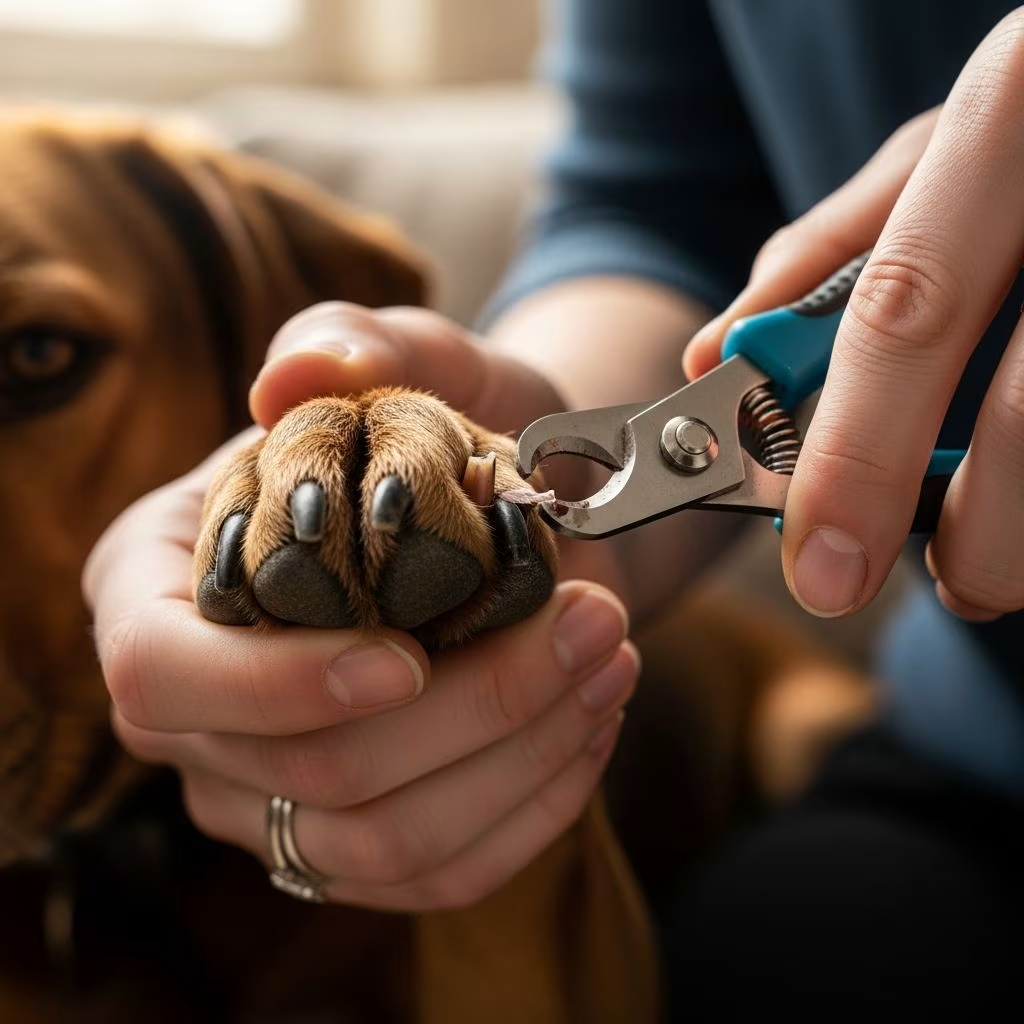
A broken nail in dogs is a frequent injury that can cause significant discomfort, leading to limping, pain, or reluctance to walk. These incidents often occur during play, rough terrain exploration, or improper nail trimming. Quick action is essential to minimize pain, stop bleeding, and ward off infections, as the nail bed connects directly to sensitive bone tissue. This guide outlines immediate first aid measures, professional treatment options, recovery strategies, and preventive practices to keep your dog’s paws healthy.
Recognizing the Signs of a Broken Nail Injury
Dogs may not always vocalize pain clearly, but certain behaviors signal a nail problem. Watch for sudden limping, favoring one paw, excessive licking or chewing at the foot, yelping upon paw contact, or visible blood on floors or bedding. Inspect the paw closely: a broken nail might appear split, torn, hanging loosely, or bleeding profusely from the quick—the pink vascular tissue inside the nail.
- Limping or holding up the paw: Indicates pain from pressure on the injured area.
- Bleeding trails: Common with deep tears exposing the quick.
- Swelling or redness: Early infection signs requiring urgent attention.
- Behavioral changes: Irritability, restlessness, or hiding due to discomfort.
Minor cracks might heal independently, but tears reaching the base or involving the quick demand intervention to prevent complications like bone infections.
Immediate First Aid: What to Do Right Away
When you spot a broken nail, stay calm to avoid stressing your dog further. Prioritize safety and bleeding control before any further steps.
Step 1: Secure and Restrain Your Dog Safely
Pain can make even gentle dogs reactive, so restrain them gently. Enlist a helper to hold your dog securely, perhaps with a comforting hug that limits movement. If needed, use a muzzle to prevent accidental bites during treatment.
Step 2: Stop the Bleeding Effectively
Wrap the paw in a clean gauze pad or towel and apply firm but gentle pressure for 5-10 minutes. Elevate the paw if possible. If bleeding persists, use styptic powder, a silver nitrate stick, cauterizing powder, flour, cornstarch, or baking powder directly on the nail tip. These agents constrict blood vessels quickly. Avoid overly tight wraps to prevent swelling.
| Method | How to Use | Availability |
|---|---|---|
| Gauze + Pressure | Wrap and hold 5-10 min | Home first aid kit |
| Styptic Powder | Dip nail tip directly | Pet store/pharmacy |
| Flour/Cornstarch | Pack into wound | Kitchen staple |
| Soap Bar | Press nail into bar | Bathroom |
Step 3: Gently Remove Loose Nail Fragments
If a portion dangles loosely and risks further tearing, trim it with sharp pet nail clippers. Cut above the damaged section for clean regrowth. However, leave complex removals to vets, as they may require sedation.
Step 4: Clean and Disinfect the Area
Rinse the paw with warm water to remove debris, then apply pet-safe antiseptic spray or solution. Pat dry gently. This step reduces infection risk significantly.
Bandaging and Protecting the Injured Paw
After initial care, apply a light bandage using non-stick gauze, vet wrap, and tape. Ensure it’s snug but not constrictive—your dog should wiggle toes freely. Change daily, cleaning the wound each time. Monitor for pus, increased swelling, or foul odor, which signal infection.
- Use an E-collar to deter licking, typically for 2-3 days.
- Keep bandage dry; use booties for outdoor relief.
- Inspect twice daily for circulation by checking toe warmth and color.
When to Rush to the Vet: Red Flags
Not all breaks need professional help, but certain symptoms warrant immediate care. Seek a vet if bleeding won’t stop after 10-15 minutes, the quick or bone is exposed, pain is extreme (refusing to bear weight), or infection signs appear.
| Home Care | Vet Visit Needed |
|---|---|
| Minor split, stops bleeding quickly | Heavy bleeding >10 min, exposed bone |
| Mild limping, no swelling | Extreme pain, limping persists |
| Cleaning/bandaging effective | Swelling, pus, fever |
During a vet exam, expect X-rays for fractures, trimming under sedation, antibiotics, pain meds, and bandaging. Costs range from $100 to several hundred dollars based on severity.
Professional Treatment Protocols
Vets assess via physical exam and history. Treatments include:
- Precise trimming: Removes damaged nail for proper regrowth.
- Antibiotic ointment/powder: Protects nail bed.
- Bandaging: Prevents contamination.
- Oral meds: For pain and infection prevention.
- Follow-ups: To monitor healing and regrowth.
Sedation ensures comfort for painful procedures.
Recovery Timeline and Home Care Tips
New nail growth takes 2-3 months, depending on breed and health. Keep the paw clean, limit activity, and provide soft bedding. Gradually reintroduce walks on soft surfaces. Full recovery hinges on preventing licking and reinjury.
- Week 1: Bandage changes, rest.
- Weeks 2-4: Monitor regrowth, remove collar if safe.
- Month 2+: Resume normal nail care.
Preventing Future Nail Injuries
Regular maintenance averts most breaks. Trim nails every 4-6 weeks or when they click on floors. Use grinders for safety. Provide safe play areas, booties on rough surfaces, and check paws post-outings. Overlong nails split easily under stress.
Frequently Asked Questions (FAQs)
Can a dog’s broken nail heal on its own?
Minor cases yes, with cleaning and protection; severe ones need vet removal of damaged parts for proper healing.
How long does it take for a dog nail to regrow?
Typically 2-3 months; faster in puppies, slower in large breeds.
Is a broken nail an emergency?
Yes if bleeding persists, quick exposed, or infection suspected.
What if my dog licks the bandage?
Use an E-collar; consult vet if licking persists.
How much does vet treatment cost?
$100-$500+, varying by complexity and location.
Essential Supplies for Your Dog First Aid Kit
- Styptic powder or sticks
- Pet-safe antiseptic
- Gauze, vet wrap, tape
- Nail clippers/grinder
- E-collar
- Clean towels
References
- Why a Vet Visit is Needed if Your Dog’s Toenail is Bleeding — Parrish Veterinary Clinic. 2023. https://parrishvetclinic.com/blog/dogs-toenail-is-bleeding/
- My Dog Has Broken A Nail. What Do I Do? — All Care Pet Clinic. 2024-05-15. https://www.allcarepetclinic.com/site/blog/2024/05/15/dog-has-broken-nail
- First Aid for Broken Nails in Dogs — VCA Animal Hospitals. Accessed 2026. https://vcahospitals.com/know-your-pet/first-aid-for-broken-nails-in-dogs
- What to Do if Your Dog Breaks or Tears a Nail — MedVet. Accessed 2026. https://www.medvet.com/what-to-dog-if-your-dog-breaks-or-tears-a-nail/
- Dog Broken Nail: Is It an Emergency? — GSVS. Accessed 2026. https://gsvs.org/blog/dog-broken-nail-emergency/
- First Aid for Broken Nails on Dogs — PetMD. Accessed 2026. https://www.petmd.com/dog/care/first-aid-broken-nails-dogs



