Fix Dog Walking Issues: 6 Expert Strategies For Calm Walks
Overcome pulling, lunging, refusal, and more with proven training techniques for stress-free outings.
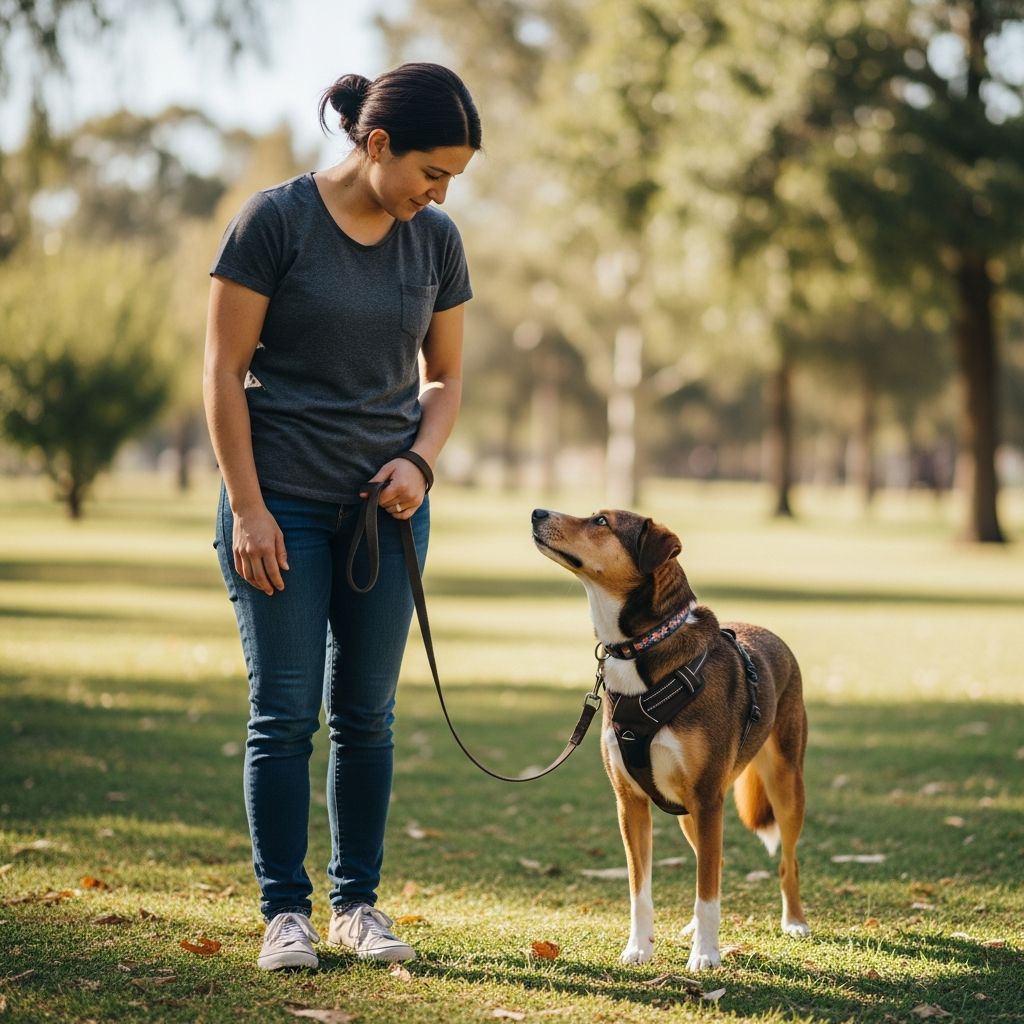
Fix Dog Walking Issues
Daily walks provide essential exercise and mental stimulation for dogs, yet many owners face frustrating challenges that turn outings into battles. From relentless leash pulling to sudden refusals to move, these behaviors stem from instinct, fear, or lack of training. This guide explores proven methods to address these problems, drawing on veterinary recommendations and positive reinforcement strategies to foster calm, enjoyable walks.
Why Walks Go Wrong: Core Causes
Dogs evolved to explore widely, leading to natural tendencies like forging ahead or reacting to stimuli. Inadequate equipment, inconsistent handling, or underlying health issues exacerbate problems. The American Veterinary Medical Association emphasizes training dogs to behave on leashes and avoiding hazardous environments to prevent injuries. Recognizing triggers—such as anxiety from loud noises or joint pain—allows targeted fixes.
- Instinctual Drives: Dogs walk faster than humans and pull toward scents or playmates.
- Fear Responses: Lunging often signals anxiety toward strangers or other animals.
- Physical Discomfort: Poorly fitted gear or paw soreness causes resistance.
- Lack of Training: Without cues like “heel,” dogs default to self-directed movement.
Mastering Leash Pulling: Regain Control
Leash pulling is the most reported issue, risking injury to owners and dogs alike. It occurs when dogs learn that tugging advances them toward rewards like new smells. The solution lies in stopping forward progress immediately upon tension, teaching that a loose leash yields movement.
Begin in low-distraction areas. Hold the leash firmly at your side. When pulling starts, plant your feet and wait calmly. Resume walking only when slack returns, pairing with verbal praise or treats. Consistency is key—expect frequent halts initially, but progress builds quickly.
| Training Stage | Technique | Expected Outcome |
|---|---|---|
| Week 1: Indoors | Practice short sessions with treats for heel position | Dog learns side-by-side walking |
| Week 2: Yard | Introduce stops for pulling; reward slack leash | Reduces outdoor anticipation |
| Ongoing: Streets | Use no-pull harness; vary routes | Maintains loose leash in real scenarios |
Equip with a front-clip harness to redirect pulling naturally, distributing pressure across the chest rather than neck. Avoid retractable leashes, which encourage tugging.
Handling Reactivity: Calm Encounters
Reactive dogs lunge or bark at passersby, other pets, or vehicles due to fear or overexcitement. Counter this by building positive associations through desensitization: spot triggers at a distance, then offer high-value treats before reaction thresholds.
Practice in controlled settings, gradually closing distances as composure improves. Clicker training sharpens focus—mark desired calm behavior with a click and reward. For severe cases, consult certified trainers to rule out aggression.
Quick Reactivity Drills
- Distance spotting: Reward glances at you amid distant triggers.
- Emergency U-turns: Pivot away from stimuli, praising heavily.
- Focus cues: Teach “look” at home, deploy on walks.
Environmental management helps: Choose quiet times and paths to build confidence without overwhelm.
When Dogs Refuse to Walk: Motivation Boosters
Sudden walk strikes often indicate fear, fatigue, pain, or boredom. Puppies tire quickly, while seniors face joint stiffness. First, vet-check for issues like paw injuries or arthritis.
Restart with enticement: Use favorite toys or treats to lure initial steps in familiar spots. Shorten sessions, praising every forward movement. Vary routes to reignite interest—ditch routine paths for novel scents.
- Tempt with squeaky toys dragged ahead.
- Walk briskly through boring stretches.
- Choose one leash side consistently to build habit.
For anxiety-driven refusals, calming aids like fitted shirts reduce overstimulation. Always prioritize paw protection on rough surfaces.
Boosting Attention: End Distraction Dominance
Dogs ignoring commands on walks prioritize external stimuli. Reclaim focus via clicker conditioning: At home, click and treat for eye contact on cue. Transition to walks, starting short and reward-heavy.
High-value rewards trump street distractions. Practice “heel” with directional changes—left, right, about-faces—to keep engagement high.
Gear Essentials for Smooth Walks
Ill-fitting collars chafe necks, while harnesses offer humane control. Test fit by slipping two fingers under straps—snug but not tight. Custom options account for breed-specific builds, preventing rub points under armpits or chest.
Leash length matters: 4-6 feet standard for training; avoid flexis until manners solidify.
Environmental Factors: Stress Reducers
Loud sirens, slippery grates, or crowds spike anxiety. Scout safe routes: Avoid hot pavement, glass-littered lots, or icy patches. Designate sniff zones for mental enrichment, balancing structure with freedom.
Time walks wisely—mornings for energy burn, evenings for decompression. Build routine with flexibility: Consistent start times foster reliability.
Advanced Strategies: Long-Term Harmony
Integrate the 3 D’s of training—duration, distance, distraction—for reactivity and heel work. Gradually extend calm periods near triggers, shorten distances, and amp distractions.
Group classes expose dogs socially under guidance. Track progress in a journal to refine approaches.
FAQs
What if my dog pulls despite training?
Revert to basics: Shorter walks, higher-value treats, professional assessment for pain.
Is a harness better than a collar?
Yes for pullers—redirects without tracheal pressure.
How long until improvements?
1-4 weeks with daily 10-minute sessions.
Puppy refusals normal?
Often; build stamina gradually with play incentives.
When to see a vet?
Sudden changes, limping, or fear escalation.
Building Lasting Walk Bonds
Transform walks into mutual joy through patience and positivity. Consistent application yields obedient, happy companions eager for outings.
References
- Walking with your dog — American Veterinary Medical Association. 2023-10-01. https://www.avma.org/resources-tools/pet-owners/petcare/walking-your-pet
- How to Deal with Common Dog Walking Problems — Union Lake Pet Services. 2024-05-12. https://unionlakepetservices.com/blog/how-to-deal-with-common-dog-walking-problems
- Dog Stops Walking & Won’t Move! Reasons & What to Do — Heart of Georgia Animal Care. 2024-04-15. https://www.heartofgeorgiaanimalcare.com/site/blog/2024/04/15/dog-stops-walking-wont-move
- 5 Common Walking Mistakes That Stress Your Dog (And Simple Solutions) — Continental Kennel Club. 2025-01-15. https://ckcusa.com/blog/2025/january/5-common-walking-mistakes-that-stress-your-dog-and-simple-solutions/
- Solving Common Dog Walking Problems — BAUMUTT. 2024-08-20. https://www.baumutt.com/blogs/news/solving-common-dog-walking-problems
Similar Articles








Read full bio of medha deb