

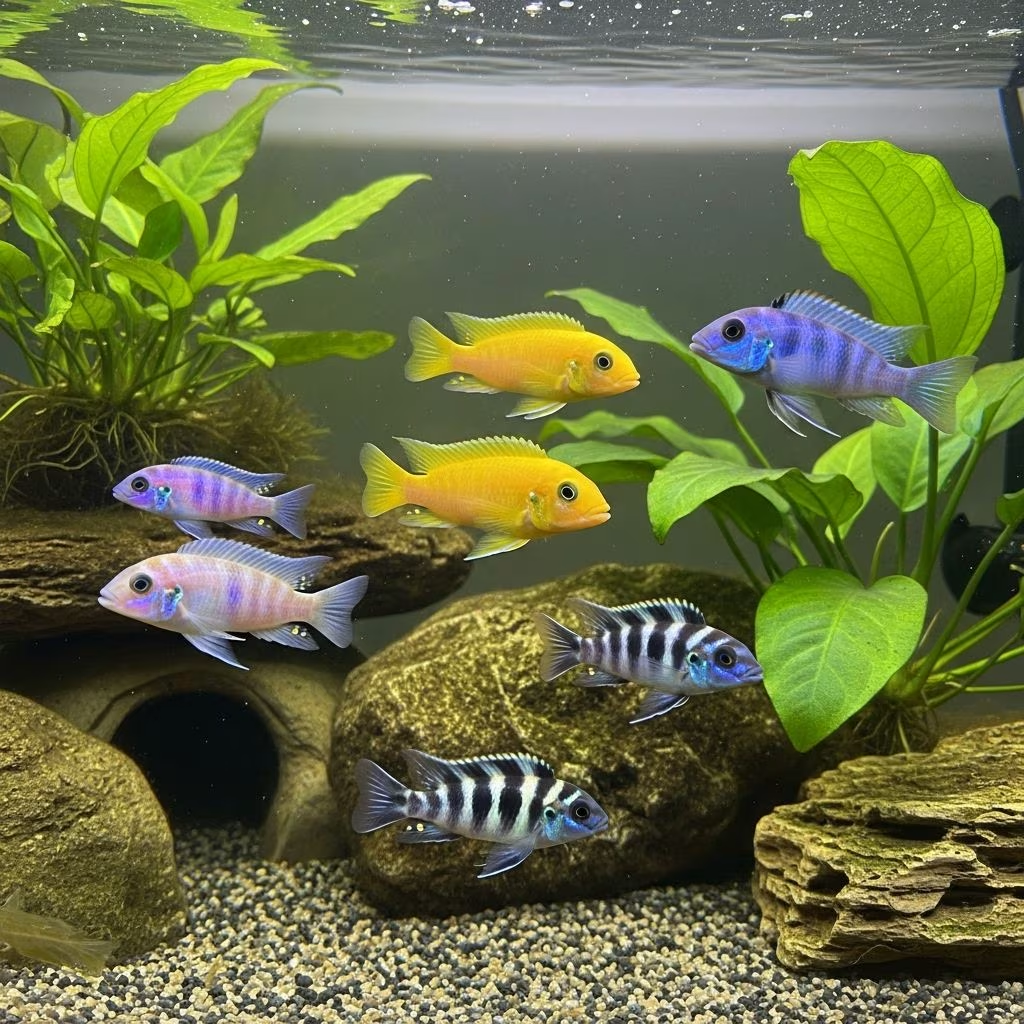
Five Easy-to-Care-For Cichlids for Beginners
Cichlids are among the most popular freshwater aquarium fish, known for their vibrant colors, engaging personalities, and fascinating behaviors. However, not all cichlid species are suitable for beginners due to their complex care requirements and aggressive tendencies. If you’re new to the hobby and want to keep cichlids, choosing the right species is crucial for success. This guide introduces five easy-to-care-for cichlid species that are forgiving, manageable, and rewarding for aquarists of all experience levels.
These beginner-friendly cichlids offer a perfect balance of beauty, hardiness, and relative ease of care. Whether you’re setting up your first aquarium or expanding your collection, understanding the care requirements of these species will help you create a thriving underwater environment.
Why Cichlids Are Great for Beginners
Cichlids have become increasingly popular among aquarists because they display complex social behaviors, interact with their owners, and come in stunning color variations. Many cichlid species are hardy and adaptable to various water conditions, making them more forgiving than delicate tropical fish. Additionally, cichlids are generally easy to feed and maintain, requiring straightforward care routines that don’t demand specialized equipment or expertise.
The key to successfully keeping cichlids as a beginner is selecting species known for their calm temperaments, smaller adult sizes, and tolerance of standard water parameters. By choosing the right species, you can enjoy the captivating world of cichlids without the frustration often associated with more aggressive or demanding varieties.
Understanding Cichlid Tank Requirements
Tank Size and Setup
Before introducing any cichlids to your aquarium, proper tank setup is essential. Most beginner-friendly cichlids require a minimum of 20 gallons, though larger tanks are always better as they provide more swimming space and help maintain stable water conditions. Your aquarium should be placed on a flat, stable surface capable of supporting the full weight of the tank, as water weighs approximately 8.3 pounds per gallon.
Start your setup by thoroughly rinsing substrate, decorations, and ornaments with tap water to remove dust and debris. Never use soap or detergents, as these are toxic to fish. After rinsing, add the substrate and décor to the tank, arranging them to create hiding spaces and territorial boundaries. This setup is particularly important for cichlids, which are territorial by nature and appreciate defined spaces.
Substrate and Décor
Cichlids love digging, so choose a sand or fine gravel substrate rather than large pebbles. Add rocks, caves, and driftwood to mimic their natural habitat. These decorations provide essential hiding spots, reduce stress, and help establish territorial boundaries. Using durable materials is important since cichlids tend to move and rearrange objects around the tank as they establish territories.
For décor, consider natural items such as river rock, lace rock, and slate. Live or artificial plants can also enhance the environment, though hardy varieties work best with active cichlids that may uproot softer plants.
Filtration and Water Flow
Cichlid fish are messy eaters, so high-quality filtration is essential to maintain water quality. Choose an aquarium filter that can handle a tank twice the size of your actual setup to ensure adequate cleaning and water turnover. Many cichlid species prefer some water movement, so consider using a filter that provides gentle water flow, such as a sponge filter. External filters are generally better than under-gravel filters, especially for cichlids that dig in the substrate.
Lighting
Cichlids prefer moderate to low lighting, as excessive illumination can cause stress and dampen their natural colors. Use adjustable LED lighting to control brightness levels and ensure proper plant growth if you’re including live vegetation. Set lights to run approximately 12 hours per day, using a timer for consistency, and always turn them off at night to establish a natural day-night cycle.
Water Parameters and Maintenance
Temperature Control
Most beginner cichlid species thrive in water temperatures ranging from 75°F to 82°F (24°C to 28°C). Install a reliable aquarium heater and thermometer to maintain consistent temperatures. Some species, like Discus fish, prefer warmer water around 82°F to 86°F, so research your specific species’ temperature preferences before purchase.
pH and Water Chemistry
Water chemistry varies depending on the cichlid species you choose. African Rift Lake cichlids prefer alkaline water with a pH of around 8.5, and crushed coral gravel can help maintain proper pH and alkalinity. Other cichlid species may have different pH requirements, ranging from neutral to slightly alkaline. Always research your specific species’ preferences and test your tap water before setting up the tank.
Ammonia, Nitrite, and Nitrate Levels
Keep ammonia and nitrite levels at zero, and maintain nitrate levels below 20 ppm. Cichlids are sensitive to water conditions, and high ammonia or nitrite levels can stress your fish and lead to health issues. High nitrate levels can also stress your fish, so frequent water changes are essential.
Perform partial water changes of at least 25% per week to maintain optimal water quality. Some aquarists prefer changing 10% weekly or 25% every two weeks. When refilling the tank, always treat tap water with a water conditioner or dechlorinator to remove harmful chlorine and chloramine. If your home has a water softener, use a tap that bypasses it, as softened water may not be ideal for your cichlids.
Cycling Your Aquarium
Before introducing cichlids, your aquarium must complete the nitrogen cycle. After setting up your tank with substrate, décor, and equipment, fill it with tap water treated with a dechlorinator. Let the system run for 24 hours to stabilize temperature and verify that all equipment functions properly. Always add a beneficial bacteria starter to support the cycling process.
Once conditions are stable, introduce only a few hardy fish to begin cycling your tank. Alternatively, consider a fish-less cycle using ammonia to establish beneficial bacteria. Test water daily during cycling, and complete partial water changes if ammonia or nitrite rises above 0 ppm, or if nitrate exceeds 20 ppm.
Feeding Your Cichlids
Natural Diet Composition
Cichlid diets vary based on their size and species type. Large cichlids typically consume small fish, insects, and crustaceans. Medium and dwarf cichlids eat insects, crustaceans, and plant matter. Understanding your specific species’ natural diet is crucial for providing proper nutrition and maintaining health.
Feeding Frequency and Portions
Feed your cichlids once or twice daily, providing only as much food as they can consume in two to three minutes. Overfeeding is a common mistake that leads to poor water quality and health problems. Monitor portion sizes carefully and adjust feeding amounts based on your fish’s body condition and appetite.
Food Variety
Provide a varied diet to ensure complete nutrition and keep your cichlids mentally stimulated. Incorporate live or frozen foods like bloodworms, brine shrimp, and daphnia to provide protein and mimic their natural diet. For herbivorous and omnivorous cichlids, include blanched spinach, zucchini, or peas to meet their fiber needs. High-quality cichlid pellets formulated for your specific species should form the foundation of their diet.
Behavior and Compatibility
Understanding Cichlid Aggression
Cichlids are known for their territorial and sometimes aggressive behavior. When keeping fish as pets, there are no guarantees that they will get along. Monitor your fish constantly for signs of aggression, and be prepared to relocate the aggressor if necessary.
In general, Central and South American cichlids tend to be more peaceful than African cichlids, though individual temperament varies. Dwarf cichlids are typically less aggressive than their larger cousins, making them ideal for community tanks. Choosing the right species combination is essential for a harmonious aquarium.
Creating Territories
To reduce aggression and stress, arrange your tank décor to create multiple territories and hiding places. Rearranging tank decorations occasionally keeps cichlids engaged and helps prevent established hierarchies from becoming too rigid. Adding caves, hiding spots, and visual barriers gives shy or smaller fish refuge from more aggressive species.
Tank Mates
Consider the temperament and size of potential tank mates before introducing new fish. Beginner-friendly cichlids can often coexist with peaceful community fish, but research compatibility carefully. Avoid pairing aggressive cichlids with small fish that might be viewed as prey, and never house incompatible species together without proper research.
The Five Best Easy-to-Care-For Cichlids
1. German Blue Rams (Mikrogeophagus ramirezi)
German Blue Rams are small, colorful dwarf cichlids perfect for beginners. These peaceful fish rarely exceed two inches in length and display stunning blue and orange coloration. They thrive in 20-gallon tanks with soft water conditions and temperatures between 75°F and 80°F. German Blue Rams are relatively non-aggressive compared to other cichlids and can coexist with peaceful community fish.
These rams are quite intolerant of ammonia and other toxins, so partial water changes at least once weekly are essential. They prefer soft water or low GH conditions, and if you have hard tap water, consider diluting it with reverse osmosis de-ionized water or adding Indian almond leaves and driftwood to soften the water. German Blue Rams are fairly adaptable to a wide range of pH levels, making them forgiving for beginners.
2. Apistogramma Species
Apistogrammas are another group of dwarf cichlids that excel in community tanks. These small, colorful fish display fascinating breeding behaviors and care for their young, providing educational opportunities for aquarists. Apistogrammas require similarly sized tanks to German Blue Rams and appreciate plenty of hiding places and vegetation. Their peaceful nature and manageable size make them excellent beginner cichlids.
3. Firemouth Cichlids (Thorichthys meeki)
Firemouth Cichlids are medium-sized cichlids native to Central America known for their vibrant red coloration on their gill covers and undersides. These relatively peaceful cichlids require larger tanks (30 gallons minimum) but are hardy and adaptable to various water conditions. Their striking appearance and manageable temperament make them popular with intermediate beginners.
4. Convict Cichlids (Amatitlania citrinellum)
Convict Cichlids are hardy, compact cichlids easily recognized by their distinctive black and white vertical stripes. Despite their small size (4-5 inches), they’re quite hardy and can tolerate less-than-perfect water conditions, making them excellent for beginners still learning proper maintenance routines. They require 20-gallon tanks and are generally peaceful unless breeding.
5. Angelfish (Pterophyllum species)
Angelfish are elegant, disc-shaped cichlids that bring sophistication to any aquarium. These peaceful cichlids are attentive parents, guarding their eggs and fry with dedication. Angelfish thrive in taller tanks with soft water and appreciate live plants. They can coexist with compatible community fish and are excellent for beginners interested in observing natural parental behaviors.
Tank Setup Example for Beginners
A typical 30-gallon beginner cichlid setup should include:
Essential Equipment:
– Appropriately sized aquarium filter (capable of handling 60 gallons worth of filtration)
– Reliable aquarium heater with thermometer
– Water testing kit or strips
– Water conditioner and dechlorinator
– Beneficial bacteria starter
– Natural aquarium sand or fine gravel substrate
– Tank décor including rocks, caves, and driftwood
– Adjustable LED lighting with timer
– Algae cleaning pad or scraper
– Species-appropriate fish food
Common Beginner Mistakes to Avoid
Understanding what not to do is as important as knowing proper care techniques. Never use soaps or detergents to clean your aquarium or decorations, as these are toxic to fish. Always add a dechlorinator or water conditioner and bacteria starter to tap water before introducing it to the aquarium.
Avoid overstocking your tank, as overcrowding leads to poor water quality and increased aggression. Don’t skip water testing during the cycling phase or ongoing maintenance. Never introduce all your fish at once; instead, cycle with a few hardy species first. Finally, research your specific species’ requirements before purchase to ensure you can meet their needs.
Frequently Asked Questions (FAQs)
Q: What is the minimum tank size for beginner cichlids?
A: Most beginner-friendly cichlids require a minimum of 20 gallons, though larger tanks are always better for maintaining stable water conditions and reducing aggression.
Q: Can beginner cichlids live together in the same tank?
A: Some beginner cichlid species can coexist peacefully, especially dwarf varieties like German Blue Rams and Apistogrammas. However, always research compatibility before combining species, and provide adequate tank space and hiding places.
Q: How often should I perform water changes for cichlids?
A: Perform partial water changes of at least 25% weekly, or 10% weekly with 25% changes every two weeks. The frequency depends on your tank’s bioload and filtration quality.
Q: What temperature do cichlids prefer?
A: Most beginner cichlid species thrive between 75°F and 82°F (24°C to 28°C). Some species, like Discus fish, prefer warmer water around 82°F to 86°F.
Q: Can I keep cichlids with other types of fish?
A: Many beginner cichlids can coexist with peaceful community fish. However, avoid pairing aggressive cichlids with small fish, and always research compatibility before introducing new species.
Q: How do I know if my cichlid is stressed?
A: Signs of stress include faded coloration, hiding constantly, loss of appetite, and gasping at the water surface. Ensure proper water quality, adequate tank space, and compatible tank mates to reduce stress.
References
- Cichlid Care Guide — PetSmart. Accessed 2025. https://www.petsmart.com/learning-center/fish-care/Cichlid-Care-Guide
- Ultimate Care Guide for Cichlid Fish — Splashy Fish Store. Accessed 2025. https://splashyfishstore.com/blogs/fish-keeping-101/ultimate-care-guide-for-cichlid-fish
- African Rift Lake Cichlids Care Guide — Aqueon. Accessed 2025. https://www.aqueon.com/resources/care-guides/cichlids-african-rift-lake
- Basic Care Requirements of African Cichlids — Live Fish Direct. Accessed 2025. https://www.livefishdirect.com/basic-care-requirements-of-african-cichlids/
- Care Guide for German Blue Rams – Housing, Breeding, and More — Aquarium Coop. Accessed 2025. https://www.aquariumcoop.com/blogs/aquarium/ram-cichlid-care-guide



