

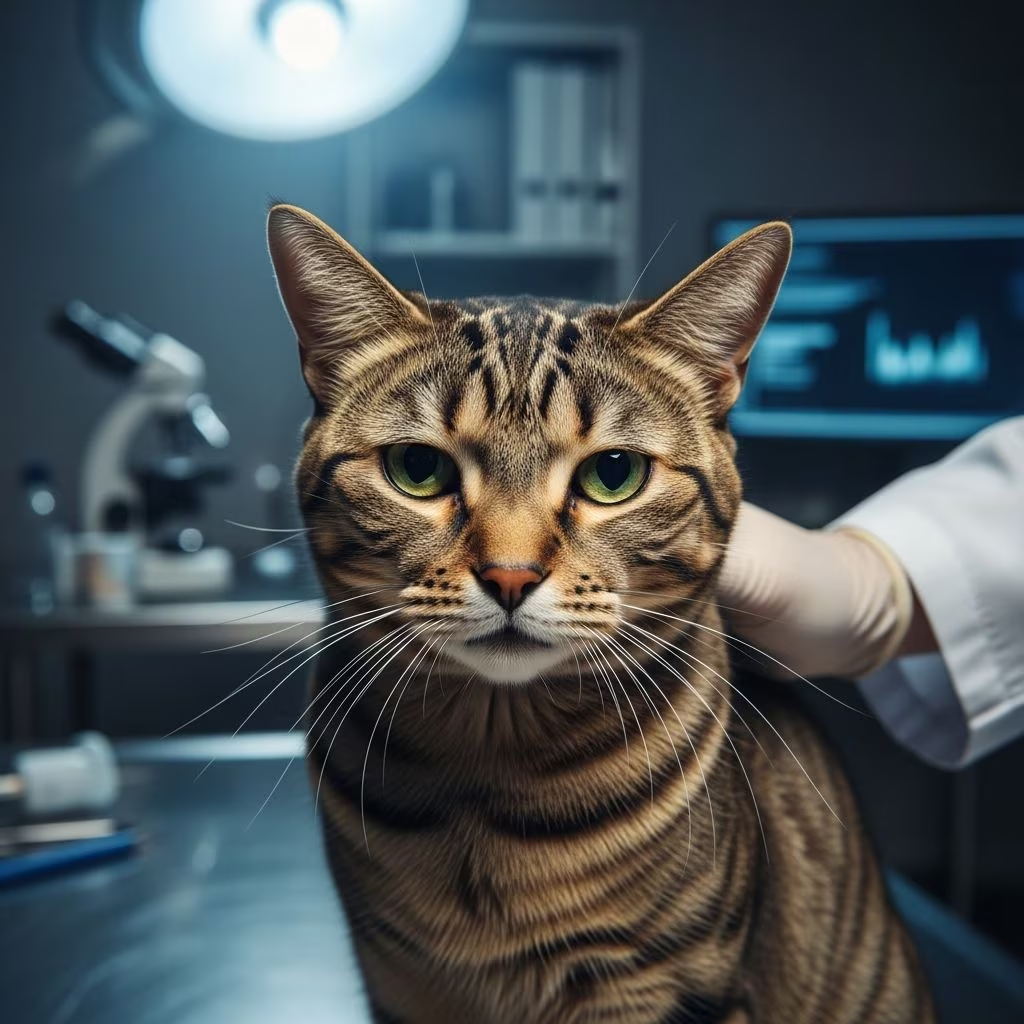
Feline Immunodeficiency Virus (FIV) is a retrovirus that affects cats’ immune systems, similar to HIV in humans, leading to increased susceptibility to secondary infections over time. While not curable, with proper management, many FIV-positive cats live long, healthy lives indoors.
What is FIV?
**FIV**, or Feline Immunodeficiency Virus, is a lentivirus in the Retroviridae family, closely related to human HIV, sharing structural and pathogenic similarities. It primarily targets the immune system, specifically CD4+ T lymphocytes, macrophages, and dendritic cells, gradually weakening the cat’s defenses against infections.
Unlike FeLV, FIV does not cause cancer directly but progresses through stages: acute, asymptomatic, and chronic. The virus integrates into the host’s DNA as proviral DNA, persisting lifelong. Globally, prevalence varies from 2.5-4% in healthy cats to over 10-15% in sick or high-risk populations.
How do cats get FIV?
The primary transmission route is through deep bite wounds from infected cats during fights, inoculating virus-laden saliva into the bloodstream. Males, outdoor cats, and intact adults are at highest risk due to territorial aggression.
Rare transmission occurs via vertical (mother-to-kitten) routes during birth or nursing, or horizontally through prolonged grooming or shared litter boxes, though evidence is limited. No conclusive evidence supports spread via casual contact like sharing food bowls.
- **High-risk groups:** Unneutered outdoor male cats.
- **Low-risk:** Indoor cats, neutered cats, females.
Symptoms of FIV
FIV infection unfolds in three phases. The **acute phase** (weeks 4-12 post-infection) features mild fever, anorexia, lymphadenopathy, and transient plasma viremia. Symptoms often resolve spontaneously.
The **asymptomatic phase**, lasting years or lifelong, shows no overt signs but subtle immune changes like low CD4 counts or blood abnormalities.
In the **chronic phase**, immunodeficiency leads to secondary issues: recurrent infections (gingivostomatitis, rhinitis, skin abscesses), weight loss, anemia, glomerulonephritis, neuropathy, and neoplasia. Dental disease and lymphadenopathy are common.
| Phase | Duration | Common Symptoms |
|---|---|---|
| Acute | 4-12 weeks | Fever, lethargy, lymph node swelling |
| Asymptomatic | Years | None or mild blood changes |
| Chronic | Variable | Recurrent infections, weight loss, oral disease |
Diagnosis of FIV
Diagnosis relies on detecting anti-FIV antibodies via point-of-care (POC) tests like ELISA or immunochromatography, targeting proteins like p24 and gp41. A negative POC test is reliable; positives require confirmation with Western blot (gold standard) or PCR.
Kittens under 6 months may show maternal antibodies, necessitating retesting at 6 months or PCR. PCR detects proviral DNA but can miss early/low-load infections. Retest exposed cats after 2-8 weeks.
Vets recommend testing all new cats, sick cats, and annually for at-risk cats.
- **POC/ELISA:** Screening, quick results.
- **Western Blot:** Confirms positives.
- **PCR:** Detects virus DNA, useful for kittens.
Treatment for FIV
No cure exists for FIV, but supportive care manages symptoms effectively. Key strategies include:
- Prompt treatment of secondary infections with antibiotics/antifungals.
- Anti-virals like zidovudine (AZT) or plerixafor in severe cases.
- Immunomodulators (interferon, acemannan) to boost immunity.
- High-quality, cooked diet; avoid raw foods due to bacterial risk.
- Parasite control and dental care.
Regular vet visits (every 6 months) monitor weight, bloodwork, and urinalysis.
Living with an FIV-positive cat
FIV+ cats can thrive with management: keep indoors to prevent spread and exposure. Neutering reduces fighting and roaming.
Provide stress-free environments, balanced nutrition, and twice-yearly exams. They can live with FIV-negative cats if no aggression occurs, but monitor closely. Avoid breeding.
Prognosis is good for asymptomatic cats; many match uninfected lifespans with care. Euthanasia is reserved for advanced, poor-quality-of-life cases.
Prevention of FIV
Prevent via neutering, indoor living, and avoiding fights. Test before multi-cat introductions; segregate if needed.
FIV vaccines exist in some regions but offer partial protection and complicate testing due to antibodies. Core vaccines (inactivated preferred) are recommended. Limit outdoor access.
Frequently Asked Questions (FAQs)
Can FIV be transmitted from cat to human?
No, FIV is species-specific to cats and not zoonotic.
Should I euthanize my FIV-positive cat?
No, not based on diagnosis alone. Many live normal lifespans with management.
Can FIV-positive cats live with FIV-negative cats?
Yes, if low aggression risk and supervised; otherwise, separate.
Is there a vaccine for FIV?
Yes, but limited availability and use; discuss with vet.
How often should FIV+ cats see a vet?
At least every 6 months for exams and tests.
Can FIV cats eat raw food?
No, risk of bacterial infections; feed cooked, high-quality diet.
References
- GUIDELINE for Feline immunodeficiency virus — ABCD cats & vets. 2023. https://www.abcdcatsvets.org/guideline-for-feline-immunodeficiency-virus/
- Feline Immunodeficiency Virus (FIV) – Cat Owners — Merck Veterinary Manual. 2024-10-15. https://www.merckvetmanual.com/cat-owners/disorders-affecting-multiple-body-systems-of-cats/feline-immunodeficiency-virus-fiv
- The Complete Guide to Feline Immunodeficiency Virus (FIV) — Munchiecat. 2023. https://www.munchiecat.com/blogs/cat-behavior/fiv-positive-cats
- Feline Immunodeficiency Virus (FIV) — VCA Animal Hospitals. 2024. https://vcahospitals.com/know-your-pet/feline-immunodeficiency-virus-infection
- Feline Immunodeficiency Virus (FIV) — Cornell University College of Veterinary Medicine. 2024. https://www.vet.cornell.edu/departments-centers-and-institutes/cornell-feline-health-center/health-information/feline-health-topics/feline-immunodeficiency-virus-fiv
- Feline Immunodeficiency: ABCD Guidelines on Prevention and Management — PMC (NCBI). 2020-03-24. https://pmc.ncbi.nlm.nih.gov/articles/PMC7129779/



