

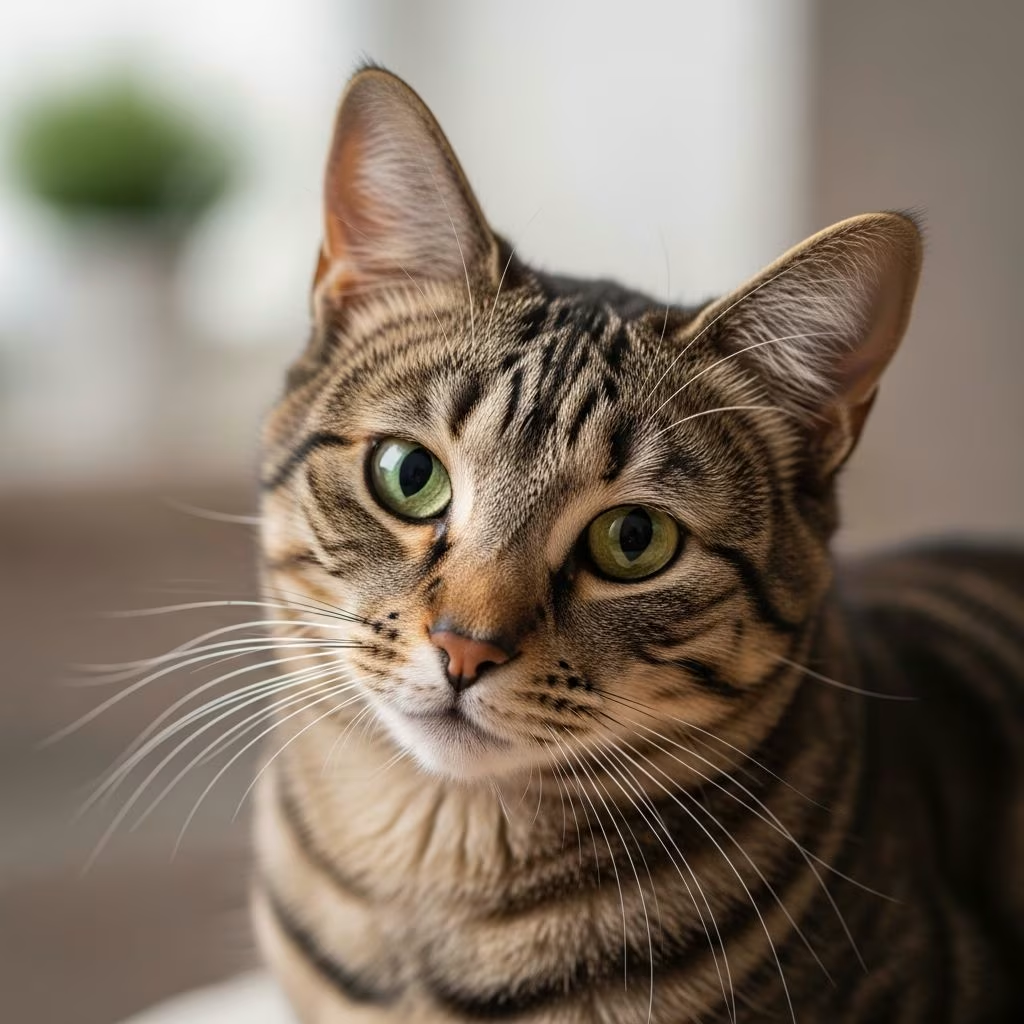
Feline Immunodeficiency Virus (FIV) is a lentivirus that progressively impairs a cat’s immune system, akin to HIV in humans, leading to heightened vulnerability to secondary infections over time. While incurable, many FIV-positive cats enjoy extended, fulfilling lives through vigilant management and preventive measures.
Understanding the Nature of FIV
FIV primarily targets the feline immune system, infecting key cells like CD4+ T lymphocytes, macrophages, and dendritic cells shortly after exposure. The virus integrates into the host’s DNA as proviral DNA, establishing persistent infection. Transmission overwhelmingly occurs via deep bite wounds from infected cats during territorial fights, with saliva carrying high viral loads. Less common routes include blood transfusions or vertical transmission from queen to kittens, though sexual contact plays a minor role.
Adult male intact cats engaging in outdoor fights represent the highest-risk group, underscoring the protective value of neutering and indoor living. Globally, prevalence varies: up to 15% in stray populations but lower (2-4%) in owned cats, per veterinary surveillance data.
Progression Through Infection Stages
FIV infection unfolds in distinct phases, each with characteristic immune and clinical features.
- Acute Phase (Weeks 2-12 Post-Infection): Viral replication peaks in plasma and blood cells, often triggering transient fever, lethargy, anorexia, and generalized lymphadenopathy as lymph nodes swell from active germinal centers. These signs typically resolve spontaneously.
- Asymptomatic Phase (Years Long): Immune control suppresses viremia, allowing many cats to remain clinically normal for 5-10 years or longer. Subtle blood changes, like elevated proteins or mild lymphopenia, may appear without overt illness.
- Chronic Phase: Progressive immunodeficiency manifests as recurrent infections, weight loss, oral inflammation (gingivostomatitis), rhinitis, glomerulonephritis, and neoplasia. Survival post-diagnosis averages 5 years but varies widely based on care.
Not all cats progress to severe disease; some maintain stability lifelong, highlighting the role of host factors and husbandry.
Recognizing Clinical Signs
Direct viral effects are rare; most symptoms stem from opportunistic pathogens exploiting immune gaps. Common presentations include:
| System Affected | Typical Signs |
|---|---|
| Oral Cavity | Chronic gingivostomatitis, ulcers, drooling, halitosis |
| Respiratory | Persistent rhinitis, sinusitis, upper airway infections |
| General | Weight loss, lymphadenopathy, fever, anemia |
| Renal/Skin | Glomerulonephritis, dermatitis, poor wound healing |
| Neurologic (Rare) | Seizures, behavior changes in advanced cases |
Early detection hinges on owners noting subtle shifts like appetite decline or coat quality deterioration, prompting veterinary evaluation.
Accurate Diagnosis Methods
Diagnosis combines serology, virology, and clinical context, as no single test is infallible.
- Point-of-Care (POC) Tests: ELISA or immunochromatography detect antibodies to p24 capsid and gp41 envelope proteins. Highly sensitive for adults; negative results are reliable, but recent infections (<8 weeks) may yield false negatives. Retest suspects after 2 months.
- Confirmatory Tests: Western blot (gold standard) distinguishes true positives from maternal antibodies in kittens. PCR detects proviral DNA/RNA but misses low-viremia asymptomatic cats and risks false positives.
- Kitten Challenges: Under 6 months, positives often reflect passive maternal antibodies, not infection. PCR or repeat serology at 6 months clarifies status; avoid euthanasia based on initial tests.
All ill cats merit FIV screening alongside FeLV, with baselines for new/adopted cats.
Prevention Strategies for Cat Owners
Proactive steps drastically cut transmission risk.
- Keep cats indoors to eliminate fight exposure.
- Neutering curbs roaming and aggression in males.
- Screen new cats before multi-cat household integration; segregate FIV+ from negatives if aggression risks persist.
- Avoid raw diets/meat to prevent bacterial overload on compromised immunity.
Vaccination (where available, e.g., Fel-O-Vax) protects negatives but complicates serology (vaccine-induced antibodies mimic infection). Test pre-vaccination; positives gain limited/no benefit.
Daily Management for FIV-Positive Cats
Focus shifts to supportive care maximizing longevity and comfort.
- Wellness Monitoring: Biannual vet exams with CBC, chemistry, urinalysis, weight tracking. Oral exams are critical for early gingivostomatitis intervention.
- Nutrition: High-quality, cooked diets rich in antioxidants; avoid raw foods harboring Salmonella.
- Infection Control: Prompt, aggressive antibiotics for secondaries; parasite prophylactics year-round.
- Environment: Stress minimization via enrichment, stable routines, and FIV+ compatible companions only.
Neutering is advised for intact positives to reduce roaming/transmission.
Treatment Approaches and Supportive Therapies
No curative antivirals exist, but symptom palliation and immune support extend life.
- Antivirals: Zidovudine (AZT) or Plerixafor for severe cytopenias, under specialist guidance.
- Immunomodulators: Interferon-alpha, Acemannan for gingivostomatitis.
- Symptom-Specific: Dental extractions for refractory oral disease; fluids for dehydration.
Vaccines: Inactivated preferred over modified-live in immunosuppressed cats. Euthanasia consideration arises only for advanced cases with untreatable suffering.
Living Long with FIV: Prognosis Insights
With optimal care, many FIV+ cats outlive negatives, per cohort studies. Indoor lifestyle, nutrition, and monitoring are pivotal. Owners report good quality of life, with weight stability as a key prognosticator. Multi-cat homes thrive if introductions are gradual and statuses matched.
Frequently Asked Questions (FAQs)
Can FIV spread through casual contact like sharing bowls?
No, FIV requires deep bites; grooming or litter sharing poses negligible risk.
Should I adopt an FIV-positive cat?
Yes, with commitment to indoor care and vet diligence; they make loving companions.
Is there a vaccine for FIV everywhere?
Availability varies; it induces antibodies detectable on tests, so disclose status.
How long do FIV cats live?
Median 5 years post-diagnosis, but many exceed 10 with management.
Can FIV cats live with FeLV-negative cats?
Possible if no aggression; test and monitor closely.
References
- GUIDELINE for Feline immunodeficiency virus — ABCD cats & vets. 2023. https://www.abcdcatsvets.org/guideline-for-feline-immunodeficiency-virus/
- Feline Immunodeficiency Virus (FIV) — VCA Animal Hospitals. 2024. https://vcahospitals.com/know-your-pet/feline-immunodeficiency-virus-infection
- The Complete Guide to Feline Immunodeficiency Virus (FIV) — Cornell University College of Veterinary Medicine. 2023. https://www.vet.cornell.edu/departments-centers-and-institutes/cornell-feline-health-center/health-information/feline-health-topics/feline-immunodeficiency-virus-fiv
- Feline Immunodeficiency Virus (FIV) — VCA Animal Hospitals. Accessed 2026. https://vcahospitals.com/know-your-pet/feline-immunodeficiency-virus-infection
- Feline Immunodeficiency Virus — Cornell Feline Health Center. 2024. https://www.vet.cornell.edu/departments-centers-and-institutes/cornell-feline-health-center/health-information/feline-health-topics/feline-immunodeficiency-virus-fiv



