
FIV In Cats: Causes, Care, And What Owners Need To Know
Understand feline immunodeficiency virus, its impact on cats, diagnosis methods, and lifelong management strategies for healthy living.
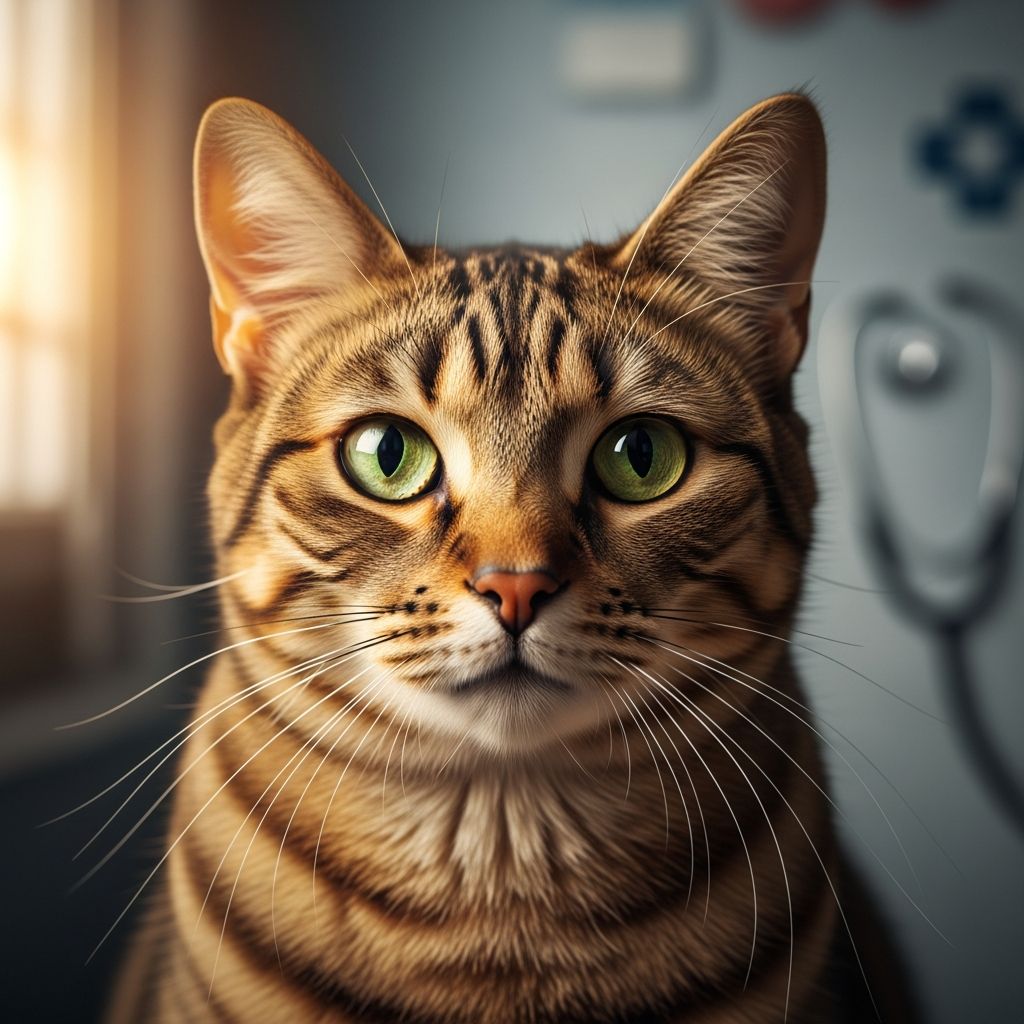
Feline Immunodeficiency Virus (FIV) weakens a cat’s immune system over time, increasing vulnerability to infections, much like HIV in humans but species-specific to cats.
What Exactly is Feline Immunodeficiency Virus?
FIV belongs to the lentivirus family, a type of retrovirus that integrates into host cells, particularly affecting CD4+ T-cells crucial for immune coordination. First identified in 1986 at UC Davis, it infects 2.5-4.4% of cats globally, with higher rates in free-roaming males due to territorial fights.
The virus progresses in stages: acute early infection with mild flu-like symptoms, a long asymptomatic period lasting years, and eventual AIDS-like phase with severe opportunistic diseases. Unlike FeLV, FIV does not typically spread casually among household cats.
How Does FIV Spread Among Cats?
The main transmission route is deep bite wounds during aggressive encounters, where virus-laden saliva enters the bloodstream. Outdoor, unneutered male cats face the highest risk from fights.
- Vertical transmission from mother to kittens is rare, unlike FeLV.
- Sexual contact or blood transfusions pose minimal risk.
- Sharing food bowls, litter boxes, or grooming does not efficiently transmit FIV.
FIV survives poorly outside the body, inactivated by common disinfectants.
Recognizing Signs of FIV Infection
Many FIV cats remain healthy for years post-infection, showing no obvious symptoms. When clinical signs emerge, they stem from secondary issues due to immunodeficiency:
- Chronic gum inflammation (gingivostomatitis) and dental disease.
- Recurrent respiratory infections, rhinitis, or skin conditions.
- Weight loss, fever, enlarged lymph nodes, or anemia.
- Neurological issues like seizures or behavior changes in advanced stages.
- Increased cancer risk or immune-mediated kidney disease.
Sick adult males are most prone, with symptoms often misattributed until testing confirms FIV.
Accurate Diagnosis of FIV
Blood tests detect antibodies via ELISA or immunochromatography, screening effectively in clinics. Confirmation uses Western blot or PCR for ambiguous cases.
| Test Type | Purpose | Timing Considerations | Accuracy Notes |
|---|---|---|---|
| ELISA | Initial screening | Positive after 8 weeks infection | May false positive from vaccine |
| Western Blot | Confirmation | For kittens or equivocal results | Gold standard for antibodies |
| PCR | Viral detection | Useful in early/asymptomatic | May miss low-load cases |
Kittens under 6 months may show maternal antibodies; retest at 6 months. Vaccinated cats test positive, complicating history review.
Managing Life with FIV: No Cure, But Quality Care
There is no cure or specific antiviral for FIV; management focuses on supportive care to extend life. Many FIV cats live normal lifespans indoors with vigilant health monitoring.
- Keep indoors to avoid fights and secondary infections.
- Regular vet check-ups, dental cleanings, and prompt treatment of illnesses.
- Balanced nutrition, parasite control, and core vaccinations (inactivated types).
- Monitor weight, appetite, and lymph nodes quarterly.
Avoid live vaccines in advanced cases; prioritize FeLV testing as co-infection worsens prognosis.
Prevention Strategies for Cat Owners
Prevent FIV through lifestyle changes and limited vaccination:
- Neutering reduces fighting in males.
- Indoor living eliminates bite wound risks.
- FIV vaccine exists but causes positive tests; weigh pros/cons.
- Test new cats before multi-cat homes.
Stable households with non-aggressive cats pose low transmission risk.
Common Myths About FIV Debunked
FIV means immediate death: False—many cats thrive long-term with care.
Humans/dogs at risk: No, species-specific virus.
All close contact spreads it: Only deep bites transmit reliably.
FAQs on Feline Immunodeficiency Virus
Can my FIV+ cat live with FIV- cats?
Yes, if no aggression; monitor and separate fighters.
Is there an FIV vaccine?
Yes, but it causes positive tests; not universally recommended.
How long do FIV cats live?
Often normal lifespan indoors, shorter if co-infected or outdoor.
Should I euthanize an FIV+ cat?
No—quality care allows happy lives; discuss with vet.
Does FIV cause cancer?
Increases risk, especially lymphoma; regular screening advised.
Advances in FIV Research
FIV models HIV research, aiding human medicine. Recent studies confirm vaccinated responses during acute phase, but caution in chronic cases. Ongoing work explores antivirals, though none approved yet.
Owners play key roles: early detection and proactive care mitigate impacts.
References
- Feline immunodeficiency virus — Wikipedia. 2023. https://en.wikipedia.org/wiki/Feline_immunodeficiency_virus
- Feline Immunodeficiency Virus (FIV) — Nashville.gov. 2025-09-23. https://www.nashville.gov/sites/default/files/2025-09/23-FelineImmunodeficiencyVirus-FIV.pdf?ct=1758310268
- GUIDELINE for Feline immunodeficiency virus — ABCD cats & vets. N/A. https://www.abcdcatsvets.org/guideline-for-feline-immunodeficiency-virus/
- Feline Immunodeficiency Virus (FIV) — VCA Animal Hospitals. N/A. https://vcahospitals.com/know-your-pet/feline-immunodeficiency-virus-infection
- FIV in Cats — PetMD. N/A. https://www.petmd.com/cat/conditions/infectious-parasitic/fiv-cats
- Feline Immunodeficiency Virus (FIV) — Cornell University College of Veterinary Medicine. N/A. https://www.vet.cornell.edu/departments-centers-and-institutes/cornell-feline-health-center/health-information/feline-health-topics/feline-immunodeficiency-virus-fiv
- Feline Immunodeficiency Virus Infection — PMC – NIH. 2020. https://pmc.ncbi.nlm.nih.gov/articles/PMC7152317/
Similar Articles








Read full bio of medha deb




