Fishy Dog Odor: Causes, Solutions, And Expert Tips
Discover why your dog has that fishy smell and get expert tips to eliminate it for good, ensuring a fresh and happy pet.
Fishy Dog Odor: Causes and Solutions
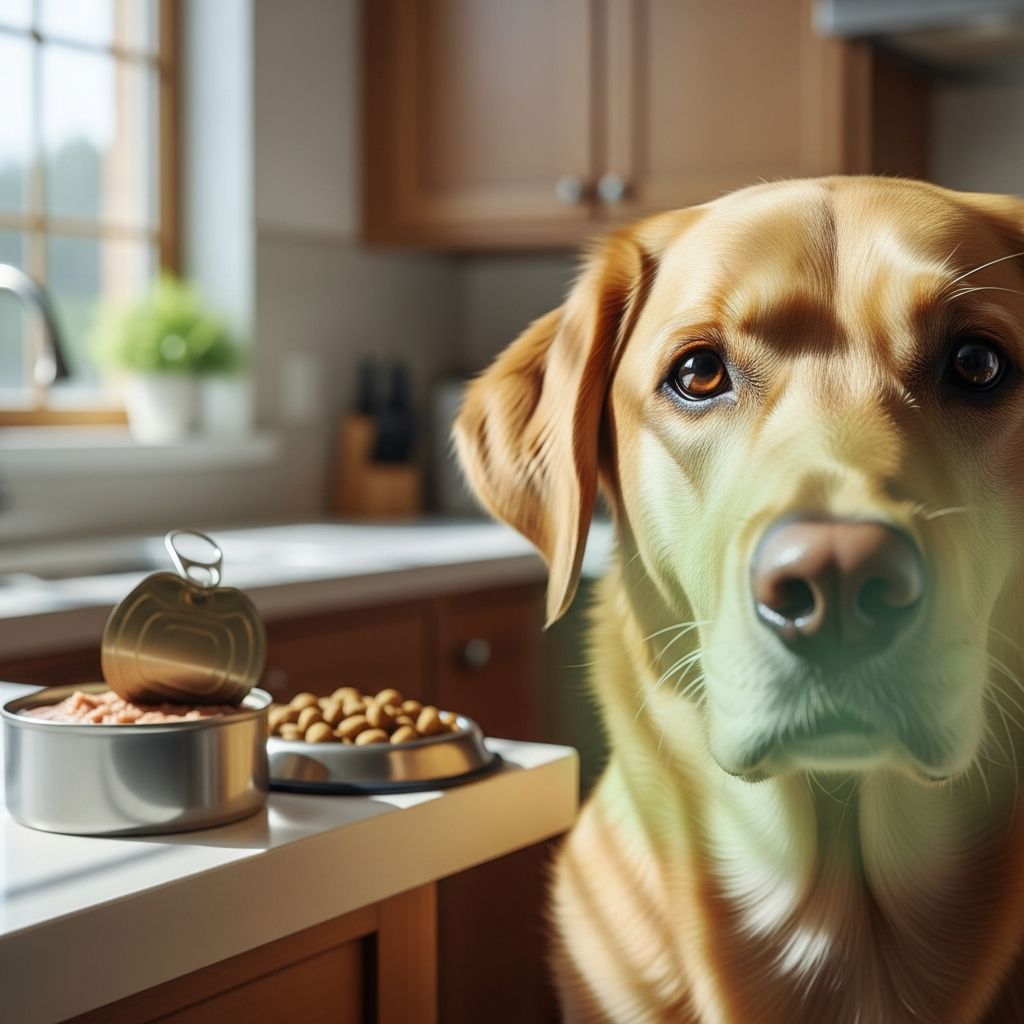
Your dog’s sudden fishy smell can be alarming and unpleasant, often pointing to issues that need prompt attention. This odor typically stems from anal gland problems, infections, or dietary factors, and addressing it early prevents discomfort for your pet and your home.
Recognizing the Fishy Smell Phenomenon
A distinct fishy aroma emanating from your dog usually signals something amiss with their natural scent glands or skin health. Unlike general wet-dog smells, this pungent scent is sharp and persistent, often noticeable around the rear end, ears, or paws. Pet owners frequently report it worsening after activities like scooting on carpets or excessive licking, which spreads the odor further.
Observing when and where the smell is strongest helps narrow down causes. For instance, a rear-focused fishy whiff often ties to anal sacs, while a musty version from the ears or skin folds suggests yeast overgrowth. Tracking these patterns alongside behaviors like itching or dragging the bottom provides crucial clues for diagnosis.
Primary Culprit: Anal Gland Dysfunction
Dogs possess two small anal sacs located near the anus, designed to release fluid during defecation for territorial marking. When these glands fail to empty properly, fluid builds up, leading to impaction or infection and that classic fishy stench.
Symptoms include scooting across floors, frequent rear licking, tail chasing, or discomfort while sitting. Small breeds like Chihuahuas or Dachshunds are prone due to narrower ducts, but any dog can suffer, especially if overweight or with soft stools that don’t express the glands naturally.
- Scooting or dragging rear: Attempts to relieve pressure.
- Excessive licking: Irritation from leakage.
- Swelling or redness: Signs of infection around the anus.
- Bloody discharge: Indicates severe impaction needing urgent care.
Veterinarians manually express these glands during checkups. For recurrent cases, treatments range from antibiotics for infections to dietary fiber additions for firmer stools, or surgical options in chronic scenarios.
Skin and Ear Infections Mimicking Fish Odor
Bacterial or yeast infections on the skin or in ears produce a similar fishy or musty smell due to overgrowth in moist areas. Yeast thrives in warm, damp spots like paw pads, armpits, or ear canals, especially in dogs with allergies or weakened immunity.
Allergies compromise the skin barrier, allowing microbes to proliferate. Environmental triggers like pollen or food sensitivities to proteins exacerbate this, resulting in greasy fur and odor.
| Condition | Common Locations | Odor Description | Treatment Basics |
|---|---|---|---|
| Yeast Infection | Ears, paws, folds | Musty, fish-like | Antifungal shampoos, ear cleaners |
| Bacterial Infection | Hot spots, belly | Fishy, pungent | Antibacterial washes, antibiotics |
| Seborrhea | Full body | Oily, rancid | Medicated baths, supplements |
Diagnosis involves skin scrapings or cytology from vets to identify pathogens. Over-the-counter wipes offer temporary relief, but professional care targets root causes.
Dietary Influences on Pet Aroma
What your dog eats directly impacts their scent profile. Low-quality foods with fillers, grains, or allergens disrupt digestion, fostering gas, loose stools, and skin issues that amplify odors.
High-carb diets promote yeast growth internally and externally, while protein intolerances like beef or chicken trigger allergies manifesting as smelly skin. Switching to novel protein sources or hydrolyzed diets under vet guidance often resolves these.
- Fiber boost: Pumpkin or vet-recommended supplements firm stools, aiding gland expression.
- Hypoallergenic formulas: Limit common irritants for allergy-prone dogs.
- Probiotics: Balance gut flora to reduce internal odors.
Elimination trials, lasting 8-12 weeks, pinpoint sensitivities. Fresh, whole-food diets may also help, but consult a professional to avoid nutritional gaps.
Other Contributors to Fishy Scents
Beyond glands and infections, dental disease releases foul breath that permeates the coat, while urinary issues or diabetes alter body odor to fishy notes. External factors like rolling in dead fish or skunk encounters mimic the smell temporarily.
Neglected grooming allows debris buildup, turning mild scents potent. Breeds with dense coats or skin folds, such as Bulldogs or Shar-Peis, require vigilant cleaning to prevent trapped moisture.
Step-by-Step Odor Elimination Strategies
Start with hygiene: Weekly baths using medicated shampoos containing chlorhexidine, miconazole, or phytosphingosine combat infections effectively.
- Daily wipes: Hypoallergenic wipes on paws, belly, and rear remove grime.
- Grooming routine: Brush to distribute oils and check skin.
- Bathing protocol: Lather for 10 minutes, rinse thoroughly; limit to every 2-4 weeks to preserve coat health.
- Dental care: Brushes or additives reduce mouth odors.
For persistent smells, vet diagnostics like bloodwork or allergy tests guide tailored plans. Patience is key, as multi-factor issues may take months to resolve.
Preventive Measures for Lasting Freshness
Proactive care minimizes recurrence. Maintain ideal weight to ease gland function, ensure high-fiber diets, and schedule bi-annual vet exams for expression and checks.
- Regular exercise promotes natural gland emptying.
- Allergy management via testing and hypoallergenic environments.
- Seasonal grooming combats pollen buildup.
Monitor for early signs like mild itching or odor changes to intervene swiftly, preserving your dog’s comfort and your home’s air quality.
Frequently Asked Questions
Is a fishy smell from my dog’s rear always anal glands?
Most often yes, but yeast infections or poor hygiene can contribute. Vet exam confirms.
Can I express my dog’s anal glands at home?
Not recommended; improper technique risks injury. Leave to professionals.
How do allergies lead to fishy odors?
They weaken skin, inviting infections with characteristic smells.
Will diet change fix the smell overnight?
No, improvements take weeks; combine with hygiene for best results.
When is fishy odor an emergency?
If with lethargy, swelling, or discharge, seek immediate vet care.
References
- Why Does My Dog Smell So Bad? Causes and Fixes — Pogi’s. 2023. https://pogis.com/blogs/news/smelly-dog
- Smelly Dog: Why Does My Dog Stink? — Best Friends Animal Society. 2023. https://bestfriends.org/pet-care-resources/smelly-dog-why-does-my-dog-stink
- Why Does My Dog Smell So Bad? — American Kennel Club. 2023. https://www.akc.org/expert-advice/health/why-does-my-dog-smell/
- Why Your Dog Smells So Bad and What to Do About It — AKC Pet Insurance. 2023. https://www.akcpetinsurance.com/blog/5-reason-why-your-dog-smells-so-bad-and-what-to-do-about-it
- Why Does My Dog Smell So Bad — Shawsheen Animal Hospital. 2023. https://shawsheenanimalhospital.com/blog/why-does-my-dog-smell-so-bad/
- 6 Reasons Your Dog Smells Bad — PetMD. 2023. https://www.petmd.com/dog/slideshows/6-reasons-your-dog-smells-bad
Similar Articles





Read full bio of medha deb