
Tumor Growth in Aquarium Fish: Causes and Management
Understanding neoplastic diseases in aquarium fish and available treatment options
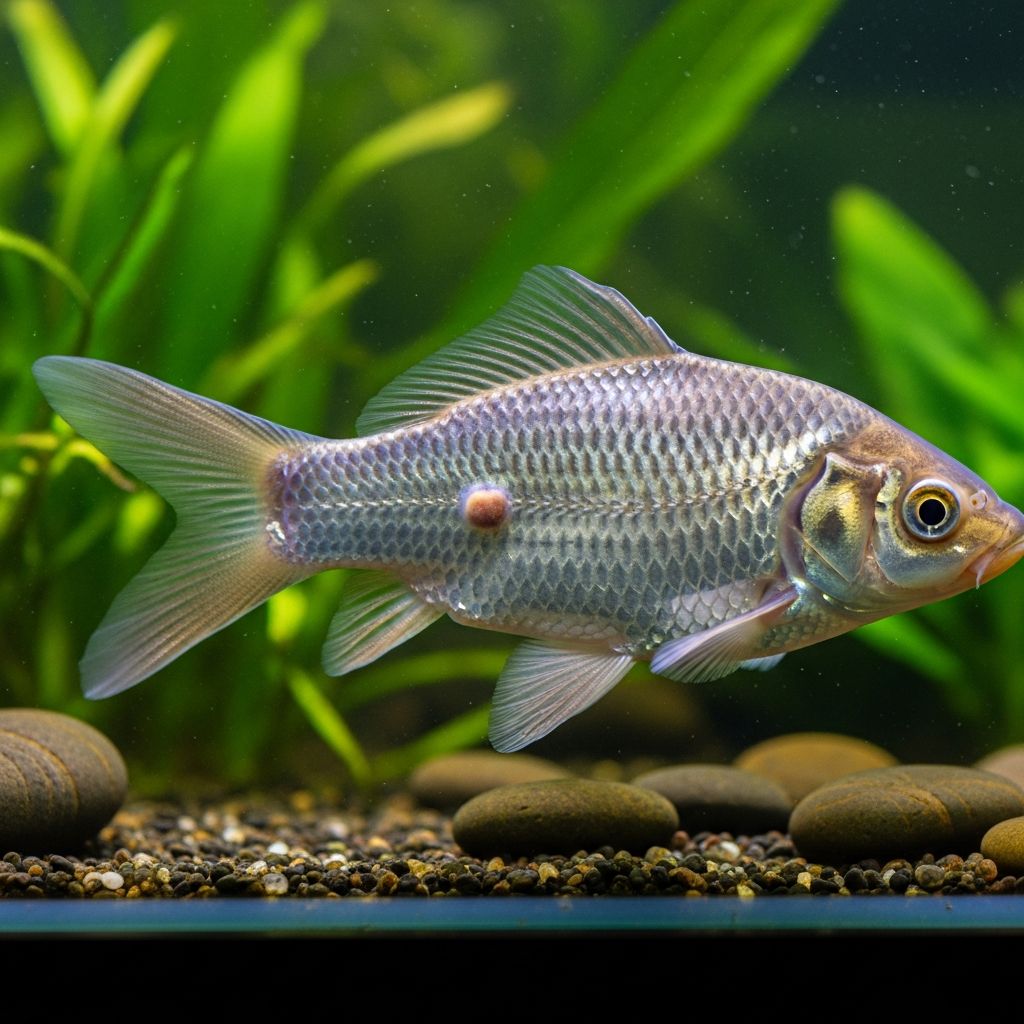
Neoplastic diseases represent a significant health concern in captive aquarium fish populations, yet remain underdiagnosed and underreported in many settings. Unlike infectious diseases or parasitic conditions that spread rapidly through tanks, tumors develop as localized or systemic growths within individual fish. While some fish keepers assume that any unusual growth warrants immediate treatment with over-the-counter medications, understanding the true nature of these conditions allows for more informed and humane decision-making. This guide explores the development, identification, and management of tumor-related conditions in common aquarium fish species.
Understanding Neoplastic Growth in Fish
Fish develop cancerous and benign tumors through mechanisms remarkably similar to those observed in mammals and other vertebrates. Neoplasia refers to the abnormal growth of cells that can originate from virtually any tissue type within the fish’s body, including skin, muscle, organs, and bone. The development of these growths is influenced by multiple factors working in concert rather than a single cause.
Environmental stressors play a substantial role in tumor formation within aquarium systems. Water quality fluctuations, improper temperature ranges, and chemical contaminants accumulated in closed systems can create conditions favorable for cellular transformation. Additionally, repeated physical trauma from aggressive tank mates, sharp decorations, or handling can initiate neoplastic processes in susceptible tissues.
Genetic predisposition and age represent intrinsic risk factors that cannot be controlled through environmental manipulation. Some fish bloodlines appear more susceptible to particular tumor types, while the incidence of neoplasia generally increases with age. Certain species demonstrate markedly higher prevalence rates, with koi showing neoplasia in approximately 18.5% of documented cases, followed by goldfish at 10.8%.
Viral and Pathogenic Associations
Scientific investigation has identified viral particles, particularly retroviruses, as causative agents in specific neoplastic presentations. These viral-induced tumors manifest differently than spontaneously occurring growths and may carry different prognostic implications. Tropical fish species have shown particular susceptibility to viral neoplasia, with documented cases including fibromas affecting the oral regions of freshwater angelfish and fatal neurofibromatosis reported in bicolor damselfish populations.
The connection between viral infection and tumor development suggests that maintaining rigorous quarantine protocols for new fish acquisitions may reduce the introduction of oncogenic pathogens into established collections. However, the latent nature of many fish viruses means that infected individuals may not display obvious clinical signs before shedding infectious particles.
Common Tumor Types in Aquarium Fish
Pigment Cell Tumors (Chromatophoromas)
Among the most frequently encountered neoplastic conditions in aquarium settings, pigment cell tumors arise from specialized pigmentation cells within the skin. These growths manifest as discrete masses, commonly appearing white or iridescent in coloration due to involvement of iridescent pigment cells. Unlike diffuse skin conditions, chromatophoromas typically present as isolated lesions confined to a single location on the fish’s body.
The critical distinction between pigment cell tumors and white spot disease (Ich) represents an essential diagnostic skill for fish keepers. While both conditions can produce white patches on affected fish, Ich presents as multiple small spots distributed across the body, resembling fine salt or sugar coating, and includes behavioral symptoms such as lethargy, respiratory difficulty, and appetite changes. Chromatophoromas, conversely, remain localized, with affected fish displaying normal behavior and feeding patterns. This clinical differentiation prevents unnecessary and ineffective medication regimens.
Soft Tissue Sarcomas
Soft tissue sarcomas represent the most prevalent histological diagnosis in documented fish neoplasia cases, accounting for 26.2% of confirmed diagnoses across all species studied. These malignant tumors develop within connective tissues and can manifest in various anatomical locations throughout the fish’s body. Unlike pigment cell tumors, soft tissue sarcomas tend to be more aggressive, with greater potential for growth acceleration and systemic effects.
Gonadal Neoplasia
The reproductive organs represent an important site for tumor development, particularly in koi and pike species. Gonadal tumors typically trigger marked abdominal distension as the expanding mass increases in volume within the body cavity. Affected fish experience progressive loss of condition and declining activity levels. The internal nature of these tumors makes early detection challenging without imaging technology, and diagnosis often requires surgical intervention for definitive assessment.
Clinical Presentation and Recognition
External Indicators
Fish owners should observe their specimens during routine feeding and activity periods for signs suggestive of neoplastic disease. Visible masses protruding from the body surface represent the most obvious indicator, though not all tumors develop external components. Eye enlargement or bulging of the orbital region, known as exophthalmia, frequently indicates ocular or retrobulbar neoplasia, as the eye represents the most common site for primary tumor development in many fish species.
Behavioral Changes
Alterations in swimming behavior, including loss of equilibrium or lateral tilting of the body, may indicate neurological involvement or skeletal changes from internal masses. Progressive inappetence despite the availability of preferred foods suggests systemic disease that warrants investigation. Fish previously displaying normal social dynamics may isolate themselves as illness progresses.
Body Condition Deterioration
Severe loss of body condition and abdominal distension represent concerning clinical signs, particularly when accompanied by other abnormalities. The fish’s musculature appears progressively less defined as metabolic demands of the tumor deplete nutritional reserves. In some instances, internal masses exert sufficient mass effect to visibly distort the fish’s normal body shape.
Diagnostic Approach and Confirmation
Definitive diagnosis of neoplastic disease requires histopathological evaluation, where abnormal cells are examined microscopically following appropriate processing. However, preliminary diagnostic steps can support clinical suspicion before pursuing invasive procedures.
Imaging Techniques
Ultrasonography provides noninvasive visualization of internal structures and can confirm the presence of masses within the body cavity without subjecting the fish to biopsy. This imaging modality proves particularly valuable for detecting gonadal tumors and distinguishing neoplastic growth from other causes of abdominal distension such as fluid accumulation or egg impaction.
Biopsy Considerations
Tissue biopsy offers the opportunity to collect material for histological analysis, though interpretation can prove challenging in fish due to the limited availability of reference standards for many species. Incisional biopsy of accessible masses may provide diagnostic tissue while preserving some functional integrity of the affected region.
Treatment Options and Outcomes
Surgical Intervention
Surgical excision remains the most widely employed therapeutic approach for fish neoplasia. The feasibility and likelihood of successful outcome depend critically on tumor location, size, and depth of invasion into surrounding tissues. Externally located masses, particularly those confined to distal fin regions, respond favorably to surgical removal without significantly compromising fish function.
Fish demonstrate surprising resilience as surgical candidates, provided they are not severely debilitated by disease. Many fish that appear suitable for intervention make excellent recovery candidates, particularly if tumors are circumscribed and removable without extensive tissue disruption. Post-operative management includes pain control and antibiotic therapy to prevent secondary infection.
Cryotherapy and Advanced Techniques
Liquid nitrogen application, or cryotherapy, has demonstrated improved outcomes and lower tumor recurrence rates compared to conventional surgical excision alone. However, the practical application of cryotherapy in small aquarium fish species presents significant technical challenges that limit its widespread implementation. Larger fish intended for koi or similar applications may benefit more readily from this approach.
Emerging experimental therapies including oncogene inhibitor medications show promising efficacy in fish species, though these remain largely confined to research settings and specialized veterinary facilities. Anti-angiogenesis chemotherapeutics targeting the blood supply to tumors represent another frontier in fish tumor management.
Chemotherapy and Medical Management
Conventional chemotherapy applications in fish remain limited and present significant challenges related to drug delivery, dosing calculations, and systemic effects on the fish’s physiology. Dosages must be extrapolated from mammalian protocols using specialized aquatic animal formularies. The stress imposed by chemotherapy administration may prove detrimental to already compromised fish.
Supportive care using anti-inflammatory agents such as meloxicam or systemic steroids can provide comfort during the disease course, though these approaches address symptoms rather than the underlying neoplastic process. Some specific conditions, such as iodine-responsive gill tumors resulting from thyroid dysfunction, respond to targeted medical intervention.
Prognosis and Life Expectancy
The prognosis for fish diagnosed with neoplastic disease varies substantially based on multiple factors including tumor type, location, and whether treatment is pursued. Many benign tumors, particularly pigment cell growths, have minimal impact on life expectancy or quality of life. Fish can coexist with stable, non-progressive masses indefinitely without clinical detriment.
Fish receiving treatment for neoplasia demonstrate variable survival outcomes, with documented mean survival times of approximately 8.85 months post-treatment in retrospective studies. This represents a more favorable timeline than untreated malignant tumors, which typically progress more rapidly. However, internal tumors diagnosed in advanced stages carry significantly more guarded prognoses regardless of intervention.
Management Considerations for Fish Keepers
When Treatment Is Indicated
Not all tumors require intervention. Small, stable masses with no functional impact on the fish warrant observation rather than invasive procedures. Treatment becomes necessary when tumors impair feeding ability, cause behavioral disturbance, or continue expanding at a rate suggesting imminent compromise of vital functions. The fish’s overall health status, age, and response to stress should influence decision-making regarding treatment pursuit.
Environmental Optimization
While environmental modification cannot reverse existing neoplastic disease, maintaining optimal water quality, temperature stability, and tank design minimizes additional stress that could accelerate tumor progression. Regular water changes, appropriate filtration, and avoidance of known carcinogens represent preventive measures worth implementing in all aquarium systems.
Distinguishing from Treatable Conditions
Fish keepers must resist the impulse to apply ichthyophthirius or other parasite medications to suspected tumors. These treatments prove ineffective against neoplastic growths and expose the fish to additional chemical stress without therapeutic benefit. Careful observation and, when feasible, professional evaluation enable accurate diagnosis that guides appropriate management.
Frequently Asked Questions
Can fish tumors be cured?
Complete cure depends on tumor type and whether treatment is feasible. Some benign tumors like pigment cell growths cause minimal impact and require no treatment. Surgically accessible tumors can be removed, though recurrence is possible. Internally located malignant tumors rarely achieve complete resolution.
Is white spot always Ich?
No. While white spot disease (Ich) and pigment cell tumors both produce white patches, Ich presents as multiple small spots, behavioral changes, and respiratory signs, whereas tumors typically appear as isolated masses with normal fish behavior.
Should I euthanize a fish with a tumor?
Euthanasia decisions depend on the tumor’s impact on the fish’s quality of life, the fish’s overall health status, and treatment feasibility. Many tumors progress slowly without affecting the fish’s comfort or function, allowing indefinite cohabitation with the growth.
How are fish tumors diagnosed?
Preliminary diagnosis involves clinical observation of masses, behavioral changes, and body distortion. Imaging through ultrasonography can reveal internal masses. Definitive diagnosis requires histopathological examination of tissue samples.
Can environmental improvements prevent tumors?
While optimal environmental conditions cannot eliminate genetic predisposition or age-related neoplasia, they reduce exposure to carcinogenic stressors and may slow progression of existing growths.
Conclusion: Informed Decision-Making for Affected Fish
Neoplastic disease in aquarium fish represents a complex condition requiring thoughtful evaluation rather than reflexive treatment. Understanding the distinction between benign and malignant growths, recognizing clinical presentations, and implementing evidence-based management strategies allows fish keepers to make informed decisions that prioritize their fish’s welfare. While many tumors remain incurable with current technology, many also carry minimal impact on the fish’s longevity and quality of life. Professional consultation with veterinarians experienced in aquatic species enables accurate diagnosis and personalized treatment recommendations appropriate to each individual fish’s circumstances.
References
- White Patch on Betta Fish: Effective Treatment — California Fish Vet. 2024. https://cafishvet.com/betta/white-patch-on-betta-fish/
- Retrospective Study of the Prevalence, Histopathology, Therapy and Outcomes of Neoplasia in Fish — National Center for Biotechnology Information (PMC). 2024. https://pmc.ncbi.nlm.nih.gov/articles/PMC10854637/
- Neoplasia of Fish – Exotic and Laboratory Animals — MSD Veterinary Manual. 2025. https://www.msdvetmanual.com/exotic-and-laboratory-animals/aquarium-fish/neoplasia-of-fish
- Neoplasia of Fish – Exotic and Laboratory Animals — Merck Veterinary Manual. 2025. https://www.merckvetmanual.com/exotic-and-laboratory-animals/aquarium-fish/neoplasia-of-fish
- Neoplasia (Tumors), Diseases of Wild and Cultured Fishes — Alaska Department of Fish and Game. https://www.adfg.alaska.gov/static/species/disease/pdfs/fishdiseases/neoplasia.pdf
- Tumors And Cancers in Fish — PetMD. 2024. https://www.petmd.com/fish/conditions/cancer/c_fi_Cancer_and_Tumors
- A review on occurrence of neoplasia in fish — Acta Scientiarum. Biological Sciences. 2014. https://periodicos.ufs.br/ActaFish/article/download/5649/5340/18317
Similar Articles








Read full bio of Sneha Tete


