

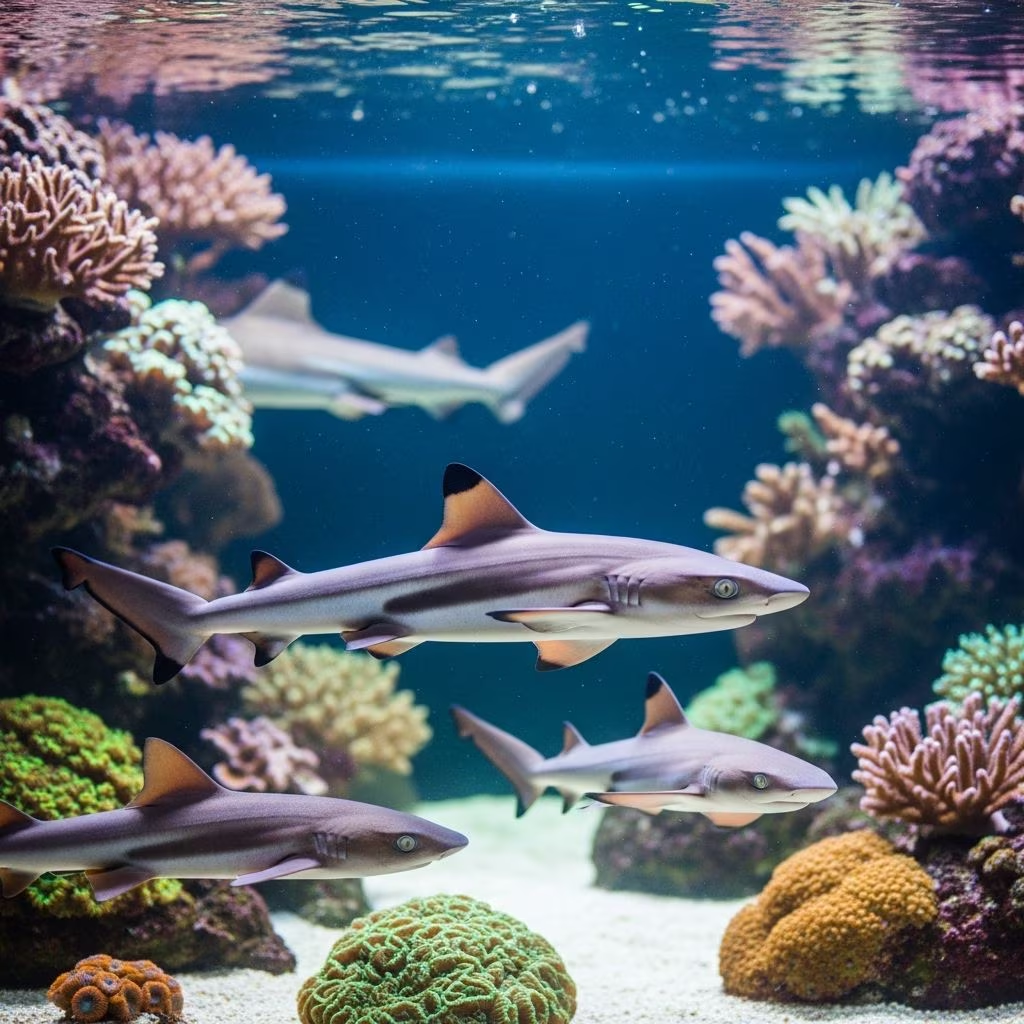
Fish Tank With Sharks: Complete Care Guide
Freshwater sharks are popular aquarium inhabitants known for their active behavior and striking appearance. However, many aquarists underestimate the specific care requirements these fish demand. Whether you’re considering adding a Bala shark, red tail shark, or silver shark to your aquarium, understanding proper care protocols is essential for their long-term health and happiness. This comprehensive guide covers everything you need to know about maintaining a thriving freshwater shark tank.
Understanding Freshwater Sharks
Freshwater sharks are relatively hardy fish that can make excellent additions to well-maintained aquariums. Despite their name, these fish are not true sharks but rather members of the Cyprinidae family, which also includes carp and minnows. Common freshwater shark species include Bala sharks, red tail sharks, and silver sharks. Each species has unique characteristics, but they share similar care requirements regarding water conditions, tank environment, and social compatibility.
The key to successful freshwater shark keeping lies in understanding that these fish are often misunderstood and frequently mistreated due to inadequate tank conditions. Many aquarists don’t realize how large and active these fish become as they mature, leading to improper housing and stress-related health problems. Proper knowledge and commitment to appropriate care standards are crucial for keeping these fascinating fish thriving.
Tank Size and Setup Requirements
Selecting the appropriate tank size is one of the most critical factors in freshwater shark care. Bala sharks, for instance, require considerably more space than many beginners expect. These active fish grow up to 12 to 14 inches in length and need ample swimming room to exhibit natural behaviors and maintain good health.
Minimum Tank Dimensions
For Bala sharks, a minimum tank size of 120 to 150 gallons is recommended, with larger tanks being preferable. Red tail sharks, which grow to approximately 5 to 6 inches, require aquariums at least 4 feet long. Smaller freshwater shark species can be housed in tanks ranging from 20 gallons and upward, depending on the specific species and whether they’re kept singly or in groups.
Tank capacity becomes increasingly important as sharks grow. Many aquarists make the mistake of starting with undersized tanks and failing to upgrade as their fish mature. This inadequate housing creates stress, suppresses immune function, and increases susceptibility to disease.
Substrate and Decorations
The substrate choice significantly impacts freshwater shark welfare. These fish possess sensitive barbels (whisker-like sensory organs) that can easily become injured by sharp materials. Sand or fine gravel should always be used instead of coarse substrates. This protective measure prevents injury and supports natural foraging behaviors.
Tank decorations should include a combination of hiding places and open swimming space. Live plants provide excellent cover and help maintain water quality by absorbing excess nutrients. If live plants aren’t used, plastic plants, model caves, and plant pots serve as suitable alternatives. However, leave substantial open areas for active swimming, particularly as sharks mature and require more swimming space.
Filtration and Aeration
Robust filtration is absolutely essential for freshwater shark tanks. A quality filter helps maintain stable water conditions and removes harmful waste products. When cleaning filters, never use tap water containing chlorine or chloramine, as these chemicals kill beneficial bacteria. Instead, rinse filters gently in water removed during tank maintenance to preserve the established bacterial colony.
Water Parameters and Conditions
Freshwater sharks are generally undemanding regarding water chemistry but require stable conditions to prevent stress and disease. Understanding and maintaining proper water parameters is fundamental to successful shark keeping.
Temperature
Bala sharks and most freshwater shark species thrive at approximately 77°F (25°C). Maintaining stable temperature is crucial, as fluctuations stress fish and compromise immune function. A reliable heater rated for your tank size ensures consistent temperature year-round. Position the tank away from drafts, direct sunlight, heat sources, and loud noises that might cause temperature or stress fluctuations.
pH and Water Hardness
Safe pH levels for freshwater sharks range between 6.5 and 8, with a target range around 7 providing a comfortable buffer against minor fluctuations. Water hardness should fall between 10 to 13 dGH (degree of general hardness). These parameters represent general guidelines for the freshwater shark group, though specific requirements may vary slightly between species.
Ammonia, Nitrite, and Nitrate
Freshwater sharks are extremely sensitive to ammonia and nitrite, even in small concentrations. These compounds can trigger stress and disease development in susceptible individuals. Weekly water quality testing is essential, particularly during initial tank setup and after introducing new inhabitants. Strive for zero ammonia, zero nitrite, and nitrate levels below 40 parts per million. Maintaining these parameters requires consistent water changes and adequate filtration.
Lighting and Day-Night Cycle
Proper lighting maintains natural circadian rhythms and supports overall health. Freshwater sharks are relatively undemanding regarding lighting requirements. A basic freshwater aquarium lamp kept on for approximately 8 hours daily (one-third of the day) provides sufficient illumination. This lighting schedule supports healthy behaviors without promoting excessive algae growth.
Feeding Your Freshwater Sharks
Proper nutrition is vital for maintaining freshwater shark health and vitality. Understanding dietary requirements and feeding protocols ensures optimal nourishment without water quality degradation.
Diet Composition
A well-balanced freshwater shark diet should include multiple food types:
- High-quality flakes, pellets, or freeze-dried foods as staple foods
- Frozen mysis shrimp for variety and nutritional enrichment
- Frozen brine shrimp as supplemental protein sources
This varied diet provides essential nutrients and supports natural feeding behaviors. Omnivorous freshwater sharks benefit from a mix of plant and animal-based foods.
Feeding Schedule and Amounts
Feed small amounts one to two times daily, providing only what fish will consume in 1 to 2 minutes. Overfeeding is a common mistake that degrades water quality and contributes to obesity-related health problems. Thaw frozen foods before feeding to prevent digestive upset. Remove uneaten food within a few minutes using a net or siphon to prevent decomposition and water quality issues.
Tank Maintenance and Water Changes
Consistent maintenance is essential for preventing stress, disease, and poor water conditions. Establishing a regular maintenance schedule keeps your shark tank in optimal condition.
Daily Tasks
Perform quick daily checks of your filter, water temperature, and equipment function. These brief assessments catch problems early before they compromise fish health.
Weekly Maintenance
Test water quality parameters including ammonia, nitrite, nitrate, pH, and hardness at least once weekly, particularly during initial setup and after introducing new inhabitants. Perform partial water changes of 25 to 35 percent weekly to remove accumulated waste and maintain stable parameters. Use a siphon to remove water and waste from the substrate while being careful not to disturb substrate-dwelling organisms.
Monthly and Ongoing Tasks
Change 10 to 25 percent of total tank volume every 2 to 4 weeks as needed, or more frequently if water quality deteriorates. Check filter media for blockages and clean gently using removed tank water rather than tap water. Gradually introduce new tank inhabitants to minimize stress and disruption to established communities.
Introducing New Sharks to Your Tank
Proper acclimation protocols significantly reduce stress and disease risk when introducing freshwater sharks to new environments. Allow approximately one month for newly introduced sharks to fully settle into their new home. During this critical period, minimize disturbances and maintain excellent water quality through frequent testing and careful observation.
Follow these acclimation steps:
- Carefully remove the bag containing your new shark from its outer wrappings, avoiding exposure to bright light
- Float the sealed bag in your aquarium for 10 minutes to equalize temperatures
- Slowly introduce small amounts of aquarium water into the bag for up to 20 minutes
- Carefully release the acclimated shark into the aquarium, minimizing water transfer from the acclimation bag
- Dispose of the bag and excess water appropriately
- Monitor the new shark closely for the first week, paying particular attention to behavior and water quality
Common Health Issues and Prevention
Understanding common freshwater shark health problems enables early detection and appropriate intervention. Most health issues result from poor water quality or inadequate tank conditions.
Fin Rot
Fin rot presents as frayed or disintegrating fins with reddened fin bases. This bacterial infection typically results from poor water quality and stress. Treatment involves improving water quality through increased water changes and maintaining optimal parameters. Consult an aquatic veterinarian for medical treatment if conditions don’t improve quickly.
Ich (White Spot Disease)
Ich manifests as white spots on scales and causes affected fish to rub against objects due to itching. This parasitic infection indicates stress, poor water conditions, or infection introduction from new fish. Treat ich by maintaining pristine water quality, raising temperature slightly under veterinary guidance, and using appropriate treatments if necessary.
General Prevention Strategies
The most effective health management strategy involves prevention through proper care practices. Maintain excellent water quality with regular testing and water changes, avoid overcrowding, provide adequate filtration, and ensure appropriate tank size for your fish species. Good husbandry practices strengthen immune function and prevent disease development.
Tank Mates and Compatibility
Freshwater sharks display varying temperament depending on species and individual personality. Some species are territorial or aggressive, while others remain relatively peaceful. Research your specific shark species’ compatibility before introducing tank mates. Closely observe newly introduced sharks as they grow, as compatibility may change as they mature and territorial behavior intensifies.
Tank Setup Comparison Table
| Parameter | Bala Shark | Red Tail Shark | Silver Shark |
|---|---|---|---|
| Minimum Tank Size | 120-150 gallons | 40+ gallons (4 feet long) | 55+ gallons |
| Temperature | 77°F | 72-82°F | 76-82°F |
| pH Range | 6.5-8.0 | 6.0-8.0 | 6.5-8.0 |
| Water Hardness | 10-13 dGH | 5-19 dGH | 5-20 dGH |
| Adult Size | 12-14 inches | 5-6 inches | 12-24 inches |
| Lifespan | Up to 10 years | 5-8 years | 10+ years |
Frequently Asked Questions (FAQs)
Q: How large do freshwater sharks actually grow?
A: Growth varies by species. Bala sharks grow to 12-14 inches, red tail sharks reach 5-6 inches, and silver sharks can exceed 24 inches. Many aquarists underestimate final size, leading to inadequate housing.
Q: Can freshwater sharks be kept together?
A: Some species can coexist, but many are territorial. Research your specific species’ social requirements and monitor compatibility as fish mature, as territorial behavior often intensifies with age.
Q: What is the minimum tank size for freshwater sharks?
A: Minimum size depends on species. Bala sharks require 120-150 gallons, while smaller species need 20-55+ gallons. Larger tanks are always preferable for active swimmers.
Q: How often should I change the water?
A: Perform 25-35 percent weekly water changes to remove waste and maintain optimal parameters. Additional changes may be needed if water quality deteriorates between tests.
Q: What do freshwater sharks eat?
A: Feed a varied diet of quality flakes, pellets, freeze-dried foods, and frozen mysis or brine shrimp. Provide small amounts once or twice daily, consuming only what fish eat in 1-2 minutes.
Q: Are freshwater sharks suitable for beginners?
A: With proper knowledge and commitment to care standards, yes. However, their substantial space requirements and sensitivity to poor conditions make them unsuitable for beginners who cannot provide adequate tank size and maintenance.
Q: How long do freshwater sharks live?
A: Lifespan varies by species. Bala sharks can live up to 10 years with proper care, while some species may live longer. Longevity depends on tank conditions, diet quality, and overall husbandry.
Q: What causes fin rot in freshwater sharks?
A: Fin rot typically results from poor water quality, bacterial infection, or stress. Improve conditions through increased water changes, maintain optimal parameters, and consult a veterinarian for medical treatment.
Q: Should I use a heater for my shark tank?
A: Yes, a heater is essential to maintain stable temperature year-round. Position tanks away from drafts and heat sources to minimize temperature fluctuations that stress fish.
Q: How can I prevent health problems in my shark tank?
A: Focus on prevention through excellent husbandry: maintain pristine water quality, perform regular water changes, avoid overcrowding, provide adequate filtration, use appropriate tank size, and monitor fish behavior and health regularly.
References
- Freshwater Shark Care Sheet — Petco. https://assets.petco.com/petco/image/upload/caresheet-freshwater-shark-2016.pdf
- Tropical Freshwater Fish: How to Care for Freshwater Sharks — Ornamental Fish International. https://ornamentalfish.org/wp-content/uploads/Freshwater-sharks.pdf
- Bala Sharks: Care Guide, Tank Size, Food, And Tank Mates — Aquarium Source. https://www.aquariumsource.com/bala-shark/
- How to Keep Bala Sharks (Complete Care Guide) — YouTube Aquarium Education Channel. https://www.youtube.com/watch?v=toW5wrgpmAg
- Top 5 Freshwater Sharks You Can Keep in Aquariums — Aquarium Coop. https://www.aquariumcoop.com/blogs/aquarium/freshwater-sharks



