

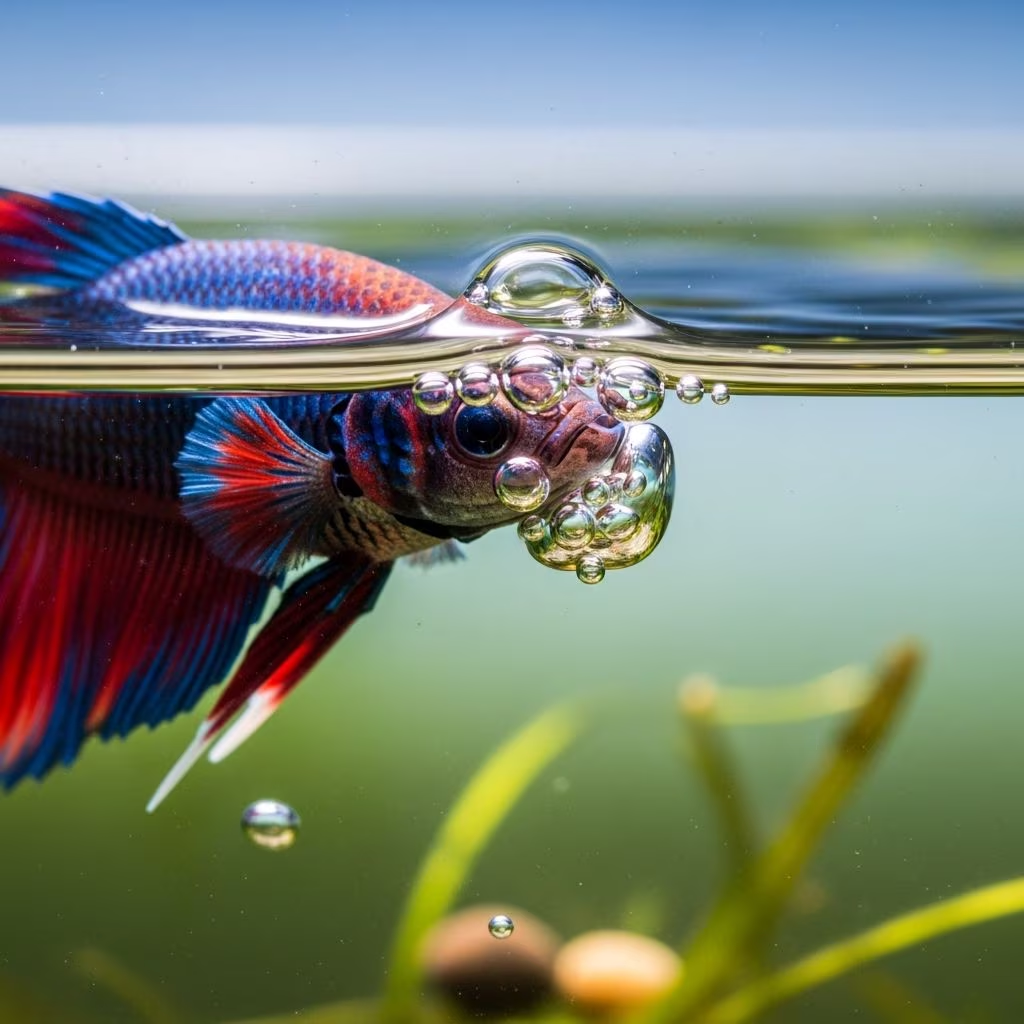
Observing your fish gathering at the water’s surface and breathing rapidly is a distressing sight for any aquarium enthusiast. This behavior, commonly called gasping or piping, represents a signal that your fish are experiencing respiratory distress and require immediate attention. Fish extract dissolved oxygen from water through their gills, and when this oxygen becomes scarce, they instinctively move toward the surface where oxygen concentration is highest due to direct contact with air. Understanding why this occurs and knowing how to respond effectively can mean the difference between maintaining a thriving aquarium and losing your aquatic companions.
Surface breathing behavior warrants urgent investigation because it indicates a fundamental problem with your tank environment. The earlier you identify and address the root cause, the better your chances of preventing fish mortality and long-term health complications. This guide explores the multiple factors that trigger surface gasping, how to diagnose each cause, and the practical steps needed to restore your aquarium to a healthy state.
The Oxygen Crisis: Why Your Fish Need More Air Than You Might Think
The most common reason fish congregate at the surface is insufficient dissolved oxygen in the water column. Many aquarium keepers underestimate how quickly oxygen levels can become critical, especially under specific conditions. Unlike humans who breathe air directly, fish depend entirely on oxygen dissolved in water to survive. When oxygen availability drops below safe thresholds, fish cannot absorb enough oxygen through their gills to meet their metabolic needs, forcing them to seek the highest-oxygen zone in the tank—the surface.
Several circumstances can rapidly deplete dissolved oxygen levels in your aquarium:
- Overcrowding with too many fish relative to tank volume
- Inadequate filtration or water circulation systems
- Water temperatures that exceed species-appropriate ranges
- Excessive organic matter and decomposing material accumulating in the substrate and filter
- Lack of mechanical aeration devices such as air stones or bubble wands
In particular, water temperature plays a crucial role in oxygen availability. Warmer water holds significantly less dissolved oxygen than cooler water, which is why tropical tank systems running above 80°F (27°C) become oxygen-depleted more rapidly than cooler setups. During summer months or if heating equipment malfunctions, temperature spikes can trigger sudden oxygen crises that manifest as emergency surface gasping within hours.
Chemical Toxins and Gill Function Interference
While oxygen deficiency represents the most obvious culprit, water chemistry imbalances can produce identical symptoms even when oxygen levels appear adequate. Toxic compounds—primarily ammonia and nitrite—directly interfere with gill function and the fish’s ability to extract oxygen from available water. The effect parallels how humans struggle to breathe in smoky or chemically contaminated environments; the air exists, but it is rendered unusable by pollutants.
Ammonia, produced continuously through fish waste and decomposing uneaten food, becomes especially dangerous in newly established tanks that have not yet completed the nitrogen cycle. During this cycling phase, beneficial bacteria that would normally convert ammonia to less harmful nitrite have not yet colonized filter media sufficiently. In uncycled or recently stocked tanks, ammonia can spike to lethal concentrations within days.
Nitrite, the intermediate byproduct of the nitrogen cycle, creates similar problems. Fish exposed to elevated nitrite undergo gill irritation and reduced oxygen absorption capacity. The combination of chemical stress and reduced oxygen uptake forces fish to attempt surface breathing as a compensatory mechanism.
Detecting chemical toxicity requires water testing with a quality aquarium test kit. Fish displaying surface gasping accompanied by lethargy, loss of appetite, or visible gill inflammation warrant immediate testing and likely a 30–50% water change as an emergency intervention.
Water Circulation and Stagnation Problems
Many aquarium owners overlook a fundamental principle: oxygen cannot distribute evenly throughout a tank without adequate water movement. Stagnant water zones develop dead spots where oxygen concentration drops to critical levels while waste and organic matter accumulate. Even if your tank is not overcrowded and oxygen-producing equipment is present, poor circulation can create localized oxygen deserts where fish gravitate toward the surface in desperation.
Common circulation failures include:
- Filter systems running at insufficient flow rates for tank volume
- Filter media clogged with detritus, restricting water passage
- Absence of air pumps or auxiliary aeration devices
- Tank decorations and live plants arranged in ways that block water flow patterns
Evidence of poor circulation manifests as a visible film or debris accumulation on the water surface, areas where no water movement occurs, and fish clustering in specific zones rather than distributing naturally throughout the tank. Addressing circulation failures may require cleaning or upgrading filtration equipment, adding air stones, repositioning tank hardscape, or installing powerheads to drive water movement.
Temperature Dysregulation and Metabolic Stress
Temperature control extends beyond simply preventing surface gasping; improper temperatures alter oxygen availability and fish metabolism simultaneously. Each species requires specific temperature ranges to thrive, and deviations trigger multiple physiological stressors. Most critically, elevated temperatures reduce the amount of oxygen that can dissolve in water while simultaneously increasing fish metabolic rates and oxygen consumption.
Fish experiencing temperature stress exhibit increased gill movement and surface-seeking behavior, particularly during hot weather or when heater equipment malfunctions. Tropical species kept above their preferred range become hyperactive and desperate for oxygen. Conversely, sudden temperature drops can shock fish and impair their ability to extract oxygen efficiently.
Managing temperature involves:
- Installing calibrated aquarium heaters with accurate thermostats
- Positioning tanks away from direct sunlight and heat sources
- Using fans to cool rooms during warm seasons
- Installing temperature controllers for precise regulation
- Keeping backup cooling methods available (such as frozen water bottles floated in the tank during emergencies)
Disease and Parasitic Gill Infections
When environmental parameters test normal but fish continue gasping, disease or parasitic infection becomes the likely explanation. Certain pathogens directly attack gill tissue, causing inflammation, tissue damage, and severely reduced oxygen absorption capacity. Gill flukes and bacterial infections represent common culprits that produce gasping symptoms indistinguishable from low-oxygen situations.
Fish suffering from gill parasites or infections typically display additional warning signs:
- Rapid, labored gill movement even when not at the surface
- Clamped or folded fins held tightly against the body
- Visible spots, fungal growth, or slime coat abnormalities
- Behavioral changes including decreased appetite and lethargy
- Fish scratching or rubbing against tank objects
Diagnosing and treating gill disease requires professional assessment. Quarantining affected fish prevents disease transmission to healthy individuals, and species-specific medications may be necessary. Consulting an aquatic veterinarian or experienced fish health specialist becomes essential when environmental factors have been ruled out.
Rapid Diagnostic Protocol: Identifying Your Specific Problem
| Suspected Cause | Diagnostic Signs | Immediate Action |
|---|---|---|
| Oxygen Depletion | Multiple fish at surface, rapid breathing, no visible illness | Increase aeration immediately; perform 25-30% water change |
| Ammonia or Nitrite Toxicity | Surface gasping with lethargy, red gill inflammation, recent tank setup | Test water; perform 30-50% water change; add bacterial starter |
| Circulation Failure | Stagnant surface film, debris accumulation, gasping only in certain areas | Clean filter media; add air stone or powerhead |
| Temperature Crisis | Gasping during hot days, heater malfunction, sudden temperature spike | Lower room temperature; add cooling device; check heater calibration |
| Gill Disease | Gasping with visible gill inflammation, spots, fin clamping, other fish healthy | Quarantine affected fish; consult veterinarian; avoid overcorrecting water parameters |
Water Quality Testing: The Foundation of Fish Health
Before implementing any interventions, comprehensive water testing provides essential diagnostic information. A quality aquarium test kit should measure dissolved oxygen, ammonia, nitrite, nitrate, and pH. Testing reveals whether your crisis stems from chemical toxicity, cycling issues, or truly insufficient oxygen availability.
Testing supplies needed:
- Liquid-based ammonia test kit (more reliable than test strips)
- Nitrite and nitrate test components
- Dissolved oxygen meter or kit for oxygen measurement
- pH testing apparatus
- Temperature thermometer
Results indicating ammonia or nitrite above zero demand immediate large water changes. Dissolved oxygen below 5 mg/L represents critical deficiency. pH crashes (sudden acidification) can impair oxygen absorption, warranting investigation of underlying causes such as excess organic matter or insufficient water circulation.
Solutions and Restoration Strategies
Once you have identified the cause, targeted interventions restore tank health. For oxygen depletion, increasing surface agitation through air stones, bubble wands, and powerheads facilitates gas exchange at the water-air interface. Upgrading filtration equipment and cleaning clogged filter media improve circulation dramatically. Reducing stocking density prevents future oxygen crises in tanks operating at capacity.
For chemical toxicity, partial water changes dilute harmful compounds and provide immediate relief. In new tanks, adding seeded filter media or bacterial starter cultures accelerates nitrogen cycle completion. Removing uneaten food, dead plants, and decaying matter prevents further toxin accumulation.
Temperature management requires installing reliable heating and cooling equipment calibrated for your tank size and room conditions. During emergency cooling situations, freezing water bottles in plastic containers and floating them in the tank provides temporary temperature reduction without risking contamination.
Disease treatment depends on accurate diagnosis. Quarantine procedures prevent pathogen spread while targeted medications address specific infections. Improving water quality parameters supports the fish’s immune system during treatment.
Prevention Strategies for Long-Term Success
The most effective aquarium management approach prioritizes prevention over crisis intervention. Maintaining appropriate stocking density for your tank volume ensures adequate oxygen availability even under suboptimal conditions. Establishing regular water change schedules—typically 25-30% weekly for standard community tanks—maintains water quality and removes accumulated waste before toxins reach dangerous levels.
Installing redundant aeration and circulation equipment protects against single-point failures. Many experienced aquarists maintain backup air pumps and filters as insurance against equipment breakdown during critical periods.
Monitoring fish behavior regularly reveals health issues before they become critical. Fish displaying unusual surface-seeking behavior warrant immediate investigation rather than casual observation. Maintaining detailed records of water parameters, stocking changes, and health observations creates a database for troubleshooting future problems.
Understanding species-specific requirements ensures you maintain appropriate conditions for your particular fish. Some species tolerate low-oxygen environments better than others; labyrinth fish like bettas and gouramis possess specialized breathing organs allowing air-gulping at the surface as normal behavior rather than distress. Differentiating normal species behavior from genuine distress prevents unnecessary panic while ensuring you recognize true emergencies.
Frequently Asked Questions
Q: Can fish recover after severe gasping episodes?
A: Fish experiencing acute oxygen deprivation may recover fully if you restore conditions quickly. Extended oxygen starvation causes permanent organ damage and death. Fast intervention within hours of noticing severe gasping offers the best chance for recovery.
Q: Do I need special equipment to increase oxygen?
A: Basic air stones and bubble wands provide adequate aeration for most community tanks. Powerheads, canister filters, and sponge filters offer additional circulation options. Equipment choice depends on tank size and current setup.
Q: How often should I test water parameters?
A: Test weekly during the first month of a new tank, then monthly in established systems. Test immediately when fish show distress signs regardless of schedule.
Q: Is surface gasping always an emergency?
A: Yes. Any unexplained surface gasping warrants investigation and intervention. Some species exhibit normal surface behavior, but labored or frequent gasping indicates a problem requiring attention.
References
- Freshwater Fish Gasping at the Surface: 7 Causes and Essential Solutions — Anchor Aquarium. 2024. https://anchoraquarium.com/freshwater-fish-gasping/
- Why are my fish gasping at the water’s surface? — Fishkeeper UK. https://www.fishkeeper.co.uk/faq/why-are-my-fish-gasping-at-the-waters-surface
- Why are my fish swimming at the top of the tank water? — Swell UK. https://www.swelluk.com/help-guides/why-are-my-fish-swimming-at-the-top-of-the-tank/
- Why are my pond fish gasping for air at the surface of your pond — Total Pond. https://totalpond.com/blogs/articles/why-fish-gasp-for-air-at-the-surface-of-your-pond



