

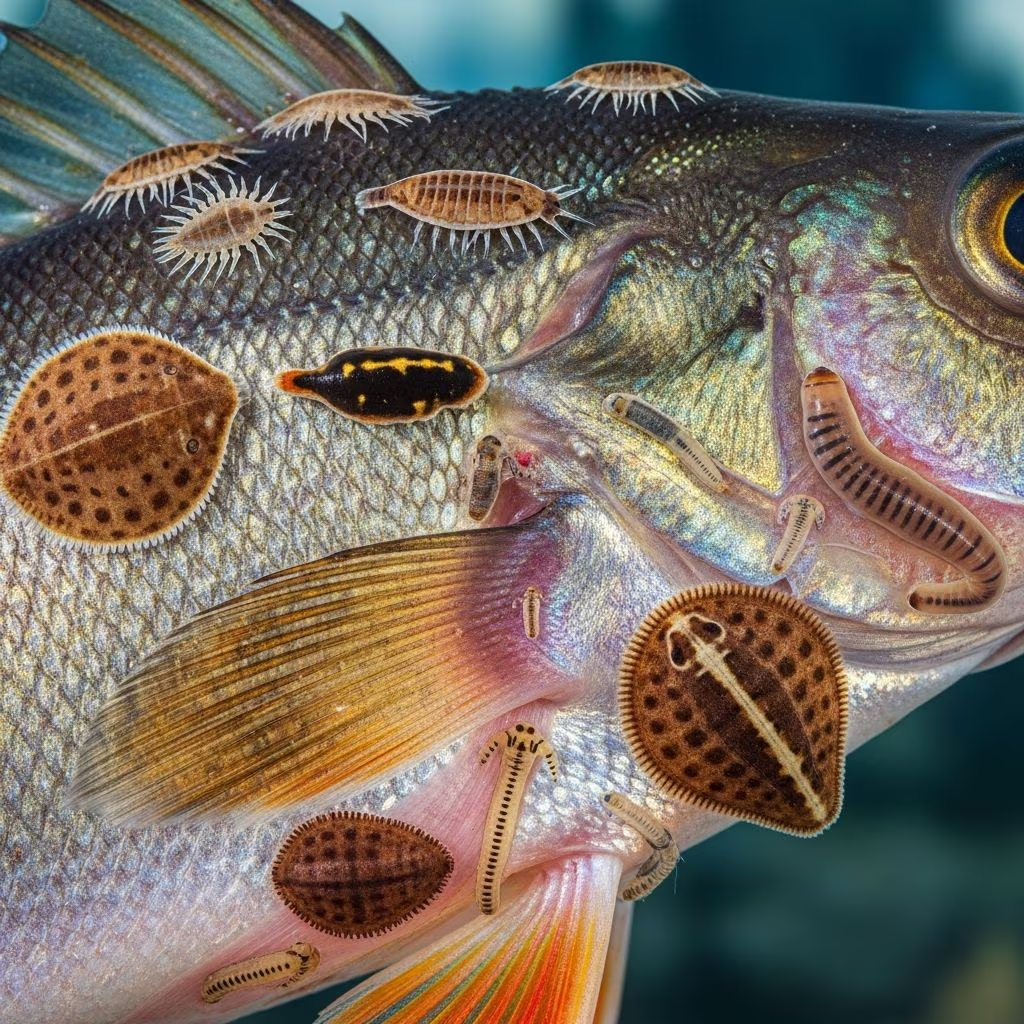
Understanding Fish Parasites: A Comprehensive Guide
Parasites are organisms that depend on a host to survive and spread, and fish are no exception to parasitic infections. Whether you’re a beginner aquarist or an experienced fish keeper, understanding fish parasites is essential for maintaining a healthy aquarium environment. Fish parasites range from microscopic protozoans to visible worms, and they can affect both freshwater and saltwater species. Most parasites found in pet fish are not harmful to humans, since they are unlikely to be ingested, though some can cause irritation or infection if proper food safety protocols aren’t followed.
Types of External Parasites
External parasites are organisms that live on the skin, gills, and fins of fish. These parasites damage the protective barrier of the fish’s skin and can cause sores, ulcers, and small bleeding spots all over the fish’s body. Due to damage to the gills, infected fish have difficulty breathing, and skin damage leaves fish more susceptible to secondary infections.
Ich (White Spot Disease)
One of the most common freshwater fish diseases, ich is also known as white spot disease. It’s caused by a protozoan parasite (Ichthyophthirius multifiliis) that spreads across the infested fish’s body, gills, and fins. In addition to the characteristic white spots, common symptoms include loss of appetite, low energy, and labored breathing. This parasite is readily controlled with formalin, copper sulfate, or potassium permanganate baths, and because the parasite has a direct life cycle, a single treatment should be adequate.
Chilodonella and Other External Ciliates
Fish with chilodonelliasis typically lose condition, and copious mucous secretions may be noticed in areas where infestation is most severe. If gills are heavily infested, the fish may show signs of respiratory distress, including rapid breathing and coughing. The gills may be visibly swollen and mucoid. Infected fish may be irritated as evidenced by flashing (scratching) and decreased appetite. External ciliates are controlled with formalin, copper sulfate, or potassium permanganate, depending on whether the infection is in freshwater or saltwater environments.
Ichthyobodo (Costia)
Behavioral signs of infestation with Ichthyobodo include lethargy, anorexia, piping, and flashing. This parasite is readily controlled with formalin, copper sulfate, or potassium permanganate baths. Because the parasite has a direct life cycle, a single treatment should be adequate. If reinfestation occurs, sanitation and quarantine practices should be evaluated.
Monogeneans (Flukes)
Monogeneans are external parasites that primarily affect gills and skin. They cause excess mucus production, flashing behavior, piping, and loss of condition in affected fish. Praziquantel (5 mg/L, prolonged bath) is the treatment of choice for monogenean infection in freshwater and marine ornamental fish. When using formalin as an alternative for food fish, multiple treatments at weekly intervals are recommended for egg-laying monogeneans because eggs are resistant to chemical treatment.
Types of Internal Parasites
Internal parasites live within the fish’s body, particularly in the digestive tract, and can be more challenging to identify and treat than external parasites. Without early treatment, parasites cause death in the fish, making prompt identification and action critical.
Tapeworms
Most common in wild-caught and newly imported aquarium fish, tapeworms are internal parasites that infest the digestive tract. Common symptoms include a swollen abdomen, loss of muscle, and difficulty swimming. The parasites lay sticky eggs, which adhere to nets and other objects put in the water, allowing the parasite to roam the water in search of their hosts: fish. Adult tapeworms are usually treated with Praziquantel.
Roundworms (Nematodes)
Also called nematodes, roundworms typically infest the digestive tract, swim bladder, and body cavity. The two most common roundworms seen in aquarium fish are the Camallanus and Capillaria species. In some cases, roundworms can be seen protruding from the cloaca. Symptoms in infected fish can include an emaciated body, swollen abdomen, red worms leaking out of the fish’s anus, loss of appetite, or rapid breathing. Treatments include fenbendazole (25 mg/kg, given orally once a day for 3 days), levamisole, ivermectin (0.05 mg/kg, orally), or emamectin (0.35 mg/kg, orally, once a day for 14 days).
Internal Flagellates and Spironucleus
Internal flagellates infect the lower intestine of all cichlids, bettas, gouramis, and many other aquarium fish species. Symptoms include weight loss (anorexia), and high mortality of fry and juveniles. Metronidazole is the treatment of choice for numerous internal parasites in ornamental fish species. Chronic infections have been seen in fish maintained in unsanitary or crowded conditions, making proper water quality management essential.
Hexamita and Hole-in-the-Head Disease
Hole-in-the-head (HITH) disease is caused by parasites such as Hexamita and Spironucleus species. This condition manifests as lesions on the fish’s head and body, often appearing as small pits or holes. Treatment typically involves using medications containing metronidazole, which is safe for fish, invertebrates, plants, and beneficial bacteria.
Common Symptoms of Fish Parasite Infections
According to veterinary experts, some of the most common signs of external parasites in fish include:
- Increased mucus production
- Pale coloration
- Red streaks on the body
- Spots on the skin
- Nodules or lesions
- Visible parasites
- Rubbing against tank objects or surfaces (flashing)
- Rapid breathing
- Low energy
- Decreased appetite
For internal parasites, watch for signs such as:
- Swollen abdomen (pot belly)
- Loss of muscle mass and weight
- Discolored or strange-looking poop
- Difficulty swimming
- Visible parasites protruding from the anus
- Loss of appetite
- Lethargy and reduced activity
Diagnosis of Fish Parasites
Accurate diagnosis is crucial for effective treatment. Most parasitic infections in fish are diagnosed using wet mounts, where a small sample of gill or skin tissue is examined under a microscope. For some conditions, histologic evaluation may be necessary to identify specific parasites or assess the extent of organ damage. If your fish shows any signs of parasitic infection, consult with a veterinarian or experienced aquarist for proper diagnosis and treatment recommendations.
Treatment Options for Fish Parasites
Some of the most effective medications to treat external fish parasites include copper sulfate, formalin, and cyromazine. Praziquantel is effective against a small group of parasites, while metronidazole is the treatment of choice for numerous internal parasites. Treatments can also be coupled with other management strategies, such as adding salt to freshwater, decreasing salinity in marine aquariums, and increasing or decreasing water temperature.
Specific Parasite Treatment Medications
| Medication | Active Ingredient | Target Parasites | Compatibility |
|---|---|---|---|
| ParaCleanse | Praziquantel & Metronidazole | Worms, flukes, bacteria, protozoans | Safe for scaleless fish, fry, snails, shrimp, plants |
| PraziPro | Praziquantel (higher concentration) | Tapeworms, flukes, flatworms, turbellarians | Safe for fish, invertebrates, plants, beneficial bacteria |
| Expel-P | Levamisole Hydrochloride | Planaria, roundworms, nematodes, red worms | Safe for biological filtration, plants, invertebrates |
| Praziquantel (5 mg/L bath) | Praziquantel | Monogeneans (flukes) | Freshwater and marine ornamental fish |
| Metronidazole | Metronidazole | Internal flagellates, spironucleus | Ornamental species only |
| Formalin | Formalin | External parasites, ich, monogeneans | Food and ornamental fish |
When using any medication, follow the manufacturer’s directions carefully and do not treat with half doses, as the medicine may not be effective. The veterinarian will also recommend that you sanitize your fish’s area, as any remaining parasite eggs may re-infect your fish.
Prevention Strategies for Fish Parasites
Prevention is always better than treatment. Here are essential strategies to keep your aquarium fish parasite-free:
- Quarantine new fish: Always quarantine newly acquired fish for at least 2-4 weeks before introducing them to your main tank
- Maintain proper water quality: Regular water changes and proper filtration reduce parasite proliferation
- Avoid overcrowding: Crowded conditions increase stress and parasite transmission
- Use clean equipment: Sterilize nets and other equipment between tanks
- Monitor temperature: Maintain optimal water temperatures for your fish species
- Feed appropriately: Overfeeding compromises water quality and fish health
- Inspect new plants and decorations: Parasites can attach to objects before introduction to your tank
Fish Parasites and Human Health
Most parasites found in pet fish are not harmful to humans, since they are unlikely to be ingested. However, it’s important to note that consuming raw or undercooked fish can expose humans to parasitic infections. Parasites like anisakiasis (herring worm disease) and certain tapeworm species can infect humans who consume infected fish. If you consume raw fish dishes, ensure they come from reputable sources that have been properly treated to eliminate parasites.
When to Seek Veterinary Help
If you notice any signs of parasitic infection in your fish, consult with a veterinarian experienced in aquatic animal medicine. Early intervention can prevent the spread of parasites to other fish in your tank and save the life of your infected fish. Additionally, if you experience any symptoms after consuming raw fish—such as fever, vomiting, loss of appetite, or painful swellings under the skin—seek medical advice immediately.
Frequently Asked Questions About Fish Parasites
Q: Can fish parasites infect humans?
A: Most parasites found in pet fish are not harmful to humans since they are unlikely to be ingested. However, consuming raw or undercooked fish can expose humans to parasitic infections. Always ensure proper food safety protocols when consuming raw fish.
Q: How long does it take to treat fish parasites?
A: Treatment duration varies depending on the parasite type and medication used. Some treatments like formalin for ich may require a single application, while others like emamectin for nematodes may require 14 days of daily treatment. Always follow manufacturer instructions for your specific medication.
Q: Can I use the same treatment for all fish parasites?
A: No, different parasites require different treatments. External parasites respond to formalin, copper sulfate, or praziquantel, while internal parasites require specific treatments like metronidazole or levamisole. Accurate diagnosis is essential for effective treatment.
Q: Will treating parasites harm my aquarium plants or beneficial bacteria?
A: Many modern parasite treatments like PraziPro and Expel-P are specifically formulated to be safe for aquarium plants and beneficial bacteria. Always check product labels to ensure compatibility with your aquarium setup.
Q: How can I prevent parasites in my aquarium?
A: Prevention includes quarantining new fish, maintaining excellent water quality, avoiding overcrowding, using clean equipment, maintaining proper temperatures, and feeding appropriately. Regular tank maintenance is the most effective prevention strategy.
Q: Can parasites spread between different fish species?
A: Yes, many parasites can infect multiple species of fish. Some parasites are species-specific, while others affect all fish species in your aquarium. This is why quarantine procedures and proper diagnosis are so important.
References
- Parasitic Diseases of Fish — Merck Veterinary Manual. Accessed 2025. https://www.merckvetmanual.com/exotic-and-laboratory-animals/aquarium-fish/parasitic-diseases-of-fish
- How to Treat Internal and External Parasites in Aquarium Fish — Aquarium Coop. 2025. https://www.aquariumcoop.com/blogs/aquarium/fish-parasites
- Parasitic Infection in Fish — PetMD. Accessed 2025. https://www.petmd.com/fish/conditions/parasitic/c_fi_Saltwater_parasites
- Fish Parasites: Identification, Risks & Health Implications — Chewy. 2025. https://www.chewy.com/education/fish/health-and-wellness/fish-parasites
- Parasites: Types, Symptoms, Treatment & Prevention — Cleveland Clinic. 2025. https://my.clevelandclinic.org/health/diseases/24911-parasites
- About Anisakiasis — Centers for Disease Control and Prevention (CDC). Accessed 2025. https://www.cdc.gov/anisakiasis/about/index.html



