

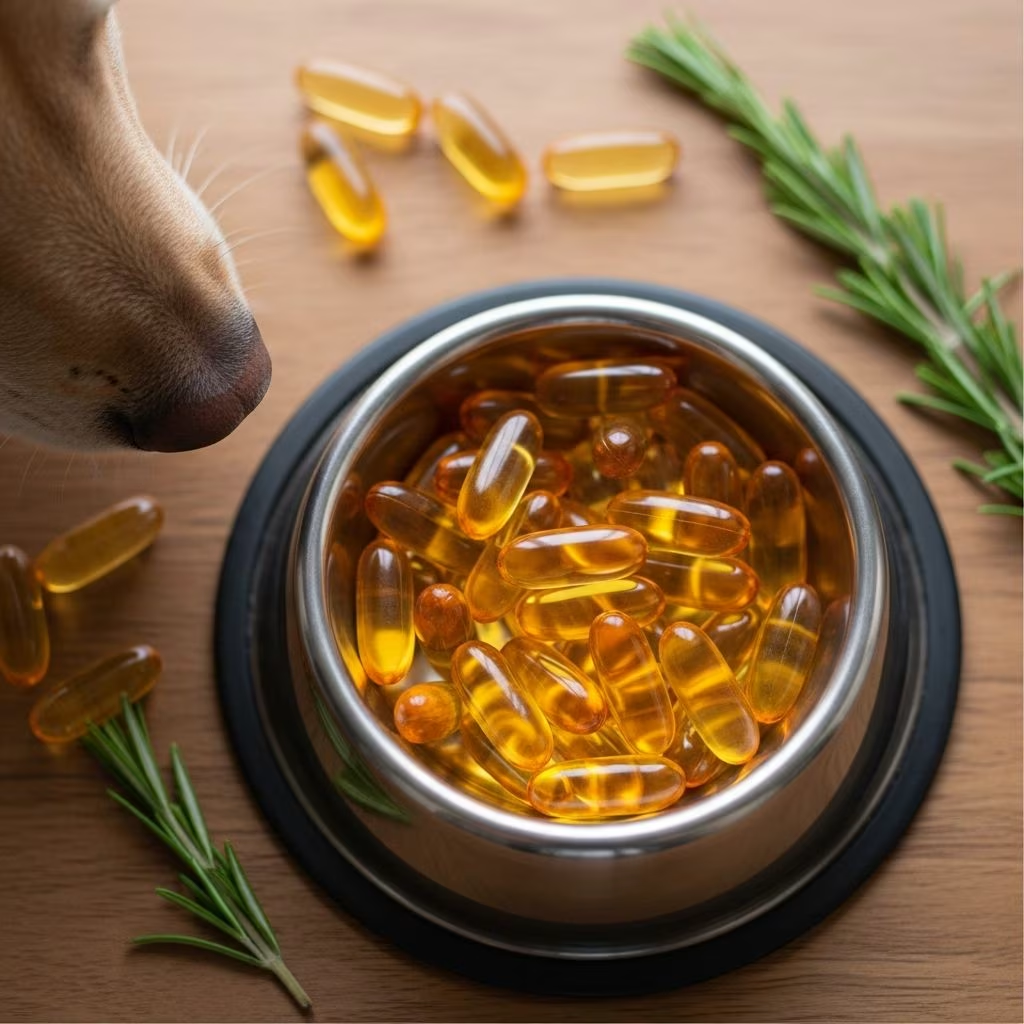
Fish Oil for Dogs: A Complete Nutritional Guide
Fish oil has become one of the most popular and widely recommended dietary supplements for dogs, and for good reason. This nutrient-dense supplement contains omega-3 fatty acids that can significantly improve your dog’s overall health and well-being. Unlike humans, dogs cannot produce omega-3 fatty acids on their own, making dietary supplementation essential for optimal health. Whether your dog is a playful puppy or a senior companion, fish oil can play a vital role in supporting various aspects of their physiological function.
What Is Fish Oil and Why Dogs Need It
Fish oil is a natural supplement derived from fatty fish species such as salmon, trout, and sardines. It contains two essential omega-3 fatty acids: eicosapentaenoic acid (EPA) and docosahexaenoic acid (DHA). These compounds are polyunsaturated fats that serve as critical building blocks for your dog’s body and brain function. The omega-3 fatty acids in fish oil work as powerful anti-inflammatory agents, helping to reduce inflammation throughout your dog’s body and supporting numerous physiological processes.
The key distinction between omega-3 and other fatty acids is their role in maintaining cellular health. While omega-6 fatty acids are also important for your dog’s skin and coat health, the balance between omega-3 and omega-6 is crucial. The Association of American Feed Control Officials (AAFCO) recommends a ratio of 30:1 omega-6 to omega-3, though many commercial dog foods tend to be higher in omega-6 and lower in omega-3. This imbalance can lead to chronic inflammation, making supplementation particularly important.
Primary Health Benefits of Fish Oil for Dogs
Joint Health and Arthritis Management
One of the most well-documented benefits of fish oil for dogs is its ability to support joint health and alleviate arthritis symptoms. The anti-inflammatory properties of omega-3 fatty acids directly target the inflammatory cascade that causes joint pain and stiffness. In a study of 127 dogs with arthritis, those receiving omega-3 supplementation showed significant improvement in their ability to rise from resting positions, play, and walk. Dogs receiving fish oil supplementation experience greater comfort and agility compared to those without this nutritional support. Prescription diets designed specifically for arthritic dogs are typically heavily supplemented with fish oil, underscoring its importance in joint care management.
Skin and Coat Health
Fish oil offers remarkable benefits for your dog’s skin and coat quality. The omega-3 fatty acids help reduce itching, flaking, and excessive shedding while promoting a silky, lustrous coat. A study conducted on 16 dogs with itchy skin demonstrated that those receiving fish oil showed significant improvement compared to the placebo group, including less itching, reduced self-trauma from scratching, and improved hair coat quality. Additionally, research on dogs with varying stages of skin allergies found that fish oil was particularly effective for dogs in the earliest stages of their skin problems, making early supplementation an excellent preventive strategy.
Heart and Cardiovascular Support
Fish oil plays an important role in maintaining cardiovascular health in dogs. It has been shown to reduce the heart’s vulnerability to developing atrial fibrillation, an irregular heart rhythm condition. Additionally, fish oil can act as a natural anti-coagulant, helping prevent blood clots in dogs with heart disease. For dogs with chronic heart failure, fish oil supplementation has been particularly beneficial in reducing weight loss—a common and serious complication associated with this condition. Studies show that dogs receiving fish oil supplementation experienced longer survival times and less weight loss compared to those on a fish oil-free diet.
Cognitive Function and Brain Health
The omega-3 fatty acid DHA (docosahexaenoic acid) plays a crucial role in brain development and cognitive function across your dog’s entire lifespan. For puppies, DHA aids in proper brain and eye development, helping them learn and retain skills more effectively. A Hill’s Pet Nutrition study found that puppies supplemented with DHA showed increased ability to learn and retain certain skills compared to those without additional DHA. For senior dogs, fish oil can help slow cognitive decline associated with canine cognitive dysfunction—a syndrome that resembles human dementia and Alzheimer’s disease. Older dogs receiving fish oil supplementation show improved recognition of family members and other dogs, along with decreased problematic behaviors like pattern-pacing.
Kidney and Immune Function
Fish oil supplementation has proven benefits for dogs with kidney disease. Research has shown that fish oil can help slow the progression of chronic kidney disease by lowering elevated blood pressure, decreasing protein loss in urine, and reducing the production of pro-inflammatory compounds. In a study of 146 cats with kidney disease, those fed diets supplemented with omega-3 fatty acids lived a median of 17 months compared to just 7 months for those without supplementation. Additionally, fish oil supports your dog’s immune system and may even help them fight canine cancer by strengthening the body’s natural defense mechanisms.
Forms and Sources of Fish Oil
Fish oil supplements for dogs are available in multiple forms to suit different preferences and needs. Liquid fish oil can be easily mixed into your dog’s food, while capsule forms offer convenient portion control. Many dog owners prefer capsules because they eliminate the “fishy” smell that liquid versions may produce. When selecting fish oil products, look for high-quality sources such as salmon, trout, or sardines. Check your dog food labels for ingredients listed as salmon meal, salmon oil, or fish oil, which indicate your dog is receiving omega-3 fatty acids from quality sources.
It’s important to distinguish between EPA/DHA omega-3s from fish oil and plant-based alpha-linolenic acid (ALA) from sources like flaxseed and canola oil. While ALA provides some health benefits, EPA and DHA are by far the preferred sources of omega-3s for dogs, as they’re more readily utilized by your dog’s body.
Proper Dosage Guidelines
Determining the correct dosage of fish oil for your dog depends on several factors, including your dog’s age, weight, overall health status, and any existing medical conditions. Generally, dosing is calculated based on your dog’s body weight, with most veterinarians recommending approximately 100 mg/kg of combined EPA and DHA daily. However, this can vary significantly depending on the specific health condition being addressed.
It’s essential to consult with your veterinarian before beginning any fish oil supplementation regimen. Your vet can assess your dog’s individual needs and recommend the appropriate dosage. They may adjust the dose based on how your dog responds to supplementation and any changes in their health status. Starting with a lower dose and gradually increasing to the recommended amount can help your dog’s digestive system adjust to the new supplement.
Potential Side Effects and Considerations
While fish oil is generally safe for most dogs, some potential side effects may occur, particularly with excessive dosing. The most common side effects include gastrointestinal upset, such as loose stools or diarrhea. Some dogs may experience a mild fishy odor or taste in their breath. In rare cases, excessive fish oil supplementation can lead to bleeding issues or vitamin E deficiency if not balanced properly with other nutrients.
Dogs on blood-thinning medications should receive fish oil only under veterinary supervision, as the supplement’s natural anti-coagulant properties may interact with these medications. Additionally, pregnant and lactating females should receive omega-3 supplementation under veterinary guidance, as these essential fatty acids are critical for passing to puppies through nursing and supporting fetal development.
Balancing Omega-3 and Omega-6 Fatty Acids
While omega-3 fatty acids are crucial, maintaining proper balance with omega-6 fatty acids is equally important. Omega-6 fatty acids, particularly linoleic acid, support your dog’s ability to repair and restore skeletal and muscle tissue while maintaining a healthy metabolism. These fatty acids also support skin health by boosting ceramide formation, which helps bind cells in the outermost layer of skin. The sheen, growth, and overall quality of your dog’s hair coat depend significantly on adequate omega-6 intake.
The challenge for most dog owners is that commercial dog foods tend to be higher in omega-6 and comparatively lower in omega-3. This imbalance can contribute to chronic inflammation and related health issues. Excessive omega-6 without sufficient omega-3 can lead to allergies, arthritis, autoimmune diseases, diabetes, and even cancer. By supplementing with fish oil, you’re helping to restore the proper balance and reduce systemic inflammation in your dog’s body.
Fish Oil Throughout Your Dog’s Life Stages
Puppies and Young Dogs
For puppies, fish oil supplementation is particularly important during the critical developmental period. DHA supports proper brain and eye development, setting the foundation for optimal cognitive function and vision throughout your dog’s life. Lactating mothers benefit tremendously from omega-3 supplementation, as they pass these essential nutrients to their puppies through their milk, promoting healthy development from the earliest stages of life.
Adult Dogs
Adult dogs benefit from fish oil supplementation for joint maintenance, skin health, and overall wellness. Regular supplementation can help prevent the development of age-related conditions and maintain optimal health across all body systems. Many veterinarians recommend ongoing fish oil supplementation as part of a comprehensive health maintenance strategy.
Senior Dogs
Senior dogs particularly benefit from fish oil’s cognitive and joint support properties. As dogs age, cognitive function naturally declines, and fish oil can help slow this process significantly. Additionally, senior dogs often develop arthritis and other inflammatory conditions that respond well to fish oil supplementation, allowing them to maintain mobility and quality of life in their golden years.
Selecting Quality Fish Oil Products
When choosing a fish oil supplement for your dog, quality matters significantly. Look for products from reputable manufacturers that provide third-party testing results ensuring purity and potency. The product should clearly list the amounts of EPA and DHA per serving, allowing you to calculate proper dosing. Products should be stored properly to prevent oxidation, and you should check expiration dates to ensure maximum potency.
Some high-quality fish oil products are specifically formulated for dogs and include additional beneficial ingredients such as vitamin E for antioxidant support. While fish oil derived from human-grade supplements can be appropriate, products specifically designed for canine nutrition often have better palatability and are formulated with dogs’ specific needs in mind.
Frequently Asked Questions
Q: Can all dogs take fish oil supplements?
A: While most dogs can safely take fish oil, dogs on blood-thinning medications or those with certain health conditions should only receive fish oil under veterinary supervision. Always consult your veterinarian before starting any new supplement.
Q: How long does it take to see results from fish oil supplementation?
A: Results vary depending on the condition being treated. Some dogs show improvement in skin and coat health within 2-4 weeks, while joint health improvements may take 4-6 weeks or longer to become noticeable.
Q: Can I give my dog fish oil if they eat commercial dog food?
A: Yes, supplementation can be beneficial even with commercial dog food, as many products are higher in omega-6 than omega-3. However, check your food’s ingredient list and discuss with your veterinarian to avoid excessive supplementation.
Q: What’s the difference between fish oil and other omega-3 sources like flaxseed?
A: Fish oil contains EPA and DHA, which are directly usable by your dog’s body. Plant-based sources like flaxseed contain ALA, which dogs must convert to EPA and DHA—a process that’s inefficient and doesn’t provide adequate amounts.
Q: Are there any signs that my dog is getting too much fish oil?
A: Signs of excessive fish oil include loose stools, diarrhea, vomiting, or a strong fishy odor. These symptoms warrant a dosage reduction and veterinary consultation.
Conclusion
Fish oil represents one of the most effective and scientifically-supported supplements you can add to your dog’s nutrition regimen. From supporting joint health and cognitive function to promoting beautiful skin and coat, the benefits of fish oil span across your dog’s entire lifespan. The omega-3 fatty acids in fish oil work as powerful anti-inflammatory agents, addressing many common health challenges that dogs face as they age. By ensuring your dog receives adequate omega-3 supplementation and maintaining proper balance with omega-6 fatty acids, you’re investing in their long-term health, mobility, and quality of life. Always work with your veterinarian to determine the appropriate dosage and form of fish oil for your individual dog’s needs, and monitor your dog’s response to supplementation to ensure optimal results.
References
- Five Dog Diseases Fish Oil Can Help Treat — Pet Health Network. Retrieved from https://www.pethealthnetwork.com/dog-health/dog-diet-nutrition/five-dog-diseases-fish-oil-can-help-treat
- Fish Oil for Dogs: What to Know — American Kennel Club. Retrieved from https://www.akc.org/expert-advice/nutrition/fish-oil-for-dogs/
- Is Fish Oil Good For Dogs? Dosage & Side Effects To Know — We Are The Cure. Retrieved from https://wearethecure.org/is-fish-oil-good-for-dogs/
- Fish Oil for Dogs and Cats: Six Benefits — Animal Medical Center of Chicago. Retrieved from https://www.animalmedicalcenterofchicago.com/fish-oil-for-dogs-and-cats-six-benefits/
- Essential Fatty Acid & Fish Oil Benefits for Dogs — Purina. Retrieved from https://www.purina.com/articles/dog/health/nutrition/fish-oil-for-dogs
- Fish Oil — VCA Animal Hospitals. Retrieved from https://vcahospitals.com/know-your-pet/fish-oil
- Omega-3 Fatty Acids (Fish Oil) for Dogs and Cats — WebMD Pets. Retrieved from https://www.webmd.com/pets/pet-meds/omega-3-fatty-acids-fish-oil-cats-dogs



