

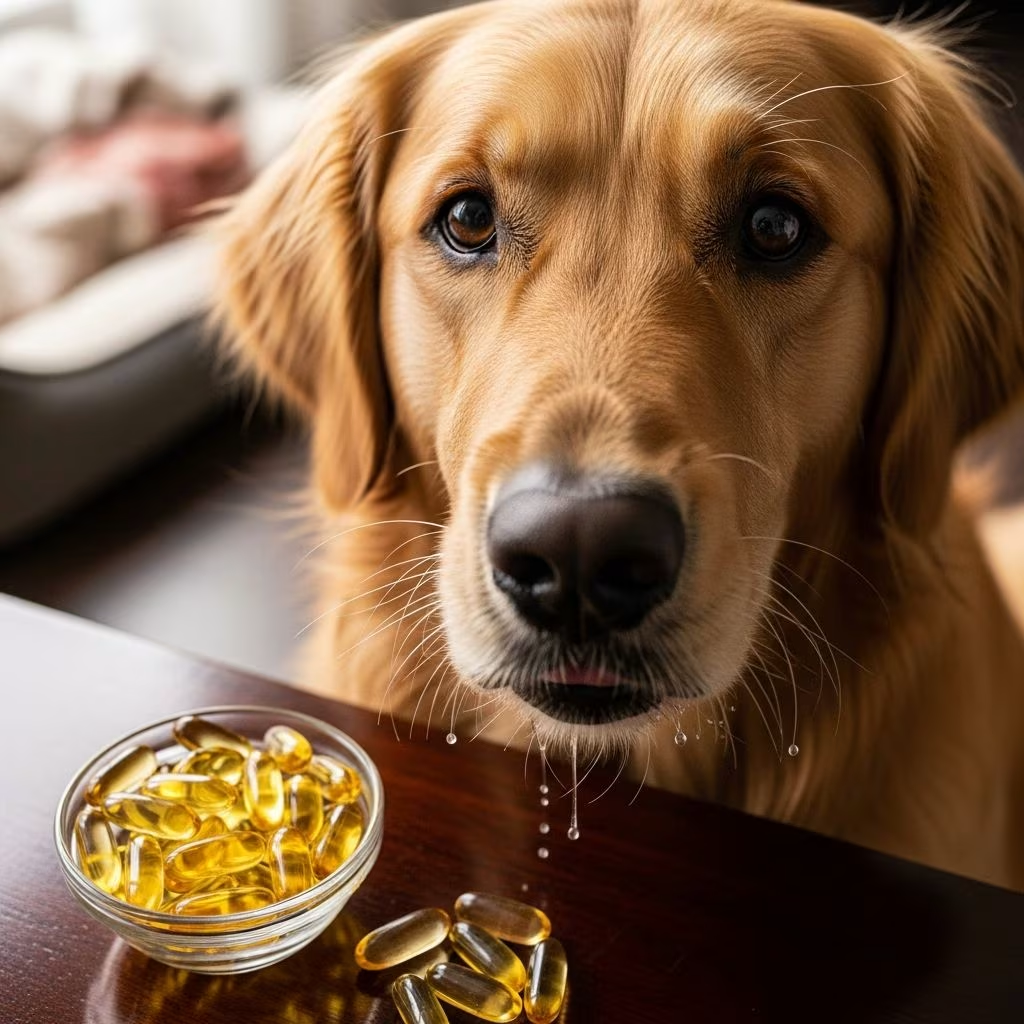
Dry skin in dogs manifests as flakiness, itchiness, and dull coats, often worsened by winter air, frequent bathing, or dietary gaps. Fish oil, rich in omega-3 fatty acids like EPA and DHA, addresses this internally by reducing inflammation and enhancing moisture retention in the skin barrier.
Understanding Dry Skin in Canines
Dogs experience dry skin due to environmental factors, allergies, poor nutrition, or underlying health issues. Low humidity strips natural oils, while allergies trigger excessive scratching that exacerbates flaking. Omega-3s from fish oil counteract this by modulating immune responses and supporting lipid production in skin cells.
- Common signs: White flakes, red patches, constant scratching, bald spots.
- Prevalence: Affects up to 10-20% of dogs seasonally, per veterinary observations.
- Risk factors: Breeds like Bulldogs or Shar-Peis with folded skin; seniors with slower oil production.
The Science Behind Fish Oil Benefits
Fish oil’s efficacy stems from eicosapentaenoic acid (EPA) and docosahexaenoic acid (DHA), which inhibit pro-inflammatory cytokines. Studies show supplementation improves skin hydration by 30-50% after 8 weeks, promoting ceramide synthesis for a stronger epidermal barrier.
Unlike plant-based omegas, marine sources offer superior bioavailability. Regular use yields shinier coats, reduced shedding, and fewer hot spots.
| Nutrient | Benefit for Skin | Source Comparison |
|---|---|---|
| Omega-3 (EPA/DHA) | Anti-inflammatory, hydrates | Fish oil > Flaxseed (ALA conversion poor) |
| Omega-6 | Pro-inflammatory if imbalanced | Balance with omega-3 ratio 5:1 ideal |
| Vitamin E | Antioxidant protection | Often in quality fish oils |
Selecting the Right Fish Oil Supplement
Choose veterinary-grade products with third-party testing for purity, avoiding mercury or PCBs. Look for 180mg EPA + 120mg DHA per 1000mg capsule minimum. Liquid forms suit picky eaters; soft chews appeal to most.
- Top features: Wild-caught salmon or anchovy base, no fillers, enteric-coated to prevent fishy breath.
- Avoid: Cod liver oil (excess vitamin A toxicity risk).
- Storage: Refrigerate after opening; use within 90 days.
Proper Dosage Guidelines
Dosage depends on dog weight: 20-55mg EPA/DHA per lb body weight daily. Start low to monitor tolerance.
| Dog Weight (lbs) | Daily EPA/DHA (mg) | Example Dose (1000mg capsule) |
|---|---|---|
| 10-20 | 200-1100 | 1/4 – 1/2 capsule |
| 21-50 | 1100-2750 | 1/2 – 1 capsule |
| 51-100 | 2750-5500 | 1 – 2 capsules |
Administer with food to enhance absorption and minimize GI upset. Visible improvements appear in 3-6 weeks; adjust per vet advice for chronic cases.
Integrating Fish Oil into Daily Routine
Mix liquid fish oil into kibble or mix with peanut butter for capsules. Pair with brushing to distribute oils evenly. Track progress with weekly photos of affected areas.
For best results, combine with humidity control (pet humidifiers) and limited bathing using oatmeal shampoos.
Complementary Home Remedies
Enhance fish oil with topical aids for faster relief.
- Coconut Oil: Apply virgin oil to paws/nose 2-3x/week; antimicrobial and moisturizing.
- Oatmeal Soak: Grind oats into bath water; soothes itching via anti-inflammatory avenanthramides.
- Aloe Vera: Pure gel on patches; cools and hydrates, but prevent licking.
- Chamomile Rinse: Cooled tea post-bath reduces redness.
Boosting Skin Health Through Diet
A high-quality diet with 1-2% fish oil or added omegas prevents recurrence. Include omega-rich foods like sardines weekly. Avoid overbathing, which strips sebum.
Potential Side Effects and Precautions
Loose stools or fishy odor possible initially; reduce dose if persistent. Contraindicated in bleeding disorders or with anticoagulants—consult vet. Pregnant dogs need lower doses.
Allergic reactions rare but watch for hives or vomiting.
When to Consult a Veterinarian
If no improvement in 4 weeks, or with hair loss/infection signs, seek diagnostics for allergies, hypothyroidism, or parasites. Vets may prescribe medicated topicals alongside supplements.
Real Owner Experiences
Many report 80% itch reduction after consistent use. One owner noted their Labrador’s flaky belly cleared in a month, coat gleaming thereafter.
FAQs
Can all dogs take fish oil?
Yes, most benefit, but vet approval ensures safety for puppies, seniors, or those with conditions.
How long until results?
2-8 weeks; consistency key.
Is fish oil better than other omegas?
Yes, direct EPA/DHA superior to plant ALA.
Vegetarian alternatives?
Algal oil provides DHA; less potent for EPA.
Overdose risks?
Excess causes diarrhea; stick to guidelines.
Prevention Strategies Year-Round
Maintain omega supplementation during dry seasons. Regular grooming redistributes oils. Annual bloodwork catches issues early.
References
- Dog Dry Skin: Causes, Treatments, and Prevention — PetMD. 2023-10-15. https://www.petmd.com/dog/symptoms/dry-flaky-skin-dogs
- Six Simple Ways to Treat Your Pet’s Dry Winter Skin — Suncrest Veterinary Services. 2024-01-20. https://suncrestveterinaryservices.com/blog/six-simple-ways-to-treat-your-pets-dry-winter-skin/
- Home Remedies for Dry Dog Skin — AKC Pet Insurance. 2024-05-12. https://www.akcpetinsurance.com/blog/home-remedies-for-dry-dog-skin
- Expert Insights on Dog Dry Skin — Nutri-Vet. 2023-11-08. https://nutri-vet.com/blogs/news/dry-skin-dogs-winter-remedies
- What to do if your dog has dandruff or dry skin — Vetster. 2024-02-05. https://vetster.com/en/wellness/what-to-do-if-your-dog-has-dandruff-or-dry-skin



