
Fish Nutrition Essentials: Practical Guide For Aquaculture
Master the principles of balanced fish diets for optimal growth, health, and aquaculture success in captive environments.
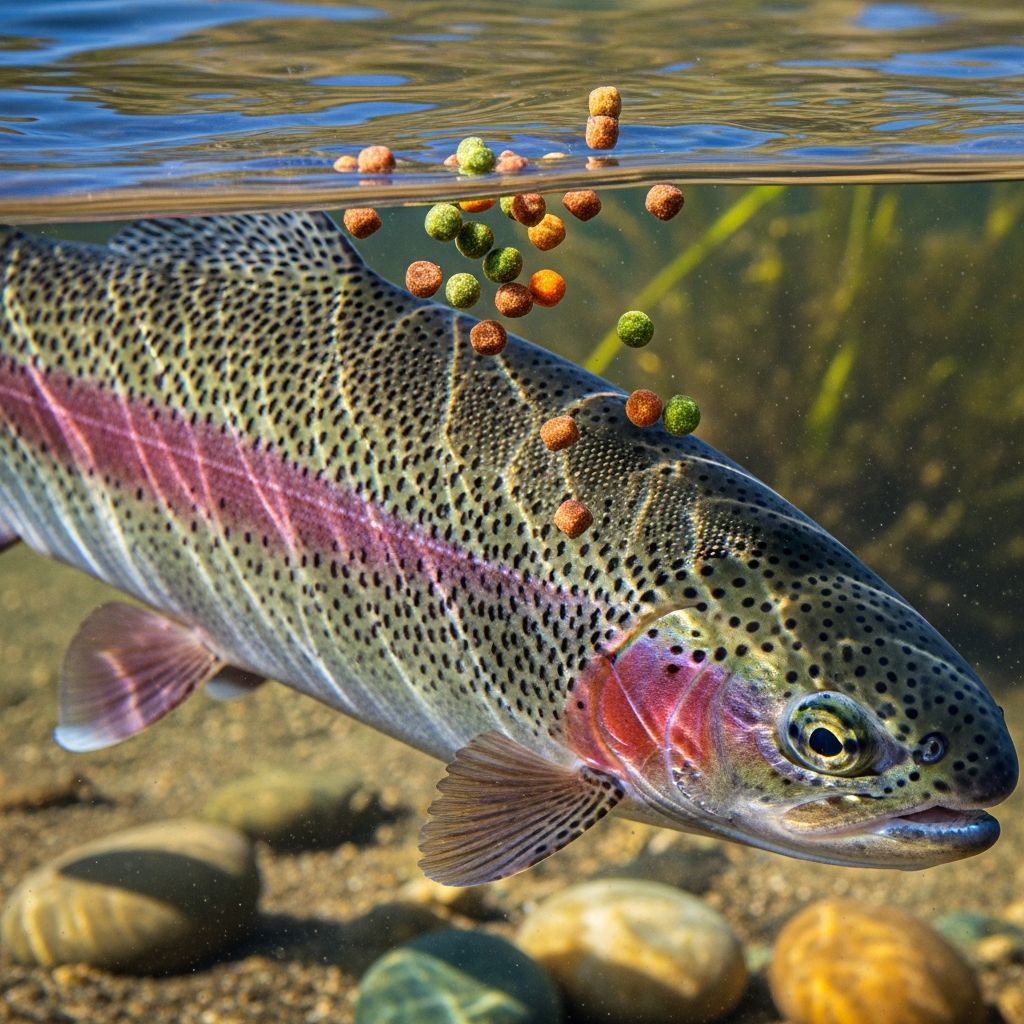
Fish nutrition forms the foundation of successful aquaculture, zoo management, and ornamental fish keeping. Proper dietary balance supports rapid growth, disease resistance, and reproductive success across diverse species, from herbivorous tilapia to carnivorous salmon. This guide delves into nutrient requirements, feed ingredients, formulation strategies, and practical feeding protocols tailored for captive aquatic environments.
Core Nutrient Categories for Fish Diets
Aquatic species derive energy and building blocks from proteins, lipids, carbohydrates, vitamins, and minerals. Each category plays distinct roles, with requirements varying by species’ physiology, life stage, and environment.
Proteins and Amino Acids: Building Blocks of Growth
Proteins supply amino acids essential for tissue development, enzyme production, and immune function. Herbivorous fish thrive on 25-35% crude protein diets, while carnivores demand 40-50% to meet metabolic needs. Key essential amino acids include lysine, methionine, threonine, and tryptophan, which fish cannot synthesize and must obtain from feeds.
- Lysine: Critical for protein synthesis and growth optimization.
- Methionine: Supports methylation processes and antioxidant defense.
- Threonine: Aids mucin production for gut health.
- Tryptophan: Precursor for serotonin, influencing behavior and stress response.
Imbalanced amino acid profiles lead to reduced feed efficiency and slower growth rates. Modern feeds incorporate synthetic amino acids to bridge gaps in plant-based ingredients.
Lipids: Energy Powerhouses and Essential Fatty Acids
Lipids provide concentrated energy (twice that of proteins or carbs) and deliver indispensable fatty acids like EPA and DHA. These omega-3s are vital for membrane fluidity, neural development, and inflammation control, particularly in marine species. Neutral lipids such as triglycerides from fish oils enhance diet palatability and buoyancy.
Fatty fish like salmon and herring exemplify natural high-lipid sources rich in omega-3s, benefiting heart health in consumers but underscoring their dietary importance for the fish themselves. Optimal lipid levels range from 6-16% depending on species, balancing energy without excess fat deposition.
Carbohydrates: Non-Essential but Functional Fillers
Fish lack a strict carbohydrate requirement, utilizing them primarily as cheap energy via gluconeogenesis. Levels above 30-40% can impair growth in carnivores due to poor amylolytic enzyme activity. In feeds, starches bind ingredients and improve pellet stability in water.
Vitamins: Metabolic Catalysts for Health
Vitamins facilitate enzymatic reactions, vision, immunity, and reproduction. Fat-soluble vitamins (A, D, E, K) store in tissues, allowing longer deficiency tolerance, while water-soluble ones (B-complex, C) demand frequent replenishment.
| Vitamin | Major Functions in Fish | Sources |
|---|---|---|
| Vitamin A (Retinol) | Vision, epithelial integrity | Liver, carotenoids |
| Vitamin D (Cholecalciferol) | Calcium absorption, bone health | Fish oils, sunlight |
| Vitamin E (Tocopherol) | Antioxidant, membrane protection | Vegetable oils |
| Vitamin C (Ascorbic Acid) | Collagen synthesis, immunity | Supplements (stable forms) |
Young, fast-growing fish deplete water-soluble vitamins quickly, necessitating fortified premixes in commercial diets.
Minerals: Structural and Regulatory Essentials
Macrominerals like phosphorus, calcium, and potassium maintain osmoregulation and skeletal integrity. Phosphorus is paramount, as natural water sources provide minimal amounts, risking bone deformities in deficient diets. Microminerals (zinc, copper, selenium, iron) support enzymes and antioxidant systems.
- Phosphorus: Critical for ATP and bone mineralization; bioavailability key in plant sources.
- Zinc: Involved in over 300 enzymes, immunity booster.
- Selenium: Glutathione peroxidase component, toxin neutralizer.
Gill uptake mitigates some deficiencies, but formulated feeds ensure adequacy, especially in intensive systems. Seafood’s mineral profile, including selenium and iodine, highlights its nutritional density.
Balancing Energy and Protein for Efficiency
Fish prioritize protein for growth over energy; excess energy from carbs or lipids spares protein effectively. Ideal digestible energy-to-protein ratios (8-10 kcal DE/g protein) maximize lean tissue gain and feed conversion. Overly carb-heavy diets elevate oxygen demand and waste, straining water quality.
Feed Ingredients: Sourcing Quality Nutrition
Commercial feeds blend plant and animal sources for cost-effectiveness and balance.
Protein-Rich Components
- Soybean meal, canola meal: High protein (40-50%), but limit anti-nutritional factors via processing.
- Fishmeal, krill meal: Premium digestibility, rich in marine fatty acids.
- Poultry by-product meal, feather meal: Sustainable alternatives with balanced amino acids.
Energy Sources
- Cereal grains (corn, wheat): Binders and carb energy.
- Fats/oils (fish, vegetable): Boost caloric density.
Innovations like distillers grains and wheat gluten expand options, reducing reliance on marine proteins.
Species-Specific Nutritional Strategies
Dietary needs diverge sharply: Channel catfish favor 28-32% protein with moderate lipids; salmonids require 40-50% protein plus 20-30% lipid for smoltification. Ornamental discus demand high protein and soft, gel-based feeds mimicking natural plankton.
In zoos, mixed-species exhibits necessitate universal pellets supplemented with live foods for behavioral enrichment and micronutrient delivery.
Feed Formulation and Processing Techniques
Least-cost formulation software optimizes nutrient profiles against ingredient matrices. Extrusion pelleting enhances digestibility by gelatinizing starches and stabilizing lipids against leaching. Floating vs. sinking feeds suit surface vs. bottom feeders, minimizing waste.
| Feed Type | Best For | Key Features |
|---|---|---|
| Floating Pellets | Salmonids, Tilapia | |
| Sinking Pellets | Catfish, Carp | Bottom feeding, dense nutrients |
| Mash/Meal | Larvae, Fry | Fine texture, high acceptance |
Feeding Management Practices
Overfeeding pollutes water, promoting algae and pathogens; underfeeding stunts growth. Feed 2-4% body weight daily, split into multiple meals, adjusted for temperature (optimal at 25-30°C). Automatic feeders ensure consistency in large-scale operations.
- Observe satiation: First refusal indicates endpoint.
- Monitor growth and water quality weekly.
- Seasonal adjustments: Reduce in winter, increase for broodstock.
Special Considerations for Life Stages
Larvae require artemia or microparticulate feeds with 50-60% protein. Grow-out phases shift to cost-effective formulas. Broodstock diets emphasize lipids and vitamins for egg quality and fry survival.
Nutritional Challenges and Solutions
Anti-nutritional factors in plants (phytates, gossypol) bind minerals; heat treatment and enzymes mitigate risks. Omega-3 deficiencies manifest as pinched fins or lordosis; supplementation resolves issues. Phosphorus pollution from feeds prompts phytase use for better bioavailability.
Fish like salmon naturally accumulate omega-3s, underscoring dietary importance for farmed stocks mirroring wild nutrition.
FAQs
What is the ideal protein level for most farmed fish?
Typically 30-45%, varying by species—lower for herbivores, higher for carnivores.
Do fish need dietary carbohydrates?
No specific requirement, but they serve as economical binders and energy up to 30%.
How often should fish be fed?
2-4% body weight daily, in 2-3 meals, based on size and temperature.
Why supplement vitamins in fish feeds?
Processing destroys natural vitamins; premixes ensure metabolic health.
Can plant proteins fully replace fishmeal?
Partially, with amino acid balancing; full replacement challenges marine species.
Sustainability in Fish Nutrition
Shifting to insect meals, algae, and single-cell proteins reduces environmental footprint while maintaining nutrition. Closed-loop systems recycle waste, aligning aquaculture with eco-standards.
References
- Principles of Fish Nutrition — Southern Regional Aquaculture Center, Mississippi State University. 2000. https://srac.msstate.edu/pdfs/Fact%20Sheets/5003%20Principles%20of%20Fish%20Nutrition.pdf
- Fish and Omega-3 Fatty Acids — American Heart Association. 2023. https://www.heart.org/en/healthy-living/healthy-eating/eat-smart/fats/fish-and-omega-3-fatty-acids
- Fish and Shellfish Nutrition — National Health Service (NHS), UK Government. 2023. https://www.nhs.uk/live-well/eat-well/food-types/fish-and-shellfish-nutrition/
- Advice about Eating Fish — U.S. Food and Drug Administration (FDA). 2024. https://www.fda.gov/food/consumers/advice-about-eating-fish
- EPA-FDA Advice about Eating Fish and Shellfish — U.S. Environmental Protection Agency (EPA). 2024. https://www.epa.gov/choose-fish-and-shellfish-wisely/epa-fda-advice-about-eating-fish-and-shellfish
Similar Articles








Read full bio of medha deb


