
Fish Nutrition Disorders: Expert Guide For Aquariums
Discover how poor diets lead to serious health issues in aquarium fish and learn prevention strategies for vibrant aquatic life.
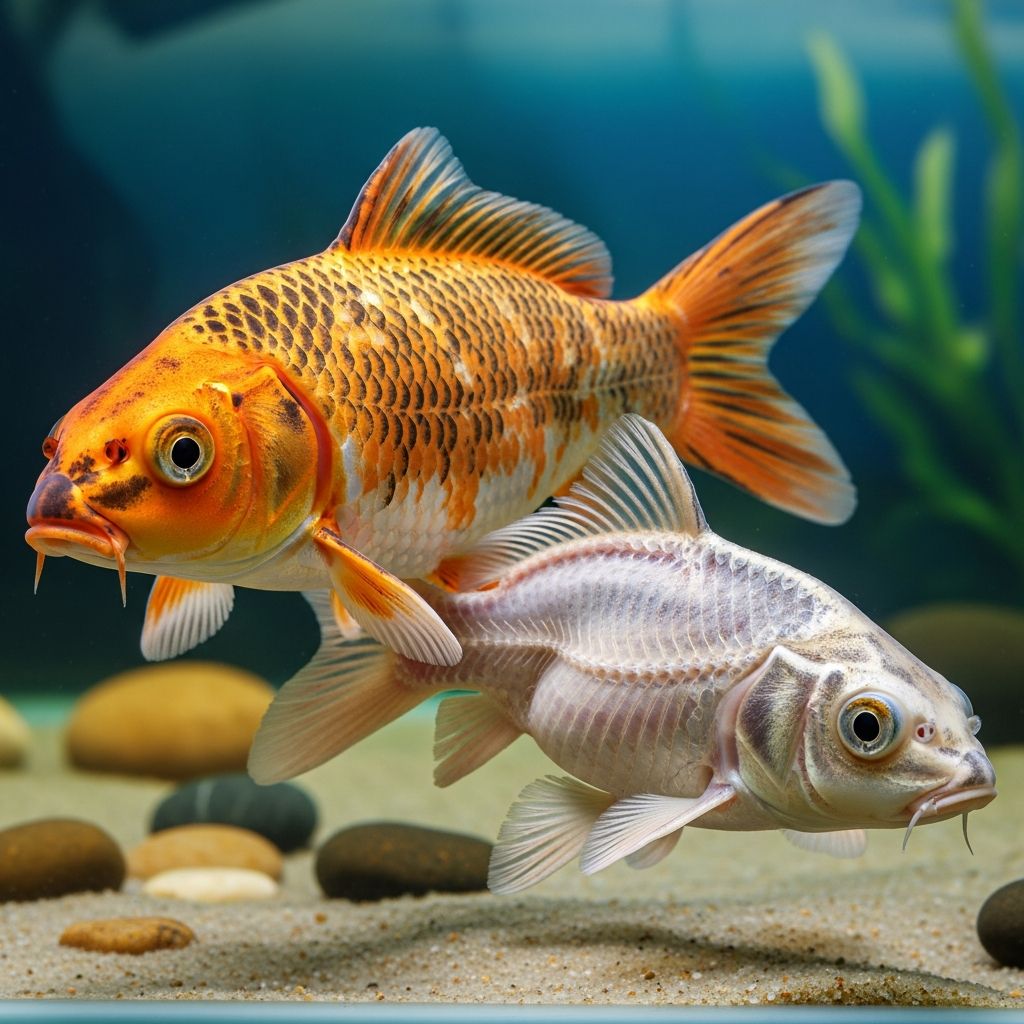
Aquarium fish rely entirely on their owners for proper nutrition, and imbalances can trigger a cascade of health problems ranging from skeletal deformities to organ failure. Inadequate diets compromise growth rates, weaken defenses against pathogens, and disrupt essential bodily functions, ultimately shortening lifespans. This comprehensive guide delves into the primary nutritional disorders affecting both freshwater and marine species, offering practical advice drawn from veterinary science to maintain thriving tanks.
Understanding the Impact of Poor Nutrition on Fish Physiology
Nutritional shortcomings manifest in multiple ways, often overlapping with environmental stressors. Fish deprived of key nutrients experience stunted development, where juveniles fail to reach expected sizes, and adults show diminished vigor. Immune suppression is a critical consequence, making fish vulnerable to opportunistic infections that exacerbate underlying weaknesses. Metabolic pathways falter without sufficient vitamins and minerals, leading to fat accumulation in the liver—a condition known as hepatic lipidosis—that impairs detoxification and energy production.
- Slowed growth: Juveniles lag behind peers, exhibiting thin bodies and underdeveloped fins.
- Deformities: Curved spines and malformed cartilage become evident over time.
- Organ stress: Enlarged livers filled with lipids signal chronic dietary neglect.
Beyond physical changes, behavioral shifts like lethargy and appetite loss signal distress, prompting immediate dietary audits.
Vitamin C Shortfalls: The Hidden Cause of Spinal Deformities
Ascorbic acid, or vitamin C, is indispensable for collagen synthesis in fish, directly influencing connective tissue integrity. Unlike mammals, fish cannot synthesize this vitamin internally, necessitating consistent dietary provision in stable forms to withstand processing and storage. Deficiency triggers “broken back syndrome,” characterized by pronounced scoliosis where the spine bends dramatically, rendering affected fish unable to swim effectively.
Subtler signs include gill cartilage deformities visible under microscopic examination at 10x magnification, alongside fin ray fractures and operculum distortions. Affected individuals often display sunken abdomens, spinal lordosis, and hemorrhagic lesions, compounding mobility issues. Prevention hinges on supplementing feeds with L-ascorbyl-2-polyphosphate, a heat-stable variant that retains potency through pelleting and extrusion.
| Symptom | Severity Level | Intervention |
|---|---|---|
| Extreme scoliosis | Severe | Immediate vitamin-enriched feeding |
| Bent gill cartilage | Moderate | Dietary supplementation |
| Sunken belly | Mild | Varied high-vitamin foods |
Hobbyists should dissolve pure ascorbic acid in tank water and mist dry feeds, ensuring even distribution while minimizing waste.
Iodine Deficiency and Thyroid Dysfunction in Aquatic Species
Iodine is vital for thyroid hormone production, regulating metabolism and development in both elasmobranchs like sharks and teleosts such as tropical fish. Shortages lead to thyroid hyperplasia, where the gland enlarges abnormally, disrupting growth and osmoregulation. This issue arises not only from dietary gaps but also from tank conditions like elevated nitrates or ozone treatments that bind iodine, rendering it unavailable.
Symptoms include goiter-like swellings in the throat region, lethargy, and reproductive failures. In severe cases, fish exhibit poor scale adhesion and fin erosion. Addressing this requires iodized feeds or additives, particularly for marine setups prone to chemical interferences. Regular monitoring of water chemistry prevents secondary deficiencies.
Essential Fatty Acids and Fat-Soluble Vitamin Imbalances
Omega-3 and omega-6 fatty acids underpin membrane fluidity and hormone signaling in fish. Imbalances, often from overreliance on grain-based feeds, provoke inflammation and poor wound healing. Vitamin E deficiency, a common companion, manifests as muscle degeneration and oxidative damage, with fish showing pale muscles and erratic swimming.
Vitamin A shortages cause exophthalmia and skin sloughing, while excess leads to toxicity with bulging eyes and hemorrhages. Balanced lipid profiles in feeds, incorporating fish oils and algae, mitigate these risks. Storage practices are crucial; rancid lipids accelerate lipodosis, where livers swell with undigested fats, causing opacity and abdominal distension.
Minerals and Trace Elements: Overlooked Culprits in Fish Disorders
Calcium-phosphorus ratios dictate bone health; discrepancies yield soft skeletons and lordosis. Magnesium deficits provoke convulsions, while zinc shortages impair immunity, inviting bacterial invasions. Selenium and manganese support antioxidant defenses, their absence correlating with fin rot and gill hyperplasia.
In soft water environments, mineral leaching exacerbates issues, necessitating remineralized feeds. Trace element cocktails tailored to species—higher copper for marine fish—prevent anomalies like short snouts and opercular erosion seen in deficient populations.
Lipid Metabolism Disorders: From Overfeeding to Liver Failure
Excessive fatty feeds or spoiled trash fish induce hepatic lipidosis, with livers turning yellow and enlarged. Fish grow lethargic, eyes clouding as energy diverts to fat storage. Preventive measures include feed rotation, avoiding high-lipid diets post-spawning, and ensuring aerobic conditions to burn reserves.
Strategies for Optimal Fish Nutrition in Home Aquariums
Formulate diets matching species needs: carnivores demand proteins above 40%, herbivores fiber-rich algae. Thaw frozen foods thoroughly to avert intestinal gas buildup, and discard moldy batches harboring aflatoxins—potent carcinogens causing tumors.
- Vary offerings: flakes, pellets, live brine shrimp, spirulina.
- Supplement weekly with vitamin soaks.
- Feed sparingly: what they consume in 2-3 minutes daily.
Quarantine new fish and test water parameters to rule out confounders mimicking nutritional woes.
Diagnosing Nutritional Issues Versus Infectious Diseases
Deformities from vitamin gaps resemble bacterial dropsy, with fluid-filled bellies and protruding scales. Differentiate via history: chronic poor feeding versus acute stress. Lab analysis of gill clips confirms cartilage bends unique to ascorbic acid lacks, while cultures detect Aeromonas.
Case Studies: Real-World Recovery from Diet Deficiencies
In one documented tank, goldfish displayed curved spines from vitamin C-poor flakes; switching to ascorbate-enriched pellets reversed early scoliosis within weeks. Another marine exhibit suffered thyroid goiters from ozone overuse—iodine dosing restored hormone balance. These underscore proactive nutrition’s role.
FAQs on Fish Nutritional Health
What are the first signs of vitamin deficiency in fish?
Lethargy, color fading, fin holes, and spine curvature signal shortages, often with breathing difficulties.
Can overfeeding cause nutritional diseases?
Yes, excess fats lead to liver lipidosis and obesity-related disorders.
How do I supplement vitamin C safely?
Use stabilized forms in feeds; avoid pure acid in water to prevent pH drops.
Are live foods always better?
No, infected live prey transmit pathogens; source reputably.
Which fish are most prone to iodine issues?
Elasmobranchs and marine teleosts in treated systems.
Long-Term Prevention for Sustainable Aquariums
Invest in quality feeds from reputable suppliers, log feeding regimes, and observe weekly for anomalies. Annual veterinary consults for breeding stock ensure generational health. By prioritizing nutrition, aquarists foster resilient populations resistant to diseases.
References
- Nutritional Diseases of Fish — Merck Veterinary Manual. 2023. https://www.merckvetmanual.com/exotic-and-laboratory-animals/aquarium-fish/nutritional-diseases-of-fish
- Nutritional Diseases of Fish — MSD Veterinary Manual. 2023. https://www.msdvetmanual.com/exotic-and-laboratory-animals/aquarium-fish/nutritional-diseases-of-fish
- Nutritional Disorders in Fish — PetMD. 2023. https://www.petmd.com/fish/conditions/digestive/c_fi_Nutritional_Disorders
- Chapter 5. Nutritional Diseases — SEAFDEC Repository. 2010. https://repository.seafdec.org.ph/bitstream/handle/10862/1707/ch05-nutritional-diseases.pdf?sequence=1&isAllowed=y
- The most common diseases affecting aquarium fish — ZOLUX. 2023. https://en.zolux.com/tips-from-the-pros/common-diseases-fish
Similar Articles








Read full bio of medha deb


