

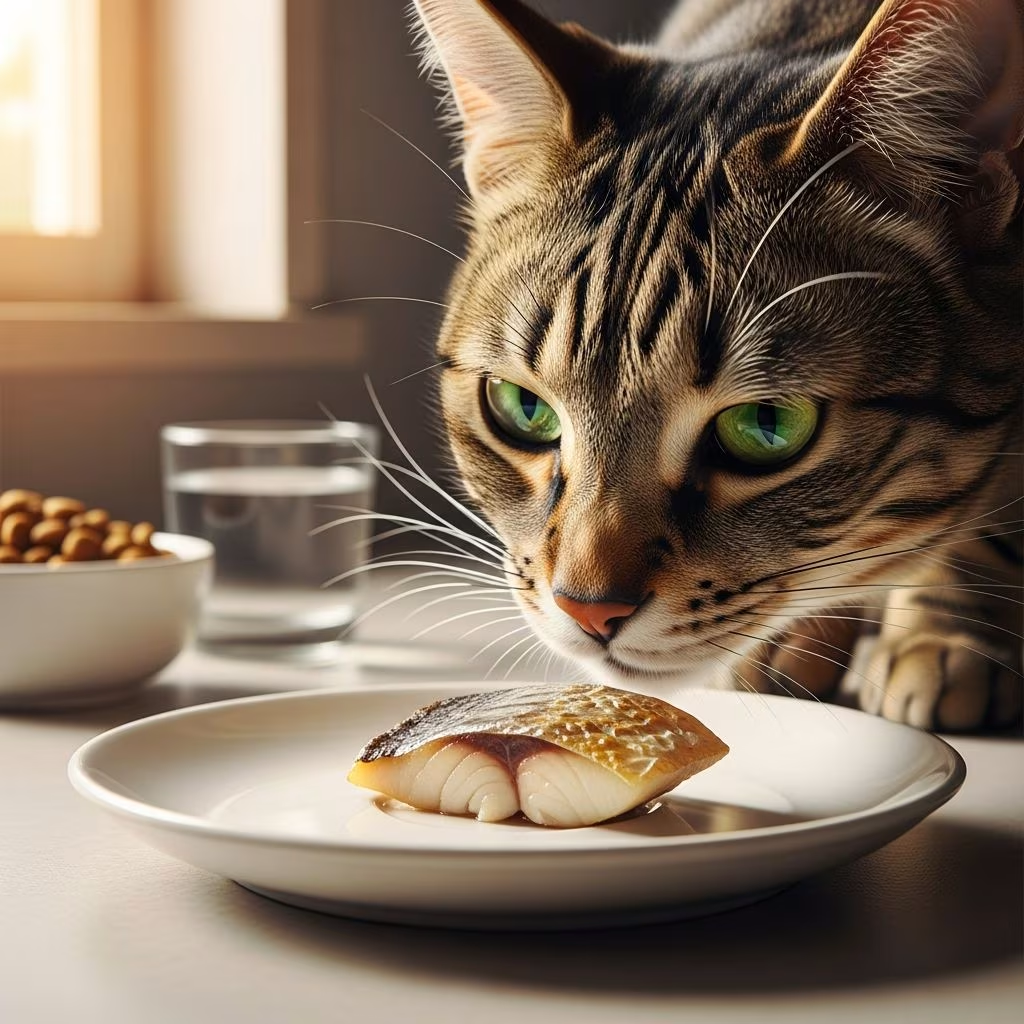
Fish offers cats high-quality protein and essential fatty acids, but it must be fed carefully to avoid nutritional imbalances and toxins.
Why Cats Are Drawn to Fish
Cats’ affinity for fish stems from its strong aroma and palatability, mimicking their ancestral hunting instincts for watery prey. This preference makes fish a popular treat choice, yet it requires moderation within a complete diet.
Nutritional Advantages of Fish in Feline Diets
Fish provides lean proteins vital for muscle maintenance, alongside omega-3 fatty acids that promote heart health, reduce inflammation, and enhance cognitive function.
- Omega-3 Fatty Acids: Found abundantly in salmon and tuna, these support joint mobility, eyesight, and immune response, particularly beneficial for senior cats.
- Protein Quality: Easily digestible sources like cod and haddock deliver amino acids for energy and tissue repair.
- Skin and Coat Health: Oils from fish nourish the dermis, minimizing dryness and yielding lustrous fur.
These nutrients also aid hydration when incorporated into wet foods, countering cats’ low thirst drive and supporting kidney function.
Potential Health Hazards of Fish Consumption
Despite benefits, fish poses risks including thiamine breakdown in raw forms, heavy metal accumulation, and mineral imbalances.
| Risk | Description | Affected Fish Types |
|---|---|---|
| Thiamine Deficiency | Raw fish enzymes destroy vitamin B1, risking neurological issues like seizures. | Herring, cod |
| Mercury Toxicity | Bioaccumulates in predators, harming kidneys and nervous system over time. | Tuna (large species) |
| Calcium-Phosphorus Imbalance | Whole fish lacks sufficient calcium relative to phosphorus, straining bones and kidneys. | Most whole fish |
| Bacterial/Parasitic Infection | Raw consumption risks pathogens like Salmonella. | Uncooked shellfish, general raw fish |
Excess polyunsaturated fats from oil-packed fish can trigger pansteatitis, an inflammatory condition.
Safe Fish Varieties for Cats
Select low-mercury, contaminant-free options prepared properly. Prioritize cooked over raw for safety.
- Salmon: Rich in omega-3s for heart and vision; freeze raw for 3 days minimum.
- Cod: Low mercury, supports immunity and brain health.
- Sardines: In water only, high in taurine and protein; avoid oil or brine.
- Trout: Packed with selenium and potassium, low contaminants.
- Haddock: Vitamin-rich, ensure plain preparation.
- Prawns/Shrimp: Taurine source, but lightly cook to eliminate bacteria.
Avoid anchovies in salt, smoked herring, and high-mercury tuna as staples.
Preparation Methods to Minimize Dangers
Cooking neutralizes thiaminase enzymes; steaming preserves nutrients without added fats.
- Thaw frozen raw fish in fridge.
- Remove bones, skin if scaly, and cut into small pieces to prevent choking.
- Cook via steaming or baking; skip oils, salts, onions, or garlic.
- Limit to 10% of diet; balance with commercial or vet-approved foods.
For supplements, fish oil provides omega-3s sans risks, dosed per vet guidance.
Fish in Commercial Cat Foods
Reputable brands formulate fish-inclusive kibble or wet foods with balanced minerals and vitamins, mitigating raw fish pitfalls.
Opt for products listing fish first, avoiding fillers or by-products. Broth-based wet varieties enhance hydration.
Recognizing and Addressing Fish-Related Issues
Watch for allergy signs: itching, vomiting, diarrhea. Allergies manifest as gastrointestinal upset or skin reactions.
- Symptoms: Hair loss, ear infections, chronic scratching.
- Solution: Switch proteins; consult vet for hypoallergenic diets.
Overfeeding fish may cause urinary crystals from high magnesium or phosphorus imbalances.
Ideal Frequency and Portion Guidelines
Treat fish as an occasional add-in, not daily fare. Kittens and active adults tolerate more; seniors or kidney-compromised cats need less.
- Adults: 1-2 times weekly, 1-2 oz portions.
- Kittens: Sparingly, prioritize growth formulas.
- Seniors: Low-phosphorus fish, vet-monitored.
Frequently Asked Questions
Can cats eat raw fish?
No, raw fish risks thiamine loss and infections; cook or freeze adequately.
Is canned tuna safe for cats?
In water and moderation, yes; avoid oil-packed or frequent feeding due to mercury.
What about fish skin for cats?
Nutrient-dense in small amounts, but ensure no sharp scales and monitor fat intake.
Does fish cause allergies in cats?
Possible, though uncommon; symptoms include digestive or dermatological issues.
Can fish replace other proteins entirely?
No, variety prevents deficiencies; use as supplement.
Alternatives for Omega-3 Benefits
If skipping fish, add vet-approved supplements or foods with flaxseed, algae oil, or chicken-salmon blends.
Maintain a varied diet for comprehensive nutrition, consulting professionals for tailored plans.
References
- Eight Strikes Against Fishy Feeding for Cats — Cat Nutrition. 2023. https://catnutrition.org/lil-bite-of-the-day-fishy-feeding/
- Can cats eat raw fish? — Bella+Duke. 2024. https://www.bellaandduke.com/cats/expert-advice/cat-nutrition/can-cats-eat-raw-fish/
- From Ocean to Bowl: How Tuna & Salmon Support Cat Health — PetKrewe. 2024. https://petkrewe.com/blogs/trends/from-ocean-to-bowl-how-tuna-salmon-support-cat-health-naturally
- What Can Cats Not Eat? — Purina. 2025. https://www.purina.com/articles/cat/feeding/can-cats-eat/what-can-cats-not-eat
- A Vet’s Guide to the Risks and Benefits of Feeding Fish to Cats — Holistic Vet Blend. 2024. https://holisticvetblend.com/blogs/news/should-cats-eat-fish-a-vets-guide-to-the-risks-and-benefits-of-feeding-fish-to-your-feline-friend



