Fish Bowl Cleaning Guide: 5 Easy Steps For Crystal-Clear Bowls
Master the art of fish bowl maintenance to ensure your aquatic pets thrive in a pristine environment with our detailed step-by-step instructions.
Fish Bowl Cleaning Guide
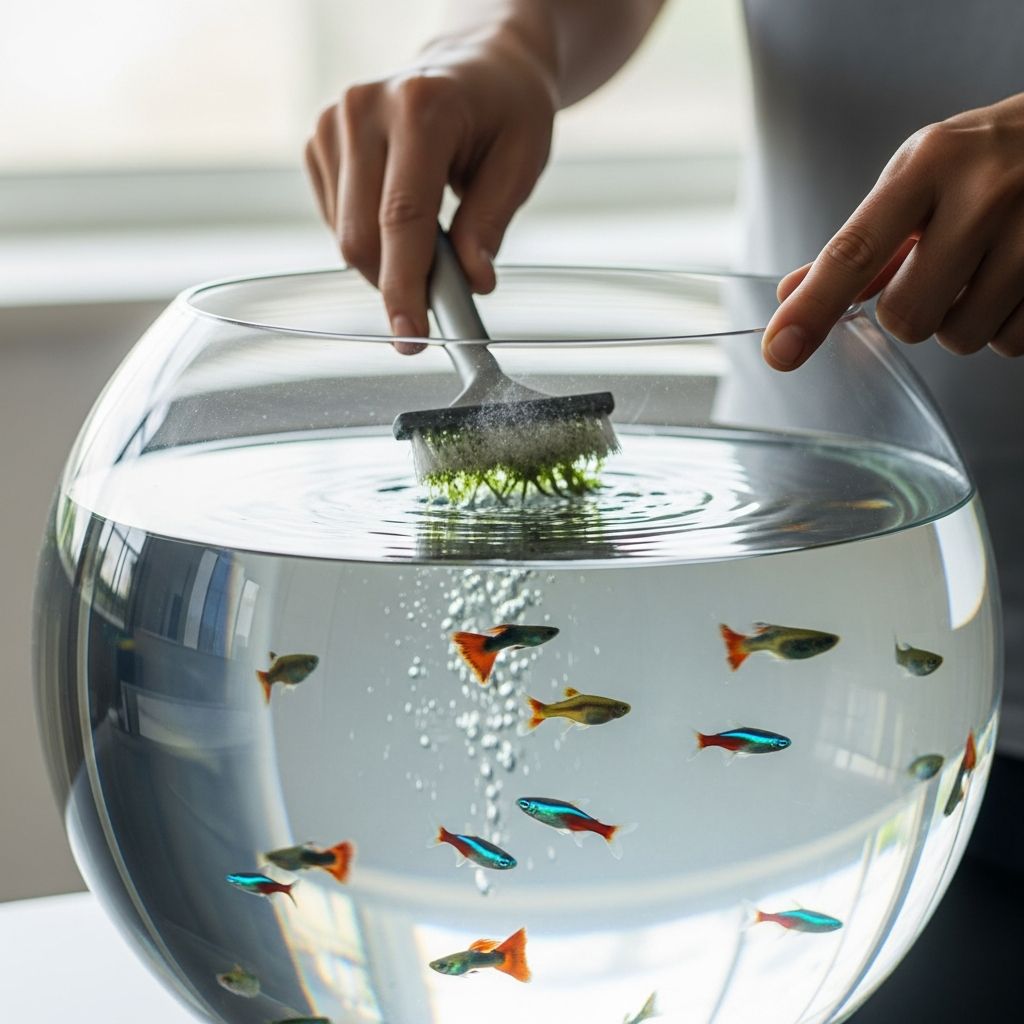
Proper maintenance of a fish bowl is crucial for the health and longevity of your fish. Unlike larger aquariums with filtration systems, fish bowls require frequent manual cleaning to manage waste buildup, algae growth, and water quality. This comprehensive guide outlines safe practices to refresh your fish’s environment without disrupting the delicate biological balance.
Understanding Fish Bowl Dynamics
Fish bowls lack mechanical filters, so waste from fish, uneaten food, and decaying plant matter quickly degrade water conditions. Regular cleaning prevents ammonia spikes, nitrite accumulation, and oxygen depletion that can harm species like goldfish or bettas. Aim for weekly or bi-weekly sessions depending on bowl size and fish load, always prioritizing minimal stress to inhabitants.
Essential Tools for Effective Cleaning
Gather these items before starting to streamline the process:
- Dedicated aquarium sponge or soft scrubber (never used with soap)
- Gravel vacuum or siphon hose for substrate debris
- Dechlorinator (water conditioner) to neutralize tap water chemicals
- Clean buckets for holding fish and dirty water
- Aquarium-safe algae scraper or toothbrush for decor
- Test strips for ammonia, nitrite, and pH monitoring
- Towels for spills and paper towels for exterior wiping
These tools ensure thorough cleaning without introducing toxins. For instance, a sponge filter cleaner helps maintain beneficial bacteria on gravel and rocks.
Pre-Cleaning Preparation Steps
Before handling the bowl, test water parameters using strips to confirm issues like high nitrates or low oxygen. Turn off any heaters or bubblers if present, and prepare dechlorinated water at room temperature matching the bowl’s conditions—around 60-70°F for cold-water fish like goldfish.
Secure a safe holding area: net the fish gently into a bucket with some original bowl water to preserve bacteria exposure. Avoid abrupt temperature changes, as they shock fish metabolism.
Step-by-Step Bowl Cleaning Process
- Drain Partial Water: Remove 60-75% of the water using a siphon, leaving gravel moist. This discards most waste while retaining some beneficial microbes.
- Scrub Interior Surfaces: Dip the dedicated sponge in dechlorinated water and gently wipe algae from glass or plastic walls. For stubborn spots, use an algae scraper, taking care not to gouge the surface.
- Vacuum Substrate: Stir gravel lightly to loosen debris, then siphon it out. Aim to clean one-third to half the bottom material per session to avoid complete bacterial wipeout.
- Rinse Decorations: Remove rocks, plants, or hides. Swirl in a bucket of tank water (no tap water initially) to dislodge waste. For thorough cleaning, boil plain gravel briefly or scrub with a toothbrush and aquarium salt solution.
- Exterior Wipe-Down: Dry outside surfaces with a clean towel to prevent smudges and bacterial transfer.
Handling Gravel and Substrate
Gravel traps feces and food remnants, fostering anaerobic bacteria if uncleaned. Never boil painted or dyed rocks, as heat strips sealants, leaching toxins. Instead, rinse in hot tank water multiple times. For heavy soiling, soak in a vinegar solution (1:10 ratio) for calcium deposits, then triple-rinse.
| Substrate Type | Cleaning Method | Precautions |
|---|---|---|
| Plain Gravel | Boil or siphon vacuum | Preserves bacteria |
| Dyed Rocks | Brush with salt water | Avoid heat |
| Sand | Gentle siphon stir | Prevent clouding |
Cleaning Decorations and Plants
Ornaments and live plants harbor algae and detritus. Use a soft toothbrush dipped in hot water with aquarium salt (1 tablespoon per gallon) for scrubbing crevices. Rinse repeatedly in dechlorinated water. For plants, prune dead leaves first, then soak; replace if heavily fouled to eliminate disease risk.
Pro tip: Dedicated tools prevent cross-contamination from household cleaners, which retain residues lethal to fish even after rinsing.
Refilling and Water Conditioning
Replace removed water with treated tap water: add dechlorinator per instructions to eliminate chlorine/chloramine, which kill beneficial bacteria. Fill to 75-80% capacity for optimal oxygen exchange—full bowls suffocate fish. Match temperature precisely and slowly acclimate the fish by floating the holding bucket for 15 minutes.
Post-refill, test parameters again. Ideal ranges: pH 6.8-7.6, ammonia/nitrite 0 ppm, nitrates under 40 ppm.
Weekly Maintenance Schedule
Consistency beats intensity. Follow this routine:
- Daily: Check water clarity, feed sparingly, remove visible waste.
- Weekly: 25-50% water change, glass scrape, filter media rinse (if applicable).
- Bi-weekly: Deep gravel clean, decor boil/scrub.
- Monthly: Full equipment inspection, parameter tests.
Adjust for fish count; overstocked bowls need more frequent attention.
Common Mistakes to Avoid
Avoid these pitfalls for fish safety:
- Using soap or household cleaners—traces persist and poison fish.
- Complete water changes—strips all nitrogen cycle bacteria, causing crashes.
- Hot or cold shocks—always temper water.
- Ignoring algae—let it overrun, worsening oxygen levels.
- Forgetting dechlorinator—chlorine kills gills instantly.
Advanced Tips for Crystal Clear Bowls
For spotless results, incorporate algae-eating snails or shrimp if compatible. Use dim LED lighting to curb growth. Swish sponge filters in old tank water weekly to refresh bio-media without tap water harm. Polish exteriors with aquarium glass cleaner post-cleaning for a professional shine.
Frequently Asked Questions (FAQs)
How often should I clean a fish bowl?
Every 5-7 days for small bowls with one fish; more frequently if cloudy or odorous.
Can I use a dishwasher for fish bowls?
Yes, for plain glass/plastic bowls—run 2-3 no-soap cycles with heat dry, then rinse thoroughly.
Is vinegar safe for cleaning?
Diluted vinegar removes scale safely on non-porous items; rinse extensively.
What if my fish seems stressed after cleaning?
Check parameters, ensure acclimation, and reduce change volume next time.
Are fish bowls suitable long-term?
Limited surface area hampers health; consider upgrading to filtered tanks.
Long-Term Fish Health Benefits
Diligent cleaning sustains stable parameters, reducing disease susceptibility. Healthy bowls promote vibrant colors, active swimming, and extended lifespans—goldfish can reach 10+ years with proper care. Monitor for signs like lethargy or fin rot, addressing via extra changes.
References
- Cleaning Bowls & Stuff — Nippyfish.net. 2017-05-10. https://nippyfish.net/2017/05/10/cleaning-bowls-stuff/
- How to Properly Clean Your Fish Tank — Aquarium Co-Op. N/A. https://www.aquariumcoop.com/blogs/aquarium/aquarium-cleaning
- Aquarium Cleaning Checklist — Aqueon. N/A. https://www.aqueon.com/articles/aquarium-cleaning-checklist
- Fish Keeping Tip Sheets — Aquarium Adventure. N/A. http://www.aquariumadventure.com/AquariumAdventureTipSheet4.htm
- How to Clean a Fish Bowl — eHowPets (YouTube Transcript). 2015-05-26. https://www.youtube.com/watch?v=iB867C7r1U4
Similar Articles





Read full bio of medha deb