Fish Bowl Care: Comprehensive Guide For Stress-Free Aquariums
Master the essentials of fish bowl maintenance for healthy, thriving aquatic pets with proven daily routines and setup tips.
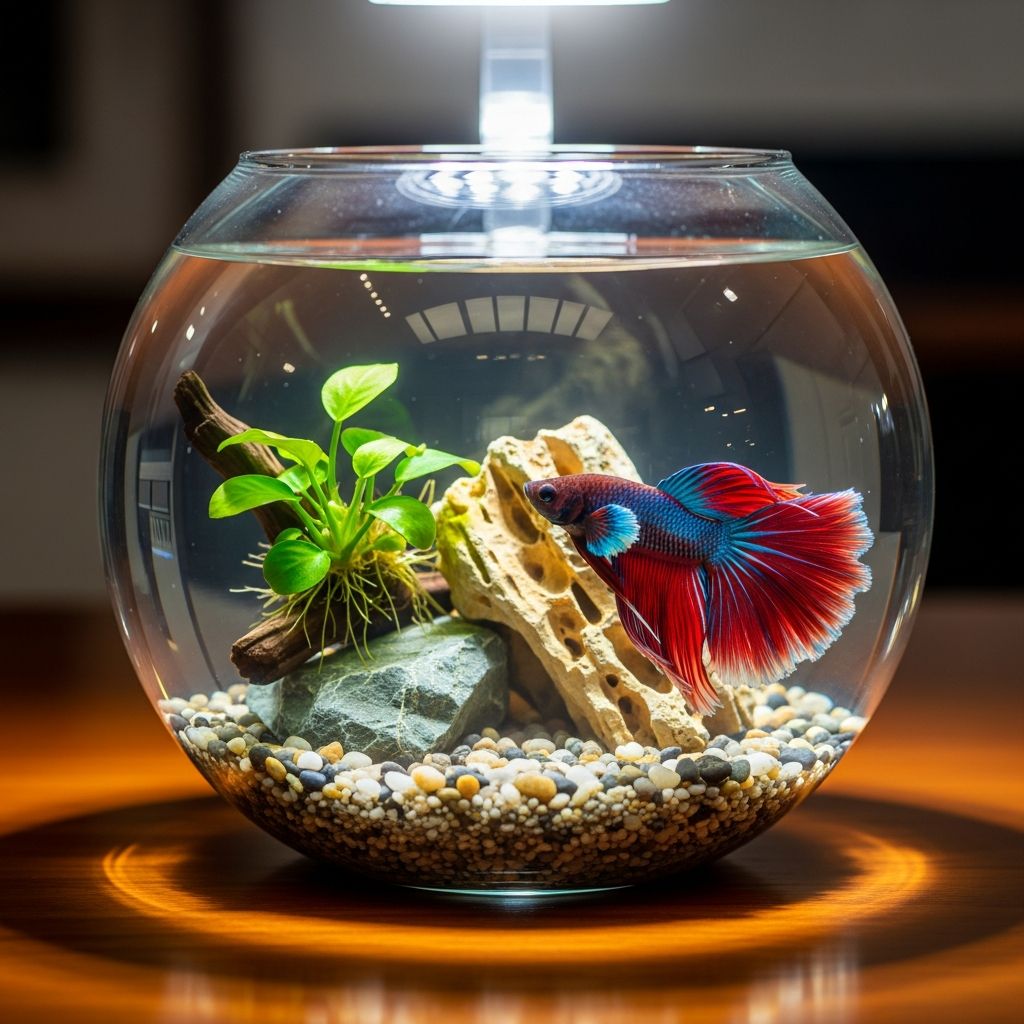
Fish Bowl Care Guide
Keeping fish in a bowl requires diligent attention to water quality, space limitations, and species needs to prevent stress and health problems. This guide outlines everything from initial setup to ongoing maintenance for success in compact aquatic environments.
Why Fish Bowls Demand Special Attention
Fish bowls lack built-in filtration, making them prone to rapid toxin buildup from waste and uneaten food. Limited surface area reduces oxygen exchange, while small volumes amplify temperature swings. Proper management mimics natural conditions to support fish vitality.
Selecting the Right Fish Bowl and Accessories
Opt for bowls at least 12 inches in diameter to provide adequate swimming space, though larger is preferable for stability. Avoid tiny globes under 1 gallon, as they cannot sustain life long-term.
- Essential items: Medium-sized gravel (rinsed thoroughly), live or silk plants for bacteria colonization and aesthetics, water conditioner, thermometer, and optional air stone with pump.
- Leave 2-3 inches of air gap at the top to facilitate gas exchange.
- Position on a flat, stable surface away from direct sun, drafts, or heat sources to maintain steady temperatures around 70-75°F for most species.
Ideal Fish Species for Bowls
Not all fish suit bowls; prioritize hardy, low-waste species that tolerate confinement. Overcrowding exacerbates issues, so limit to one small fish or compatible invertebrates.
| Species | Size | Care Notes |
|---|---|---|
| Bet ta Fish | 2-3 inches | Labyrinth breather; dim lighting; no aggressive tankmates. |
| Goldfish (small varieties) | 3-6 inches | Daily maintenance intensive; upgrade ASAP; cooler water. |
| Guppies | 1-2 inches | Peaceful; breed readily; monitor ammonia closely. |
| Shrimp (e.g., Cherry) | 1 inch | Low bioload; avoid with fin-nippers. |
Avoid goldfish in bowls smaller than 10 gallons long-term due to their waste production and growth.
Step-by-Step Bowl Setup Process
Prepare meticulously to establish a stable environment from day one.
- Clean components: Rinse bowl, gravel, and decor with warm tap water; no soap.
- Add substrate: Layer 1-2 inches of medium gravel to host beneficial bacteria.
- Incorporate plants: Use established plants transferred from cycled tanks for instant biofiltration.
- Fill with treated water: Mix to 70-75°F, add conditioner to neutralize chlorine/chloramine, and optional aquarium salt (1/2 tsp per gallon for stress relief).
- Install aeration: Add air pump and stone if possible to boost oxygen without filter.
- Acclimate fish: Float bag 15-20 minutes, then gradually mix water over 30 minutes; add extra conditioner.
Maintaining Pristine Water Quality
Water changes are the cornerstone of bowl care, as waste accumulates quickly without filtration.
- Perform 25-50% changes every 2-3 days; daily 20% for high-bioload fish like goldfish.
- Match new water temperature and treat identically.
- Vacuum gravel lightly during changes to remove debris without disturbing bacteria.
- Test for ammonia/nitrite weekly; zero levels ideal. Plants aid the nitrogen cycle by absorbing nitrates.
For the first week, daily 50% changes stabilize parameters while bacteria colonize surfaces.
Optimal Feeding Strategies
Overfeeding is the top killer in bowls; feed sparingly to minimize waste.
- Once daily, 15-20 pellets or what fish eats in 1-2 minutes.
- Use sinking food for bottom-dwellers; vary diet with flakes, frozen brine shrimp weekly.
- Skip feeding if water clouds quickly post-meal.
Goldfish: Cooler water slows metabolism; feed less in winter.
Lighting and Temperature Control
Stable conditions prevent stress-induced diseases.
- Light: Dim, indirect 8-10 hours daily; avoid bright LEDs to prevent algae and jumping.
- Cover: Plastic wrap or lid reduces evaporation and jump-outs.
- Temp: 70-75°F; no heater needed for bowls unless in cold climates—monitor with thermometer.
Daily and Weekly Routines
Consistency yields healthy fish.
| Frequency | Tasks |
|---|---|
| Daily | Observe behavior; 20-50% water change; feed once; check temp/oxygen. |
| Every 2-3 Days | 50% water change; gravel vacuum; wipe algae. |
| Weekly | Test water parameters; deep clean decor; supplement bacteria if needed. |
Health Monitoring and Troubleshooting
Spot issues early: Gasping indicates low oxygen—add air stone or change water. Fin rot or lethargy signals poor quality—ramp up changes.
- Algae: Reduce light; add algae-eaters sparingly.
- Cloudiness: Bacteria bloom—frequent changes; don’t overclean.
- Stress signs: Hiding, clamped fins—review compatibility/loading.
Quarantine new additions; treat ich with salt baths if needed.
Long-Term Success and Upgrades
Bowls suit temporary housing; transition to filtered tanks (10+ gallons) for growth. Established plants/gravel transfer easily.
Frequently Asked Questions (FAQs)
Can goldfish live in a bowl?
Short-term with rigorous care, but not ideal—daily changes required; aim for larger tanks.
How often to change fish bowl water?
25-50% every 2-3 days minimum; daily for active species.
Do fish bowls need filters?
No, but air pumps help; rely on changes and plants.
What plants are best for fish bowls?
Java moss, Anubias, or floating plants for nutrient uptake and cover.
Is a heater necessary?
Usually not for room-temp species; maintain 70-75°F.
References
- An Overview of Fish Bowls — RateMyFishTank. 2023. https://www.ratemyfishtank.com/blog/an-overview-of-fish-bowls
- The Ultimate Guide to Keep Goldfish in a Bowl Successfully — YouTube (Aquarium Co-Op). 2022-10-15. https://www.youtube.com/watch?v=shMTTJoh_MQ
- Caring for Your Goldfish Care Sheet — Pet Advocacy. 2022-01. https://petadvocacy.org/wp-content/uploads/2022/01/Goldfish-Care-Sheet.pdf
- Fish Tanks 101 — Fish Bowl Pet. 2024. https://fishbowlpet.com/pages/fish-tanks-101
- How To Set Up A FISHBOWL The RIGHT Way! | No Filter — YouTube (Aquarium Co-Op). 2020-05-20. https://www.youtube.com/watch?v=Rzp7aGohoJg
Similar Articles



Read full bio of Sneha Tete