
Fischer’s Lovebird: Personality, Food & Care Guide
Complete guide to Fischer's lovebird care, diet, personality traits, and behavioral characteristics for pet owners.
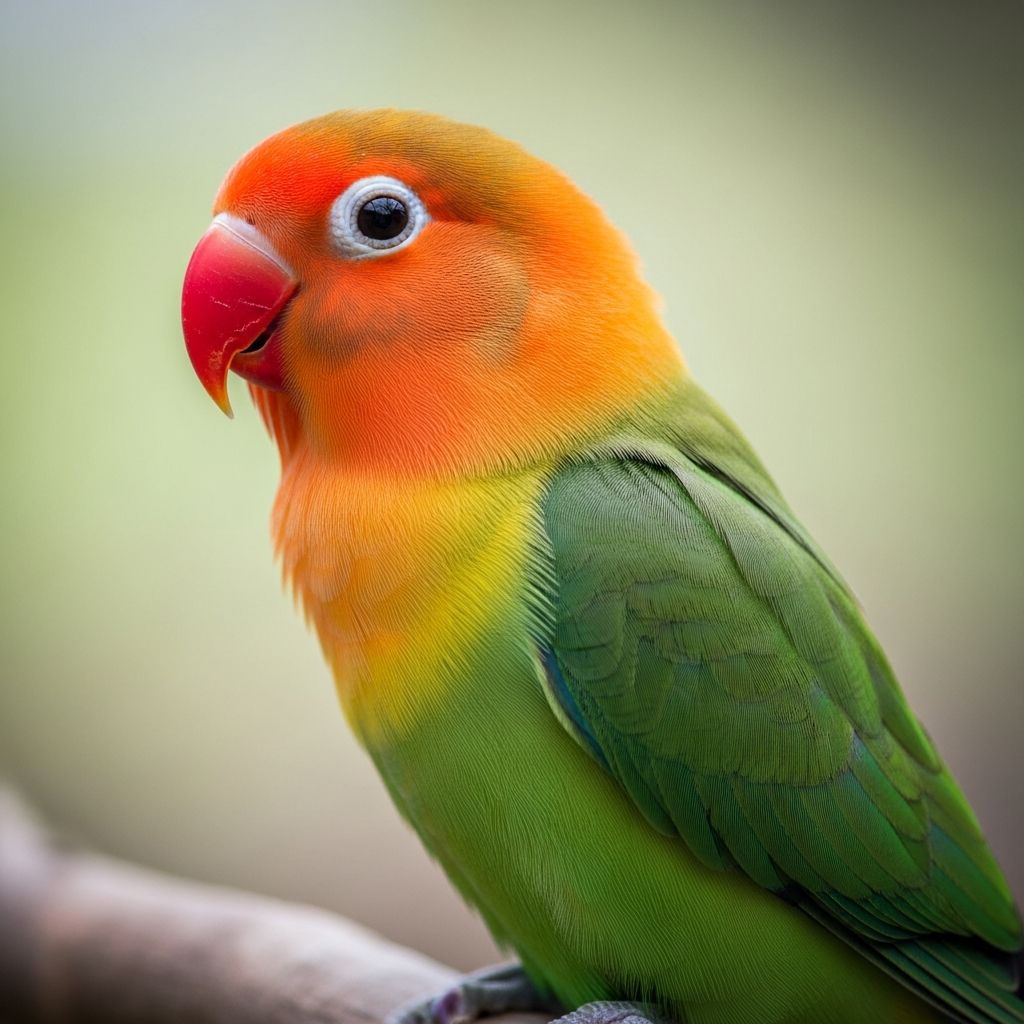
Fischer’s Lovebird: A Complete Pet Care Guide
The Fischer’s lovebird stands as one of the most captivating small parrot species available to dedicated pet enthusiasts. While not as widely recognized as the peach-faced lovebird, the Fischer’s species possesses an equally charming and engaging personality that has earned it a devoted following among avian lovers. Native to central Africa, these remarkable birds have become prolific in captivity, with domestically bred specimens readily available through pet shops and specialized breeders. Understanding the unique characteristics, care requirements, and behavioral traits of Fischer’s lovebirds is essential for anyone considering these energetic companions.
What Is a Fischer’s Lovebird?
Fischer’s lovebirds, scientifically known as Agapornis fischeri, represent a small parrot species that originated in the woodlands and forest edges of sub-Saharan Africa. These birds were originally discovered during the late 19th century and have since become one of the most popular lovebird species in the pet trade. The Fischer’s lovebird occupies the second position in popularity among lovebird species, closely following only the peach-faced variety.
One of the distinctive physical characteristics of Fischer’s lovebirds is the presence of prominent white eye rings that distinguish them from many other parrot species. This feature, shared with the masked, black-cheeked, and Nyasa lovebirds, gives them a characteristic “wide-eyed” appearance that many people find endearing. These compact birds typically weigh between 45 to 70 grams, making them ideal for owners with limited space while still providing the interactive companionship larger birds offer.
From a conservation perspective, Fischer’s lovebirds are classified as Near-Threatened by the International Union for Conservation of Nature and Natural Resources, placing them one step closer to Endangered status than several other lovebird species. This designation underscores the importance of responsible captive breeding and proper care practices among pet owners.
Personality and Behavioral Characteristics
Fischer’s lovebirds are renowned for their bold, inquisitive, and curious nature. Despite their small size, these birds exhibit personality traits that belie their diminutive stature. They are seemingly always on the go, engaging in activities that keep them mentally and physically stimulated throughout the day. The Fischer’s species tends to be gentler than other lovebird varieties, particularly when housed in aviary environments where they can express their natural behaviors.
Among lovebird breeders and experienced handlers, there exists some debate regarding the temperament of Fischer’s lovebirds. While some experts suggest that Fischer’s lovebirds are more aggressive than their peach-faced counterparts, others report that they are calm, laid-back, and less vocal than peach-faced varieties. This variation in observations likely stems from individual bird personalities and the quality of early socialization and handling each bird receives.
The famous term “lovebird” originates from the remarkable bonds that these birds form with their mates. Fischer’s lovebirds mate for life, and when separated from their partners, both individuals experience physical and mental health deterioration. In the wild, these are highly social birds that live in flocks among woodlands and savannah regions. This strong pair-bonding instinct has significant implications for potential owners.
Single versus Paired Lovebirds
Many people mistakenly believe that lovebirds must be kept in pairs based on photographs showing two birds cuddled closely together. While lovebirds undoubtedly form deep bonds with their mates, potential owners should be aware that a paired lovebird duo will likely focus exclusively on each other and show minimal interest in human interaction.
A single Fischer’s lovebird requires considerable human attention and interaction to thrive emotionally and psychologically. These birds need extensive social engagement with the people in their lives, coupled with enrichment through toys and safe items to chew and destroy. Females can become particularly defensive of their territory, especially their cage space, so proper training and socialization from an early age prove essential for maintaining a well-adjusted pet.
Speech, Sound, and Vocalization
Fischer’s lovebirds are notably chatty birds that spend much of their day singing and whistling. They become especially vocal during dawn and dusk hours, which mirrors their natural behavior in the wild. While lovebirds are not renowned for their talking ability or clear speech articulation like larger parrots, their songs are generally pleasant and musical compared to many other companion parrot species.
It is important to note that Fischer’s lovebirds are less loud than some other lovebird varieties. They produce frequent chirping and cheeping sounds rather than the harsh screaming vocalizations typical of larger parrots. However, their noise level increases substantially during pre-mating rituals and breeding activities.
The more Fischer’s lovebirds an owner acquires, the noisier the collective group becomes, as these flocking birds naturally communicate with one another throughout the day. Prospective owners in noise-sensitive environments should carefully consider their living situation and tolerance for frequent vocalizations before committing to these social birds.
Housing and Environmental Requirements
Like most birds, Fischer’s lovebirds require substantial exercise opportunities and adequate housing to maintain physical and psychological health. Owners should provide the largest cage their budget and available space can accommodate. This recommendation cannot be overstated—lovebirds confined to small cages without freedom to exercise often develop neurotic behaviors and may engage in self-mutilating habits, such as feather plucking.
Environmental temperature is another crucial consideration for Fischer’s lovebird care. While healthy birds can tolerate a range of temperatures, household temperatures between 70-80°F (21-27°C) are generally acceptable. Owners should aim to mimic the bird’s natural environment as closely as possible while maintaining consistency.
Within their enclosure, Fischer’s lovebirds should have access to numerous toys, perches of varying diameters, and enrichment items that encourage foraging and natural behaviors. These intelligent birds enjoy investigating their surroundings and have demonstrated an ability to figure out escape routes from cages and find hiding places where they may become stuck.
Diet and Nutrition
Proper nutrition forms the foundation of a Fischer’s lovebird’s health and longevity. The best feeding option consists of formulated diets that provide all essential nutrients in appropriate proportions. Formulated diets prevent birds from selectively eating only their preferred food items while neglecting important nutrients.
Variety remains crucial to maintaining a bird’s interest and ensuring comprehensive nutritional intake. Formulated diets should be supplemented with bird-safe vegetables, fruits, and appropriate table foods—always excluding foods with sauces or seasonings that may be harmful. Before introducing any new food, owners should consult with an avian veterinarian to ensure appropriateness and safety.
Lafeber offers several nutritionally balanced options specifically designed for lovebirds. Nutri-Berries and Avi-Cakes, available in various flavors, provide premium balanced nutrition while incorporating different shapes, textures, and ingredients that increase interactive feeding behavior. This nutritious foraging approach promotes superior physical and mental health outcomes compared to simple seed diets.
Lifespan and Health Considerations
Fischer’s lovebirds typically live between 12 and 15 years in captivity, though some individuals have been reported to live considerably longer. The mean life expectancy is documented at 15 years, with some birds reaching up to 30 years with exceptional care.
These birds reach sexual maturity between 6 to 12 months of age. Understanding their reproductive timeline is important for breeders and those considering breeding pairs. Female lovebirds lay an average of 2 to 6 eggs, with incubation lasting 18 to 24 days. Chicks fledge at approximately 30 to 35 days of age and reach weaning age between 45 to 55 days.
Fischer’s lovebirds exhibit normal physiologic values including a resting heart rate of 206-274 beats per minute and respiration rate of 50-60 breaths per minute. Understanding these baseline values helps owners and veterinarians identify when health concerns may be present.
Behavioral Traits and Handling
Fischer’s lovebirds are assertive birds that require daily handling to maintain their “pet quality” and prevent behavioral problems. These intelligent and inquisitive birds enjoy investigating their surroundings and interacting with their environment. They are avid chewers with strong, powerful beaks capable of destroying various materials.
Interestingly, Fischer’s lovebirds enjoy “preening” their owners’ hair and clothing, though their strong beaks can cause unintended damage to fabric, buttons, watches, and jewelry. This behavior reflects their natural grooming instincts but requires management to prevent destruction of personal items.
Female lovebirds are generally considered more aggressive than males, though both genders can become excellent pets with patience and proper training techniques. Birds that were hand-fed and handled as chicks prove significantly easier to tame than those captured from the wild or raised without early human socialization.
Building Nests and Breeding Behavior
When breeding, Fischer’s lovebirds exhibit fascinating nest-building behaviors. These birds will drag nesting materials into their designated nest box, where the female carefully weaves a tunnel-like nest structure. Some breeding females become extremely protective of their nesting areas and may abandon the nest if handlers attempt to check on babies, requiring owners to respect their privacy during the breeding cycle.
Frequently Asked Questions
Q: How long do Fischer’s lovebirds typically live?
A: Fischer’s lovebirds generally live between 12 to 15 years, with some individuals reaching 30 years with exceptional care and proper nutrition.
Q: Can Fischer’s lovebirds learn to talk?
A: While Fischer’s lovebirds are not known for their talking ability like larger parrots, they do sing and whistle pleasantly throughout the day, making charming vocal companions.
Q: Are Fischer’s lovebirds suitable for apartment living?
A: While smaller than many parrots, Fischer’s lovebirds are quite vocal during dawn and dusk. They may be acceptable in apartments if owners can tolerate moderate noise levels and provide adequate exercise space.
Q: What is the minimum cage size for a Fischer’s lovebird?
A: Owners should provide the largest cage their budget and space allow. Small cages without exercise opportunities lead to neurotic behavior and self-mutilation. Flight cages or aviaries are ideal.
Q: Should Fischer’s lovebirds be kept in pairs?
A: While Fischer’s mate for life and form strong bonds, paired birds often ignore their owners. Single birds require substantial daily human interaction and enrichment to thrive emotionally.
Q: How do I provide proper nutrition for my Fischer’s lovebird?
A: Use formulated diets as the foundation, supplemented with bird-safe vegetables and fruits. Lafeber Nutri-Berries and Avi-Cakes provide balanced nutrition while encouraging natural foraging behavior.
Conclusion
Fischer’s lovebirds represent remarkable companion birds that reward dedicated owners with years of interactive friendship and engaging personality. Their energetic nature, charming vocalizations, and loyal companionship make them appealing to serious bird enthusiasts. Successfully keeping a Fischer’s lovebird requires commitment to proper housing, comprehensive nutrition, regular social interaction, and understanding of their natural behaviors and needs. With appropriate care and attention, these small parrots can thrive for 15 years or more, providing their owners with a deeply rewarding avian companionship experience.
References
- Fischer’s Lovebird Personality, Food & Care – Pet Birds by Lafeber Co. — Lafeber Company. Accessed 2025-11-28. https://lafeber.com/pet-birds/species/fischers-lovebird/
- Fischer’s lovebird — Wikipedia. Updated 2025. https://en.wikipedia.org/wiki/Fischer%27s_lovebird
- Basic Information Sheet: Lovebird — LafeberVet, Lafeber Company. Accessed 2025-11-28. https://lafeber.com/vet/basic-information-sheet-for-the-lovebird/
- Lovebird Personality, Food & Care – Pet Birds by Lafeber Co. — Lafeber Company. Accessed 2025-11-28. https://lafeber.com/pet-birds/species/lovebird/
- All About Lovebirds — Chewy. Accessed 2025-11-28. https://www.chewy.com/education/bird/lovebird/all-about-lovebirds
- Lovebirds Care Sheet — PetMD. Accessed 2025-11-28. https://www.petmd.com/bird/lovebirds-care-sheet
Similar Articles








Read full bio of Sneha Tete


