
First Time Leaving Two Dogs Home Alone
Master the art of safely leaving your two dogs alone for the first time with proven training tips and expert strategies to prevent anxiety and ensure peace of mind.
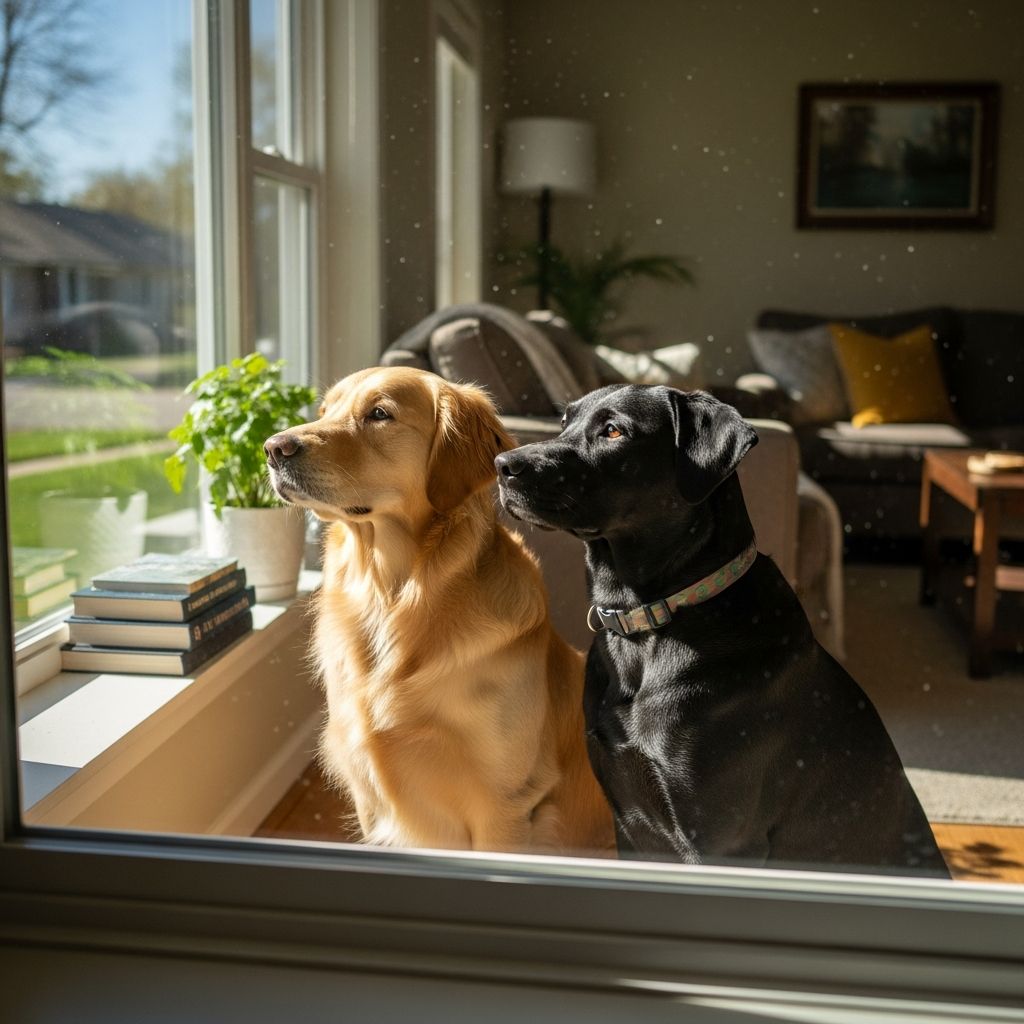
Leaving two dogs alone together for the first time requires careful planning to ensure their safety, comfort, and well-being. This guide provides a comprehensive approach to preparation, training, and monitoring, drawing on veterinary and behavioral best practices to help multi-dog households transition smoothly.
Understanding Dynamics in Multi-Dog Households
When managing two dogs, their individual personalities and inter-dog relationship play crucial roles. One dog might be confident and independent, while the other could be more clingy or prone to anxiety. Observing their interactions during your presence reveals potential issues like resource guarding or bullying that could escalate when unsupervised.
Start by assessing compatibility. Do they play well, share toys, or rest calmly near each other? If tensions exist, separate spaces may be necessary initially. House training both dogs is foundational—accidents from stress can damage trust in the alone routine.
Building a Secure Environment for Both Dogs
Create dedicated zones tailored to two dogs. A spacious, puppy-proofed area like a gated kitchen or laundry room allows movement without access to hazards. Provide separate beds, water bowls, and food stations to minimize competition.
- Essentials checklist: Fresh water in stable bowls, chew toys, puzzle feeders for mental stimulation.
- Safety measures: Remove cords, small objects, toxic plants; use baby gates for confinement if needed.
- Comfort enhancers: Unwashed clothing with your scent offers reassurance via familiar smells.
For pairs, include interactive toys they enjoy together, like tug ropes, but monitor via camera to ensure play stays friendly. Background noise from a radio or white noise machine simulates normal household sounds, reducing isolation feelings.
Gradual Desensitization: Step-by-Step Training Protocol
Desensitization prevents separation anxiety by associating your departures with positive experiences. Begin indoors to build confidence before venturing out.
- Short separations at home: Ask both dogs to settle in their zones with treats. Step into another room for 1-5 minutes, returning calmly without fanfare.
- Extend time gradually: Increase to 10-30 minutes over days, rewarding quiet behavior upon return.
- Introduce doorway departures: Open the front door, step out briefly, then return. Vary durations unpredictably to normalize the event.
- Progress to outdoor absences: Start with a neighborhood walk (5 minutes), building to errands (30-60 minutes). Always exercise first to tire them out.
Train independently if one dog shows distress—practice alone time for each to avoid pack reinforcement of anxiety. Use long-lasting treats like stuffed Kongs released only during absences.
Exercise and Mental Enrichment Strategies
Physical and mental fatigue is key. A pre-departure routine of walks, fetch, or training games ensures dogs are ready to relax.
| Activity Type | Duration | Benefits for Two Dogs |
|---|---|---|
| Vigorous Walk/Run | 30-45 min | Burns energy, allows sniffing together, toilet opportunities |
| Training Games | 15 min | Builds focus, rewards calm settling |
| Puzzle Toys | Ongoing | Separate feeders prevent rivalry, sustains engagement |
| Chew Sessions | 20+ min | Reduces stress chewing on furniture |
Rotate toys to maintain novelty. For duos, provide paired activities like dual sniff mats to promote cooperative calm.
Monitoring Progress with Technology and Observation
Visual oversight is invaluable, especially with two dogs. Use pet cameras (e.g., apps like Zoom on a tablet) to watch live feeds from your phone. Note behaviors: pacing, barking, or harmonious napping indicate success or issues.
- Signs of comfort: Sleeping, playing mildly, relaxed postures.
- Red flags: Excessive vocalizing, destructive chewing, one dog hiding—shorten absences immediately.
Review footage post-return without reacting emotionally. If problems persist beyond a month, consult a vet or certified behaviorist.
Common Pitfalls and How to Avoid Them
Avoid these errors to prevent setbacks:
- Dramatic exits/entries: Stay neutral—excitement amplifies anxiety.
- Rushing progression: If distress appears at 10 minutes, revert to 5.
- Punishing mishaps: Destruction stems from panic, not spite—never scold.
- Over-reliance on crating: Only if pre-conditioned positively; forced isolation worsens fear.
For multi-dog homes, watch for inter-dog aggression spikes during stress. Separate if needed until tolerance builds.
Alternatives for Extended Absences
While building independence, use support for longer outings:
- Dog walkers or daycare 1-2 days weekly breaks routines positively.
- Pet sitters for check-ins, especially if one dog needs individual attention.
- Friends/family for playdates, enhancing socialization.
Never exceed 4 hours initially; adults tolerate 6-8 max, puppies far less.
FAQs: Leaving Two Dogs Alone
Q: How long before leaving two dogs for 2 hours?
A: 1-2 weeks of gradual training, monitoring comfort at each step.
Q: What if one dog bullies the other when alone?
A: Separate zones initially; train parallel alone time before reuniting unsupervised.
Q: Can music help anxious dogs?
A: Yes, calming playlists or familiar sounds reduce stress.
Q: Is separation anxiety common in pairs?
A: Yes, but training mitigates it; watch for pack-amplified symptoms.
Q: What age to start alone training?
A: Puppies from 8-12 weeks; adults immediately post-adoption.
Long-Term Success Tips
Incorporate alone time daily. Vary routines to build resilience. Regular vet check-ups rule out medical anxiety causes. Celebrate milestones—treats for calm returns reinforce positivity.
With consistency, your dogs will thrive unsupervised, granting you freedom without worry.
References
- Tips For Leaving Your Puppy Alone For The First Time — Clackamas Pet Clinic. 2023-12-30. https://www.clackamaspetclinic.com/site/blog/2023/12/30/leave-puppy-alone
- Leaving a Puppy Alone at Home for the First Time: How to Prepare — Douglasville VH. 2022-11-29. https://www.douglasvillevh.com/site/blog/2022/11/29/leaving-puppy-alone-home
- Tips For Leaving Your Dog Home Alone For The First Time — Beco Pets. N/A. https://www.becopets.com/blogs/news/tips-for-leaving-your-dog-home-alone
- How to help your dog get used to spending time alone — Dogs Trust. N/A. https://www.dogstrust.org.uk/dog-advice/training/home/time-alone
- Avoiding Separation Anxiety in Newly Adopted Dogs — A Canine Affinity. N/A. https://www.acanineaffinity.com/blog/avoiding-separation-anxiety-in-newly-adopted-dogs-how-to-introduce-alone-time-15
- Training your dog to be left alone — RSPCA. N/A. https://www.rspca.org.uk/adviceandwelfare/pets/dogs/training/leftalone
- Leaving your dog home alone (a guilt-free guide) — Animal Humane Society. N/A. https://www.animalhumanesociety.org/resource/leaving-your-dog-home-alone-guilt-free-guide
Similar Articles








Read full bio of medha deb




