

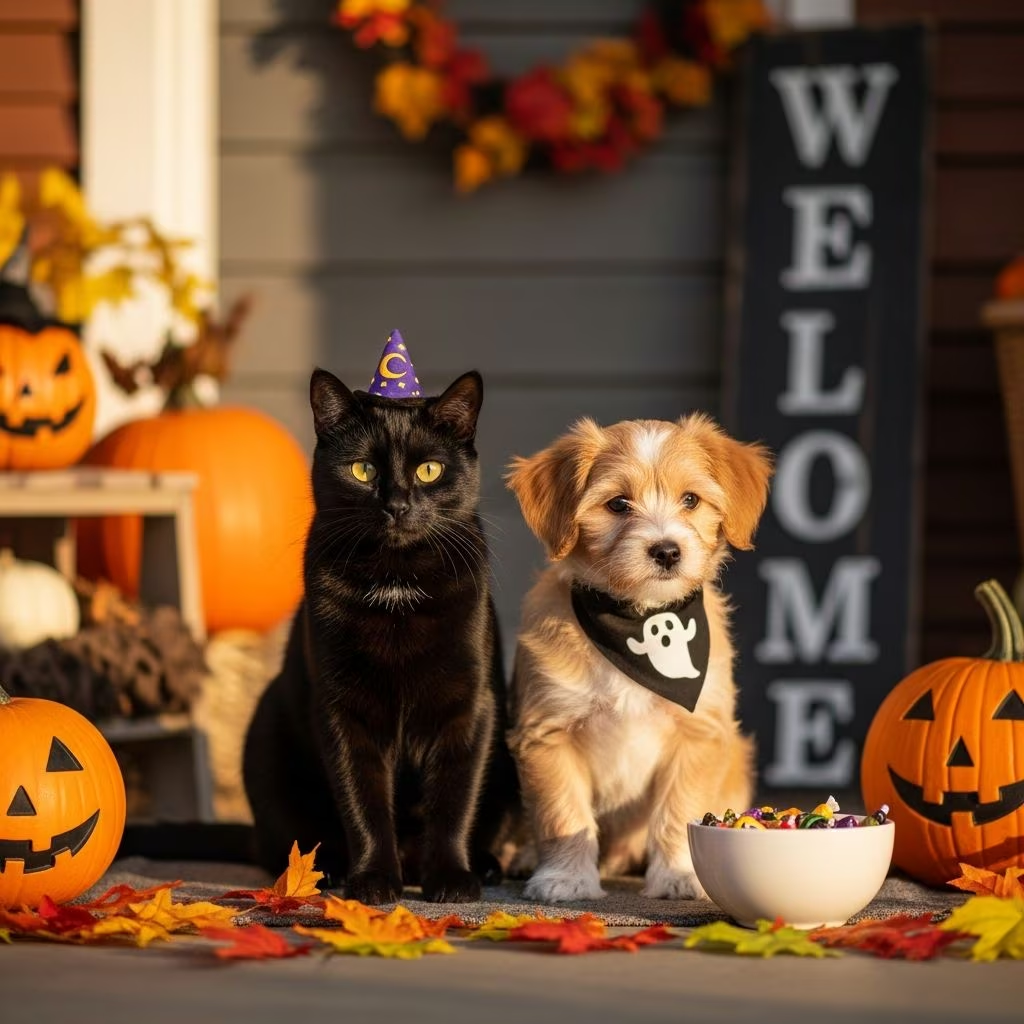
So It’s Your First Halloween With Your New Pet? Keep These Safety Tips in Mind
Halloween is an exciting time of year, filled with costumes, decorations, and trick-or-treaters. However, for new pet owners, the holiday season can present unexpected challenges and dangers. Your beloved new cat may not be accustomed to the hustle and bustle of Halloween festivities, and the various decorations and treats scattered around your home can pose serious health risks. Understanding these potential hazards and implementing proper safety measures is essential to ensure your feline companion has a safe and stress-free Halloween experience.
Understanding Halloween Hazards for Cats
Halloween introduces several unique dangers that don’t exist during other times of the year. From toxic candy to frightening costumes and open doors, the holiday creates an environment that can be stressful and potentially harmful for cats. New pet owners especially need to be aware of these risks, as they may not yet be familiar with their cat’s behavioral patterns or health sensitivities. By recognizing these hazards early, you can take proactive steps to protect your pet and ensure a safe holiday season.
Keep Candy and Chocolate Away From Your Cat
One of the most dangerous aspects of Halloween for cats is the abundance of candy and chocolate throughout the home. Many popular Halloween treats contain ingredients that are highly toxic to felines, with chocolate being particularly lethal. Even small amounts of chocolate can cause serious health complications, including vomiting, diarrhea, rapid breathing, and in severe cases, cardiac arrhythmias or death.
Beyond chocolate, artificial sweeteners like xylitol, commonly found in sugar-free candies and treats, can be extremely poisonous to cats. These substances can cause rapid insulin release, leading to hypoglycemia and liver damage. To protect your cat, ensure that candy bowls are stored in secure locations completely out of reach, preferably in locked cabinets or high shelves. During trick-or-treating hours, keep a close eye on dropped candy and immediately clean up any pieces that fall to the floor. If you suspect your cat has ingested toxic candy or chocolate, contact your veterinarian or the Animal Poison Control Center at 888-426-4435 immediately.
Create a Safe Space Away From the Door
The constant opening and closing of doors during Halloween, combined with the arrival of costumed strangers, can be incredibly stressful for your new pet. Cats may become frightened by unfamiliar people, sudden loud noises from the doorbell, and the general commotion of the evening. This stress can lead to cats attempting to escape outdoors, which is particularly dangerous for indoor cats unfamiliar with outdoor environments.
The best solution is to create a designated safe room where your cat can retreat during peak trick-or-treating hours. Set up this space with all the essentials your cat needs: food, fresh water, a clean litter box, comfortable bedding, and favorite toys. Choose a quiet room away from the front door and main living areas where your cat can have uninterrupted peace. To further reduce stress, consider playing soft music or running a fan to mask unfamiliar sounds from outside. You might also cover your doorbell with a decoration or place a sign asking visitors to knock instead of ringing, which can significantly reduce the sudden startling sounds that frighten cats.
Be Cautious With Halloween Decorations
Halloween decorations, while festive and fun for humans, can pose multiple hazards to curious cats. Several popular decorative items require careful handling or should be avoided altogether:
Candles and Jack-O’-Lanterns
Lit candles inside carved pumpkins create a beautiful ambiance but represent a serious fire and burn hazard. Cats are naturally drawn to the flickering flames and may attempt to investigate, potentially tipping over the pumpkin or catching their fur or whiskers in the flame. This can result in burns or, worse, start a house fire. Instead of using traditional candles, opt for battery-operated flickering tea lights that provide the aesthetic appeal without the danger. Never leave your cat unattended in a room with lit jack-o’-lanterns, and ensure pumpkins are placed in secure locations where they cannot be knocked over.
Fake Cobwebs and Decorations
Fake spider webbing and other hanging decorations may seem harmless, but they pose a serious ingestion hazard. If your cat chews on or swallows fake cobwebs, they can cause intestinal obstructions that may require surgical intervention. Keep all decorative items, including garlands, fake webs, and hanging ornaments, securely fastened and out of your cat’s reach. Supervise your cat when decorations are present, and opt for cat-safe alternatives when possible.
Fairy Lights and Electrical Hazards
Fairy lights and other electrical decorations can pose electrocution risks if your cat chews on the cords or bulbs. Keep all electrical decorations properly secured and away from areas where your cat frequents. Consider using protective cord covers or keeping electrical items in areas your cat cannot access.
Reconsider Halloween Costumes for Cats
While it may be tempting to dress up your new cat in an adorable Halloween costume, this practice is generally not recommended unless your cat has demonstrated a genuine comfort with wearing clothing. Most cats find costumes stressful and restrictive, which can cause anxiety, fear responses, or attempts to escape.
If you absolutely must dress your cat in a costume, follow these important guidelines:
- Ensure the costume fits properly and does not restrict movement in any way
- Verify that the costume does not interfere with breathing, vision, hearing, or the ability to smell
- Avoid costumes that cover or obstruct the cat’s ears, eyes, nose, or mouth
- Do not use costumes with elastic materials that could constrict circulation
- Keep the costume on for only a brief period, just long enough for photos, then remove it immediately
- Never allow a costumed cat out of sight, as they may become caught on something or accidentally ingest part of the costume
- Avoid costumes with small detachable parts that could be chewed off and swallowed, creating a choking hazard
A creative alternative is to digitally add Halloween costumes to your cat’s photos after the fact, allowing you to enjoy the festive aesthetic without stressing your pet. You could also celebrate by creating Halloween-themed cat toys or crafting a pumpkin decoration to look like a cat.
Update Your Cat’s Identification
Before Halloween arrives, ensure that your cat’s identification is current and accurate. This includes checking that your cat’s microchip information is up to date with your current contact details. If your cat somehow escapes during the chaos of Halloween night, proper identification dramatically increases the chances of being reunited with your pet. In addition to a microchip, your cat should wear a collar with current ID tags that display your phone number. Consider adding a reflective collar as well, which can help your cat be more visible to cars if they venture outdoors at night.
Pumpkins and Other Seasonal Produce
While plain pumpkin can be beneficial for cats in small amounts as part of their regular diet, decorative pumpkins left outside can become problematic. As outdoor pumpkins begin to rot, they can harbor bacteria and mold that may cause illness in both cats and wildlife. Additionally, ingesting raw or cooked pumpkin in large quantities can cause gastrointestinal distress in cats. Keep decorative pumpkins in good condition and dispose of them properly when they begin to deteriorate. If you want to safely involve your cat in Halloween fun, consider making homemade cat-safe Halloween pumpkin treats using plain, unseasoned pumpkin puree.
Managing Stress and Anxiety
Beyond the physical hazards, Halloween can create significant stress and anxiety for cats, particularly those new to your home who are still adjusting to their environment. The unusual activity, noises, and unfamiliar people can trigger stress responses that manifest as behavioral changes, loss of appetite, or inappropriate elimination. Watch for signs of stress in your cat, including hiding, excessive vocalization, aggressive behavior, or changes in eating or litter box habits.
To minimize stress, maintain your cat’s regular routine as much as possible during Halloween week. Keep feeding times, playtime, and sleep schedules consistent. Provide extra attention and reassurance to your cat during the day when the house is calm. Use positive reinforcement and treats to create positive associations with staying in their safe room during the evening festivities.
Special Considerations for Black Cats
Unfortunately, black cats face particular risks during Halloween due to harmful superstitions and occasional instances of animal cruelty. Some people seek out black cats for pranks or worse intentions during this time of year. This makes it especially important to keep black cats indoors during Halloween and the days surrounding the holiday. Ensure your black cat remains safely inside your home, and if your cat is an outdoor cat, keep them confined indoors on Halloween night and surrounding days for their protection.
Frequently Asked Questions About Halloween Pet Safety
Q: What should I do if my cat eats Halloween candy?
A: Contact your veterinarian or the Animal Poison Control Center immediately at 888-426-4435. Provide information about what your cat ate and when. Do not wait for symptoms to appear; prompt veterinary care is essential, especially if chocolate or xylitol was ingested.
Q: Is it safe to leave my cat alone during Halloween?
A: It’s best to avoid leaving your cat alone during Halloween festivities. Even if you’re not celebrating at home, fireworks and neighborhood commotion may occur. If you must leave, ensure your cat is in their safe room with all necessities provided and consider having a trusted friend or pet sitter check on them.
Q: How can I tell if my cat is stressed by Halloween activities?
A: Signs of stress include hiding, excessive vocalization, loss of appetite, changes in litter box behavior, or uncharacteristic aggression. If you notice these signs, ensure your cat has immediate access to their safe space and reduce their exposure to Halloween stimuli.
Q: Can I use essential oils or other anxiety aids for my cat?
A: Before using any anxiety aids, supplements, or essential oils, consult with your veterinarian. Some common items can be toxic to cats. Your vet can recommend safe options like pheromone diffusers or other calming products appropriate for your specific cat.
Q: What if my cat escapes during Halloween?
A: If your cat escapes, immediately contact local animal shelters, veterinary clinics, and animal control to report them missing. Post on local social media groups and neighborhood apps. Check nearby hiding spots where frightened cats often take shelter. Having an updated microchip and ID tags significantly increases the chances of recovery.
Q: Are there any Halloween decorations that are cat-safe?
A: Yes, battery-operated lights, non-flammable decorations, and items your cat cannot chew or knock over are safe options. Avoid decorations with small parts, candles, fake webbing, and items that could be ingested.
Conclusion: Enjoy Halloween Safely With Your New Pet
Your first Halloween with a new pet doesn’t have to be stressful or dangerous. By implementing these safety measures—securing candy and dangerous items, creating a safe retreat space, avoiding costumes, and protecting your cat from decorative hazards—you can ensure your feline companion enjoys a peaceful holiday while you celebrate safely. Remember that the goal is not to eliminate all fun but to balance festive celebration with responsible pet care. Your new cat will adjust better to their home environment when they feel safe and secure, and a calm Halloween experience sets a positive tone for future holidays. Take time to pet-proof your home, prepare a comfortable safe space, and prioritize your cat’s well-being throughout the season. With thoughtful preparation and attention to these guidelines, you and your new pet can both have a wonderful, safe, and happy Halloween.
References
- How to Keep Your Cat Safe During Halloween — Blue Cross. 2023-10-20. https://www.bluecross.org.uk/advice/cat/wellbeing-and-care/how-to-keep-your-cat-safe-during-halloween
- 7 Tips for a Cat-Safe Halloween — AKC Reunite. https://www.akcreunite.org/cat-safe-halloween/
- Cat Safety on Halloween – It’s not that Scary! — Feline Behavior Solutions. https://felinebehaviorsolutions.com/cat-safety-on-halloween/
- Keeping Your Cat Safe at Halloween — Pet Assure. https://www.petassure.com/new-newsletters/keeping-your-cat-safe-at-halloween/
- Halloween Safety Tips For Cats And Dogs: Keeping Your Pets Safe During Spooky Season — Eastern Animal Hospital. https://easternanimalhospital.com/blog/halloween-safety-tips-for-cats-and-dogs-keeping-your-pets-safe-during-spooky-season/
- 6 Halloween Safety Tips for Cats — Alley Cat Allies. https://www.alleycat.org/resources/halloween-safety-tips-for-cats/
- Halloween Safety Tips for Pets — Kimberling Animal Hospital. https://kimberlingvet.com/pet-tips/halloween-safety-tips-pets/



