

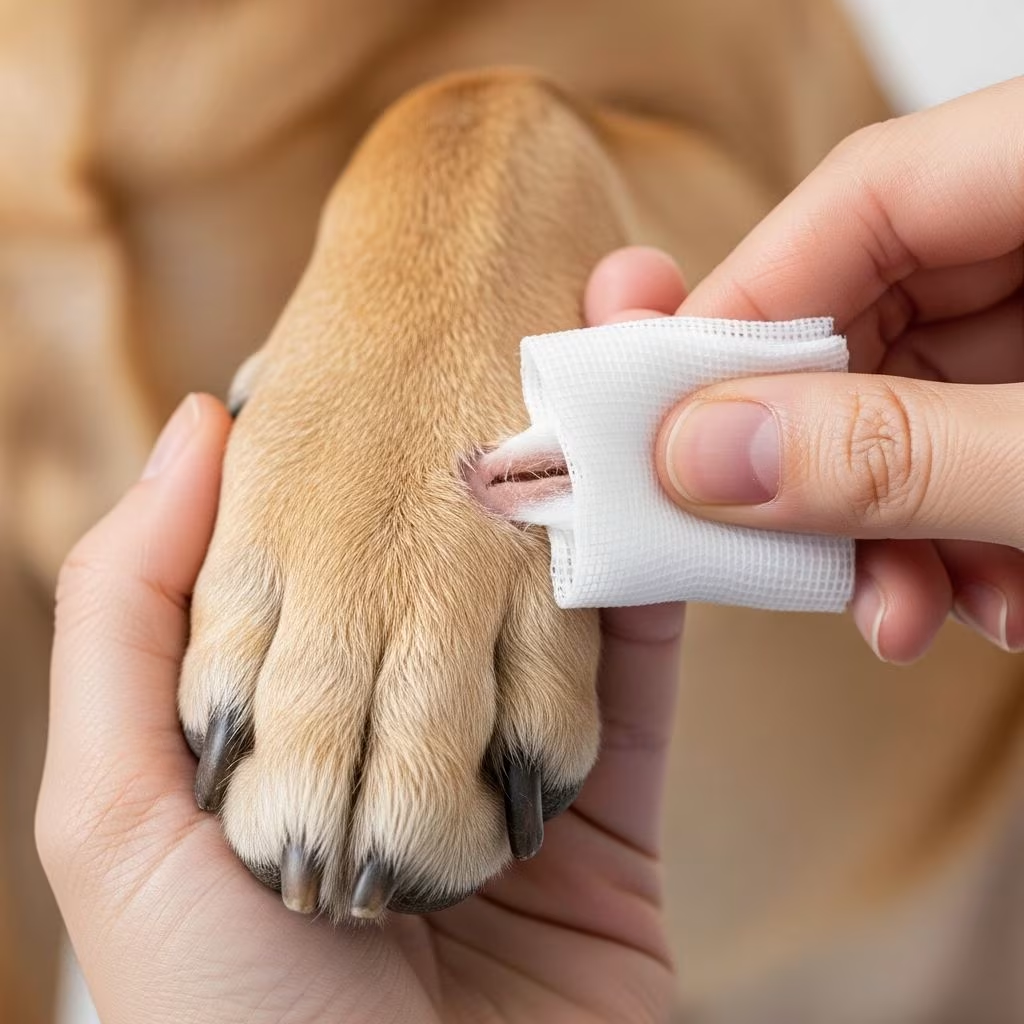
First Aid for Torn or Injured Foot Pads in Dogs
Your dog’s paw pads are remarkable structures designed to withstand considerable stress and environmental challenges. However, these tough but sensitive areas can sustain injuries from sharp objects, extreme temperatures, rough terrain, and other hazards. Whether your dog has stepped on glass, burned their pads on hot pavement, or suffered a laceration from rough concrete, knowing how to provide proper first aid can make a significant difference in their recovery and comfort.
Paw pad injuries range from minor superficial wounds that heal independently to serious lacerations or burns requiring professional veterinary intervention. The key to managing these injuries effectively is recognizing the severity, responding promptly with appropriate first aid measures, and understanding when professional medical attention is necessary.
Understanding Your Dog’s Paw Pads
Before addressing injuries, it’s helpful to understand the anatomy of your dog’s paws. A dog’s foot consists of four primary digits, each with a toe pad, plus a dewclaw on the front legs. The large central pad on the bottom of the foot bears much of your dog’s weight during movement. All these pads are covered with thick, leathery skin designed for protection, but this doesn’t mean they’re invulnerable to injury.
The paw pads contain numerous nerve endings and blood vessels, making them highly sensitive despite their tough appearance. This sensitivity means that paw pad injuries can cause significant discomfort and lameness, and any damage to these areas warrants careful attention and monitoring.
Common Types of Paw Pad Injuries
Understanding the different types of injuries your dog might experience helps you respond appropriately and assess severity:
- Cuts and Lacerations: These result from sharp objects like glass, metal, or thorns. Cuts can range from minor surface abrasions to deep lacerations affecting underlying tissues.
- Puncture Wounds: Foreign objects like nails, splinters, or thorns embedded in the paw pad create puncture wounds that pose infection risks and may require professional extraction.
- Pad Flaps: Partial tears or flaps of the pad create exposed tissue that’s vulnerable to infection and further damage.
- Burns: Hot pavement, sand, or other heated surfaces can cause thermal burns ranging from mild redness to severe blistering.
- Abrasions: Rough surfaces cause surface-level scraping and redness that typically heals quickly with proper care.
Initial Assessment and Safety Precautions
When you discover your dog has an injured paw pad, your first responsibility is to remain calm and assess the situation safely. An injured dog may be in pain and could bite, so approach gently and speak in soothing tones. If your dog is extremely distressed or aggressive, seek immediate veterinary assistance rather than attempting home first aid.
Examine the injury carefully to determine its extent. Look for the following characteristics:
- Size and depth of the wound
- Presence of embedded foreign objects
- Amount and duration of bleeding
- Swelling or discoloration
- Whether your dog is bearing weight on the paw
- Signs of infection such as discharge or odor
This assessment will guide your first aid response and help you determine whether professional veterinary care is needed.
Step-by-Step First Aid Instructions
Step 1: Control Bleeding or Cool Burns
Your initial response depends on the type of injury. For actively bleeding lacerations, apply gentle pressure using a clean cloth or gauze pad. Maintain steady pressure for 5 to 10 minutes, which is typically sufficient for minor bleeding to stop. If bleeding continues steadily beyond 10 to 15 minutes despite pressure, this indicates a more serious injury requiring immediate veterinary attention.
For burn injuries, the priority is cooling the affected area. Hold your dog’s paw under cool (not cold) running water for approximately 5 minutes to reduce pain and limit tissue damage. Alternatively, use damp cool compresses or towels. Importantly, never apply ice directly to burns, as this can cause additional tissue damage. If multiple paws are affected, use cool, damp towels as compresses to treat larger areas.
Step 2: Remove Foreign Objects (If Safe to Do So)
If your dog has something embedded in the paw pad, assess whether safe removal is possible. For small, superficial objects like splinters or thorns, you may carefully remove them using clean tweezers or your fingers. Grasp the object firmly and pull steadily in the direction it entered the paw.
However, if the object is deeply lodged, appears to be puncturing a blood vessel, nerve, or joint, or if your dog is in extreme pain, do not attempt removal yourself. Instead, seek immediate emergency veterinary care. Forcing out deeply embedded objects can cause severe bleeding or tissue damage.
Step 3: Clean the Wound
Proper wound cleaning is essential for preventing infection. Gently rinse the injured paw with room-temperature water using a clean squeeze bottle to flush away dirt, debris, and any remaining foreign material. This gentle flushing effectively removes contaminants without causing additional tissue damage.
Avoid using harsh antiseptics like hydrogen peroxide or alcohol, as these can damage healthy tissue and delay healing. If additional cleaning is needed, an antiseptic solution such as diluted chlorhexidine solution provides effective antimicrobial protection without tissue irritation. Pat the area dry gently with a clean towel after rinsing.
Step 4: Assess Wound Severity and Determine Next Steps
After initial treatment, evaluate the wound to determine whether professional veterinary care is necessary. Mild injuries typically show slight redness and occasional limping that improves with rest, with your dog continuing normal activities despite minor discomfort. The pad surface appears slightly abraded but remains largely intact without deep cuts.
Serious conditions requiring immediate veterinary attention include:
- Bleeding that doesn’t stop after 10 minutes of gentle pressure
- Visible deep tissue layers or exposed underlying structures
- Your dog refusing to put any weight on the affected paw
- Burns that cause blistering or expose raw tissue
- Areas where skin is completely missing
- Signs of severe pain or distress
Step 5: Apply a Protective Bandage
Bandaging serves multiple critical purposes in paw pad injury care. A properly applied bandage controls bleeding, decreases chances of re-injury, keeps the wound clean, contains any applied medication, and prevents your dog from licking or chewing the wound.
To apply an effective bandage, follow this technique:
- If possible, trim some of the fur around the wound for better bandage adherence
- Place cotton wool between each toe to absorb moisture and prevent maceration
- Pad the dewclaw area appropriately
- Place a non-stick pad directly over the wound to prevent adhesion
- Cover the wound with a sterile compress
- Pad the entire paw with cotton wool for additional protection
- Wrap the foot in a figure-eight pattern, starting between the toes and working upward
- If you have multiple wrapping materials, apply gauze first, then a stretch material, and finally tape
- Secure with gauze bandage and adhesive plaster or medical tape
Critically important: do not apply the bandage too tightly. Excessive tension restricts blood flow and can cause tissue damage. You should be able to slip two fingers comfortably between the bandage and your dog’s leg.
Post-Treatment Care and Monitoring
After applying first aid, your responsibilities continue to ensure proper healing. Keep your dog calm and quiet to prevent further injury to the affected paw. Limit walking and strenuous activity, carrying your dog outside for brief bathroom breaks if necessary.
Check the bandage every few hours for the following warning signs:
- Swelling of the paw or bandage area
- Bleeding showing through the wrap
- The bandage becoming wet, dirty, or soiled
- Your dog excessively licking or chewing at the bandage
- Signs of infection such as increased redness, discharge, or odor
Replace the bandage immediately if it becomes soiled, wet, or compromised, following the same wrapping technique. If your dog continues to chew or lick at the bandage, discuss using an E-collar (cone) with your veterinarian to prevent further damage.
When to Seek Emergency Veterinary Care
Certain conditions require immediate professional attention rather than home management. Contact an emergency veterinarian if you observe any of the following:
- Severe bleeding that doesn’t stop after applying pressure for 10-15 minutes
- Deep lacerations with visible tissue layers
- Your dog showing signs of shock such as pale gums, rapid breathing, or weakness
- Apparent severe pain or your dog refusing to bear any weight on the paw
- Burns affecting multiple paws or large surface areas
- Burns that cause blistering or expose raw tissue
- Signs of infection developing, including increased swelling, redness, discharge, or fever
- Foreign objects deeply embedded or causing your dog severe distress
Professional Veterinary Treatment Options
Your veterinarian may recommend additional treatments beyond home first aid. For minor cuts or burns, they may apply antibacterial ointments or soothing creams to promote healing and decrease pain. These medications are then covered with a professional bandage that serves all the protective functions discussed above.
For more serious injuries, your vet might recommend:
- Prescription pain medications if your dog is experiencing significant discomfort
- Antibiotics if infection risk is high or infection develops
- Sedation or anesthesia if deep exploration or removal of embedded objects is necessary
- Specialized wound care or dressing changes
- Follow-up examinations to monitor healing progress
Prevention Strategies
While accidents happen, several preventive measures reduce your dog’s risk of paw pad injuries. During hot weather, check pavement and sand temperatures before walking your dog—if it’s too hot for your hand, it’s too hot for their paws. Use protective booties during extreme weather conditions or when walking on rough terrain. Regularly inspect your dog’s paws for early signs of problems, including redness, swelling, or signs of infection. Keep walkways clear of glass and sharp objects, and avoid areas known to have hazardous debris.
Healing Timeline and Recovery
Most paw pad injuries heal well with appropriate care and time. Minor cuts and abrasions typically show improvement within a few days to a week with proper first aid and activity restriction. More significant injuries may require 2 to 3 weeks or longer for complete healing. Remember that time and rest are the most valuable healing techniques.
During recovery, continue limiting your dog’s activity even if they seem ready for normal play. Premature return to vigorous exercise can reopen wounds and delay healing. Follow your veterinarian’s recommendations for activity restrictions and medication administration.
Frequently Asked Questions
Q: How can I tell if my dog’s paw pad injury is serious?
A: Serious injuries involve deep cuts showing tissue layers, bleeding that doesn’t stop after 10-15 minutes, severe pain, refusal to bear weight, or burns with blistering. Any of these warrant immediate veterinary attention.
Q: What should I do if my dog won’t stop licking their injured paw?
A: Constant licking can prevent healing and introduce infection. Use an Elizabethan collar (cone) to prevent access, and consult your veterinarian about appropriate pain management or anti-lick deterrents.
Q: Can I use human first aid supplies for my dog’s paw injury?
A: Some supplies overlap, such as clean cloths and gauze, but avoid human products containing ingredients that could harm your dog if ingested during grooming. Always consult your vet about appropriate products.
Q: How often should I change the bandage on my dog’s injured paw?
A: Change the bandage if it becomes wet, dirty, or soiled, which may occur multiple times daily depending on conditions. Otherwise, follow your veterinarian’s recommendations for bandage change frequency.
Q: When can my dog return to normal activity after a paw pad injury?
A: Even mild injuries typically require 1-2 weeks of activity restriction to prevent re-injury. More serious injuries may require 3-4 weeks or longer. Follow your veterinarian’s specific guidance based on injury severity.
Q: Should I use ice or heat on a paw pad burn?
A: Use cool (not cold) water or compresses immediately after the burn. Never apply ice directly as this causes additional tissue damage. Heat is never appropriate for burn treatment.
References
- Dog Paw Pad Injury: What to Do for Flaps, Burns, Cuts, & More — Toe Grips by Dr. Julie Buzby. 2024. https://toegrips.com/dog-paw-pad-injury/
- Sore Paws in Dogs – Causes, Treatment and Prevention — Ardap Care. 2024. https://ardapcare.com/en/blogs/hund/wunde-pfoten-hund
- First Aid for Dog Paw Pad Burns and Lacerations — Golden State Veterinary Society. 2024. https://gsvs.org/blog/dog-paw-pad-burns-lacerations-emergency/
- First Aid for Cuts and Grazes — PDSA. 2024. https://www.pdsa.org.uk/pet-help-and-advice/pet-health-hub/medications/first-aid-for-cuts-and-grazes
- How To Treat Common Injuries In Your Dog — Animal Medical Care Center. 2024. https://animalmedcarecenter.com/blog/how-to-treat-common-injuries-in-your-dog/
- Paw Care for Dogs — Australia Wide First Aid. 2024. https://www.australiawidefirstaid.com.au/resources/paw-care-for-dogs
- What To Do If Your Dog Has a Cut Paw — Berkeley Dog and Cat. 2024. https://www.berkeleydogandcat.com/site/blog/2021/11/15/dog-cut-paw



