

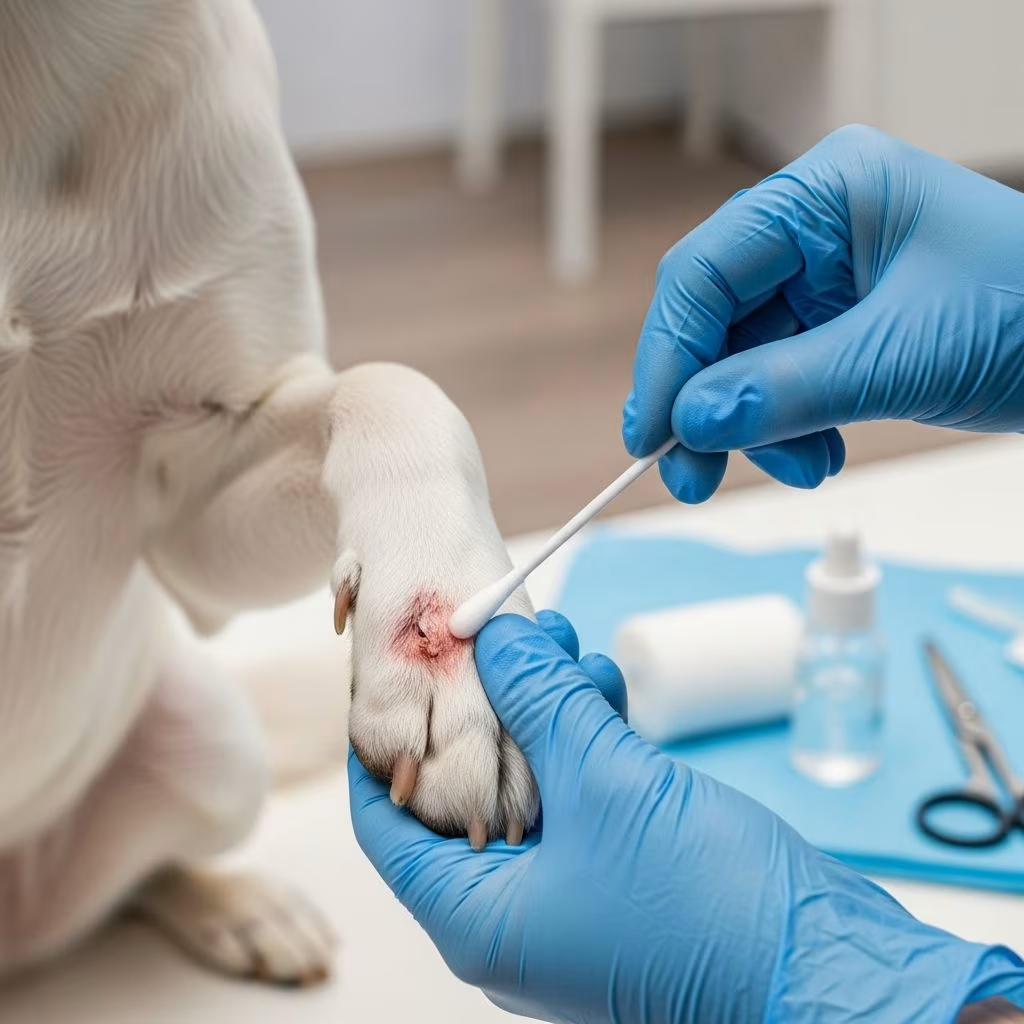
First Aid for Torn or Injured Foot Pads in Dogs
Dog paw pad injuries are surprisingly common and can range from minor cuts to serious lacerations that require immediate veterinary attention. Your dog’s foot pads are among the most sensitive areas of their body, yet they face constant exposure to hazards like sharp objects, hot pavement, rough terrain, and chemical substances. Understanding how to provide proper first aid for these injuries can make a significant difference in your pet’s recovery and comfort.
A torn foot pad does not hold stitches well, so cuts and punctures take considerably longer to heal compared to injuries on other parts of the body. Walking on the injured foot often opens the wound and further delays the healing process. Additionally, if infection sets in, your dog may end up with complications that extend far beyond simple foot problems. Even seemingly minor foot pad injuries can become stubborn and problematic if not handled correctly. For this reason, it is recommended that you take your dog to a veterinarian as soon as possible. However, if your veterinarian cannot see your pet right away, several first aid steps can be taken at home to stabilize the injury and minimize pain.
Types of Foot Pad Injuries in Dogs
Dog paw pad injuries can manifest in several different ways, each requiring slightly different treatment approaches. Understanding the type of injury your dog has sustained will help you determine the most appropriate first aid response and whether emergency veterinary care is necessary.
Common types of foot pad injuries include lacerations or cuts from sharp objects such as glass, metal shards, or thorns. Puncture wounds occur when a pointed object pierces the pad, potentially creating deep tissue damage. Burns can result from exposure to hot surfaces like summer sidewalks or hot pavement, or from contact with chemical substances. Abrasions develop when the paw pad is scraped against rough surfaces. Foreign objects may become lodged in the pad, including small stones, sand, or debris. Some dogs also experience pad injuries from ice and salt exposure during winter months or from fungal or bacterial infections.
Step-by-Step First Aid for Foot Pad Injuries
When your dog sustains a foot pad injury, follow these systematic steps to provide appropriate first aid care:
Step 1: Clean the Wound
The first priority is to clean the injured foot pad thoroughly. Begin by examining the area carefully to look for debris or foreign objects such as glass or metal shards that may be lodged in the pad. If a foreign object is visible and located where you can easily grasp it with tweezers, you may gently remove it. Swishing the paw in cool water or spraying the paw with a hose may also help dislodge tiny particles and provide initial cleaning.
However, if the debris is lodged deeply within the pad or appears to be penetrating through multiple tissue layers, leave it alone. Digging too deeply will only worsen the injury and cause significant pain to your dog. Deep-seated foreign bodies need to be extracted by your veterinarian, who can sedate your dog to make the procedure more comfortable and less traumatic.
After removing any superficial objects, use mild antibacterial soap to disinfect the wound thoroughly. This helps reduce the risk of infection developing in the injured area. Gently rinse the wound with room-temperature water to remove any remaining dirt or soap residue. Pat the area dry with a clean towel after rinsing.
Step 2: Control Bleeding
Controlling bleeding is crucial in the immediate aftermath of a foot pad injury. Apply pressure to the wound with a clean towel or cloth, maintaining steady, even pressure. Minor tears will typically stop bleeding within a matter of minutes, but deeper wounds take considerably longer to stabilize. Be aware that bleeding may reoccur when your dog puts weight and pressure on the foot during walking or standing.
Most minor bleeding from foot pad injuries should cease within five to ten minutes of applying consistent pressure. However, if you cannot stop the bleeding within ten to fifteen minutes of continuous pressure, this is considered an emergency situation. In such cases, you should take your dog to the emergency veterinary clinic immediately without delay. Prolonged bleeding may indicate damage to a blood vessel or a more serious injury than initially apparent.
Step 3: Apply a Bandage
Applying a proper bandage is essential to contain the wound and protect it from further contamination and injury. Use non-adherent gauze pads to cushion the bottom of the foot and absorb any blood. The gauze padding serves multiple purposes: it will also significantly decrease the pain your dog experiences when walking on the injured foot, and it creates a protective barrier against infection.
To keep the gauze in place securely, wrap the entire foot in a self-sticking product such as Vet Wrap or similar elastic bandaging material. It is important to cover the paw from the toes up to and including the ankle (tarsus) or wrist (carpus), depending on which foot is injured. Covering the toes will prevent them from swelling excessively, and covering the ankle or wrist joint will prevent the bandage from slipping off during movement or play.
When wrapping the bandage, make sure it is not too tight, as excessive pressure can restrict blood circulation and cause additional pain and swelling. You should be able to comfortably insert two fingers between the bandage and the leg. If the bandage feels too snug, carefully remove it and rewrap it with less tension. Check the bandage regularly for signs of swelling, excessive warmth, or color changes that might indicate circulation problems.
Special Considerations for Burns
Thermal burns to the foot pads require specific treatment protocols that differ from wound management for lacerations. If your dog has experienced a thermal burn, such as from stepping on hot pavement, your initial response should focus on cooling the affected area. However, proper cooling technique is important to avoid further damage.
Hold the burned foot under cool (not cold) running water for approximately five minutes to reduce pain and limit the extent of the burn. Do not use ice directly on burns, as this can paradoxically damage tissue further and cause additional harm. Never apply ice packs directly to thermal burns.
After the initial cooling period, your veterinarian may recommend applying an antibiotic ointment to the burned foot pad and bandaging the paw with protective dressing. Daily bandage changes and close monitoring of the injury are important during the healing process. Report any changes in the appearance of the burn, signs of infection, or your dog’s comfort level to your veterinarian promptly.
Chemical Burns
Burns can also be caused by chemicals. If your dog steps into a corrosive substance or chemical spill, immediate action is necessary. Hold the foot under running water for several minutes to rinse away the chemical. Then, wash the paw thoroughly in mild soap and rinse completely with water.
Wear gloves when treating chemical burns to protect your own skin: if it burns your dog, it may burn you too. After initial treatment at home, seek veterinary care to ensure your dog receives appropriate follow-up care and assessment of the chemical exposure.
When to Seek Emergency Veterinary Care
While minor foot pad injuries can sometimes be managed at home with first aid, certain situations require immediate emergency veterinary attention. Understanding when to seek professional care is crucial for your dog’s safety and recovery.
Take your dog to an emergency veterinarian if any of the following situations apply to your dog’s injury:
- Bleeding that does not stop after 10-15 minutes of gentle pressure
- Deep tissue layers are visible in the wound
- Your dog refuses to put any weight on the affected paw
- Burns that cause blistering or expose raw tissue
- A foreign object is deeply lodged or appears to penetrate blood vessels, nerves, or joints
- Signs of severe pain or distress
- Multiple paws are injured simultaneously
- Your dog shows signs of shock or systemic illness
These situations can lead to serious complications if not treated properly by a veterinary professional. Even if the injury seems relatively minor, it is always better to err on the side of caution and contact your veterinarian for guidance.
Post-Injury Care and Monitoring
After providing first aid for your dog’s foot pad injury, continuing proper care at home is essential for optimal healing. Keep your dog calm and quiet to prevent further injury to the affected paw. Limit walking and strenuous activity as much as possible. When your dog needs to go outside for bathroom breaks, carry your dog if feasible, or keep outdoor time to very brief periods.
Check the bandage every few hours for signs of swelling, bleeding through the wrap, or if it becomes wet or dirty. A wet or soiled bandage loses its protective properties and should be replaced immediately, following the same wrapping technique described earlier. Monitor the paw for excessive swelling, discharge, foul odor, or heat, which could indicate infection.
Daily bandage changes and close monitoring of the injury are important throughout the healing process. Your veterinarian may provide specific instructions for bandage maintenance and may recommend restricting your dog’s activity for a specified period.
Prevention of Foot Pad Injuries
While knowing how to treat foot pad injuries is important, prevention is always preferable. Several strategies can help reduce your dog’s risk of sustaining paw pad injuries:
- Check walking surfaces before taking your dog on walks
- Use protective booties during extreme weather conditions
- Apply paw wax or balm during hot summer months to provide protection from hot pavement
- Keep your dog’s nails trimmed to prevent imbalanced pressure on the pads
- Inspect your dog’s paws daily for cuts, foreign objects, or signs of injury
- Avoid walking on hot pavement during peak heat hours
- Rinse paws after walking on salted winter roads
- Maintain a clean home environment free of sharp debris
Frequently Asked Questions About Dog Foot Pad Injuries
Q: How long does it take for a dog’s foot pad injury to heal?
A: Healing time varies depending on the severity of the injury, but foot pad injuries generally take longer to heal than injuries on other body parts because the pads are constantly under pressure. Minor lacerations may take several weeks to heal, while more severe injuries can take several months, especially if the dog continues to walk on the injured foot.
Q: Can I use human first aid supplies for my dog’s foot pad injury?
A: Some human first aid supplies can be used for dogs, such as clean cloth, mild antibacterial soap, and water. However, certain products should be avoided. Do not use hydrogen peroxide or alcohol on dog wounds, as these can damage tissue and delay healing. It is best to use products specifically designed for veterinary use when possible.
Q: Should I use ice or heat on my dog’s foot pad injury?
A: For thermal burns, use cool (not cold) running water rather than ice, as ice can cause additional tissue damage. For non-thermal injuries like cuts or lacerations, cool water may help with cleaning and initial pain relief, but ice should not be applied directly to the wound.
Q: What are signs that my dog’s foot pad injury has become infected?
A: Signs of infection include increased swelling, redness beyond the immediate injury area, discharge with pus or foul odor, warmth to the touch, increased limping or reluctance to bear weight, or fever. If you notice any of these signs, contact your veterinarian immediately.
Q: Can my dog get a tetanus infection from a foot pad injury?
A: Dogs are generally resistant to tetanus, but puncture wounds carry a risk of infection from various bacteria. This is why proper wound cleaning and veterinary evaluation are important for all but the most minor foot pad injuries.
Q: How tight should a foot pad injury bandage be?
A: The bandage should be snug enough to stay in place and protect the wound, but not so tight that it restricts blood circulation. You should be able to insert two fingers comfortably between the bandage and your dog’s leg. If you cannot, the bandage is too tight and should be rewrapped.
Conclusion
Foot pad injuries in dogs can be painful and potentially serious if not handled appropriately. By understanding the proper first aid steps—cleaning the wound, controlling bleeding, and applying appropriate bandaging—you can provide immediate relief and protection for your injured dog. Remember that even seemingly minor foot pad injuries deserve veterinary attention, as these wounds can be deceptive in their severity and prone to complications like infection or delayed healing.
Always err on the side of caution when deciding whether to seek veterinary care, and never hesitate to contact your veterinarian with questions or concerns about your dog’s injury. With proper first aid and professional veterinary care when needed, most dogs recover well from foot pad injuries and return to normal activity within a reasonable timeframe.
References
- First Aid for Torn or Injured Foot Pads in Dogs — VCA Animal Hospitals. 2025. https://vcahospitals.com/know-your-pet/first-aid-for-torn-or-injured-foot-pads-in-dogs
- Dog Paw Pad Injury: What to Do for Flaps, Burns, Cuts, & More — Dr. Julie Buzby, Toe Grips. 2025. https://toegrips.com/dog-paw-pad-injury/
- First Aid for Dog Paw Pad Burns and Lacerations — Golden State Veterinary Society. 2025. https://gsvs.org/blog/dog-paw-pad-burns-lacerations-emergency/
- How To Treat Common Injuries In Your Dog — Animal Medical Care Center. 2025. https://animalmedcarecenter.com/blog/how-to-treat-common-injuries-in-your-dog/
- What to do if my dog cut their paw pad? — Cedar Animal Medical Center. 2024. https://www.cedaranimalmedicalcenter.com/site/blog/2024/06/15/dog-cut-paw-pad
- What To Do If Your Dog Has a Cut Paw — Midway Vet Loves My Pet. 2023. https://www.midwayvetlovesmypet.com/site/blog/2023/12/06/dog-cut-paw



