

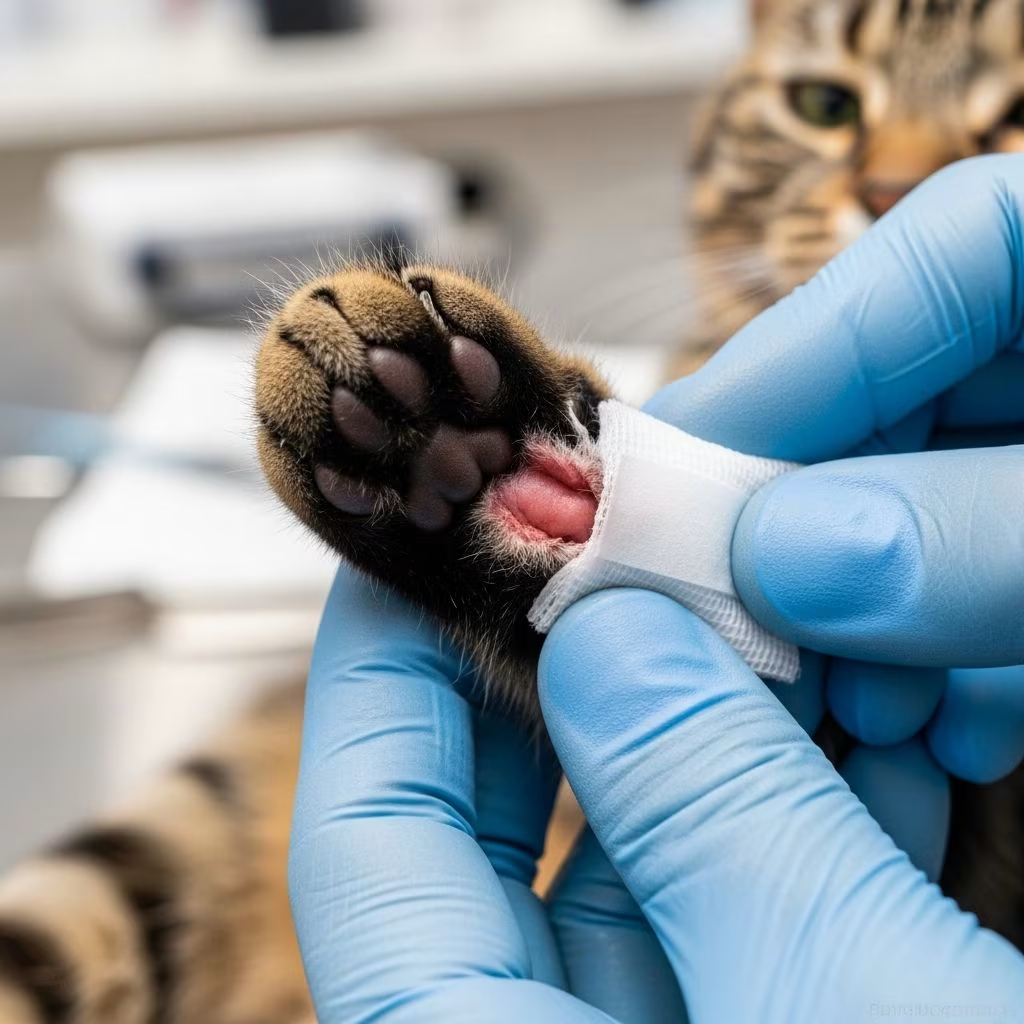
Understanding Cat Footpads and Why They Matter
Footpads are the thick, rubbery parts of your cat’s feet that serve multiple critical functions in your feline’s daily life. These specialized structures cushion every step your cat takes, absorb impact, and provide essential traction to prevent slipping on various surfaces. Beyond their cushioning role, footpads protect your cat’s delicate bones and joints from the shocks incurred by running, walking, jumping, and pouncing. They also insulate your cat’s feet from extreme temperatures—both scorching hot summer pavement and freezing winter conditions—while helping your cat navigate uneven or rough terrain safely.
Because healthy footpads are crucial for your cat’s mobility, comfort, and overall well-being, injuries to these sensitive areas need prompt attention. If you notice your cat licking excessively at her pads, limping, or showing signs of pain, she may have a torn, punctured, or burned footpad that requires immediate care. As a prepared pet owner, understanding how to provide first aid for your feline’s ailing feet can make a significant difference in preventing complications and promoting faster healing.
Recognizing Signs of Torn Footpads
Detecting a torn footpad early is essential for preventing infection and reducing your cat’s discomfort. Common signs that your cat may have a footpad injury include:
- Excessive licking or chewing at the paw or foot pads
- Limping or reluctance to put weight on the affected leg
- Visible blood on the paw, bedding, or floor
- Swelling around the toes, paw, or foot area
- Discharge or unusual odor from the paw
- Changes in gait or reluctance to walk or play normally
- Visible cuts, punctures, or abrasions on the pad surface
If you observe any of these symptoms, examine the paw carefully under good lighting to determine the extent of the injury.
Step-by-Step First Aid for Torn Footpads
Step 1: Clean the Wound
The first critical step in treating a torn footpad is thorough cleaning. Begin by carefully examining the injured pad and looking for any debris or foreign objects such as glass, metal shards, gravel, or splinters that may be lodged in the wound. If a foreign object is located where you can easily grasp it with tweezers, gently remove it and set it aside. Swishing the paw in cool water may help dislodge tiny particles and debris that are stuck to the pad.
However, if debris is lodged deeply into the pad, do not attempt to remove it yourself. Digging too deep will only worsen the injury and cause your cat unnecessary pain. Deep-seated foreign bodies require professional extraction by your veterinarian, who can sedate the cat to make the procedure more comfortable and thorough. After removing any superficial debris, use mild antibacterial soap or betadine solution to disinfect the wound thoroughly. This helps prevent bacterial infection and promotes healing.
Step 2: Control the Bleeding
Once you’ve cleaned the wound, controlling bleeding is your next priority. Apply gentle but firm pressure to the wound using a clean, absorbent towel. Hold the pressure steadily without removing the towel frequently to check progress, as this can disrupt clot formation. Minor tears in the footpad will typically stop bleeding within a matter of minutes; however, deeper wounds take significantly longer to stabilize and may continue oozing for 10-15 minutes or longer.
It’s important to note that bleeding may reoccur when your cat walks on the injured leg, so monitor the paw closely after the initial bleeding stops. If you cannot control the bleeding within 10-15 minutes despite applying continuous pressure, or if the wound continues to bleed profusely, take your cat to the emergency veterinary clinic immediately. Uncontrolled bleeding can indicate a more serious injury requiring professional intervention.
Step 3: Contain and Bandage the Wound
Proper bandaging is essential for protecting the wound, absorbing blood and discharge, and cushioning the paw to reduce pain when your cat walks. Start by using sterile gauze pads to cushion the bottom of the foot and absorb any blood or fluid. The gauze padding also serves the important function of decreasing the pain and discomfort your cat experiences when bearing weight on the injured foot.
To keep the gauze in place and create a protective barrier, wrap the entire foot in a self-sticking bandaging product like Coban or similar medical wrap. It is critically important to cover the paw completely from the toes up to and including the ankle joint (tarsus) or wrist joint (carpus). Covering the toes prevents swelling of the digits, which could compromise circulation or worsen the injury. Extending the bandage above the ankle or wrist joint also prevents the bandage from slipping off prematurely when your cat walks or moves.
While applying the bandage, ensure it is snug enough to stay in place but not so tight that it restricts blood circulation. A good test is to insert two fingers between the bandage and the leg—you should be able to fit them comfortably without excessive pressure. A bandage that is too tight can cut off circulation, leading to tissue damage and serious complications.
Step 4: Change the Bandage Daily
Maintaining proper bandage hygiene is crucial for preventing infection and monitoring the healing progress. Change the bandage daily, or more frequently if it becomes soiled, wet, or loose. During each bandage change, carefully inspect the wound for signs of improvement or complications. Pay particular attention to whether the toes are becoming swollen, appear discolored or dusky, if there’s a foul odor, or if you notice moist discharge from the wound.
These signs may indicate that circulation has been compromised or that an infection has developed, both of which could result in permanent damage to the foot if left untreated. If you observe any of these warning signs, consult your veterinarian promptly. Additionally, if the wound continues to bleed or gapes open after three days of home care, visit your veterinarian, who can provide high-powered antibiotics and pain medication to promote faster healing.
Step 5: Prevent Bandage Interference
Many cats are tempted to chew at or remove their bandages, which can reopen the wound and introduce bacteria. If your cat chews at the bandage, spray it with an anti-lick product such as bitter apple or similar deterrent sprays designed for this purpose. These products taste unpleasant to cats and discourage them from interfering with the bandage.
Additionally, keep the bandage dry by taping a plastic bag over it when your cat walks on wet grass or near water. Moisture can soften the bandage, promote bacterial growth, and slow the healing process. If the bandage becomes wet, replace it with a fresh, dry one as soon as possible.
When to Seek Veterinary Care
While many minor footpad injuries can be managed at home with proper first aid, certain situations require professional veterinary attention. You should take your cat to a veterinary clinic if:
- The wound continues to bleed heavily after 10-15 minutes of continuous pressure
- The wound is very deep or gapes open widely
- You observe signs of infection such as foul odor, pus, or excessive swelling
- The wound continues to bleed or remains open after three days of home care
- Your cat shows signs of compromised circulation such as swollen or discolored toes
- Your cat develops a fever or appears lethargic or unwell
- Foreign bodies are deeply embedded and cannot be easily removed
- Your cat seems to be in severe pain or will not allow handling of the paw
Your veterinarian can provide prescription-strength antibiotics, pain medications, and advanced wound care if needed. For severe injuries, professional cleaning and treatment may prevent complications and promote better healing outcomes.
Veterinary Treatment and Care
When you bring your injured cat to the veterinarian, they will perform a thorough examination of the wound and may recommend various treatments based on the severity of the injury. Your vet may prescribe topical antibiotic ointments or oral antibiotics to prevent or treat infection. If administering oral antibiotics proves difficult, your veterinarian might suggest long-acting injectable antibiotics like Convenia, which require fewer doses.
Most significant paw injuries warrant pain medication to keep your cat comfortable during the healing process. Common pain relief options include buprenorphine and gabapentin, which are well-tolerated by cats. Anti-inflammatory medications like NSAIDs must be used carefully in cats, as felines can be sensitive to these medications. Your veterinarian will determine the best pain management approach for your cat’s specific situation.
Your veterinarian will provide detailed instructions for further care at home, which may include foot soaks in warm water, application of warm or cold compresses, and specific bandage care protocols. Follow these instructions closely and attend all recommended recheck appointments to ensure proper healing and to catch any complications early.
Home Care Tips for Recovery
During the healing period, several home care practices can support your cat’s recovery:
- Keep your cat indoors: Confine your cat to a smaller room of the house for closer monitoring and to prevent the injured paw from getting dirty or wet.
- Restrict activity: Limit running, jumping, and vigorous play to allow the wound to heal properly.
- Soak the paw: If recommended by your veterinarian, soak the injured foot in warm water with Epsom salt to relieve swelling and promote healing.
- Apply warm compresses: Warm (not hot) compresses can help improve circulation and reduce swelling in the affected area.
- Monitor the bandage: Check the bandage daily for signs of loosening, soiling, or moisture.
- Prevent licking: Use an anti-lick spray or consider a protective collar (Elizabethan collar) if your cat persists in licking or chewing at the bandage.
- Medication administration: Give all prescribed medications exactly as directed by your veterinarian, even if your cat appears to be improving.
Prevention of Footpad Injuries
While you cannot prevent all accidents, certain precautions can reduce the risk of your cat sustaining footpad injuries:
- Keep your home free of sharp objects, broken glass, and small debris that could injure paws
- Check outdoor areas regularly for hazards before allowing your cat outside
- Trim your cat’s nails regularly to prevent overgrowth and related injuries
- Be cautious with hot surfaces, especially during summer months when pavement and metal can burn sensitive paw pads
- Inspect your cat’s paws weekly for signs of injury or early problems
- Use protective paw balms or booties during extreme weather conditions if your cat goes outdoors
- Supervise outdoor time and keep your cat’s vaccinations current
Frequently Asked Questions
Q: How long does it take for a torn footpad to heal?
A: Minor footpad tears typically heal within 7-14 days with proper home care and bandaging. More severe wounds may take 2-4 weeks or longer to heal completely, especially if they become infected. Always follow your veterinarian’s guidance regarding healing timelines for your specific situation.
Q: Can I use human first aid supplies on my cat’s paw?
A: While some basic supplies like clean gauze, warm water, and mild soap are safe for cats, avoid using human products like Neosporin without veterinary approval. Some cats may have adverse reactions to certain ointments and medications. Always consult your veterinarian before applying any topical products to your cat’s wounds.
Q: What should I do if my cat won’t let me bandage the paw?
A: If your cat is aggressive or won’t allow handling, wrap your cat gently in a towel to create a controlled situation. Have an assistant help you while you work with the paw. If this proves too difficult or stressful for your cat, seek veterinary assistance where professionals can handle the injury safely with minimal stress.
Q: Is it normal for the paw to smell bad during healing?
A: A slight odor is normal as the wound heals, but a strong, foul smell can indicate infection. Monitor this closely during daily bandage changes. If the smell becomes unpleasant or is accompanied by pus or discharge, contact your veterinarian.
Q: How often should I check my cat’s paws for problems?
A: Inspect your cat’s paws at least weekly as part of your regular pet care routine. During any acute injury or recovery period, check the paws daily. Early detection of problems can prevent serious complications and reduce treatment costs.
Q: Can indoor cats get footpad injuries?
A: Yes, indoor cats can sustain footpad injuries from sharp objects, broken glass, hot surfaces near heaters, or trauma from accidents. Keep your home environment safe by removing hazards and monitoring your cat’s activities.
References
- First Aid for Torn Footpads in Cats — Sunshine Animal Hospital. Retrieved from https://sunshinehomevet.com/blog/first-aid-for-torn-footpads-in-cats/
- What to do if your cat has a pad wound — American Red Cross. Retrieved from https://www.redcross.org/take-a-class/resources/learn-pet-first-aid/cat/pad-wounds
- First Aid for Limping Cats — VCA Animal Hospitals. Retrieved from https://vcahospitals.com/know-your-pet/first-aid-for-limping-cats
- Cat Paw Injury: What to Know and What to Do — Cats.com. Retrieved from https://cats.com/cat-paw-injury
- Cat Paw Injuries on the Pad, Between Toes, and More — Healthy Paws Pet Insurance. Retrieved from https://www.healthypawspetinsurance.com/blog/common-injuries-in-cats-paw-scrapes



