

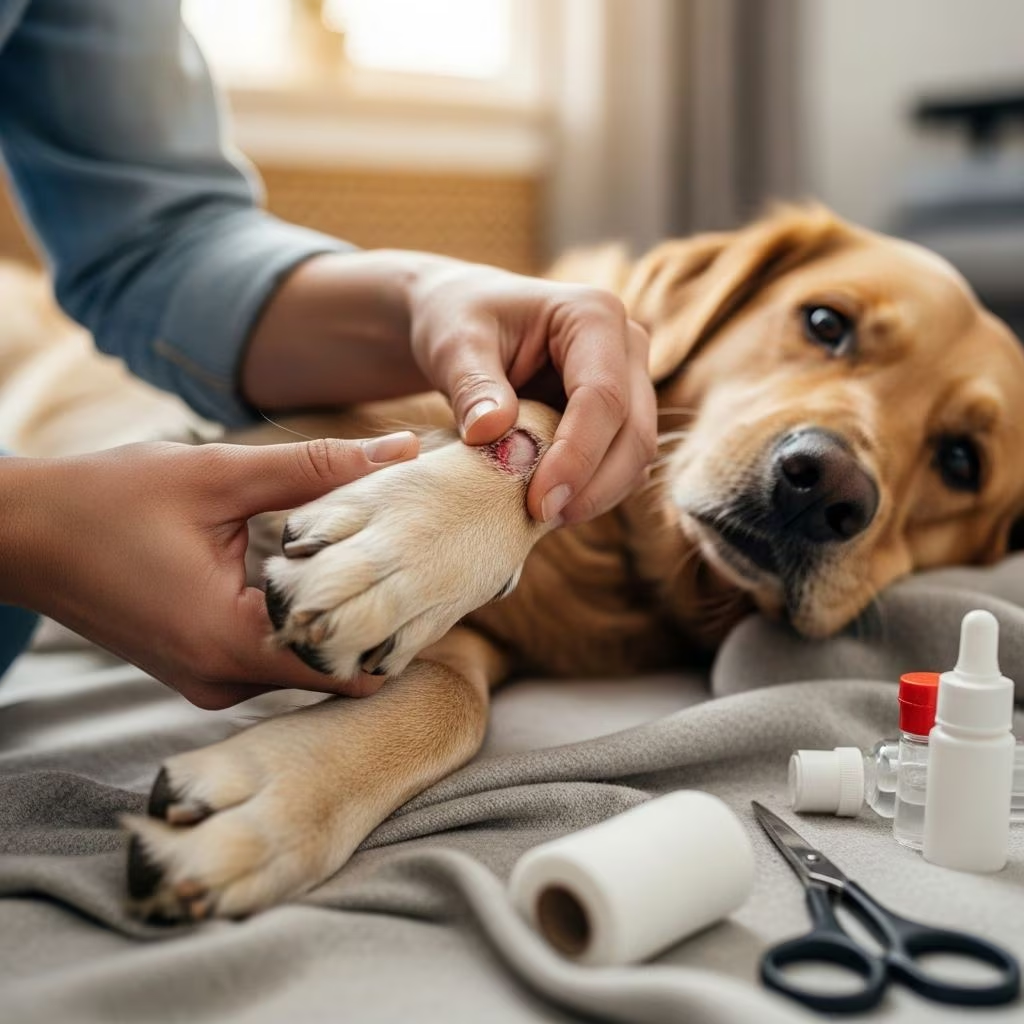
First Aid for Limping Dogs: A Comprehensive Guide
Discovering that your beloved dog is limping can be concerning for any pet owner. Limping, also known as lameness, can result from various causes ranging from minor injuries to more serious conditions requiring immediate veterinary attention. Understanding how to provide appropriate first aid for your limping dog is essential for ensuring their comfort and preventing further injury. This guide will walk you through the steps of assessing your dog’s condition, providing immediate care, and determining when professional veterinary intervention is necessary.
Understanding Why Dogs Limp
A limping dog may have injured or weakened bones, muscles, nerves, tendons, ligaments, or skin. The severity and visible symptoms of limping depend on which part of the leg is affected. For instance, a broken bone or dislocated joint may cause visible swelling and position the injured leg at an awkward angle. However, if your pet experiences pain in the joints, nerves, tendons, or ligaments, visible symptoms might not be as apparent, making thorough physical examination crucial.
Assessing Your Dog’s Limp: The First Critical Step
Before administering any first aid, you must properly assess the severity and nature of your dog’s limp. This initial evaluation will help you determine whether your pet needs immediate emergency care or can be managed with at-home treatment.
Observing Your Dog’s Movement
Start by carefully watching your dog walk and identify which leg is affected. Pay attention to the following indicators:
- Does your pet carry their limping leg while walking, or do they stabilize it when standing still?
- Does your canine trip whenever they use the affected leg?
- Do they take shorter strides with the injured limb?
- Does your pet keep their foot from touching the ground entirely?
Gathering Important Information
Understanding the timeline and circumstances of the limp is valuable information for your veterinarian. Consider when your pet started limping and whether it occurred suddenly or gradually developed over time. Also note if the lameness worsens at certain times of the day or after specific activities. Understanding whether trauma caused the injury and any patterns in the limp will help guide appropriate treatment decisions.
Performing a Physical Examination
Gently run your hand through your canine’s injured leg, starting from the paw and working upward. Gently touch each part of the leg and note any swollen areas. Carefully bend and flex the joints, paying close attention to your dog’s response. If your pet resists or shows signs of pain when you bend their joints, this indicates discomfort. Always compare both legs side by side to establish a baseline and identify differences in swelling, temperature, or range of motion.
When Your Dog Needs Emergency Veterinary Care
Certain conditions require immediate professional veterinary attention and should not be treated only at home. If any of the following circumstances apply to your dog, contact your veterinarian or nearest emergency veterinary clinic immediately:
- A broken limb (which will be at an irregular or unnatural angle)
- A dangling limb (indicating a possible dislocation)
- Any moderate to severe swelling of the limb
- Limbs that feel hot to the touch, suggesting infection or inflammation
- Limping in conjunction with a fever or other systemic symptoms
- Severe pain responses or complete non-weight bearing lameness
- Any visible cuts, puncture wounds, or signs of severe trauma
Severe pain and non-weight bearing lameness are particularly suggestive of serious injuries that need immediate examination by a veterinary professional to prevent complications.
First Aid for Minor Limps and Acute Injuries
If your assessment indicates that your dog’s limp is non-emergency in nature, you can provide effective first aid at home using several proven techniques and approaches.
Rest and Activity Restriction
One of the most important first aid measures is allowing your dog adequate rest. When you first notice limping, restrict your dog’s mobility as much as possible to prevent further strain or injury. Limit exercise and physical activity during the initial recovery period, typically 1 to 3 days for minor injuries. When your dog needs to go outside for bathroom breaks, keep them on a leash to prevent them from running or playing, which could exacerbate the injury. Confining your dog to a smaller area of your home can help minimize unnecessary movement and promote healing.
Ice Application for Acute Injuries
For acute muscle, joint, or tendon injuries occurring within the first 24 hours, ice therapy can be highly beneficial. Apply ice packs to the affected area, or try alternative methods such as swirling water or spraying water on your pet’s leg with a hose. Perform any of these methods for approximately 15 minutes, twice daily. Never apply ice directly to burns or certain injuries, as this can cause additional tissue damage. Always use ice that is not excessively cold, and ensure your dog’s comfort throughout the process.
Heat and Ice Alternation
For inflammation-related limping, alternating between heat and ice packs can effectively reduce swelling and relieve pain. This approach helps manage inflammation while improving circulation to the affected area. Always ensure any temperature application is comfortable for your dog and does not cause additional distress.
Addressing Foreign Bodies
Limping can sometimes result from a foreign object lodged between your dog’s toes or embedded in the paw pad. Carefully remove any visible foreign bodies and clean the wound thoroughly with antibacterial soap. After cleaning, reduce swelling by running a warm Epsom salt bath on the foot. Finally, apply antibiotic ointment to the wounded area to prevent infection and promote healing.
Natural and Supportive Treatment Approaches
Beyond basic rest and ice therapy, several natural approaches can support your dog’s recovery and promote healing.
Nutritional Support with Omega-3 Fatty Acids
Using a triple maintenance dose of sustainable Omega-3 oil can effectively reduce inflammation in your limping dog. Research confirms that Omega-3 essential fatty acids are potent in reducing inflammation without the adverse side effects associated with nonsteroidal anti-inflammatory drugs (NSAIDs). These fatty acids support joint health and promote healing at the cellular level.
Turmeric for Inflammatory Response
Adding turmeric to your dog’s food can promote a healthy inflammatory and healing response. Turmeric contains curcumin, a powerful compound with anti-inflammatory properties. However, always add turmeric to food rather than giving it on an empty stomach, as this can cause digestive upset.
Homeopathic Remedies
Arnica homeopathic remedy has traditionally been used to support healing in cases of injury and trauma. Ideally, obtain 1M potency and administer one dose every 8 to 12 hours for 3 days. If you can only access 30C or 200C potencies, which are less concentrated, administer the remedy every 4 to 6 hours. A single dose typically consists of three pellets or approximately 20 poppy seed-sized pellets.
Professional Treatment and Rehabilitation Options
While home care is important, professional veterinary treatments can significantly accelerate recovery and prevent chronic complications.
Physical Therapy and Rehabilitation
Physical therapy is one of the most effective treatments for limping dogs. Professional rehabilitation can help improve the range of motion and strengthen muscles around the affected area. Consistent physical therapy can speed up your dog’s recovery and prevent future injuries by enhancing joint stability and muscle tone. Therapeutic exercises such as stretching, massage, and hydrotherapy provide significant benefits for healing and mobility restoration.
Pain Management and Medication
Veterinarians may prescribe pain relievers and anti-inflammatory medications to help reduce pain and swelling. These medications can quickly improve your dog’s quality of life by effectively managing symptoms. Your veterinarian will determine the most appropriate medication and dosage based on your dog’s specific condition and medical history.
Orthopedic Supports and Devices
Braces, splints, orthopedic boots, and other supportive devices can stabilize joints and reduce pain, allowing for better mobility during the healing process. These devices are particularly useful for chronic conditions like arthritis or recovery following surgery to ensure proper joint alignment during the rehabilitation period.
Surgical Intervention
In cases of severe injury or degenerative conditions, surgical intervention might be necessary. Procedures may range from minimally invasive arthroscopy to major surgeries like joint replacements or repairs for torn ligaments or fractures. Your veterinarian will discuss surgical options only when conservative treatments are insufficient.
Advanced Therapeutic Options
Several advanced therapies offer additional support for limping dogs beyond traditional treatment approaches.
Pulsed Electromagnetic Field Therapy
PEMF therapy improves healing in dogs and promotes blood circulation, allowing your pup to heal safely and naturally. This non-invasive approach enhances the body’s natural healing processes.
Transcutaneous Electrical Nerve Stimulation
TENS therapy offers a non-invasive approach to treating pain and inflammation in limping dogs. This therapy uses electrical stimulation to reduce pain perception and support healing.
Manual Therapy Techniques
Similar to humans, dogs can benefit significantly from manual therapy through induced relaxation and reduced inflammation. Professional manual therapy addresses muscle tension and promotes optimal joint function.
First Aid Tools and Emergency Supplies
Having proper first aid supplies on hand allows you to respond quickly and effectively to your dog’s injury. Essential first aid tools include:
- A digital thermometer to take your dog’s temperature and monitor for fever
- A medicine pill box for organizing medications if prescribed
- A muzzle for keeping your dog secure during examination or treatment around unfamiliar people
- An extra collar and leash for controlled movement
- Gauze rolls to cover wounds or help restrain your pet
- Clean towels for cleaning and wrapping injured areas
- Non-stick bandages or strips of clean cloth for limiting bleeding or protecting wounds
- Antibiotic ointment and antiseptic solutions
- Ice packs or hot water bottles for temperature therapy
Handling a Fractured Leg
If you suspect your dog has a fractured leg, handle the situation carefully to prevent additional injury. Gently lay your dog on a flat surface for support. Apply a bandage or splint over the injury to stabilize it, but only if you can apply these properly and your pet feels comfortable. When it’s time to visit your veterinarian, confine your canine in a small area to prevent further injury. Small dogs should rest in a pet carrier, box, or container with sufficient airflow. For large canines, use a board, sled, blanket, or similar supportive surface for transport.
Recovery and Gradual Return to Activity
After initial treatment and rest, gradually increasing exercise is essential for full recovery. Start with on-leash walks at a slow pace, allowing your dog to move at a comfortable pace without strain. As your dog shows improvement, gradually transition to off-leash activity if appropriate. However, stop immediately and contact your veterinarian if your dog’s lameness reoccurs during increased activity, as this may indicate inadequate healing or a more serious underlying condition.
When to Contact Your Veterinarian
While some cases of limping can be managed at home with proper first aid, certain circumstances warrant professional evaluation. If the limping does not improve within one day, if it is accompanied by significant pain or swelling, or if you notice any systemic symptoms such as fever or lethargy, it is important to visit your veterinarian promptly. Delaying care can lead to complications or chronic pain for your dog. Regular veterinary check-ups can also help identify underlying conditions that may predispose your dog to future injuries.
Preventing Future Limping and Injuries
Prevention is always preferable to treatment. Maintain your dog’s healthy weight, as excess weight places additional stress on joints and limbs. Provide regular, appropriate exercise tailored to your dog’s age and breed. Ensure your dog’s living environment is safe and free from hazards that could cause injuries. Regular veterinary examinations can identify early signs of joint problems or other conditions that might lead to limping.
Frequently Asked Questions
Q: How long should I rest my dog if they’re limping?
A: For minor injuries, rest your dog for 1 to 3 days while monitoring for improvement. If limping persists beyond one day or worsens, contact your veterinarian for professional evaluation.
Q: Can I use heat instead of ice for my limping dog?
A: Ice is best for acute injuries within the first 24 hours. After that period, heat therapy or alternating heat and ice can be beneficial for inflammation and circulation. Consult your veterinarian about the best approach for your dog’s specific injury.
Q: What should I do if my dog has a foreign object in their paw?
A: Carefully remove the foreign object if possible, clean the area with antiseptic soap, and apply antibiotic ointment. Soak the foot in a warm Epsom salt bath to reduce swelling. If the object is deeply embedded or if signs of infection develop, contact your veterinarian immediately.
Q: How do I know if my dog’s limp is an emergency?
A: Seek emergency care if your dog has a broken limb at an irregular angle, a dangling limb, moderate to severe swelling, limbs that feel hot to touch, or limping accompanied by fever. Severe pain or complete non-weight bearing also requires immediate veterinary attention.
Q: Can I give my dog pain medication at home?
A: Only administer medications prescribed or approved by your veterinarian. Never give human pain medications to your dog without veterinary guidance, as many can be toxic to canines. Your veterinarian will determine appropriate pain management for your dog’s condition.
Q: How can I prevent my dog from limping in the future?
A: Maintain a healthy weight, provide appropriate exercise, ensure a safe living environment, and attend regular veterinary check-ups. Address any early signs of joint problems promptly to prevent chronic conditions.
References
- Dog Limping: Causes, Treatment & First Aid — UrgentVet. 2024. https://urgentvet.com/dog-limping-causes-treatment-first-aid/
- How to Administer First Aid to Your Dog’s Injured Leg — TPLO Info. 2024. https://tploinfo.com/blog/how-to-administer-first-aid-to-your-dogs-injured-leg/
- Why is My Dog Limping and How Can I Help Them — Mount View Veterinary Hospital. 2024. https://www.mtviewvet.com/site/blog/2024/05/15/why-dog-limping
- Help, My Dog is Limping! What Should I Do — Matthews Carolina Veterinary. 2021. https://www.matthews.carolinavet.com/site/pet-health-blog/2021/03/30/dog-limping
- Help, My Dog is Limping! What Should I Do — Southwest Florida Veterinary Specialists. 2024. https://www.swfvs.com/site/blog/2024/08/31/dog-limping
- First Aid Tips for Pet Owners — American Veterinary Medical Association. 2024. https://www.avma.org/resources-tools/pet-owners/emergencycare/first-aid-tips-pet-owners
- First Aid for Dog Paw Pad Burns and Lacerations — Golden State Veterinary Surgery. 2024. https://gsvs.org/blog/dog-paw-pad-burns-lacerations-emergency/



