

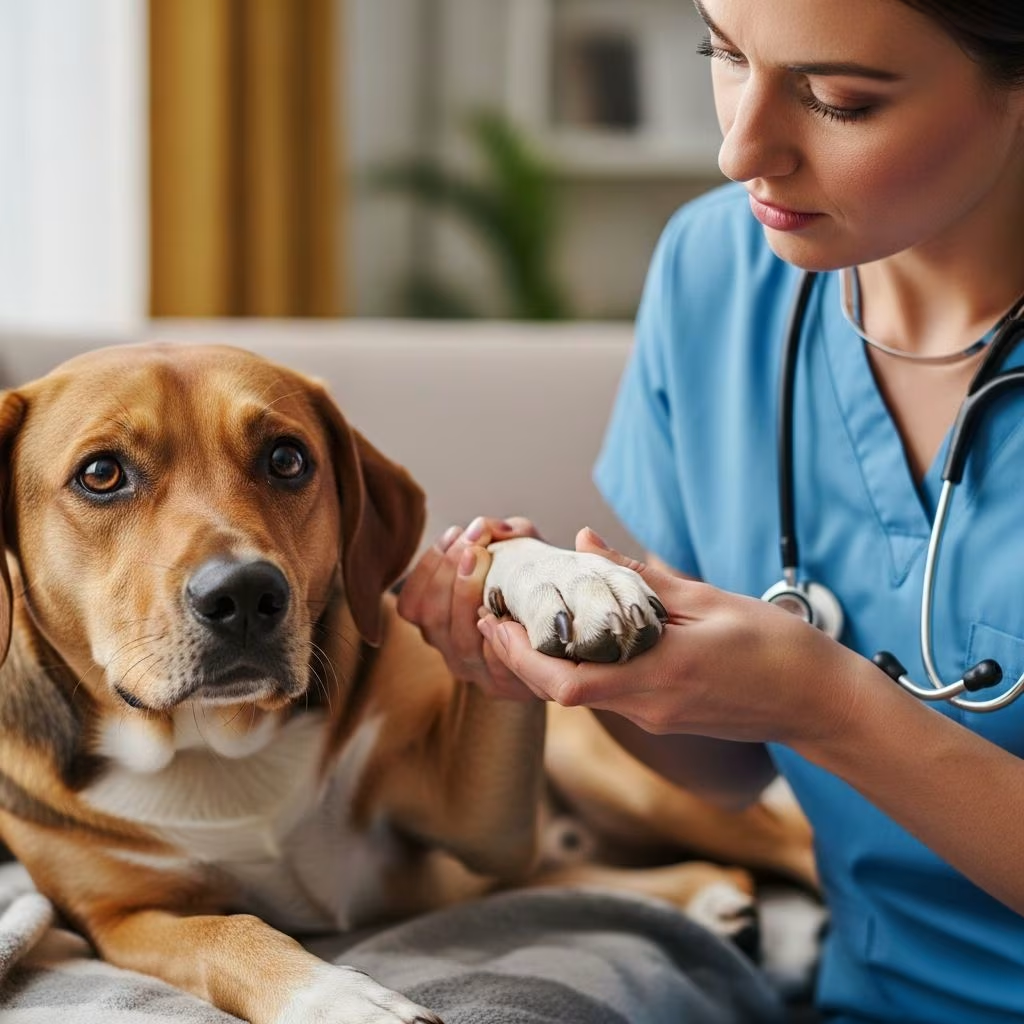
First Aid for Limping Dogs: A Comprehensive Guide
Discovering that your dog is limping can be concerning for any pet owner. Whether your dog has suffered a minor injury or is experiencing a more serious condition, knowing how to provide proper first aid is essential. The key to helping your limping dog is understanding the severity of the limp and taking appropriate action. This guide will walk you through the process of assessing your dog’s limp, identifying the source of pain, and determining the best course of action.
How Serious Is a Limp? Assessing Your Dog’s Condition
The first critical step in providing first aid for a limping dog is to assess how serious the limp actually is. Not all limps indicate the same level of injury, and understanding the severity will help you determine whether home care is sufficient or if veterinary attention is needed immediately.
Observing Your Dog’s Walking Pattern
Begin by carefully watching your dog walk. Pay attention to which leg is affected—whether it’s the right or left, front or rear leg. Observe how your dog uses the injured limb in different situations. Does your dog carry the leg when walking but balance on it when standing still? This suggests a less severe injury. Does your dog walk on the leg but stumble occasionally? Does your dog take shorter steps than normal, or does your dog keep the foot from touching the ground entirely? The more reluctant your dog is to use the leg, the more serious the injury may be.
Establishing a Timeline
The second step is to establish when the limp began and how it developed. When did you first notice the limp? Did it appear suddenly, or did it develop gradually over time? Was there any trauma involved—such as a fall, collision, or accident? Understanding the history of the limp provides valuable information for your veterinarian. Additionally, note whether the lameness is worse at certain times of the day, such as early morning stiffness or after exercise. This information helps differentiate between various types of injuries and conditions.
Identifying the Injured Leg and Source of Pain
After assessing the severity, the next step is to identify exactly where your dog is experiencing pain. A thorough physical examination at home can help you pinpoint the problem before visiting your veterinarian.
Examining the Foot and Toes
Begin your examination with the toes and work your way up the limb. Look carefully between the toes for foreign bodies such as thorns, splinters, or grass awns that may have become lodged. Check for redness or signs of inflammation. Examine the pads of the foot for cuts, punctures, or other injuries. Assess each toenail for breaks, cracks, or signs of nail bed infections.
Apply gentle pressure to each toe and note any areas that cause your dog pain. Most dogs will pull their leg back when you touch a sore spot, providing a clear indication of discomfort. Be patient and gentle during this examination, as applying too much pressure may cause unnecessary pain or make your dog resistant to further examination.
Examining the Entire Limb
Work your way up the limb, applying gentle pressure to each part to identify areas of tenderness. Note any areas of swelling, as this can indicate inflammation, injury, or infection. Carefully bend and flex the joints to assess range of motion. If your pet resists when you try to move a joint, this is a sign of pain and suggests injury to that joint.
Comparing Both Legs
If anything looks or feels unusual during your examination, compare the injured leg to the corresponding leg on the other side of your dog’s body. This comparison helps you identify swelling, asymmetry, or other abnormalities that may not be obvious in isolation. Document your findings and be prepared to share them with your veterinarian, as this information can significantly aid in diagnosis.
First Aid Treatment Options for Common Limping Issues
Once you’ve assessed your dog’s limp and identified the area of injury, you can implement appropriate first aid measures. The treatment depends on the specific cause of the limp.
Treating Foreign Bodies and Minor Wounds
If you discover a foreign body lodged between your dog’s toes, carefully remove it using tweezers or your fingers. Clean the wound thoroughly with antibacterial soap and water. To reduce swelling and promote healing, soak the foot in a warm Epsom salt bath. Flowing water improves circulation, reduces swelling, and promote healing. If your dog will tolerate it, place your dog in a tub and swirl water around the leg. After soaking, apply antibiotic ointment to prevent infection.
Managing Swelling and Bruising
For injuries involving swelling related to bruises, tendonitis, or other soft tissue damage, apply ice packs to the affected area for 15 minutes, twice daily. Wrap ice in a towel to protect your dog’s skin from direct contact with the ice. Alternatively, you can swirl water around the leg or spray water using a hose for similar benefits. These cold therapies help reduce inflammation and provide pain relief during the early stages of injury.
Treating Abscesses
For abscesses, apply warm compresses to the affected area or soak the leg in a warm Epsom salt bath. Warm therapy promotes circulation and helps the abscess drain naturally. However, take your dog to your veterinarian as soon as possible, as an abscess can become extremely painful whether it ruptures or not. Professional veterinary care is essential for this type of infection to prevent complications.
Activity Restriction and Home Care
Regardless of the cause of your dog’s limp, restricting activity is one of the most important aspects of first aid and recovery. Dogs do not naturally understand the need to rest and will continue to run, jump, and play even when this delays recovery.
Confining Your Limping Dog
Confine your lame dog and restrict their activity as much as possible. Keep your dog on a short leash when taking them outside for bathroom breaks. Avoid using stairs or steps, and ensure your dog does not jump off furniture or the couch. Limit access to areas where your dog might be tempted to run or play. Create a comfortable resting area with a soft bed or blanket where your dog can relax while recovering.
Building Recovery Gradually
As your dog begins to recover, avoid rushing back into regular activity. Build your dog back up slowly to prevent poor recovery or re-injury. Gradually increase activity levels over days or weeks, depending on the severity of the original injury and your veterinarian’s recommendations.
When to Seek Veterinary Care
While many minor limps can be managed with home first aid, certain situations require professional veterinary attention.
Immediate Veterinary Care Required
If your dog’s limp persists for more than 24 hours, seek veterinary care. Additionally, contact your veterinarian immediately if:
- Your dog cannot bear any weight on the limb
- There is severe swelling or visible deformity
- You suspect a fracture or broken bone
- There is significant bleeding that cannot be controlled
- Signs of infection develop, such as pus, increased swelling, or fever
- Your dog shows signs of extreme pain or distress
Advanced Diagnostics and Follow-Up
Your veterinarian might suggest advanced diagnostics or a second assessment from a veterinary specialist if investigating a significant issue or if your dog has an undiscovered cause of lameness that doesn’t go away. Make sure to follow up with your veterinarian about your dog’s limping situation. Don’t assume healing will occur on its own without professional guidance. Your veterinarian will know what to do and will change the treatment plan if things aren’t improving.
Professional Treatment Options
Depending on the underlying cause of your dog’s limp, your veterinarian may recommend various treatment options beyond home first aid.
| Treatment Option | Description | When Used |
|---|---|---|
| Prescription Pain Relievers | Medications to manage pain and discomfort | For moderate to severe pain |
| Nonsteroidal Anti-Inflammatories (NSAIDs) | Reduce inflammation and pain | For inflammatory conditions and acute injuries |
| Nutritional Supplements | Joint supplements and omega-3 fatty acids | For long-term joint health and recovery |
| Bandages, Splints, Braces, or Casts | External support for injured limbs | For fractures, sprains, and strains |
| Physical Therapy | Rehabilitation exercises to improve mobility | For recovery and strengthening |
| Surgery | Surgical intervention for severe injuries | For torn ligaments, fractures, or joint issues |
| Acupuncture | Alternative therapy for pain management | For chronic pain or alternative medicine approaches |
Medication Management
Pain relievers and anti-inflammatories can help reduce pain and swelling, just as they do for humans. These medications are generally prescribed by a veterinarian and can quickly improve your dog’s quality of life by effectively managing symptoms. Follow your veterinarian’s dosing instructions carefully and monitor your dog for any side effects.
Physical Therapy and Rehabilitation
Rehabilitation through physical therapy can help improve range of motion and strengthen muscles around the affected area. Consistent physical therapy can speed up your dog’s recovery and prevent future injuries by enhancing joint stability and muscle tone.
Surgical Intervention
In cases of severe injury or degenerative conditions, surgical intervention might be necessary. Procedures may range from minimally invasive arthroscopy to major surgeries like joint replacements or repairs.
Special Considerations for Front Leg Limping
Limping on a front leg is more severe from a mobility perspective than rear leg lameness. If your dog limps on the front leg, you need to help your dog as soon as you can. Start by soaking the foot in warm water with Epsom salts to alleviate swelling. Apply antibiotic ointment afterward. If your dog has swelling related to an injury, bruise, or tendonitis, apply ice packs to the area for 15 minutes, two times a day.
Transporting an Injured Dog
If your dog requires veterinary attention and cannot walk normally, proper transportation is essential to prevent further injury.
Moving Your Injured Dog
Lay your dog down with the injured leg up when preparing for transport. For larger dogs that can walk on three legs, gently help them into the vehicle. If your dog cannot walk, use a blanket or improvised stretcher to transport your pet safely. For small dogs, place them in a pet carrier or box with sufficient airflow. For large dogs, a board, sled, or blanket works best as an improvised stretcher.
Frequently Asked Questions About Limping Dogs
Q: How long should I restrict my dog’s activity after a limp?
A: Activity restriction duration depends on the underlying cause and severity of the injury. Minor limps may require only 1-3 days of rest, while more serious injuries may need weeks or months of restricted activity combined with physical therapy. Always follow your veterinarian’s specific recommendations for your dog.
Q: Is it safe to give my dog over-the-counter pain medication?
A: No. Never give your dog over-the-counter human pain medications without veterinary approval, as many can be toxic to dogs. Always consult your veterinarian before administering any medication. Prescription pain relievers prescribed by your vet are formulated specifically for dogs and are much safer.
Q: What is the difference between a sprain and a strain?
A: A sprain involves injury to ligaments that connect bones, while a strain involves injury to muscles or tendons. Both cause limping and require similar first aid treatment including rest, ice therapy, and activity restriction.
Q: Can a limp heal on its own?
A: Some minor limps may improve with rest and home care, but it’s important not to assume healing will occur without professional guidance. If a limp persists beyond 24 hours, veterinary evaluation is recommended to rule out serious injuries and ensure proper healing.
Q: How can I prevent my dog from limping in the future?
A: Maintain a healthy weight, provide regular appropriate exercise, keep your dog’s environment safe from hazards, trim nails regularly, and schedule routine veterinary checkups. Additionally, consider joint supplements and avoid excessive jumping or running on hard surfaces.
References
- What to Do About a Dog Limp – Solutions and More — Edmonton Vet (yegvet.ca). 2024. https://www.yegvet.ca/what-to-do-about-a-dog-limp-solutions-and-more/
- First Aid for Limping Dogs — VCA Animal Hospitals. 2024. https://vcahospitals.com/know-your-pet/first-aid-for-limping-dogs
- Dog Limping: Possible Causes, Treatment & First Aid — UrgentVet. 2024. https://urgentvet.com/dog-limping-causes-treatment-first-aid/
- Dog Limping Front Leg: How to Manage and Treat — Veteris UK. 2024. https://veteris.co.uk/petcare-advice/dog-limping-front-leg-how-to-manage-and-treat
- How to Administer First Aid to Your Dog’s Injured Leg — TPLO Info. 2024. https://tploinfo.com/blog/how-to-administer-first-aid-to-your-dogs-injured-leg/
- Why is My Dog Limping & How to Help — Cinderrock Vet Clinic. 2024. https://www.cinderrockvetclinic.com/site/blog/2024/05/31/why-dog-limping-how-help



