

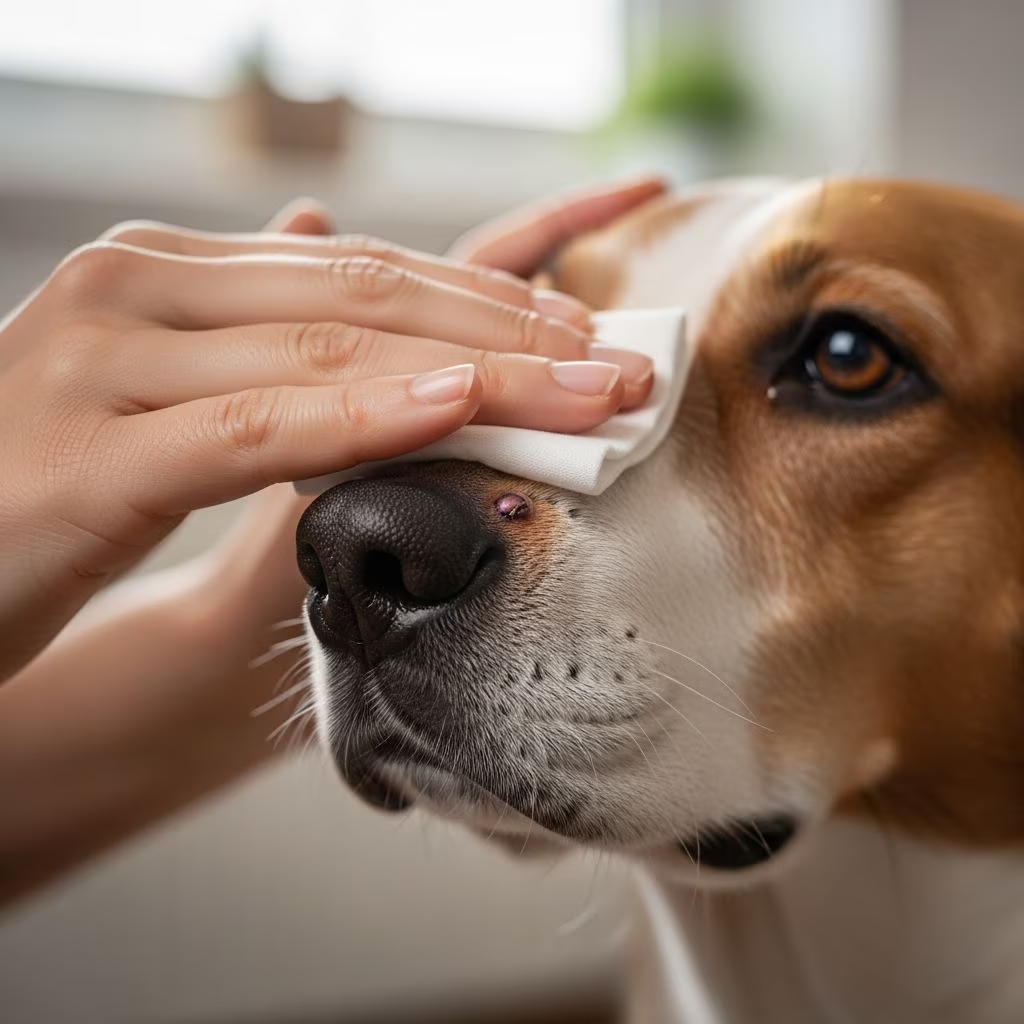
First Aid for Insect Stings in Dogs
Insect stings are a common concern for dog owners, especially during warmer months when bees, wasps, hornets, and other stinging insects are most active. While many insect stings cause only minor discomfort, some can trigger serious allergic reactions or complications. Understanding how to recognize an insect sting, provide immediate first aid, and know when to seek professional veterinary care is essential for every pet owner.
Understanding Insect Stings in Dogs
Dogs are naturally curious animals that may investigate or chase insects, putting them at risk of being stung. Unlike bites, which involve puncture wounds, insect stings inject venom through a specialized stinger. Different insects cause varying degrees of reactions in dogs, ranging from mild localized swelling to severe systemic allergic responses.
The most common stinging insects that affect dogs include honeybees, wasps, yellow jackets, hornets, and fire ants. Each of these insects has different venom compositions, which can result in different reactions. Honeybees typically leave their stinger embedded in the skin after stinging, while wasps and hornets can sting multiple times since their stingers remain intact.
Identifying an Insect Sting
Recognizing that your dog has been stung is the first step toward providing appropriate treatment. Several signs indicate that your dog may have experienced an insect sting:
– Sudden vocalization, yelping, or whining at a specific moment- Immediate licking, biting, or scratching at a particular area of the body- Visible swelling, redness, or hives on the skin- Visible stinger protruding from the skin (usually from honeybee stings)- Facial swelling, particularly around the muzzle, eyes, or ears- Difficulty breathing or swallowing (indicating a serious reaction)- Lethargy or unusual behavior changes
Most dogs are stung on the face, mouth, or paws because these are the areas they use to investigate their environment. Stings inside the mouth or throat are particularly concerning because swelling can obstruct the airway.
Immediate First Aid Steps
Step 1: Remain Calm and Assess the Situation
When you discover your dog has been stung, stay calm and assess the severity of the reaction. A calm demeanor will help keep your dog relaxed, which can minimize stress-related complications. Examine the affected area carefully to determine the sting location and whether a stinger is visible.
Step 2: Remove the Stinger
If a stinger is visible, remove it as quickly as possible. Use a stiff object such as a credit card, your fingernail, or a tweezers to scrape the stinger away from the skin. The goal is to remove the stinger without squeezing the venom sac, which could release more venom into your dog’s body. Gently scrape or brush the stinger away rather than pinching or pulling at it. If you cannot easily remove the stinger, apply first aid measures and monitor your dog closely.
Step 3: Clean the Area
Once the stinger is removed, wash the affected area thoroughly with soap and water. This cleaning step helps prevent infection and removes any remaining venom residue or debris. For stings on the paws or legs, you can soak the area in cool water for several minutes as part of the cleaning process.
Step 4: Apply Cold Therapy
Apply ice packs or cold compresses to the sting site to reduce swelling, pain, and inflammation. Wrap the ice pack in a thin towel or cloth to avoid direct contact with the skin, which can cause discomfort. Apply the cold compress for 10-15 minutes at a time, removing it briefly before reapplying if needed. Cold therapy is most effective when applied soon after the sting occurs. You can use frozen vegetables, commercial ice packs, or even a cold, damp cloth as alternatives.
Step 5: Apply Topical Treatments
After initial cold therapy, apply a paste made from baking soda and water to the sting site. Mix baking soda with just enough water to create a paste consistency, then apply it directly to the sting. This traditional remedy can help reduce itching and promote healing. Some dogs respond well to aloe vera gel applied to the sting area, which has natural soothing properties. Ensure your dog doesn’t lick the aloe vera immediately after application so it can be absorbed into the skin.
Step 6: Consider Oral Medications
For stings that cause significant swelling, pain, or itching, oral medications may provide relief. Before administering any medication, consult with your veterinarian about appropriate options for your specific dog. Some vets may recommend oral antihistamines like Benadryl to reduce allergic responses, though not all dogs can safely take this medication. Your veterinarian can provide guidance on proper dosing based on your dog’s weight and health status.
Over-the-counter pain relievers designed for dogs may also be recommended by your vet. Never give your dog human pain medications without veterinary approval, as some can be harmful to dogs.
Step 7: Prevent Further Injury
Prevent your dog from licking, biting, or scratching the sting site, which can lead to secondary infection and increased inflammation. If your dog is particularly bothered by the sting, consider using an Elizabethan collar (cone) to prevent self-trauma. Keep your dog calm and restrict activity to allow the sting to heal.
Special Situations and Serious Reactions
Multiple Stings or Stings in the Mouth
Dogs stung multiple times or stung inside the mouth require immediate veterinary attention. Multiple stings increase the amount of venom entering your dog’s system, and oral stings pose a particular risk because swelling can block the airway. Signs that require emergency care include difficulty breathing, difficulty swallowing, excessive drooling, or facial swelling that affects the eyes or airways.
Anaphylactic Reactions
Some dogs develop anaphylaxis, a severe allergic reaction to insect venom that constitutes a medical emergency. Signs of anaphylactic shock include:
– Difficulty breathing or rapid breathing- Collapse or loss of consciousness- Seizures- Vomiting or diarrhea- Pale gums- Weak pulse- Excessive drooling
If your dog shows any of these signs, transport them to the nearest emergency veterinary clinic immediately. Do not delay seeking professional care, as anaphylaxis can be life-threatening without prompt treatment. Veterinarians can administer epinephrine and other emergency medications to reverse the allergic reaction.
Repeated Sting Sites
If your dog receives multiple stings over the same general area, swelling and inflammation can be more pronounced. For dogs with multiple bites from various insects like ants, flies, or mosquitoes, an oatmeal bath can provide soothing relief. Use lukewarm water and an anti-itch oatmeal shampoo to gently bathe the affected areas, which can help reduce itching and inflammation.
When to Seek Veterinary Care
While many insect stings can be managed at home with first aid, certain situations require professional veterinary evaluation:
– Stings inside the mouth, throat, or on the face with significant swelling- Multiple stings (more than 5-10 depending on dog size)- Signs of allergic reaction or anaphylaxis- Stings that don’t improve within 24-48 hours- Signs of infection developing around the sting site- Dogs with known insect venom allergies- Stings in dogs with pre-existing health conditions- Any concern about your dog’s reaction or behavior
Your veterinarian can assess the severity of the sting, provide prescription-strength medications if needed, and monitor your dog for complications. For stings occurring outside normal clinic hours, contact your local emergency veterinary clinic.
Prevention Strategies
The best approach to insect stings is prevention. Implement these strategies to reduce your dog’s risk:
– Avoid areas known to have bee or wasp nests, such as flowering gardens during peak season- Supervise outdoor time, especially in areas with high insect activity- Keep your dog away from open food and trash, which attract insects- Remove or cover standing water where mosquitoes breed- Avoid wearing bright colors or floral patterns on walks, which can attract insects- Use pet-safe insect repellents if recommended by your veterinarian- Keep your dog’s vaccinations current- Consider keeping antihistamines and first aid supplies specifically for insect stings on hand
Building a Pet First Aid Kit
Prepare a comprehensive first aid kit specifically for insect stings and other pet emergencies:
– Tweezers for stinger removal- Baking soda for paste preparation- Ice packs or frozen gel packs- Antibiotic cream (vet-approved)- Cortisone cream or hydrocortisone (if vet-approved for your dog)- Antihistamines like Benadryl (if approved by your vet with proper dosing information)- Aloe vera gel- Gauze pads and sterile bandages- Antiseptic solution- Elizabethan collar- Contact information for your regular veterinarian and nearest emergency clinic
Store this kit in an easily accessible location and ensure all family members know where it is located. Review the contents periodically to replace expired items and update contact information as needed.
Recovery and Follow-up Care
Most dogs recover completely from insect stings within 24-48 hours with appropriate first aid. Continue monitoring the sting site for signs of improvement or complications. The swelling should gradually decrease, and your dog should return to normal behavior. If symptoms persist or worsen, contact your veterinarian for evaluation.
Keep the area clean and prevent your dog from licking or scratching it during the healing process. If your dog has been stung previously and had a severe reaction, inform your veterinarian, as they may recommend carrying an epinephrine auto-injector for future emergencies or prescribing preventative medications.
Frequently Asked Questions
Q: How can I tell if my dog was stung by a bee versus a wasp?
A: Honeybees typically leave their stinger embedded in the skin, while wasps retain their stingers and can sting multiple times. If you see a stinger protruding from the skin, it’s likely a bee sting. Both types of stings require similar first aid treatment.
Q: Is it safe to give my dog Benadryl for an insect sting?
A: Some dogs can safely take Benadryl, but not all dogs tolerate this medication. Always consult with your veterinarian before administering any medication, including over-the-counter antihistamines, to determine if it’s appropriate for your dog and to get proper dosing instructions.
Q: What should I do if my dog is stung inside the mouth?
A: Stings inside the mouth are serious and require immediate veterinary attention because swelling can block the airway. Contact your veterinarian or emergency clinic right away. In the meantime, monitor your dog’s breathing carefully.
Q: How long does swelling from an insect sting typically last?
A: Mild swelling usually resolves within 24-48 hours with appropriate first aid. More significant swelling may take several days to fully subside. If swelling persists beyond 48 hours or worsens, contact your veterinarian.
Q: Can dogs develop allergies to insect stings over time?
A: Yes, some dogs can develop increased sensitivity to insect venom with repeated stings. If your dog has had a severe reaction to a previous sting, inform your veterinarian, as they may recommend preventative measures or emergency medications for future incidents.
Q: What’s the difference between a normal sting reaction and an allergic reaction?
A: Normal reactions include localized swelling, redness, and mild discomfort at the sting site. Allergic reactions involve systemic symptoms like difficulty breathing, vomiting, diarrhea, facial swelling affecting airways, or collapse. Allergic reactions require emergency veterinary care.
References
- Bites and stings – first aid — Better Health Channel, State Government of Victoria, Australia. 2024. https://www.betterhealth.vic.gov.au/health/healthyliving/bites-and-stings-first-aid
- What to Do if Your Dog Is Stung by a Bee or Wasp — American Kennel Club (AKC). 2025. https://www.akc.org/expert-advice/health/dog-stung-bee-wasp/
- What to Do with Insect Bites on a Dog — Veterinary Emergency Group. 2024. https://www.veg.com/post/insect-bite-on-dog
- 6 Steps to Treat and Prevent Bug Bites on Your Pet — Virginia Veterinary Centers. 2024. https://vcvets.com/the-bite-stops-here-6-steps-to-treat-and-prevent-bug-bites-on-your-pet/
- What to do if your dog is stung by bee or wasp — Blue Cross. 2024. https://www.bluecross.org.uk/advice/dog/health-and-injuries/what-to-do-if-your-dog-is-stung-by-a-bee-or-wasp
- Wasp & Bee Stings On Dogs — Greencross Vets. 2024. https://www.greencrossvets.com.au/pet-library/articles-of-interest/wasp-and-bee-stings/
- Animal bites: First aid — Mayo Clinic. 2024. https://www.mayoclinic.org/first-aid/first-aid-animal-bites/basics/art-20056591



