

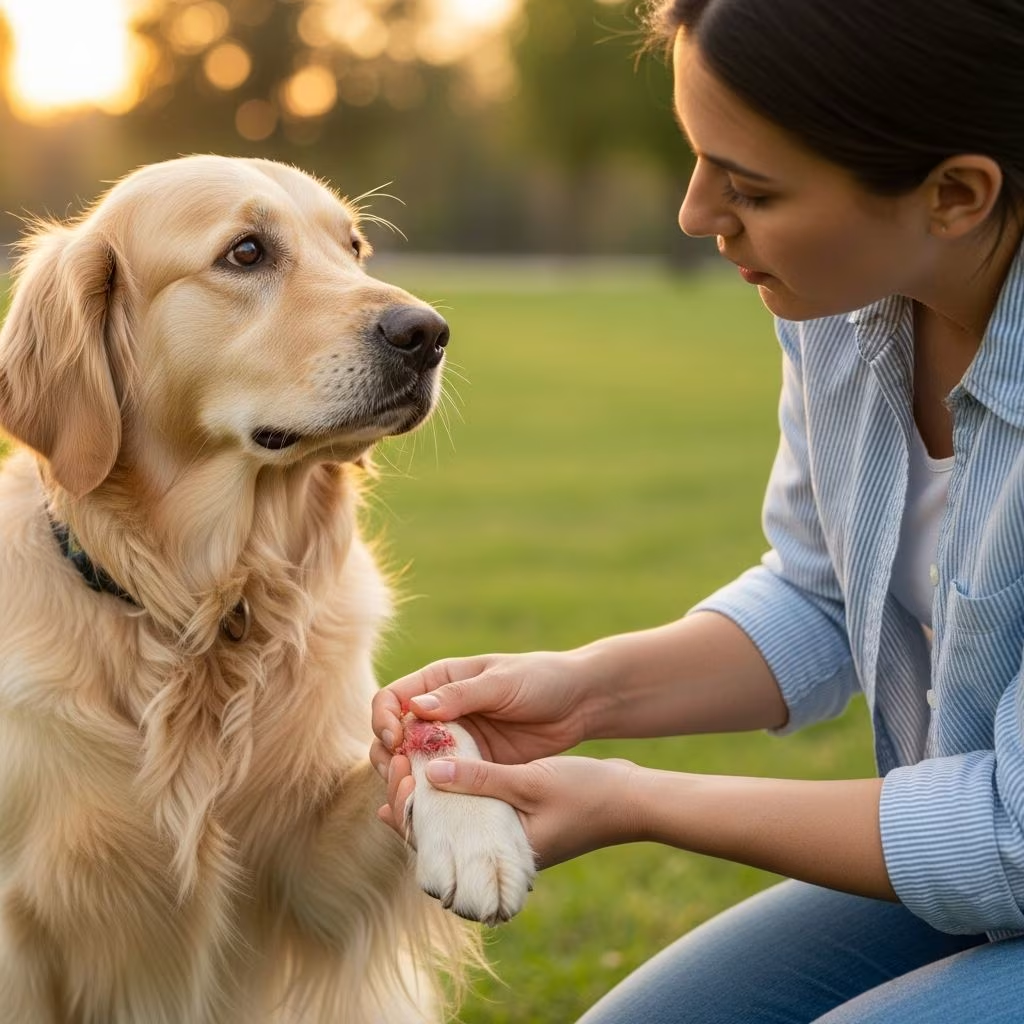
First Aid for Insect Stings in Dogs
Insect stings are a common concern for dog owners, particularly during warmer months when bees, wasps, and other stinging insects are more active. While most insect stings cause only minor discomfort and localized swelling, some dogs may experience severe allergic reactions that require immediate veterinary attention. Understanding how to properly treat your dog’s insect sting at home and recognizing when professional help is needed can make a significant difference in your pet’s comfort and safety.
Understanding Insect Stings in Dogs
Dogs are naturally curious creatures who may investigate insects without understanding the danger. When a dog gets stung by a bee or wasp, the insect injects venom through a stinger, causing pain, inflammation, and potentially an allergic reaction. Bees typically leave their stinger behind, while wasps can sting multiple times without losing their stinger. The location of the sting matters significantly—stings on the face, mouth, or throat can be particularly problematic due to potential swelling that may obstruct the airway.
Immediate Steps for Treating Insect Stings
If you discover that your dog has been stung by a bee or wasp, following the correct immediate treatment steps can help minimize pain and swelling.
Remove the Stinger Carefully
The first priority is to remove the stinger if one is present. Use a stiff-edged object such as a credit card, the edge of a knife, or tweezers to scrape the stinger out of the skin. If using tweezers, grasp the stinger at its base and pull it straight out. It is crucial to avoid squeezing the stinger, as this can force additional venom into your dog’s body and worsen the reaction. Act quickly but carefully—the faster you remove the stinger, the less venom will be deposited.
Wash the Affected Area
After removing the stinger, wash the sting site thoroughly with soap and water. This helps prevent infection and removes any remaining venom residue from the surface of the skin. Gently pat the area dry with a clean cloth.
Apply Cold Therapy
Cold therapy is one of the most effective ways to reduce swelling and pain associated with insect stings. Apply an ice pack, frozen vegetable bag, or cool compress wrapped in a thin towel to the sting site for 10 to 15 minutes. Ensure the cold pack is not too uncomfortable for your dog, and never apply ice directly to the skin. You may reapply cold therapy every few hours as needed to manage swelling and discomfort.
Home Treatment Options
Once you have completed the immediate first aid steps, several home remedies can help soothe your dog’s sting and promote healing.
Baking Soda Paste
One of the most popular and effective home treatments is a baking soda paste. Mix baking soda with a small amount of water to create a thick paste, then apply it directly to the sting site, similar to how you would treat an insect bite on human skin. This paste can help neutralize venom and reduce itching and inflammation. Reapply the paste as needed, typically every few hours for the first 24 hours.
Oatmeal Baths
If your dog has multiple stings or bites, an oatmeal bath can provide significant relief. Oatmeal has natural soothing properties that can help reduce itching and inflammation while promoting healing. Fill a bathtub with lukewarm water and add colloidal oatmeal (specially designed for baths), then let your dog soak for 10 to 15 minutes. Ensure the bath water is not too hot and that your dog remains calm throughout the process.
Aloe Vera Gel
Aloe vera gel is safe for dogs and can be applied topically to insect stings to promote healing and reduce inflammation. Apply a light coating of pure aloe vera gel to the sting site, but ensure your dog does not lick it off immediately. Allow the gel to soak into the skin for maximum effectiveness. Avoid products containing aloe latex, which can be harmful if ingested.
Moisturized Gauge Compression
For more significant stings, applying a moisturized gauze compression can help manage swelling effectively. Spray an all-natural solution on gauze until it is thoroughly soaked, then secure the gauze to the affected area with Vetrap or a bandage. Reapply the solution every two to four hours to maintain moisture, and keep the bandage in place for at least 48 hours. This method is particularly effective at preventing swelling from recurring after treatment.
Medications and Antihistamines
In some cases, your veterinarian may recommend oral medications to help manage your dog’s response to the sting.
Antihistamines
Antihistamines can help reduce itching, swelling, and other allergic responses to insect venom. Your veterinarian can recommend an appropriate antihistamine and dosage specific to your dog’s size and health status. Common options include diphenhydramine (Benadryl), though not all dogs can safely take human medications, so always consult your vet before administering any medication.
Homeopathic Treatments
Some pet owners find success with homeopathic remedies such as Apis 200 C, which can be particularly effective for stings in and around the mouth. This remedy can be given every four to six hours for the first 24 hours following a sting.
Recognizing Allergic Reactions
While most insect stings cause only minor, localized reactions, some dogs may experience more serious allergic responses that require immediate veterinary attention. It is essential to monitor your dog closely after a sting and watch for warning signs of an allergic reaction.
Mild to Moderate Allergic Reactions
Mild allergic reactions may include excessive swelling around the sting site, facial swelling, or mild itching. These symptoms can typically be managed with antihistamines and home treatments, though your veterinarian should be consulted if swelling continues to worsen.
Severe Allergic Reactions (Anaphylaxis)
Anaphylaxis is a life-threatening allergic reaction that requires immediate emergency veterinary care. Signs of anaphylactic shock include difficulty breathing, collapse, seizures, vomiting, diarrhea, or sudden behavioral changes. If you observe any of these symptoms, transport your dog to an emergency veterinary clinic immediately. Do not delay—anaphylactic reactions can progress rapidly and may be fatal without prompt treatment.
Special Considerations for Stings in Sensitive Areas
The location of a sting can significantly impact the severity of symptoms and appropriate treatment approach. Stings on the face, muzzle, or throat area are particularly concerning because swelling in these regions can obstruct the airway and impair breathing. If your dog is stung in the mouth or throat, or if you notice difficulty swallowing or labored breathing, seek immediate veterinary care even if other symptoms seem mild. These stings may require professional monitoring and treatment to prevent airway obstruction.
Prevention Strategies
While not always avoidable, several strategies can help reduce the likelihood of your dog being stung by insects.
- Avoid areas with visible bee hives or wasp nests, particularly during peak activity hours
- Supervise outdoor time, especially in gardens or areas with flowering plants that attract insects
- Keep your dog’s vaccinations current, as this helps their immune system respond appropriately to various stressors
- Remove or cover food and drink outside, as these attract insects
- Consider using insect repellents designed specifically for dogs, though consult your veterinarian first
When to Seek Veterinary Care
Most insect stings can be managed at home with appropriate first aid and monitoring. However, certain situations warrant immediate or urgent veterinary attention. Contact your veterinarian if your dog experiences multiple stings, stings in sensitive areas such as the mouth or eyes, signs of infection such as increased redness or discharge, or any signs of systemic allergic reaction. For life-threatening symptoms such as difficulty breathing, collapse, or severe swelling, transport your dog to an emergency veterinary clinic immediately.
Post-Sting Monitoring and Care
After treating an insect sting, continue monitoring your dog for several hours to ensure the reaction does not worsen. Provide fresh, clean water and allow your dog to rest in a comfortable, cool location. Keep the sting site clean and resist the urge to allow your dog to lick or scratch at it excessively, as this can lead to infection. If you applied any topical treatments, you may need to use a recovery collar (cone) to prevent your dog from licking the area until the treatment is fully absorbed.
Frequently Asked Questions
Q: How long does it take for an insect sting to heal in dogs?
A: Most uncomplicated insect stings heal within 24 to 48 hours with appropriate treatment. Swelling typically peaks within the first few hours and gradually subsides. However, if your dog continues to scratch or if infection develops, healing may take longer.
Q: Is it safe to use human over-the-counter cream on my dog’s sting?
A: Not all human products are safe for dogs. While hydrocortisone cream may be safe for some dogs, it is not appropriate for all. Always consult your veterinarian before applying any human medication or cream to your dog’s skin.
Q: What should I do if my dog gets stung multiple times?
A: Multiple stings carry a higher risk of severe allergic reaction or shock. Remove all visible stingers, apply cold therapy, and contact your veterinarian immediately. If stings occur in the mouth or if your dog shows any signs of anaphylaxis, seek emergency veterinary care.
Q: Can I give my dog Benadryl for an insect sting?
A: Some dogs can safely take Benadryl, but dosing and safety vary based on individual health factors. Never administer human medications to your dog without first consulting your veterinarian for appropriate dosage and confirmation of safety.
Q: How can I prevent my dog from getting stung?
A: Supervise outdoor activities, avoid areas with visible bee hives or wasp nests, keep your dog away from flowering plants during peak insect activity, and remove attractants such as open food or garbage near outdoor areas.
References
- What to Do if Your Dog Is Stung by a Bee or Wasp — American Kennel Club. 2024. https://www.akc.org/expert-advice/health/dog-stung-bee-wasp/
- What to Do with Insect Bites on a Dog — Veterinary Emergency Group. 2024. https://www.veg.com/post/insect-bite-on-dog
- What to do if your dog is stung by bee or wasp — Blue Cross. 2024. https://www.bluecross.org.uk/advice/dog/health-and-injuries/what-to-do-if-your-dog-is-stung-by-a-bee-or-wasp
- Wasp and Bee Stings On Dogs — Greencross Vets. 2024. https://www.greencrossvets.com.au/pet-library/articles-of-interest/wasp-and-bee-stings/
- How to treat insect bites and stings on your dog naturally — Dr. Dobias. 2024. https://peterdobias.com/blogs/blog/14470729-how-to-treat-insect-bites-and-stings-naturally
- Bites and stings – first aid — Better Health Channel. 2024. https://www.betterhealth.vic.gov.au/health/healthyliving/bites-and-stings-first-aid
- Animal bites: First aid — Mayo Clinic. 2024. https://www.mayoclinic.org/first-aid/first-aid-animal-bites/basics/art-20056591



