

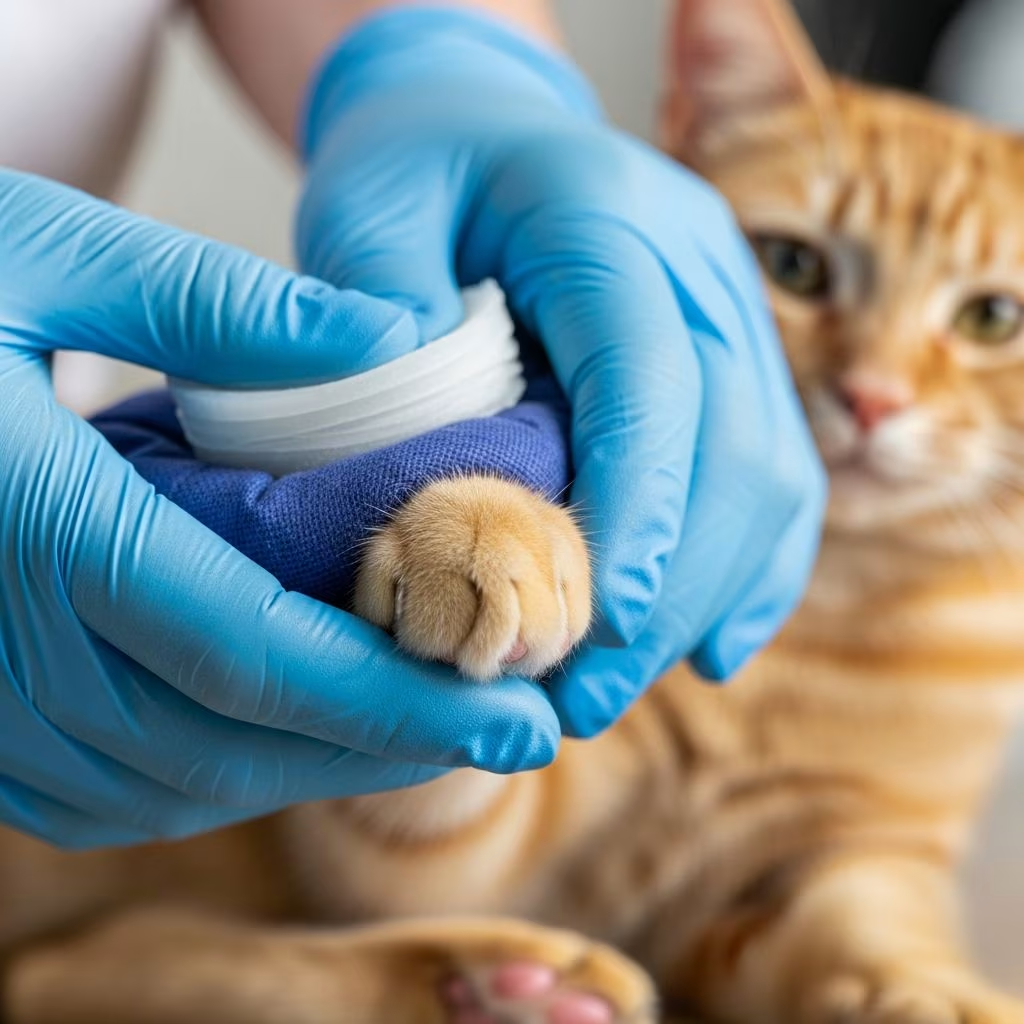
First Aid for Insect Stings in Cats
Cats are naturally curious creatures, and their inquisitive nature often leads them to investigate insects like bees, wasps, and other stinging insects. While most insect stings result in minor irritation, they can sometimes trigger serious allergic reactions or complications that require immediate veterinary attention. Knowing how to properly treat insect stings in cats is an essential skill for every cat owner. This comprehensive guide will walk you through the proper first aid procedures, help you identify warning signs, and explain when professional veterinary care becomes necessary.
Understanding Insect Stings in Cats
Insect stings occur when bees, wasps, hornets, or other stinging insects inject venom into your cat’s skin as a defense mechanism. The reaction severity depends on several factors including the number of stings, the location of the sting, your cat’s age, overall health status, and whether your cat has a pre-existing allergy to insect venom. Kittens and senior cats are particularly vulnerable to complications from insect stings and may require more aggressive treatment. Understanding the difference between various stinging insects can also help you determine the appropriate first aid approach.
Immediate First Aid Steps
When you discover that your cat has been stung by an insect, your first priority is to remain calm and assess the situation carefully. A panicked owner can increase your cat’s stress, making the situation more difficult to manage. Here are the essential steps to follow immediately after discovering an insect sting:
Step 1: Approach and Restrain Your Cat
Approach your cat slowly and speak in soothing, calm tones. Cats that are in pain or frightened may become defensive or aggressive, even if they are normally gentle. Gently restrain your cat if necessary, being careful not to cause additional injury. If your cat is extremely agitated or aggressive, consider having an assistant help you. An assistant can gently but firmly stabilize your cat by placing both hands around the cat’s shoulders and pushing down gently on the table to prevent scratching and movement. If your cat is particularly combative, carefully wrap the entire cat except for the head in a large towel for protection.
Step 2: Remove the Stinger
If your cat was stung by a bee, the stinger may still be embedded in the skin. Bee stingers contain a venom sac that continues to pump venom into your cat’s body even after the bee has flown away or died. This makes quick stinger removal crucial. Do not pinch or squeeze the stinger with tweezers or your fingers, as this may rupture the venom sac and release more venom. Instead, use a credit card, dull knife, or similar flat object to scrape the stinger off immediately. The scraping motion should move away from the skin, lifting the stinger out without compressing it. Wasp and hornet stings do not leave stingers behind, so no removal is necessary for these insects.
Step 3: Apply Cold Therapy
If the stung area is swollen and hot to the touch, apply cold therapy to reduce inflammation and provide pain relief. Prepare an ice pack by wrapping ice or frozen gel packs in a clean towel or soft cloth. Never apply ice directly to your cat’s skin or fur, as extreme cold can cause tissue damage and discomfort. Test the wrapped ice pack on yourself first to ensure it’s not too cold. Apply the covered ice pack to the affected area for approximately 10 minutes. A bag of frozen peas wrapped in a towel works well for individual stings, while a cooled, damp towel is more suitable for larger areas or multiple stings. This cold therapy helps minimize swelling, reduces pain, and slows venom absorption.
Step 4: Soothe the Sting Site
After removing the stinger and applying cold therapy, you can apply topical treatments to soothe the affected area. Mix baking soda with water to create a thick paste and apply it directly to the sting site. Baking soda has alkaline properties that help neutralize venom and reduce itching. This paste should be left on the skin for several minutes before gently washing it away with cool water. For cats with multiple stings or bites covering a larger area, a soothing oatmeal bath may be more effective. Add colloidal oatmeal (finely ground oatmeal) to lukewarm bathwater and allow your cat to soak in the solution for 10-15 minutes to relieve itching and inflammation.
Administering Antihistamines
To minimize allergic reactions and reduce itching, your veterinarian may recommend oral antihistamines. Diphenhydramine is commonly prescribed for insect sting reactions in cats. The typical dose is approximately 0.5 mg per pound of body weight, given orally. For example, a 10-pound cat would receive approximately 5 mg of liquid diphenhydramine. However, always consult your veterinarian before administering any medication, as some human products contain alcohol or other ingredients that may be harmful to cats.
How to Administer Oral Medication
Administering liquid medication to a cat can be challenging. If an assistant is available, have them gently stabilize your cat while you administer the medication. Gently hold your cat’s mouth closed and tip its head up slightly to facilitate swallowing. Using a plastic eyedropper or dose syringe, insert the tip into the corner of your cat’s mouth and place small amounts of the fluid into the mouth one at a time, allowing each small amount to be swallowed before administering more. Never squirt large amounts into the mouth at once, as this may cause aspiration or distress. After administering the medication, gently rub your cat’s throat to stimulate the swallowing reflex and ensure the medication is properly ingested.
Managing Discomfort and Preventing Complications
After the initial first aid treatment, focus on preventing your cat from further traumatizing the sting site through licking or scratching. Constant licking and scratching can delay healing and introduce secondary bacterial infections. If your cat continues to lick or bite at the affected area, consider fitting your cat with an Elizabethan collar (also called a cone or e-collar) to prevent self-trauma. This protective device allows the sting to heal undisturbed while still allowing your cat to eat, drink, and move normally.
Ensure your cat maintains adequate hydration and continues eating normally. Offer fresh water frequently. If your cat was stung in the mouth or throat area, it may experience difficulty eating due to swelling or pain. In these cases, offer moist food or dry food softened with water, as these are less likely to aggravate the affected area compared to hard kibble.
When to Seek Emergency Veterinary Care
While most insect stings in cats resolve with basic first aid, certain situations require immediate veterinary attention. Understanding these warning signs can be lifesaving:
Critical Emergency Situations
If your cat experiences any difficulty breathing, facial swelling, throat swelling, or shows signs of shock, transport your cat to a veterinarian or emergency clinic immediately. Stings in the mouth, throat, or face area are particularly concerning because swelling in these locations can obstruct the airway and prevent normal breathing. Even if your cat appears stable initially, airway swelling can develop gradually, so seek veterinary care as a precaution if stinging occurred in these sensitive areas.
Severe Allergic Reactions
Some cats develop severe allergic reactions to insect venom. Signs of severe allergic reactions include vomiting, diarrhea, weakness, collapse, seizures, abnormal gum color (pale or blue), or loss of consciousness. These cats require emergency veterinary treatment that may include intravenous fluids, corticosteroids, epinephrine injection, and oxygen support. Young kittens and cats with multiple stings are at higher risk for severe reactions and may require hospitalization for observation and supportive care.
Multiple Stings
Cats stung multiple times by the same insect or by multiple insects receive higher doses of venom and face greater risk of complications. Multiple stings can overwhelm your cat’s immune system and increase the likelihood of severe reactions. If your cat has sustained multiple stings, contact your veterinarian for guidance even if your cat appears stable.
Prevention Strategies
The best approach to insect stings is prevention. Keep your cat indoors during peak insect activity times, particularly during dawn and dusk when bees and wasps are most active. Remove potential insect nesting sites from your property, such as wasp nests, hornet nests, or bee hives located near your home. If your cat spends time outdoors, maintain a clean yard free of garbage, fallen fruit, and food bowls that attract stinging insects. Sweet-smelling substances like perfumes, scented litter, and certain plants can attract bees and wasps, so be mindful of these attractants.
Frequently Asked Questions
Q: How can I tell if my cat has been stung by an insect?
A: Signs of insect stings include sudden swelling, redness, or irritation on the skin, excessive licking or scratching at a particular area, facial or lip swelling, drooling if stung in the mouth, or signs of pain or discomfort. Some cats may vocalize or act agitated immediately after being stung.
Q: Is it safe to use human antihistamines for my cat?
A: Some human antihistamines are safe for cats when dosed appropriately, but not all. Always consult your veterinarian before giving your cat any human medication, as some formulations contain alcohol or other ingredients that may be harmful. Your veterinarian can recommend the correct medication and dosage for your cat’s specific situation.
Q: What should I do if the stinger is deeply embedded and I can’t remove it?
A: If you cannot safely remove the stinger without causing additional trauma, leave it in place and contact your veterinarian. Your vet has specialized tools and techniques to remove embedded stingers safely without further injury.
Q: How long does it take for a cat to recover from an insect sting?
A: Most mild insect stings resolve within 24-48 hours with proper treatment. However, recovery time varies depending on the severity of the reaction, the number of stings, and individual factors. Monitor your cat for any worsening symptoms during the recovery period.
Q: Can cats develop allergies to insect stings over time?
A: Yes, cats can develop allergic reactions to insect venom with repeated exposure. If your cat has experienced severe reactions to insect stings in the past, inform your veterinarian, as your cat may be at increased risk for future reactions and may benefit from preventive measures or emergency medications.
Summary of First Aid Treatment
Treating insect stings in cats requires prompt action and careful observation. Remove the stinger immediately if present, apply cold therapy to reduce swelling, and soothe the affected area with appropriate topical treatments. Administer antihistamines as recommended by your veterinarian to minimize allergic reactions. Prevent self-trauma by using an Elizabethan collar if necessary, and ensure your cat maintains normal eating and drinking habits. Most importantly, understand the warning signs that indicate the need for emergency veterinary care, particularly stings affecting the face, mouth, or throat areas, or any signs of severe allergic reactions. By following these guidelines and maintaining a strong relationship with your veterinarian, you can effectively manage insect stings and keep your beloved feline companion safe and healthy.
References
- How to Treat a Cat That has Been Stung by an Insect — HowStuffWorks. Accessed November 2025. https://animals.howstuffworks.com/pets/how-to-treat-a-cat-that-has-been-stung-by-an-insect.htm
- First Aid for Insect Stings in Cats — Companion Animal Clinic Virginia. Accessed November 2025. https://companionanimalclinicvirginia.com/blog/first-aid-for-insect-stings-in-cats/
- Treating Wasp and Bee Stings in Cats: Symptoms and Care — PetsCare. Accessed November 2025. https://www.petscare.com/news/post/treating-wasp-bee-stings-cats
- What To Do When Your Cat Is Stung by a Bee or Wasp — Chewy. Accessed November 2025. https://www.chewy.com/education/cat/health-and-wellness/cat-stung-by-bee
- Insect Bites or Stings — Purina US Cat First Aid. Accessed November 2025. https://www.purina.com/articles/cat/health/routine-care/cat-first-aid



